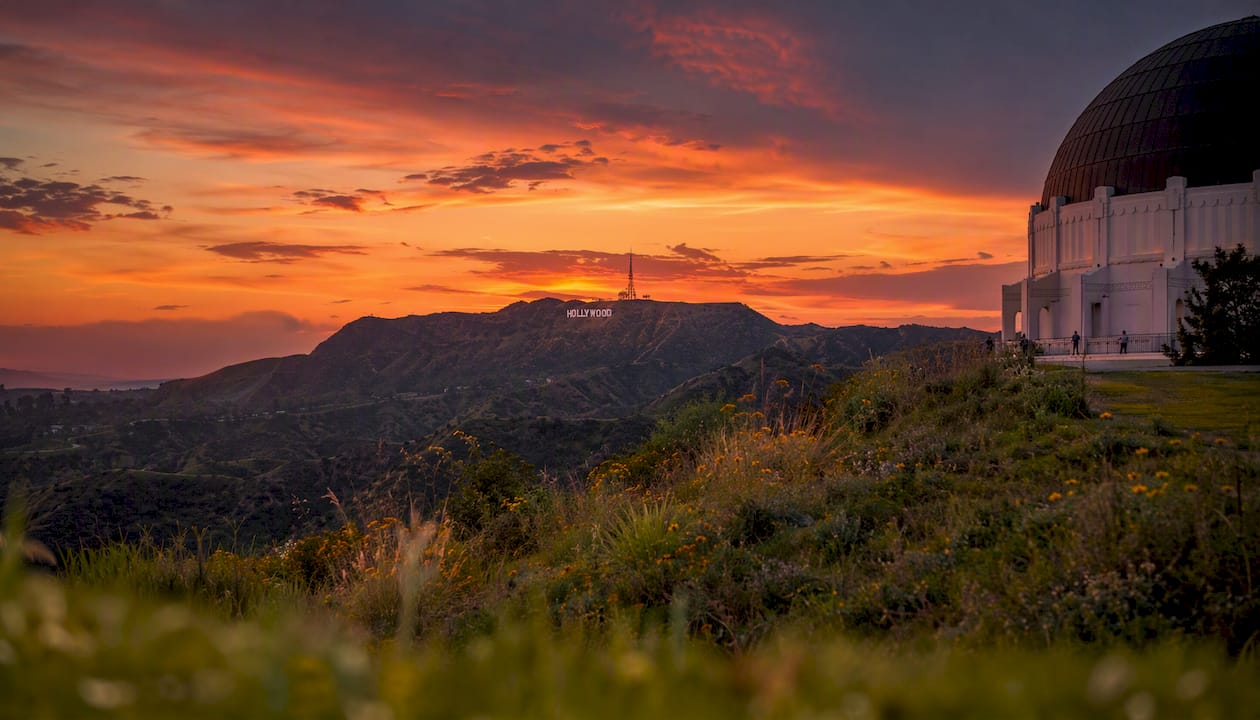
Los Angeles is one of the most photogenic cities on the planet, and the best photo spots in Los Angeles are spread across neighborhoods that each have their own visual personality. The top 10 must-shoot locations are: **Hollywood Sign, Griffith Observatory, LACMA/Urban Light, Santa Monica Pier, Venice murals, Downtown LA (Walt Disney Concert Hall, The Broad, Arts District)
-
Rodeo Drive/Beverly Hills, Getty Center, Angel Wings mural, and the Venice Beach boardwalk.** Here’s a quick-hit timing guide to get you started:
-
Hollywood Sign — early morning (7–9 AM) for soft light and fewer hikers
-
Griffith Observatory — sunset or blue hour for the skyline glow
-
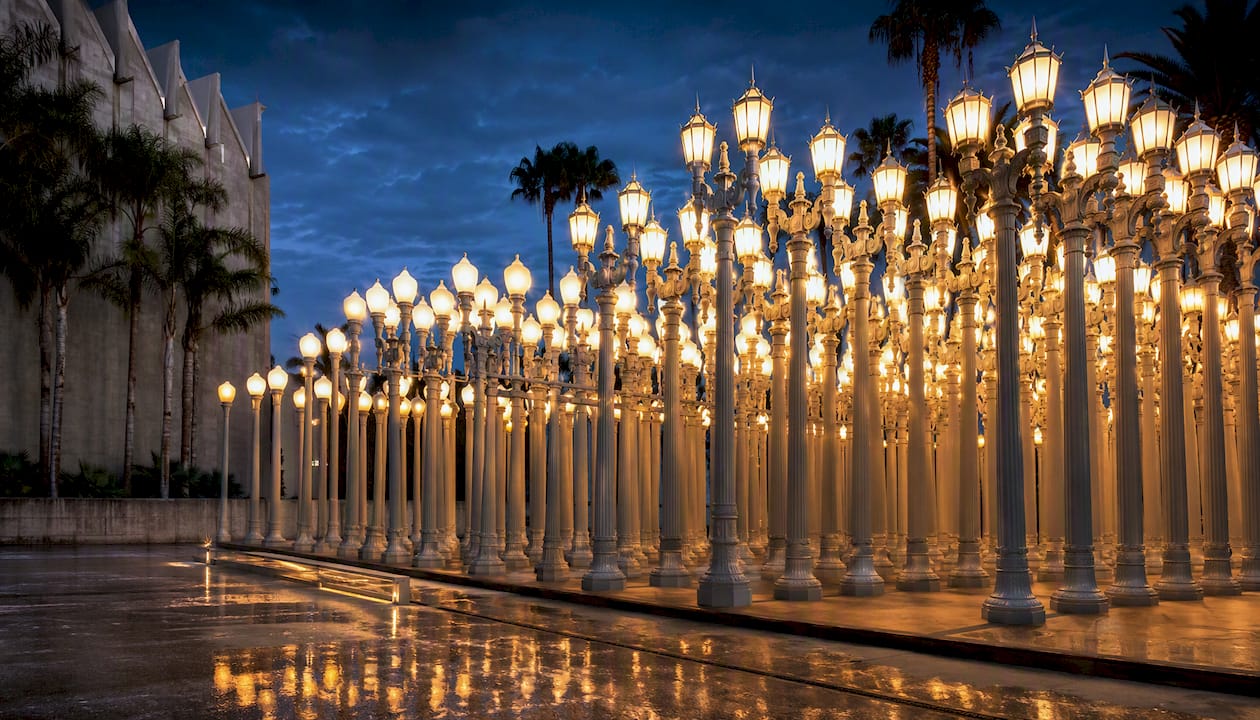
LACMA/Urban Light — blue hour (20–30 minutes after sunset) when the lamps are lit
-
Santa Monica Pier — golden hour, facing west for the Pacific backdrop
-
Venice murals — mid-morning on weekdays before tour groups arrive
-
Downtown LA/Arts District — golden hour for warm tones on glass and steel
-
Rodeo Drive — early morning (before 9 AM) for empty streets and clean storefronts
-
Getty Center — late afternoon for architecture in warm light
-
Angel Wings mural — weekday mornings for shorter lines
-
Venice Beach boardwalk — late afternoon for street performers and long shadows
For a neighborhood loop, pair Griffith Observatory with the Hollywood Walk of Fame in one morning, then hit LACMA and Rodeo Drive in the afternoon. Save Santa Monica and Venice for a separate beach day. The single best crowd-avoidance tip: visit any of these spots on a Tuesday or Wednesday, and you’ll have noticeably more breathing room.
Key Takeaways
Los Angeles’s best photo spots reward early arrivals and neighborhood-grouped routes far more than a scattered, all-day sprint across the city.
| Point | Details |
|---|---|
| Go early, go weekday | Most spots are significantly less crowded before 10 AM on Tuesday through Thursday. |
| Blue hour is the move at LACMA | Urban Light’s lamp columns photograph best 20–30 minutes after sunset when the sky still holds color. |
| Griffith is three shots in one | Plan for a telephoto Sign shot, a mid-range skyline, and a wide architectural frame in one visit. |
| Permits matter for commercial work | Personal photography on public streets needs no permit; commercial shoots and drones require FilmLA clearance. |
| Socalsights maps save planning time | Curated GPS-ready routes and timing guides are available through a Socalsights membership. |
Table of Contents
- What makes the Hollywood and Griffith area so good for photos?
- The Westside: Getty Center, LACMA, and Rodeo Drive
- Santa Monica and Venice: beaches, piers, and murals you’ll want to frame
- Downtown LA and the Arts District: architecture and murals worth the drive
- The best mural and street-art walls to put on your list
- What you need to know about LA mural history and photo permits
- How to plan a photo walk through LA’s best spots
- What I actually think about shooting in LA
- Socalsights has the curated photo-walk maps you need
- Sources
What makes the Hollywood and Griffith area so good for photos?
The Hollywood and Griffith cluster is the most efficient photo stop in the city. You get three completely different shots within a short drive of each other, and the light at this elevation is genuinely beautiful at both ends of the day.
Griffith Observatory is the anchor. Experienced local photographers treat it as a multi-setup location — plan for three distinct shots: a telephoto compression of the Hollywood Sign from the east lawn, a mid-range skyline view looking south toward Downtown, and a wide architectural shot of the observatory dome itself. Tripods are allowed on the exterior terraces for personal use, but drones and lighting rigs are prohibited, so leave the drone at home.
Parking at the Observatory fills up fast on weekends. The Observatory’s own lot is free but limited; overflow parking is available along Western Canyon Road, and the DASH Observatory bus runs from Los Feliz on weekends for a flat fare. Weekday mornings before 10 AM are the sweet spot for open parking and thinner crowds.
The Hollywood Walk of Fame rewards a different approach. Shoot along Hollywood Boulevard early, before the tourist foot traffic picks up around 10 AM. Get low for a wide-angle shot that puts a star in the foreground with the theater marquees behind it. The Dolby Theatre and TCL Chinese Theatre facades are strong standalone subjects too.
Pro Tip: For the Hollywood Sign, a 200mm or longer telephoto lens from the Griffith Observatory east lawn compresses the distance beautifully. A wide-angle from the same spot captures the full skyline sweep. Bring both if you can.
For the Beachwood Canyon viewpoints, drive up Beachwood Drive and park near the canyon entrance. The sign reads closer to than from the Observatory, and the surrounding hills give the shot a more intimate, neighborhood feel.
The Westside: Getty Center, LACMA, and Rodeo Drive
The Westside packs three very different visual styles into one afternoon if you sequence them right.
Getty Center sits on a hilltop above Brentwood and the architecture alone is worth the trip. The travertine terraces, the central garden, and the canyon views all photograph beautifully in late afternoon light. Parking at the Getty structure costs $20 per car (cash or credit), and admission to the museum is free. Plan at least 90 minutes to move through the key outdoor photo spots without rushing. The garden’s circular pool and the terraced overlooks facing the Pacific are the two strongest compositions.
LACMA’s Urban Light is one of the most recognizable photography locations in Los Angeles. The installation of many restored antique street lamps is best photographed at blue hour, roughly 20–30 minutes after sunset, when the lamps are fully lit and the surrounding sky still holds color. During the day, the columns read flat and crowded. At blue hour, they glow. Plan a short stakeout rather than a quick pop-in — you’ll want to wait for pedestrian gaps to get a clean frame. LACMA’s parking garage is on Spaulding Avenue and costs around $10–$15 depending on duration.
Rodeo Drive in Beverly Hills is all about the storefronts, the palm-lined median, and the luxury brand signage. Shoot before 9 AM on a weekday and you’ll have the street almost to yourself. A 35mm or 50mm lens keeps the proportions natural and lets the architecture breathe. This is a public street, so casual photography is fine. Commercial shoots on private property (inside stores, on private plazas) require permission from the property owner.
Pro Tip: At LACMA’s Urban Light, position yourself low and slightly off-center to create a leading-line effect through the lamp columns. A 24–35mm lens works well here.
Santa Monica and Venice: beaches, piers, and murals you’ll want to frame
The beach corridor from Santa Monica to Venice is one of the most visually layered stretches in Southern California. You can walk the whole thing in a couple of hours and hit a dozen distinct photo moments along the way.
Here’s a suggested walking route that connects the key spots:
- Santa Monica Pier — Start at the pier’s western end, where the Route 66 terminus sign sits above the Pacific. Shoot the Ferris wheel from the south side of the pier for a clean silhouette at golden hour. The reflection on wet sand at low tide adds another dimension.
- Palisades Park overlook — Walk north along Ocean Avenue to Palisades Park. The bluff views looking south toward the pier and the Santa Monica Mountains are underrated and rarely crowded.
- Venice Boardwalk — Head south along the beach path. The boardwalk’s street performers, murals, and muscle beach equipment make for candid, energetic shots. Late afternoon light hits the west-facing walls perfectly.
- Abbot Kinney murals — Turn inland to Abbot Kinney Boulevard for painted shop facades and gallery walls. This stretch changes frequently, so what you find is often a surprise.
- Venice Sign — The iconic arched sign over Windward Avenue is a quick stop. Shoot from the south side of the canal for a reflection shot if the water is calm.
Gear note: sea glare is real here. A circular polarizing filter cuts the reflection off wet sand and water and makes colors pop. Beach wind can shake a lighter tripod, so weigh it down or shoot handheld with a faster shutter speed. The sun sets directly over the Pacific from this stretch of coast, which means golden hour is genuinely golden.
Downtown LA and the Arts District: architecture and murals worth the drive
Downtown LA rewards photographers who are willing to move around. The buildings are dramatic, the murals are dense, and the light bouncing off glass and steel creates compositions you won’t find anywhere else in the city.
- Walt Disney Concert Hall (111 S Grand Ave) is the most architecturally striking building in the city. The stainless steel panels reflect the sky and surrounding buildings in ways that change by the minute. Shoot from Grand Avenue for the full facade, or get close and abstract the curves. Morning light from the east hits the panels first; late afternoon wraps the south face in warm tones.
- The Broad sits directly across Grand Avenue and its plaza and entrance areas offer distinctive modern-architecture shots that are popular with photographers. The honeycomb exterior (“The Veil”) creates strong texture in direct light. The plaza is public and open during museum hours.
- Arts District murals run through the streets east of the 101 freeway, particularly along Traction Avenue, Hewitt Street, and the surrounding alleys. These walls change regularly, so use StreetArtCities to check current mural locations before you go.
Access and safety: most Arts District shooting happens on public sidewalks and streets, which is fine. Avoid shooting in private parking lots or loading docks without permission. For evening shoots, stick to the main corridors on Traction and Mateo Street, which stay active into the evening. Parking is easier on weekends when the commercial lots open to the public.
For architecture, a wide-angle lens (16–24mm) handles the scale of Disney Hall and The Broad. For murals, a 35–50mm keeps the proportions natural and flatters portrait subjects standing in front of the walls.
The best mural and street-art walls to put on your list
Los Angeles has more murals per square mile than almost any other American city, and a handful of walls have become genuine Instagram landmarks.
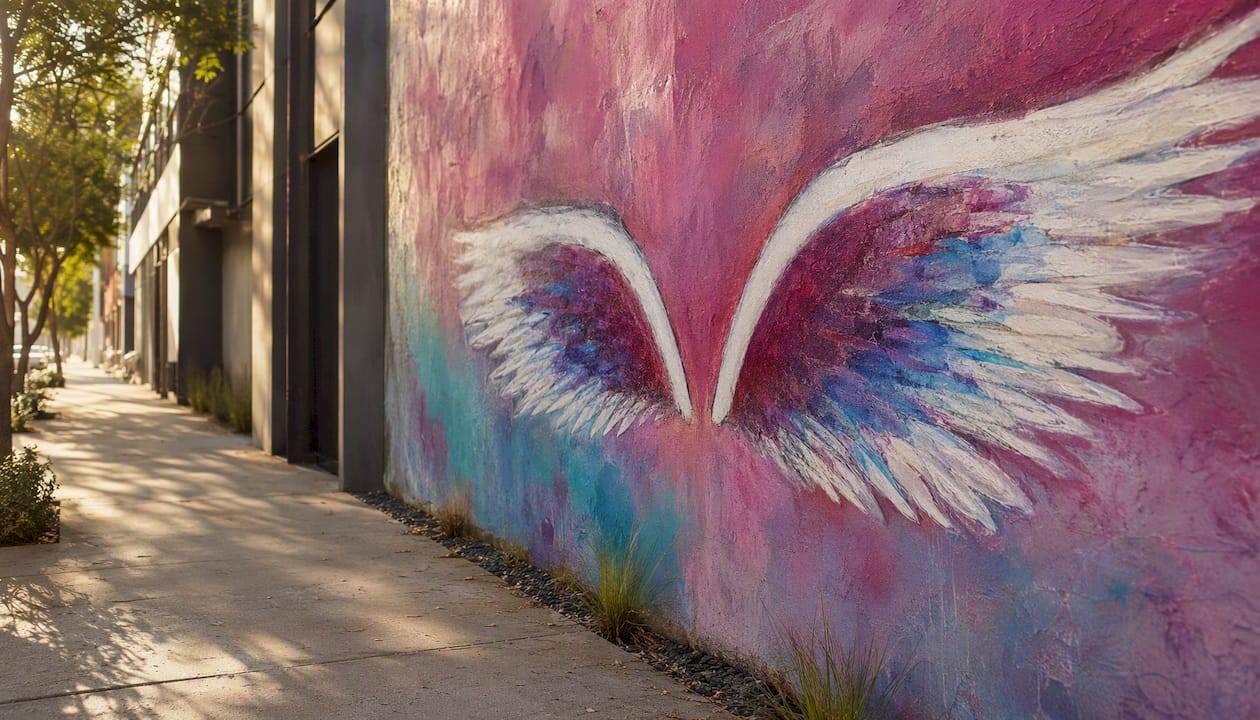
The Angel Wings mural by Colette Miller (originally painted in 2012 and replicated across the city) is the most requested photo-wall in LA. The original is in Hollywood, but versions appear in other neighborhoods too. Go on a weekday morning before 10 AM to avoid a line. Stand about 10–12 feet back with a 35–50mm lens so the wings frame your subject without distortion.
The Rainbow Crochet mural and similar textile-style walls in the Arts District attract a different crowd. These walls photograph best in soft, overcast light when the colors read evenly without harsh shadows.
For mural portraits generally, the formula is simple: give your subject space to breathe within the frame, use a slightly longer focal length (50–85mm) to compress the background, and shoot in the hour after sunrise or the hour before sunset when the light is directional but not harsh.
Pro Tip: Always credit the artist when you post a mural photo. Tag the artist’s handle if you can find it, and check StreetArtCities for artist attribution before you publish.
Crowd management at busy walls is mostly about timing. The Angel Wings and similar high-traffic spots are genuinely quiet before 9 AM on weekdays. Weekends after 11 AM are the hardest to shoot cleanly.
What you need to know about LA mural history and photo permits
Los Angeles has one of the richest mural traditions in the United States, rooted in the Chicano art movement of the 1960s and 1970s. Greater Los Angeles contains thousands of murals, and that tradition has been shaped by community programs, political expression, and neighborhood identity in ways that make these walls more than backdrops. Understanding that context makes your photos more intentional.
The City of LA’s Mural Ordinance (2013) created a legal framework for registering murals on private property and established protections for what the city calls “Vintage Original Art Murals.” The Department of Cultural Affairs runs the Citywide Mural Program, which handles registration and conservation. If you’re shooting a mural and want to verify its status or find the artist, the DCA is the right starting point.
For personal photography, shooting murals on public streets and sidewalks is generally fine with no permit required. For commercial shoots (paid work, advertising, film/TV), you typically need permission from the property owner and may need a City of LA film permit depending on the scope of the shoot. Drone photography is prohibited in Griffith Park and at the Observatory, and many other city parks have similar restrictions. Check the LA City Film Office (FilmLA) for current permit requirements before any commercial or drone shoot.
A practical note: respect private property. If a mural is on the side of a business, don’t block the entrance or set up equipment without asking. Most business owners are happy to let you shoot if you’re polite about it.
How to plan a photo walk through LA’s best spots
A little planning goes a long way when you’re trying to hit multiple photo spots in one day. Here’s how to structure it.
Half-day route (Hollywood/Griffith cluster): Start at Griffith Observatory at 7 AM for the Hollywood Sign shot in morning light. Move to the east lawn for the skyline. Drive down to Hollywood Boulevard by 9 AM for the Walk of Fame before the crowds arrive. Done by noon.
Full-day route (Westside + beach): Hit Rodeo Drive at 8 AM, then drive to LACMA for a daytime architecture shot. Spend the afternoon at the Getty Center. End at Santa Monica Pier for golden hour, then walk south to Venice for the boardwalk and murals. Blue hour at Urban Light on the way back.
Timing grid for key spots:
Gear checklist:
- Wide-angle lens (16–24mm) for architecture and pier shots
- Standard zoom (24–70mm) for street scenes and murals
- Telephoto (70–200mm) for Hollywood Sign compression from Griffith
- Circular polarizing filter for beach and water shots
- Sturdy tripod for blue hour and low-light work
- Extra batteries (cold mornings drain them faster)
- Lens cloth for sea spray and dust
Quick composition reminders: Use leading lines (lamp columns at LACMA, the pier railing at Santa Monica) to pull the eye through the frame. Layer foreground, midground, and background at Griffith for depth. Leave negative space around mural subjects so the art reads clearly. Shoot vertical for Instagram, horizontal for everything else.
What I actually think about shooting in LA
Los Angeles rewards the photographers who slow down. The temptation is to hit every spot on a list in one day, but the best shots I’ve seen from this city come from people who spent an hour at one location instead of fifteen minutes at six.
My honest recommendation: if you only have one morning, go to Griffith Observatory on a Tuesday or Wednesday before 8 AM. The parking is easy, the light is extraordinary, and you’ll have the east lawn almost to yourself. That telephoto shot of the Hollywood Sign with the city below it is one of the most satisfying frames you can make in Southern California, and it’s free.
The Arts District is the spot most visitors underestimate. The murals there are denser, more varied, and more artistically interesting than the viral walls that get all the attention. Spend a couple of hours walking Traction and Hewitt with no agenda and you’ll find things that don’t show up on any list.
One local timing detail worth knowing: the Observatory parking lot opens at 10 AM on weekdays but the grounds are accessible earlier on foot from the trail off Western Canyon Road. That’s how you get the sunrise shot without competing for a parking spot.
Socalsights has the curated photo-walk maps you need
Planning a photo day in LA from scratch takes real time, and the difference between a good shoot and a great one is usually knowing exactly where to stand and when to show up. Socalsights puts that local knowledge into curated photo-walk guides and printable maps built specifically for Southern California, so you spend your morning shooting instead of searching.
The Socalsights Adventure Overview covers GPS-ready routes, insider timing notes for golden and blue hour at each major spot, and crowd-avoidance windows that locals actually use. A Socalsights membership gets you access to the full library of SoCal guides, updated regularly as new murals go up and spots change. Head to the membership page and pick the route that fits your next shoot.
Sources
These are the authoritative resources worth bookmarking before you head out.
Consult official museum pages and the LA City Film Office (FilmLA) directly for the most current hours, permit fees, and any temporary access restrictions before your shoot date.