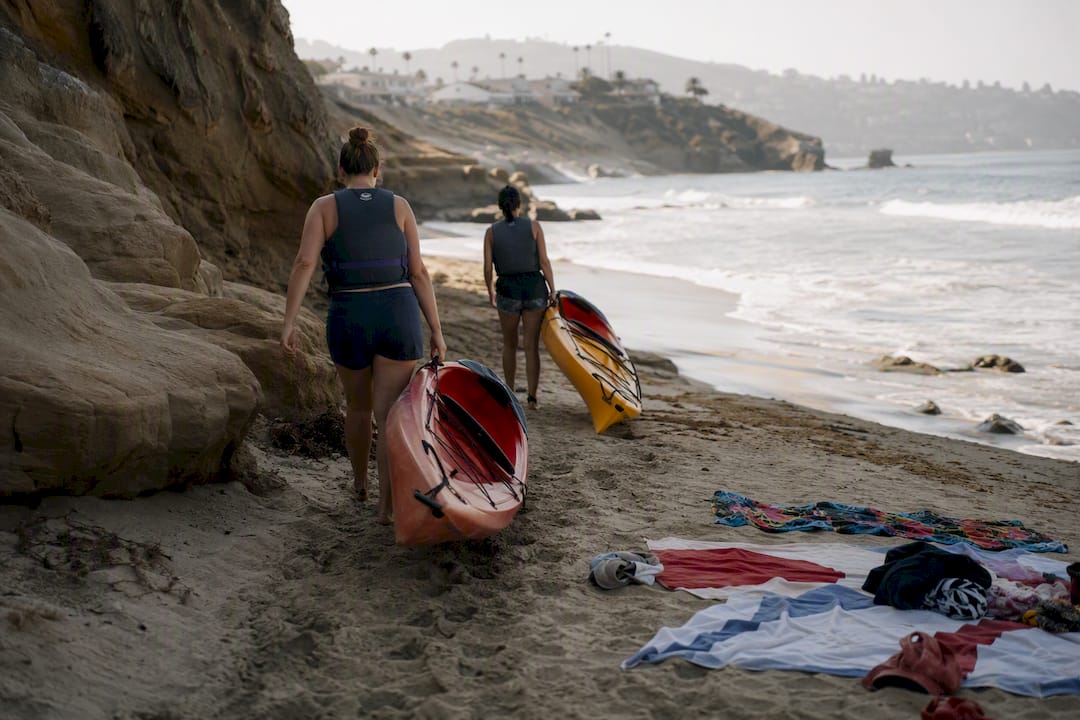
Guided sea-cave kayak tours from La Jolla Shores are the best pick for most visitors, and it’s not close. You get certified guides, a real safety briefing, and a shot at paddling into the caves themselves when the ocean cooperates. Confident paddlers who want to go it alone can rent and self-guide, but you won’t get the same access or the same stories to tell afterward.
Here’s the deal before you book anything:
- Guided tours from La Jolla Shores suit almost everyone, including first timers and families
- Rentals and self-guided paddling work well if you’re already comfortable reading surf and swell
- Cave entry is never guaranteed. It depends on ocean conditions and the guide’s call that day
Key Takeaways
Guided sea-cave kayak tours from La Jolla Shores give most visitors the safest, most complete experience, while cave entry itself always depends on that day’s ocean conditions.
| Point | Details |
|---|---|
| Choose guided for most trips | Certified guides, safety briefings, and permitted cave approaches make tours the better fit for beginners and families. |
| Cave access is never guaranteed | Guides enter Clam’s Cave when swell allows; other caves need very calm water. |
| Budget 2 hours, $59 to $64 per kayak | Tours run about 2 hours total with roughly 90 minutes on the water. |
| Prepare for a physical surf launch | Comfort in the water matters more than swimming skill, but expect real exertion. |
| Plan the rest of the day with SoCal Sights | Use SoCal Sights’ Adventure Overview to pair your paddle with local food and sights. |
For booking details, current conditions, and cancellation policies, check directly with Bike and Kayak Tours, La Jolla Sea Cave Kayaks, or La Jolla Kayak. For local pairings and full-day itineraries, browse SoCal Sights’ own guides to the region.
Table of Contents
- Where La Jolla Kayaking Actually Starts
- Guided Tours Or Self-Guided Kayaking: Which Fits You?
- Sea Lions, Garibaldi, And When The Caves Actually Open
- What Keeps A La Jolla Kayak Trip Safe
- Parking And Getting To The Launch Site
- Why Local Timing Makes Or Breaks The Trip
- Let SoCal Sights Plan The Rest Of Your Day
- Sources
Where La Jolla Kayaking Actually Starts
Every kayak trip in this stretch of coast begins at La Jolla Shores, a wide sandy beach that’s about as forgiving a launch point as Southern California offers. Most operators run out of small storefronts a block or two inland, so you’ll check in, get fitted for gear, and then walk your kayak down to the sand as a group.
That short walk matters more than you’d think, because it’s your first real look at the water you’re about to paddle into. The beach itself sits right at the edge of the La Jolla Ecological Reserve, an underwater park that protects the reefs, kelp forests, and sea caves you’ll be exploring. That protected status is exactly why guides matter here. Some approaches and interactions inside the reserve are restricted, and a trained guide knows where those lines sit.
A few things to expect at launch:
- A brief walk from shop to beach, usually with an operator carrying or rolling the kayaks
- A beach launch through small surf, not a calm dock or marina
- Gear supplied by the operator, including the kayak, paddle, and PFD
Guided Tours Or Self-Guided Kayaking: Which Fits You?
The choice comes down to how much you value access, instruction, and not having to think about surf timing yourself.
- Guided sea-cave tours put you with a certified guide who runs a safety orientation, handles the launch, and steers the group toward cave entries when ocean conditions permit. These trips typically run about 2 hours total, with roughly 90 minutes actually on the water, and prices commonly start near $59 to $64 per kayak depending on whether you’re in a single or a double. Beginners and families do best here.
- Rentals and self-guided paddling give you total freedom to explore at your own pace, but you’re on your own for reading swell direction, timing a surf launch, and finding your way along the coastline. There’s no guarantee of cave access, since that call typically comes from a trained guide reading conditions in real time, not a solo paddler.
Run through this before deciding: How’s your fitness level? Are you paddling with kids or a mixed-experience group? Do you actually want someone narrating the wildlife and cave history, or would you rather explore in silence?
Pro Tip: If cave access is the whole reason you’re doing this, book a guided tour. Self-guided paddlers rarely get anywhere near the caves safely without local knowledge of the swell.
Sea Lions, Garibaldi, And When The Caves Actually Open
Wildlife shows up on almost every trip, which is part of what makes La Jolla kayaking feel different from paddling a lake or bay. Expect sea lions lounging on the rocks or cruising past your kayak, California’s bright orange state fish the garibaldi flickering through the kelp, and, depending on the season, dolphins passing offshore.

Leopard sharks are the headline act from May through October, when they gather in the shallows near La Jolla Shores in numbers that make them easy to spot from a kayak. Outside that window, sightings get spottier.
Cave access follows its own rules entirely. Guides commonly enter Clam’s Cave when swell direction and size cooperate, since it’s the most forgiving of the group. The other sea caves demand very calm water and don’t open nearly as often. If your guide skips a cave entirely, that’s not a bad tour. That’s a guide reading the ocean correctly.
- Sea lions and garibaldi: common on nearly every outing
- Leopard sharks: best odds May through October
- Cave entry: conditional, weather and swell dependent, never promised
What Keeps A La Jolla Kayak Trip Safe
Launching through the surf is the first real test, and it’s more physical than people expect. You’re not stepping into a canoe on a still lake. You’re timing a push through breaking waves with a kayak under you, and while your guide walks you through it step by step, you should be reasonably comfortable getting a little wet and working your core to stay upright.
Every reputable operator builds safety into the trip from the start:
- Personal flotation devices for every paddler, no exceptions
- A safety briefing covering paddle strokes, surf entry, and what to do if you flip
- Liability waivers signed before you touch a kayak
- Age and weight limits that vary by operator and kayak type
Inside the ecological reserve, the rules extend to how you treat the marine life around you. Don’t touch or feed sea lions, don’t chase wildlife for a closer photo, and follow your guide’s lead on distance and behavior around the reefs.
Pro Tip: If you’ve never handled a kayak in open water before, tell your guide before you launch. They’ll adjust pacing and positioning so you’re not struggling to keep up with a group of experienced paddlers.
Picking Your Time Slot And Packing Right
Morning tours give you the calmest water of the day, before wind picks up and chops the surface. Sunset tours trade a bit of that calm for genuinely beautiful light, and they’re popular with anyone bringing a camera. If leopard sharks are the goal, aim for a trip between May and October.
Pack smart and you’ll enjoy the whole outing more:
- Reef-safe sunscreen, since standard sunscreen can harm the reserve’s marine life
- Quick-dry clothing and secure water shoes that won’t slip off in the surf
- A towel, a light layer for after you’re out of the water, and a water bottle
- A dry bag or a plan to leave valuables in the car, since you will get splashed
Operators generally reschedule or refund trips canceled for unsafe conditions, so don’t panic if your morning slot gets bumped.
Booking Details Worth Knowing Before You Reserve
Most guided trips run about 2 hours door to door, with roughly 90 minutes spent actually paddling. Pricing starts around $59 to $64 per kayak and climbs from there depending on single versus double kayaks and the specific operator.
A few practical notes before you lock in a date:
- Weekends and summer afternoons fill up fast, so book several days ahead if you can
- Check the cancellation policy. Legitimate operators won’t send you out in unsafe surf
- Arrive 15 to 20 minutes early for check-in, gear fitting, and waiver paperwork
- Minimum ages are typically set for young children around early school age., and weight limits depend on the specific kayak type used, so check the operator’s page if you’re traveling with kids or a larger group
- Many shops offer changing rooms and lockers, handy if you’re heading somewhere else afterward
Parking And Getting To The Launch Site
Parking near La Jolla Shores is the one logistical headache worth planning around, especially if you’re booking a mid-morning or weekend slot. The streets closest to the beach, particularly Avenida de la Playa and the blocks around Kellogg Park, fill up fast once the day warms up. Free street parking exists, but it operates on a first-come basis and disappears quickly during summer and on weekends.

Your best bet is to arrive at least 30 minutes before your check-in time specifically to find parking, not just to check in. Circle the residential streets a few blocks up from the beach if the closer spots are taken. They’re a short walk but far more likely to have open spaces. Some visitors have better luck parking near the La Jolla Shores business district and walking down, since that area tends to turn over faster than the beachfront itself.
If you’re staying anywhere in central La Jolla or downtown San Diego, rideshare services solve the parking problem entirely and drop you within a block or two of most operator storefronts. That’s especially worth considering for sunset tours, when you’ll be driving back after dark and dealing with the same competitive parking on the way out.
Public transit is limited here. San Diego’s MTS bus system does serve La Jolla, but service to the immediate Shores area is infrequent enough that it’s not a reliable option if you’re on a tight tour schedule. Driving or rideshare remains the practical choice for most visitors.
Why Local Timing Makes Or Breaks The Trip
Weekday mornings are when La Jolla Shores feels like a secret, calm water, thin crowds, and guides who aren’t rushing between back to back groups. If you’re chasing photos instead of quiet, a sunset tour delivers golden light on the cliffs that a morning slot simply can’t match.
Pair your paddle with a coffee stop or a beach picnic afterward and you’ve got a full morning without overplanning it. SoCal Sights keeps a running list of exactly these kinds of pairings in our Adventure Overview, built by locals who actually do this stuff on weekends.
— Joshua
Let SoCal Sights Plan The Rest Of Your Day
A morning of sea-cave kayaking is a great start, but the question that usually follows is “now what?” That’s where SoCal Sights earns its keep. We’re not another booking engine competing with the operators you just read about. We’re the local layer on top, community-sourced recommendations for what to do before and after your paddle, so you’re not stuck Googling “coffee near La Jolla Shores” with wet hair and a rental deadline.

Our contributors have mapped out full daycation itineraries that pair a morning kayak trip with the kind of lunch spots and viewpoints that don’t show up on generic tourist lists. If you’d rather build a whole day around your time on the water instead of guessing at what’s nearby, check out our daycation itineraries and put together a plan before you even book your tour.
Sources
- La Jolla Sea Cave Kayak Tour | Bike and Kayak Tours
- Sea Cave Tours — La Jolla Sea Cave Kayaks
- Original La Jolla Kayak Cave Tour — La Jolla Kayak