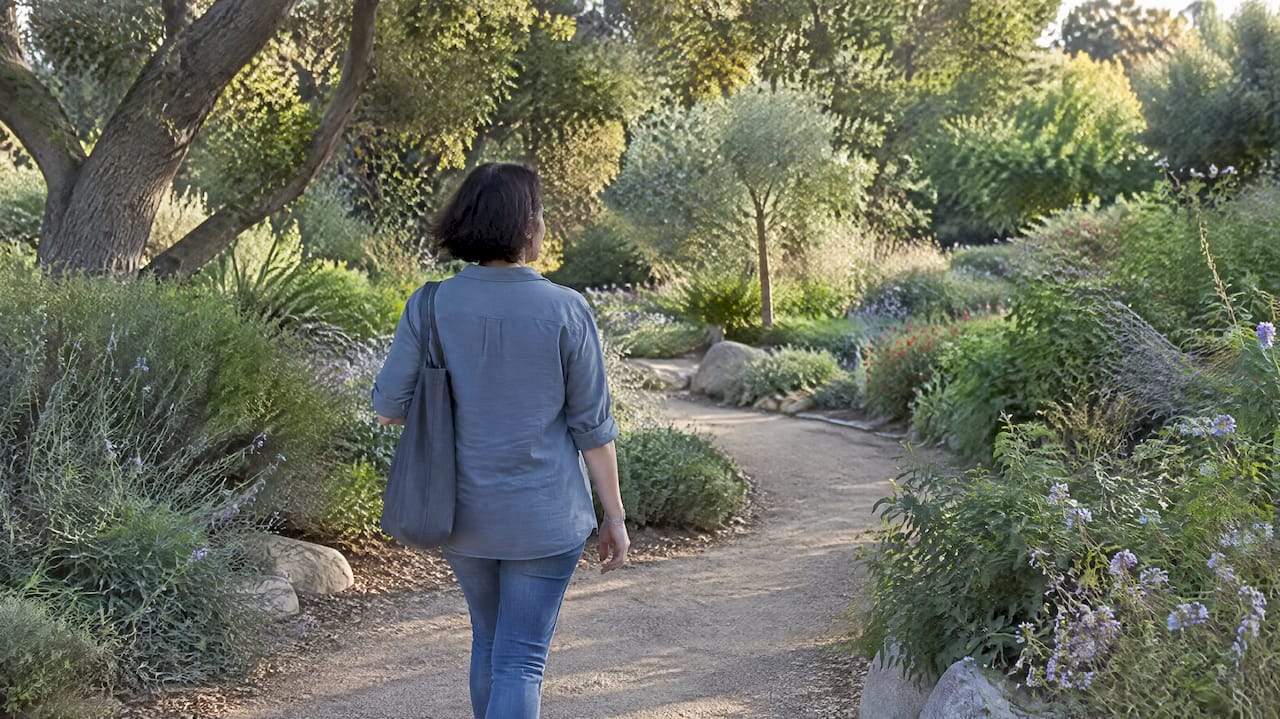
Pasadena’s real character shows up in its quieter corners: three-acre community gardens, a pre-WWII Japanese garden tucked into a residential street, and remnant estate landscaping you can only view from the sidewalk. Arlington Garden, Storrier Stearns Japanese Garden, and Hahamongna Watershed Park top the list for anyone who wants fewer crowds, better photos, and a real sense of local life. Hours, parking, and reservation details follow below so you can plan around them.
TL;DR:
- Visiting Arlington Garden on a weekday morning reduces crowding and improves photo opportunities, especially since parking is limited and weekends draw more visitors.
- The Hahamongna Watershed Park offers wide open space with trails and disc golf, but the best visits are early morning or late afternoon to avoid the heat and crowds.
- Interior architectural sites like the Gamble House and Caltech’s campus require advance planning, such as checking hours or RSVP, to avoid large groups and stairs.
- Public art walks in Pasadena reveal neighborhoods’ murals and sculptures, with late afternoon providing optimal lighting for photography.
- Regional trails beyond main parks connect to the Arroyo Seco, offering shaded walking options and scenic views, with no permits needed for access.
Table of Contents
- 1. Gardens and green spaces worth a slow afternoon
- 2. Small museums and architectural gems that reward patience
- 3. Public art walks that turn a stroll into a scavenger hunt
- 4. Food and drink spots locals actually return to
- 5. How these picks were verified
- 6. Trails beyond the obvious parks
- 7. Local festivals that still feel like insider knowledge
- 8. Boutique shops and artisan markets worth a detour
- 9. Historic architecture most visitors walk right past
- Why community-sourced guides matter more than you think
- Want your business featured in guides like this one?
- FAQ
- Sources
1. Gardens and green spaces worth a slow afternoon
Arlington Garden is the easiest place to start. It’s a free, three-acre public garden built on former Caltrans staging land, and it’s become Pasadena’s dedicated community garden, maintained as a nonprofit by locals who clearly love it. Parking is limited around the site, so walking or biking in from nearby neighborhoods works better than driving if you have the option.
Hahamongna Watershed Park is the opposite experience: wide open space instead of a cultivated garden. It covers roughly 1,300 acres and stays open from 6:00 AM to sundown daily, with a 24-hole disc golf course and a mix of hiking and biking trails that range from flat fire roads to rougher single-track.
Eaton Canyon rounds out the trio with its namesake waterfall trail, best visited in cooler months when the creek is running and the heat hasn’t baked the trailhead.
- Bring your own water. None of these three spots have reliable fountains past the main entrance.
- Wear real shoes. Hahamongna and Eaton Canyon both have loose gravel and uneven footing.
- Check restroom locations before you go. Arlington Garden has none on site.
Pro Tip: Visit Arlington Garden on a weekday morning if you want the paths to yourself, since weekends draw small crowds for photography and strolling.
2. Small museums and architectural gems that reward patience
Storrier Stearns Japanese Garden is one of the few intact examples of a pre-WWII residential Japanese-style garden in Southern California, and it’s open to visitors by appointment or during scheduled hours rather than as a drop-in attraction. Because it sits inside a residential neighborhood with limited street parking, arriving early or using the garden’s own driveway when it’s offered helps keep the peace with neighbors.
The Gamble House offers a quieter architectural experience than its reputation suggests. Skipping the busiest weekend tour slots and checking the ticketing page ahead of time usually means smaller groups and more time to actually look at the woodwork.
Upper Busch Gardens is trickier. Most of what remains of the original estate landscaping sits on private residential property today, and the Upper Busch Gardens Cultural Landscape Historic District documentation is clear that the significant remnant features are visible only from public streets. Treat this as a slow drive-by or walk, never a reason to step onto someone’s lawn.
Caltech’s CHATS architecture tour is the most physically demanding entry here. The campus history and architecture tour runs 1.5 to 2 hours, covers about 1.3 miles, and includes multiple staircases, led by volunteer docents who clearly know the campus well. RSVP ahead, and skip it if stairs are a problem.
- Storrier Stearns: appointment-based, limited residential parking.
- Gamble House: check ticketing hours before arriving for smaller tour groups.
- Upper Busch Gardens: public-street viewing only, no exceptions.
- Caltech CHATS: RSVP required, roughly 1.3 miles with stairs.
3. Public art walks that turn a stroll into a scavenger hunt
Pasadena’s public-art program has quietly seeded murals, sculptures, and installations across several neighborhoods by tying new development projects to public-art contributions, which explains why you’ll find interesting pieces in spots that have nothing to do with a gallery — a key reason to experience the KC Arts District for your own public-art exploration. The result is a city where self-guided art walks feel less like a museum circuit and more like a treasure hunt.
Three loops worth your time:
- Old Pasadena side streets, a 45-minute walk past storefront murals and small sculptures tucked between shops.
- The Playhouse District, where public art sits alongside theater marquees and makes a natural stop before or after a show.
- South Lake Avenue, a shorter 20-minute loop better suited to a lunch break than a full outing.
Statistic: Pasadena’s public-art program routes a share of new development funding directly into installations across these neighborhooods, according to Visit Pasadena’s public art program overview, which is why so many pieces turn up outside the obvious tourist corridors.
Late afternoon light works best for photos, especially on the Old Pasadena loop where the buildings throw long shadows by 5 PM. Keep noise down near residential blocks on the edges of these routes. Locals live here too, and the same courtesy that applies to Storrier Stearns applies on these streets.
4. Food and drink spots locals actually return to
Pair any of these walks with a meal and you’ve got a full afternoon. A handful of neighborhood spots consistently come up in local recommendations rather than tourist lists.
- A quiet coffee shop near Old Pasadena for a pre-walk espresso before the Old Pasadena art loop.
- A family-run bakery that sells out of its best pastries by mid-morning on weekends.
- A noodle shop tucked into a strip mall that locals treat like a regular lunch stop, not a destination.
- A taco counter with a line that moves fast on weekdays and slow on Friday nights.
- A wine bar near the Playhouse District that fits naturally after an evening art walk.
- A produce-forward café that leans on seasonal ingredients rather than a fixed menu.
Garden mornings pair well with a café stop right after, since most gardens close their on-site amenities early. Art walks pair naturally with an evening bakery or wine bar visit once the light has faded. Expect lines at the bakery on Saturday mornings and a quieter kitchen at most spots by 2 PM on weekdays.
5. How these picks were verified
These picks were chosen based on how often they show up in local recommendations, whether they have an official page confirming hours and access, how accessible they are to a first-time visitor, and how distinctive they feel from the standard tourist checklist.
Arlington Garden’s stewardship model and Caltech’s CHATS tour program both served as verification points, since both rely on local volunteers and docents who maintain accurate, current visitor information rather than static listings.
- Parking windows matter more than addresses. Check them before you check the map.
- Photo reservation seasons shift year to year at venues like Wrigley Gardens, so confirm before planning a shoot.
- Respect posted signage at residential-adjacent sites. It’s there because neighbors asked for it.
Pro Tip: Call ahead or check a venue’s official page the same week you plan to visit. Hours and reservation rules change more often than most guides update.
6. Trails beyond the obvious parks
Beyond Hahamongna and Eaton Canyon, Pasadena’s foothill edges hide a few trail stretches that rarely make the standard list. The connector paths linking Hahamongna to the wider Arroyo Seco system let you turn a short park visit into a longer loop without doubling back on the same trail twice.
Smaller access points along the Arroyo Seco corridor offer shaded, flat walking that works well in the hotter months when Eaton Canyon’s exposed sections feel punishing. These stretches see far less foot traffic than the named trailheads, mostly because they don’t show up on typical trail apps as standalone destinations.
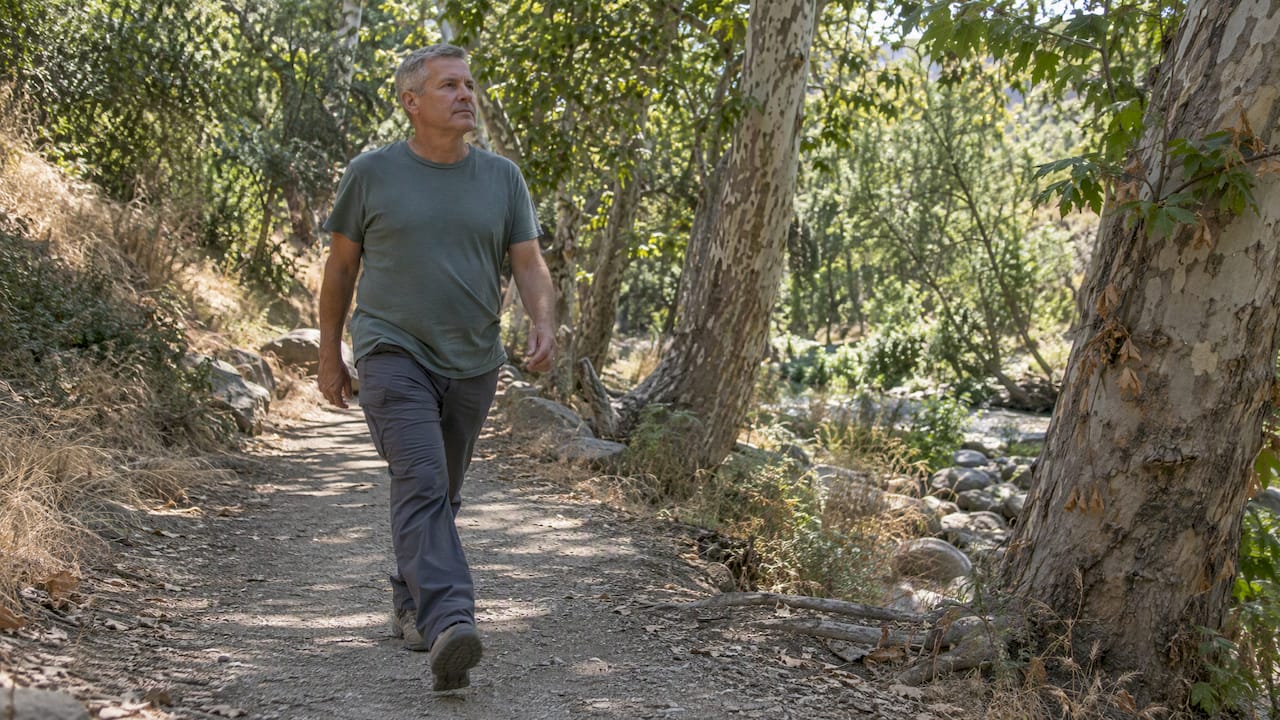
If you’re comfortable with more elevation, the fire roads above Hahamongna climb toward views of the watershed that most day visitors never see, since the disc golf course and main trails pull attention toward the flatter terrain. Bring more water than you think you need. There’s no shade once you’re above the tree line, and the climb back down is harder on tired legs than it looks going up.
None of these require a permit or reservation, which makes them a good backup plan when Eaton Canyon’s main lot fills up on weekend mornings, a common occurrence by mid-morning in spring and early summer.
7. Local festivals that still feel like insider knowledge
Pasadena’s biggest event needs no introduction, but the smaller seasonal gatherings around the city are where the local flavor really shows. Neighborhood art walks timed to specific weekends throughout the year let you see murals and installations alongside pop-up vendors and live music, turning a self-guided walk into a scheduled event.
Garden-focused open days at smaller sites, including occasional extended hours at places like Storrier Stearns, give visitors access windows that don’t exist the rest of the year. These dates shift annually, so checking a venue’s own page close to your travel dates beats relying on a general calendar.
Smaller craft and food markets pop up seasonally in different neighborhoods, often timed to coincide with weather that makes outdoor browsing comfortable, generally spring and fall. These tend to draw more locals than tourists, which is exactly the point if you’re trying to get past the standard visitor experience.
8. Boutique shops and artisan markets worth a detour
Pasadena’s shopping scene outside the big commercial strips leans toward small, specific shops rather than chains. A few categories consistently draw locals back.
Independent bookstores tucked into side streets often carry a curated selection that rewards slow browsing rather than quick in-and-out trips. Vintage and antique shops scattered through the city’s older commercial blocks attract regulars who check in for new inventory rather than tourists passing through once.
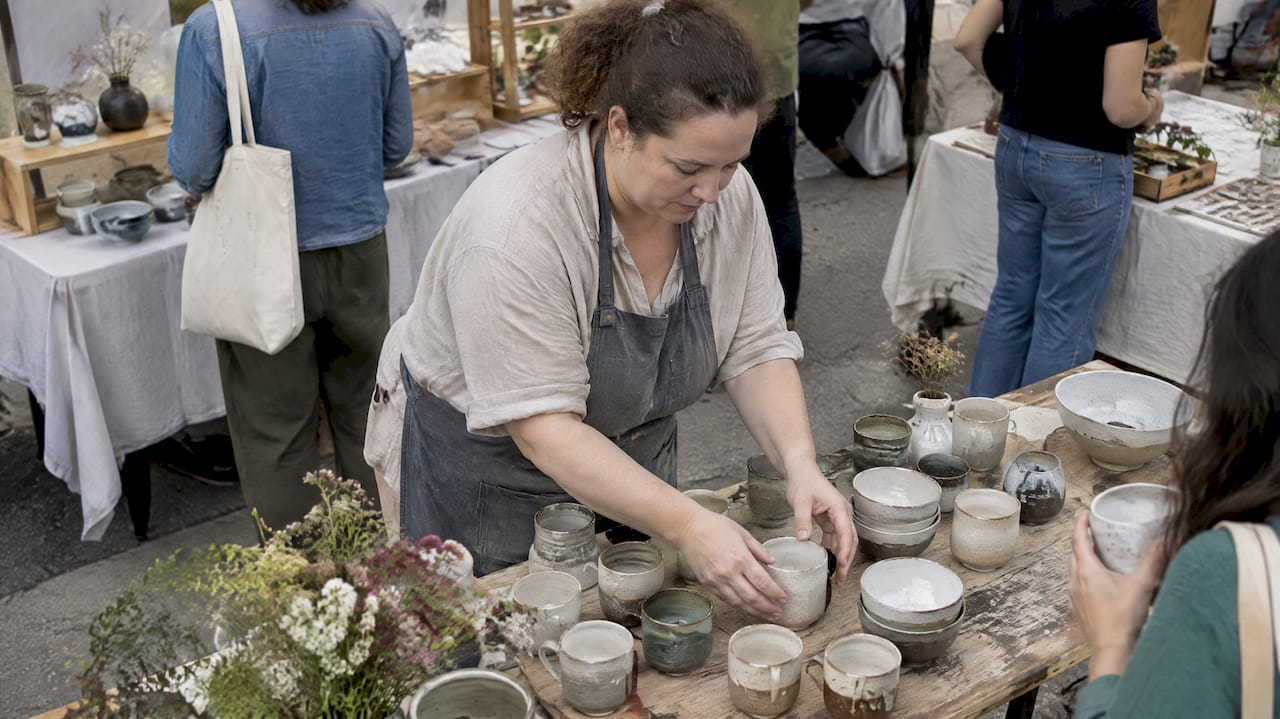
Small artisan markets, often seasonal or monthly rather than permanent, bring together local makers selling everything from ceramics to small-batch food products. These tend to cluster near the same neighborhoods that host the public-art walks, so pairing a market visit with a mural loop makes efficient use of an afternoon. Checking a shop’s hours before heading over matters more here than at bigger retail districts, since many of these smaller businesses keep limited or seasonal schedules.
9. Historic architecture most visitors walk right past
Pasadena’s architectural history goes well beyond the handful of landmarks that make every list. Residential neighborhoods throughout the city hold examples of early twentieth century design that are fully visible from the sidewalk, no ticket or tour required.
The same historic district documentation that covers Upper Busch Gardens also points to a broader pattern across Pasadena: significant architectural and landscape history sitting quietly inside residential blocks rather than roped off as formal attractions. Walking these streets slowly, camera ready, turns up details that a quick drive-through misses entirely, from original ironwork to landscaping choices that have survived nearly a century.
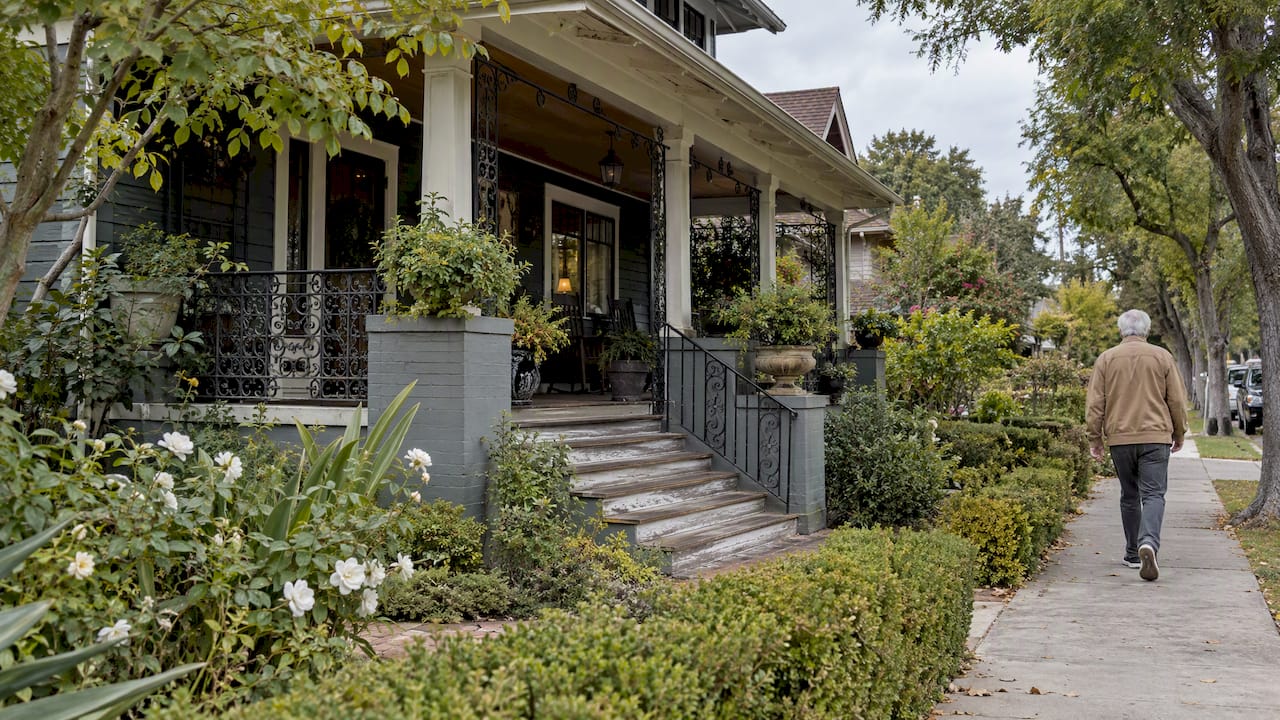
The caution that applies to Upper Busch Gardens applies broadly here too. These are private homes, and the history is best appreciated from the street. A slow walk through the right block does more for you than any single landmark visit, since you’re seeing the architectural range of an era rather than one isolated example.
Why community-sourced guides matter more than you think
I’ve found that the best Pasadena recommendations rarely come from a single authoritative list. They come from people who live nearby, notice the parking window that actually works, and know which garden gate opens early on a quiet Tuesday. That’s the gap a community-driven guide fills: it catches the small, practical detail that keeps a visit from turning into a hassle.
Off-the-beaten-path spots also matter for a reason beyond convenience. Visiting them spreads interest, and attention, away from a handful of overrun sites and toward the neighborhoods and small nonprofits actually maintaining these places. If you’ve got a favorite spot that didn’t make this list, share it with SoCal Sights. These guides get better with every local tip added.
— Joshua
Want your business featured in guides like this one?
SoCal Sights builds its guides from the same community-driven approach you just read through: local recommendations, verified details, and a focus on the spots that don’t show up in every generic travel list. If you run a café, shop, or venue near any of the spots above, or anywhere else in Southern California, getting featured in a guide like this one puts you in front of readers actively looking for exactly what you offer.

Through Advertise With SoCal Sights, local businesses and event organizers can get featured placement and promotion built around real visitor intent rather than generic ad space.
- Featured listings put your business in front of readers planning an actual visit.
- Membership options are available directly through the advertising platform’s site.
- Pricing details are available on request through the advertising platform’s membership page.
Check out the membership page to see how it works for your business.
FAQ
What celebrity lives in Pasadena, CA?
Pasadena is known for attracting some well-known residents over the years, though specific current residents aren’t publicly listed in a way this guide can verify. The city’s historic neighborhoods, including areas near Millionaire’s Row, have long drawn high-profile homeowners drawn to the area’s architecture and privacy.
Where is Millionaire’s Row in Pasadena?
Millionaire’s Row refers to a historic stretch of Orange Grove Boulevard once lined with large estates built by wealthy families. Many of those original estates are gone today, though some architectural remnants and the broader historic district context survive in areas like Upper Busch Gardens.
What is Pasadena, CA famous for?
Pasadena is best known for its annual Rose Parade and the historic architecture scattered through its older neighborhoods. Beyond that, it holds a dense cluster of small gardens, museums, and public art that reward visitors willing to go past the main tourist stops.
What are some of the top attractions in Pasadena?
Beyond the well-known sites, Pasadena’s top lesser-known attractions include Arlington Garden, Hahamongna Watershed Park, Storrier Stearns Japanese Garden, and the Caltech CHATS architecture tour. Each offers a different kind of visit, from quiet garden strolls to a guided walk through campus history.
Do I need a reservation for Storrier Stearns Japanese Garden?
Storrier Stearns Japanese Garden operates by appointment or during scheduled hours rather than as a walk-in attraction, so checking ahead before visiting matters. Parking is limited in the surrounding residential area, so early arrival helps avoid conflicts with neighbors.
Sources
- Hahamongna Watershed Park – Parks • Recreation • Community Services
- About | Arlington Garden in Pasadena
- Campus history & architectural tour — Caltech