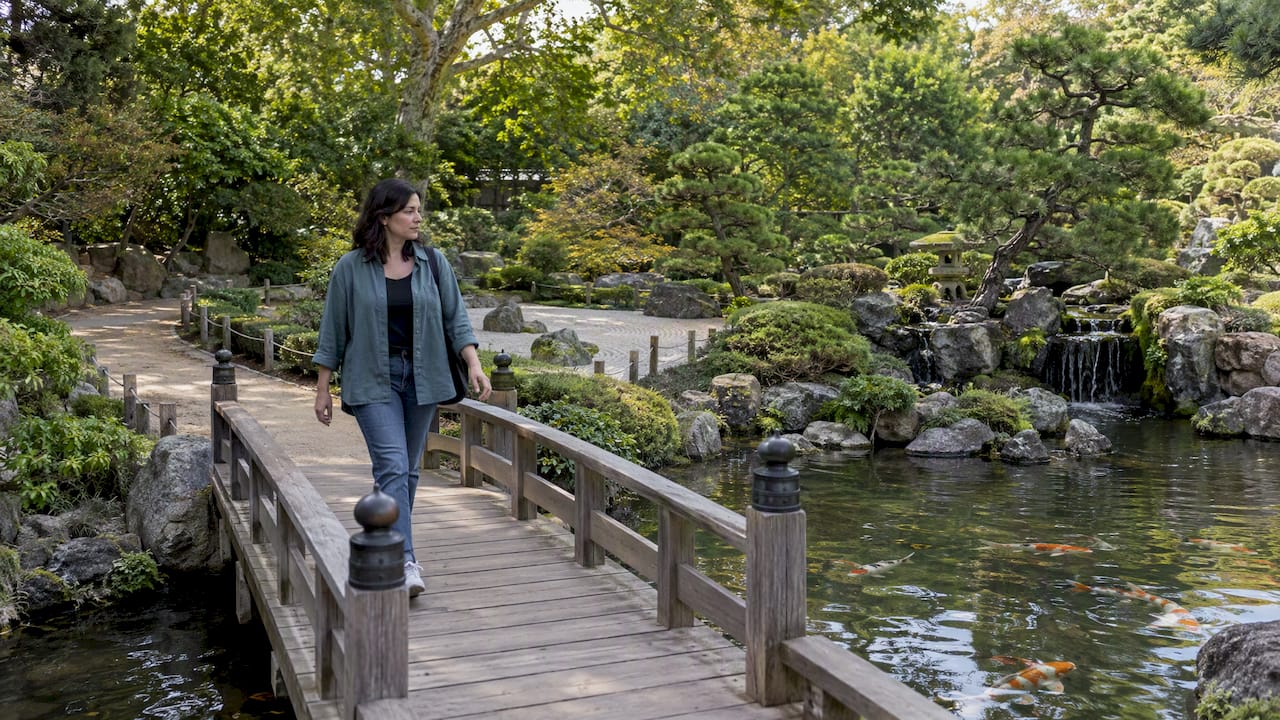
For a peaceful tea house stroll, head to the Japanese Garden (SuihoEn) in Van Nuys. For sprawling grounds and photography, Huntington is tough to beat. For rare access to a design treasure, Storrier Stearns delivers, and for community events tied to the Japanese American calendar, Little Tokyo’s JACCC and nearby JAPAN HOUSE LA round things out. We’ve got the hours, admission, and transit details below so you can pick fast.
TL;DR:
- SuihoEn in Van Nuys charges $5 for general admission and closes on Fridays, Saturdays, and within 24 hours of rain, affecting weekend visits.
- The Huntington’s Japanese garden is part of a larger estate requiring advance timed tickets, with availability and pricing varying seasonally.
- Storrier Stearns Japanese Garden in Pasadena is only open on limited days or through reservations, requiring prior confirmation for visits.
- Visiting festivals like Nisei Week or Tanabata at the Japanese American Cultural & Community Center enhances the cultural experience; check event dates beforehand.
- Parking and transit details vary by garden, with SuihoEn offering on-site parking and Little Tokyo gardens often paired with nearby cultural attractions.
Table of Contents
- 1. The Best Japanese Gardens in Los Angeles at a Glance
- 2. What to Expect at Each Garden: Hours, Admission, and Access
- 3. Festivals and Events Tied to Japanese Gardens and Culture
- 4. How to Choose the Right Garden for Your Visit
- 5. Our Local Tips for Getting There and Pairing Your Visit
- 6. Why These Gardens Matter Beyond the Scenery
- 7. Plan Your Next SoCal Garden Day With Us
- FAQ
- Sources
1. The Best Japanese Gardens in Los Angeles at a Glance
Here’s our quick-scan list before you dive into the full details. Each one serves a different kind of visit, so match the garden to your mood and your schedule.
- The Japanese Garden (SuihoEn), Van Nuys: best for a quiet, affordable wet-strolling garden with a tea house; closed Fridays, Saturdays, and after rain.
- Huntington Library, Art Museum & Botanical Gardens: best for large grounds and photography, but timed-entry tickets usually need advance booking.
- Storrier Stearns Japanese Garden, Pasadena: best for design lovers who can plan around limited public open days or events.
- Descanso Gardens: best for seasonal blooms, especially camellias, within a broader botanical garden setting.
- Earl Burns Miller Japanese Garden, Long Beach: best for a compact, college-campus escape with koi and a teahouse.
- James Irvine Japanese Garden, Little Tokyo: best for pairing a garden stop with downtown culture and community events.
- Kyoto Gardens, Little Tokyo area: best for a convenient, low-key garden stop near hotels and restaurants.
Full profiles with hours, admission, and access notes follow in the next section.
2. What to Expect at Each Garden: Hours, Admission, and Access
Each of these gardens has its own rhythm, so check the specifics before you go. Here’s what we found for each one.
- The Japanese Garden (SuihoEn), Van Nuys: This garden blends a wet-strolling path, a tea house, and both dry Zen and wet features, according to the LA Sanitation & Environment page. General admission runs $5, with children age 3 and younger and seniors 62 and older at $3. The garden closes Fridays, Saturdays, City holidays, and within 24 hours of rain, with last entry at 3:15 pm and exit by 3:30 pm. Parking is available on-site near the Donald C. Tillman Water Reclamation Plant in Van Nuys.
- Huntington Library, Art Museum & Botanical Gardens: The grounds include a well-known Japanese garden section within a much larger estate of botanical collections. Tickets typically require advance, timed-entry purchase, so check the Huntington’s official site before you drive out, since availability and pricing shift by season.
- Storrier Stearns Japanese Garden, Pasadena: This nearly two-acre private garden and traditional teahouse carries real design pedigree, but it only opens to the public on limited days or through special events and reservations. If a specific open day matters to your trip, confirm it directly on the garden’s own site first.
- Descanso Gardens: Known for seasonal floral displays, especially camellias, Descanso includes a Japanese-style section within its broader botanical layout. It runs on a general admission and ticketing model, and the lineup of seasonal events changes, so check the official calendar for what’s blooming when you plan to visit.
- Earl Burns Miller Japanese Garden, Long Beach: Tucked into the Cal State Long Beach campus, this garden offers koi ponds, a teahouse, and a compact layout that makes for an easy, unhurried visit. Campus parking rules apply, so plan for a permit or visitor lot.
- James Irvine Japanese Garden, Little Tokyo: Known locally as “Seiryu-en” (Garden of the Clear Stream), this garden sits near the Japanese American Cultural & Community Center and works well as a short stop before or after downtown programming.
- Kyoto Gardens: This smaller garden space near Little Tokyo hotels gives visitors a convenient patch of greenery without a long drive, useful if you’re already downtown for food or culture.
For any garden without a confirmed public schedule here, treat the official site as the final word on hours and reservations before you head out.
3. Festivals and Events Tied to Japanese Gardens and Culture
Garden visits get a lot more interesting when they overlap with Little Tokyo’s festival calendar. Nisei Week and the Tanabata Festival both center on the Japanese American Cultural & Community Center (JACCC) and draw heavily on community history and craft traditions.
- Nisei Week programming at JACCC includes cultural arts, exhibitions, and often free festival events within walking distance of Little Tokyo transit stops.
- The 2026 L.A. Tanabata Festival featured kazari displays and community workshops, giving visitors a hands-on look at Japanese craft traditions.
- Bonsai exhibitions and occasional Sunday garden openings pop up seasonally at smaller venues, so watch local event pages for dates.
- SuihoEn closes on City holidays and within 24 hours of rain, which can throw off a planned weekend visit if you don’t check ahead.
Confirm exact dates and ticketing on each event’s official page before building your itinerary around it.
4. How to Choose the Right Garden for Your Visit
Picking the right garden comes down to a handful of practical factors: how far you’re willing to drive, how much crowding you can tolerate, whether you care about programming or just quiet, your photography goals, your budget, and any accessibility needs. Run through this checklist before you go.
- Confirm the garden’s current hours and any weekday closures.
- Check whether reservations or timed-entry tickets are required.
- Look up the weather forecast, since rain closes SuihoEn for 24 hours.
- Plan your parking or transit route in advance.
- Verify whether restrooms, tea house access, or seating are available on-site.
Pro Tip: Visit smaller gardens early on a weekday for the best light and fewest people, then save festival weekends for the larger cultural centers where crowds are part of the experience.
5. Our Local Tips for Getting There and Pairing Your Visit
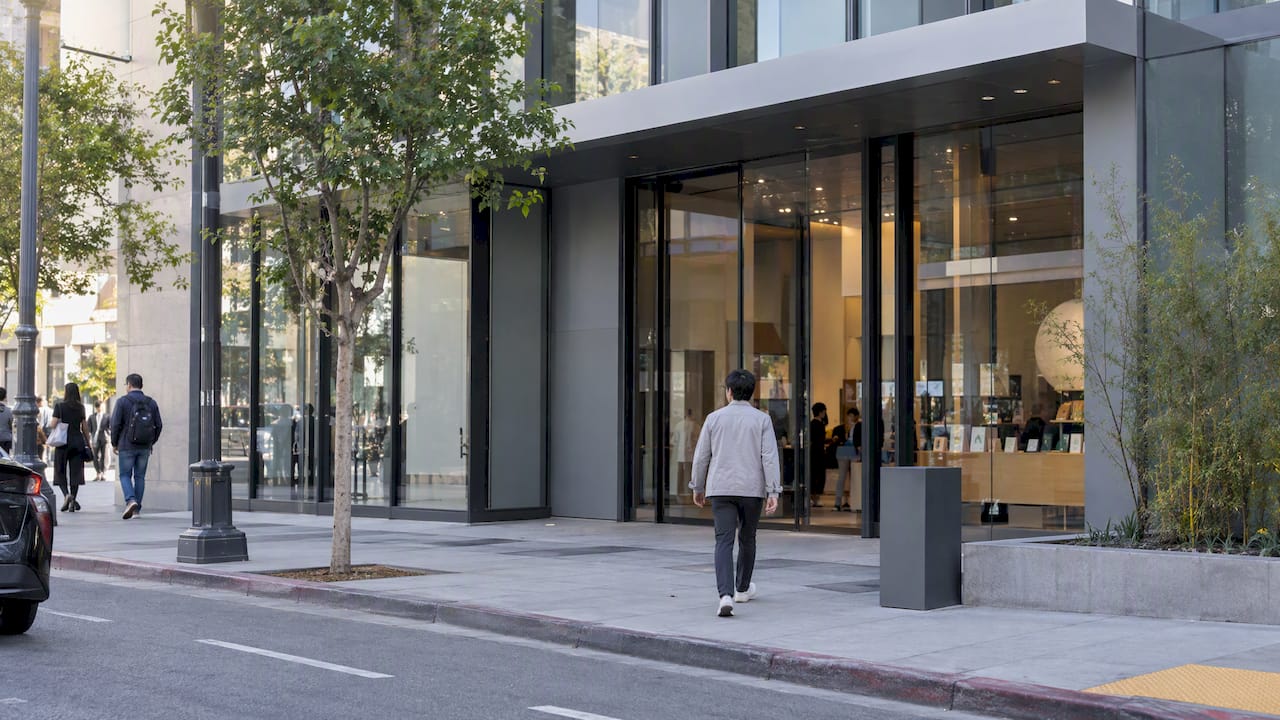
Parking at SuihoEn is easiest on weekday mornings, and Little Tokyo gardens pair naturally with a stop at JAPAN HOUSE LA for exhibitions on Japanese food, art, and mindfulness. If you’re building a longer day, check our unique things to do in Los Angeles guide for nearby stops worth adding.
6. Why These Gardens Matter Beyond the Scenery
These gardens carry real Japanese American community history, not just aesthetics. Festivals like Nisei Week and Tanabata keep that history active, so visit with the same respect you’d bring to any living cultural space.
— Joshua
7. Plan Your Next SoCal Garden Day With Us
We provide guides to help you find reliable details so you can enjoy your day out more easily. If you run a local business or want your event featured alongside guides like this one, our membership and advertising page walks through how that works.

| Garden type | Best for | Typical cost |
|---|---|---|
| SuihoEn (Van Nuys) | Quiet strolling and tea house | $5 general, $3 children/seniors |
| Huntington gardens | Photography and large grounds | Timed-entry ticket, check official site |
| Little Tokyo gardens | Culture and events | Free to low-cost, varies by site |
FAQ
What are the three most famous gardens in Japan?
Japan’s three classical “great gardens” are Kenrokuen, Korakuen, and Kairakuen, each a large strolling garden built around a central pond and walking circuit, as described by Japan Guide. These gardens shaped the strolling-garden style you’ll recognize in several Los Angeles gardens, including SuihoEn’s wet-strolling layout.
Are the Japanese gardens in LA free?
Some are free to enter, while others charge a modest admission. SuihoEn in Van Nuys charges $5 general admission, with children and seniors at $3, while larger estates like the Huntington run on a separate ticketed model.
Does California have a Japantown?
Yes, Little Tokyo in downtown Los Angeles functions as the region’s historic Japanese American cultural district, home to JACCC, JAPAN HOUSE LA, and annual festivals like Nisei Week and Tanabata. It remains a center for community programming and cultural events tied to Japanese American history.
What is considered the most beautiful garden?
Beauty in garden design is subjective, but Japan’s classical “three great gardens,” Kenrokuen, Korakuen, and Kairakuen, are widely cited as benchmarks for strolling garden design. Locally, the Huntington’s Japanese garden sections and SuihoEn’s wet-strolling layout each offer a different take on that same tradition.
How do I learn more about Japanese garden design?
For a deeper look at design elements like koi ponds and traditional layout choices, Koi Waters covers garden design and pond culture in detail. It’s a useful next stop if a visit leaves you curious about the craft behind what you saw.
Sources
- The Japanese Garden | LA Sanitation & Environment | City of Los Angeles
- 84th Annual Nisei Week @ JACCC | JACCC
- JAPAN HOUSE Los Angeles
- 2026 L.A. Tanabata Festival People’s Choice Winner Announced – Rafu Shimpo