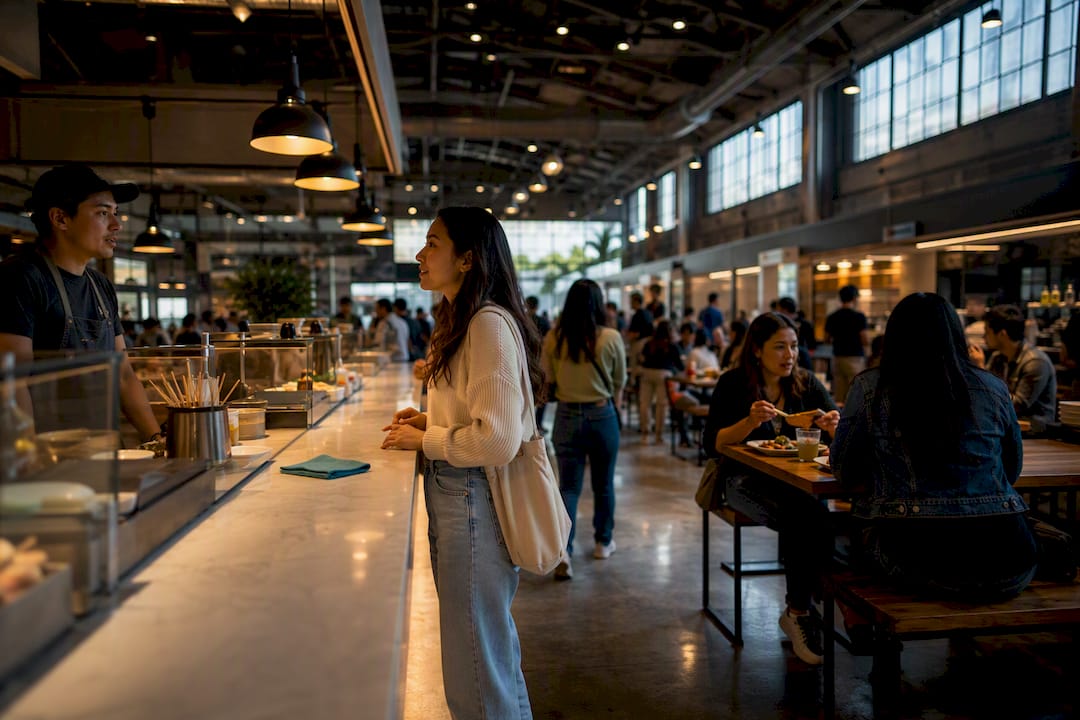
My six picks for Los Angeles food halls: Grand Central Market for downtown history and range, Mercado La Paloma for chef-driven community energy, BLVD MRKT for weekend party vibes, Rodeo 39 Public Market for family-friendly variety, The Hangar for Long Beach charm, and Blossom Market Hall for San Gabriel Valley discovery. Each one earns its spot for a different reason, and I’ll break down exactly why below.
TL;DR:
- Check vendor hours at Grand Central Market to ensure your preferred stalls are open when you visit.
- Mercado La Paloma offers chef-driven stalls with buzz-worthy recognition, making it ideal for culinary discovery.
- Visiting on weekdays and early afternoons helps to avoid crowds and shorter lines at most Los Angeles food halls.
- Parking and neighborhood transit vary widely; downtown halls often have limited parking compared to suburban options.
- Preparing a day around your food hall visit can include nearby attractions, affordable parking, and event calendars for a richer experience.
Table of Contents
- Which Los Angeles food halls should you actually visit?
- What should you expect walking into an LA food hall?
- How do you pick the right food hall for your visit?
- How do you make the most of your visit once you’re there?
- Why food halls matter beyond the meal
- A local’s take on food-hall hopping
- Plan a fuller day around your food-hall stop
- Sources
Which Los Angeles food halls should you actually visit?
I’ve spent enough Saturdays wandering these spaces to know they’re not interchangeable. Each one has its own personality, crowd, and reason to exist.
-
Grand Central Market is the granddaddy of them all, running since 1917 and still pulling together independent merchants and artisans under one downtown roof. It’s the pick when you want maximum variety in one stop, from Eggslut’s breakfast sandwiches to decades-old produce stalls. Because vendor hours vary by stall inside the market, check the specific vendor’s schedule before you make the trip for one dish.
-
Mercado La Paloma feels different the moment you walk in. It’s rooted in Mexican market tradition, run by a nonprofit, and stocked with chef-driven stalls that press coverage has connected to serious culinary recognition, including Michelin buzz. This is the spot for readers who want the “hidden gem that became a big deal” story.
-
BLVD MRKT in Anaheim brings the open-air party energy, with DJs and weekend programming that turns a meal into an event. Go here when you want the hall itself to be the destination, not just the food.
-
Rodeo 39 Public Market in Stanton is built for a mixed crowd, pairing a big vendor lineup with family-oriented attractions on site. If you’re wrangling kids or a group with wildly different cravings, this is your low-friction option.
-
The Hangar in Long Beach leans into local history with its name and setting, packing in a wide vendor roster inside a converted space. Southern California’s food hall scene consistently lists it among the region’s more ambitious multi-vendor projects.
-
Blossom Market Hall occupies a historic building in the San Gabriel Valley, and the setting alone makes it worth a detour. Expect a diverse vendor mix that reflects the neighborhood’s deep culinary roots.
Worth a mention outside the modern food hall wave: the Original Farmers Market at 3rd and Fairfax has operated as a market-style destination for generations, with merchant-specific hours and sit-down stalls that function a lot like today’s halls when you’re planning a visit.
What should you expect walking into an LA food hall?
Picture an open floor plan with a ring of vendor counters, shared communal seating, and a mix of quick-casual stalls next to the occasional splurge-worthy specialty spot. Nobody’s handing you a menu at a hostess stand. You walk the floor, pick your stalls, and order directly.
Price bands stay approachable for most vendors: think $8 to $16 for a solid plate, with pricier specialty items (oysters, aged steaks, artisanal desserts) pushing higher. Cuisine variety is the whole point here, and most halls now stock at least a few vegetarian, vegan, or allergen-conscious options among the stalls.
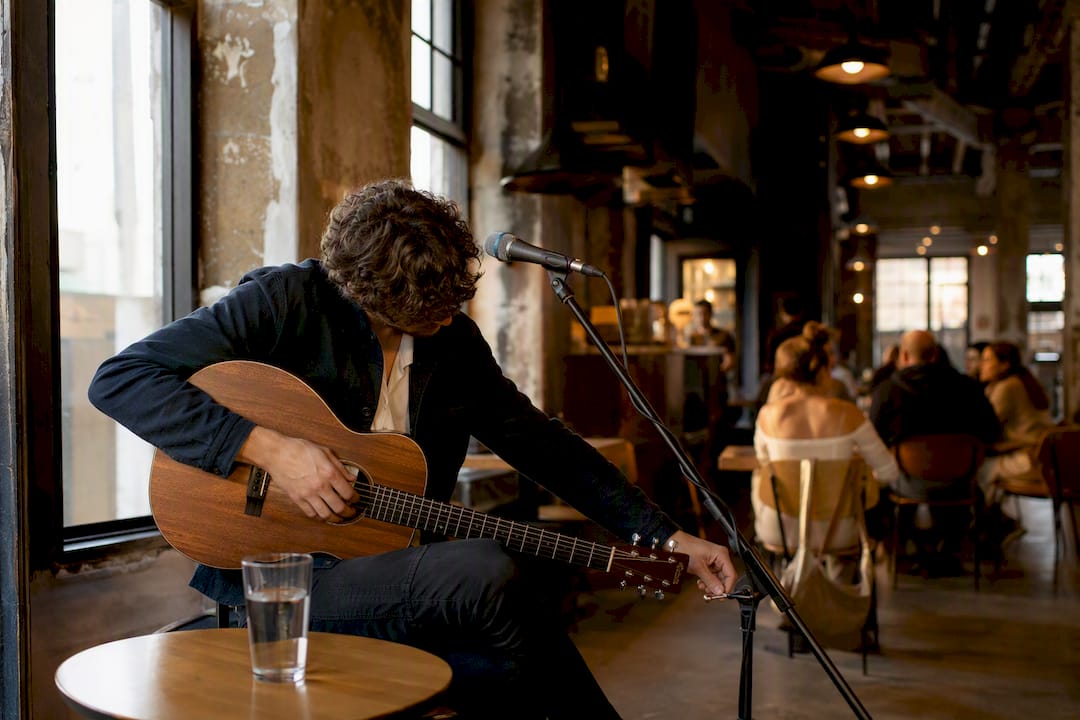
Amenities have caught up too. Beer and wine service, outdoor patios, and recurring event programming like vinyl nights and live music now show up at halls across the region, turning a lunch stop into something closer to a small festival. Some spaces, like The Hangar, sit in repurposed historic buildings, which adds a layer of local character you won’t get at a standard restaurant row.
How do you pick the right food hall for your visit?
Not every hall fits every mood. Run through this checklist before you commit to one:
- Match the hall to your intent. A date night calls for BLVD MRKT’s evening energy; a family outing points toward Rodeo 39’s kid-friendly layout; solo tasting missions favor Grand Central Market’s sheer stall count.
- Check transit, parking, and neighborhood feel. Downtown LA parking near Grand Central Market fills fast on weekends, while suburban halls like Rodeo 39 usually offer easier lots.
- Scan the vendor roster for standouts. Mercado La Paloma’s chef-driven stalls are worth researching by name before you go, since some have built real culinary reputations.
- Compare weekday versus weekend hours. Weekends bring bigger crowds and more programming; weekdays bring shorter lines and calmer seating.
- Filter by budget and dietary needs. Most halls post vendor lists online, so you can confirm vegetarian, vegan, or allergen-friendly options before you leave the house.
Pro Tip: If you’re chasing one specific vendor rather than the hall experience overall, call or check that vendor’s own posted hours. Halls run on a shared schedule, but individual stalls inside can open late, close early, or take random days off.
How do you make the most of your visit once you’re there?
Timing changes everything at a busy hall. Here’s how to visit smarter, not just hungrier:
- Go on a weekday morning or early afternoon to dodge the worst lines, since weekday visits consistently beat weekend crowds at popular halls.
- Order directly at the stall counter, and check if the vendor offers mobile pre-ordering for pickup, since some busier counters now support it.
- Grab a seat before you order if the hall looks crowded, then split up your group to hit different stalls at once.
- Bring cash as backup, even though most vendors take cards, since a handful of smaller stalls still run cash-preferred.
- Check the event calendar before you drive over. A DJ set, live music night, or themed pop-up can turn a routine visit into the reason you came in the first place.
- Look up parking specifics for your target hall, since downtown lots differ wildly in price from suburban surface lots at places like Rodeo 39.
Why food halls matter beyond the meal
Food halls do more than feed people — they help you meet locals when traveling and experience authentic community culture. They’re quietly rebuilding neighborhoods. Many occupy repurposed buildings that were once vacant factories, storefronts, or fraternal lodges, and filling that space with a dozen small businesses keeps money circulating locally instead of flowing to a single chain restaurant.
Mercado La Paloma shows the clearest version of this effect. It’s a nonprofit-run space that’s given small, often family-run food businesses a stage to prove themselves, and some of those vendors have gone on to earn serious culinary recognition. That’s the real promise of a food hall stall: low overhead, real foot traffic, and a shot at building a following before ever opening a standalone restaurant.
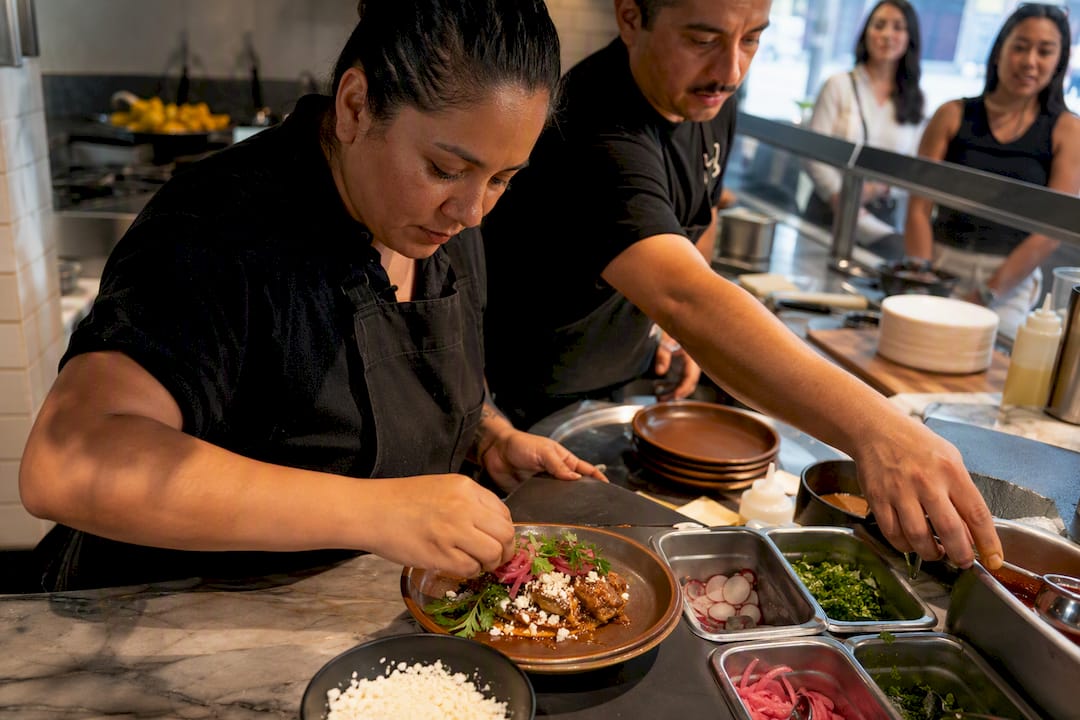
The event programming layered on top, from art shows to live sets, turns these spaces into genuine cultural hubs rather than glorified food courts. That’s the difference between a place you eat and a place you actually want to spend your afternoon.
A local’s take on food-hall hopping
I’ll say the unpopular thing: the “best” food hall isn’t the one with the longest Instagram queue, it’s the one that fits what you’re actually craving that day. Mercado La Paloma rewards people willing to research vendors ahead of time. Grand Central Market rewards people who just want to wander and pick something that smells good.
Pair a visit with something nearby. Grand Central Market sits close to plenty of solid photo-worthy spots if you want to stretch the afternoon, and a coffee crawl through downtown makes a natural bookend before or after you eat, using our guide to Los Angeles coffee spots. If you’ve found a vendor worth the drive that we haven’t covered, tell us. This platform incorporates tips from people who visit these locations.
— Joshua
Plan a fuller day around your food-hall stop
Some platforms offer alternatives to scrolling five different apps trying to piece together a day in LA. Some sources provide information on which food hall pairs well with which neighborhood walk, which parking lot costs less, and which weekend event calendar is worth checking.

If you liked how this shortlist worked, our guide to fun activities near you does the same thing for an entire day out, not just a meal. Pull it up, pick your neighborhood, and build a plan that starts at a food hall and doesn’t leave you guessing what to do next.
Sources
Verify hours and vendor lists directly with the venues before you go: Grand Central Market, Mercado La Paloma’s vendor guide, and the Original Farmers Market. For broader regional coverage, see Discover Los Angeles’s food hall guide and LAist’s roundup of Southern California halls. Pair your visit with our offbeat LA activities guide for neighborhood context.
- The guide to Los Angeles food halls and marketplaces
- A Guide to The Best Bite at Every Spot in Mercado La Paloma ~ L.A. TACO
- 4 food halls in southern California serving up more than just good eats
- Grand Central Market