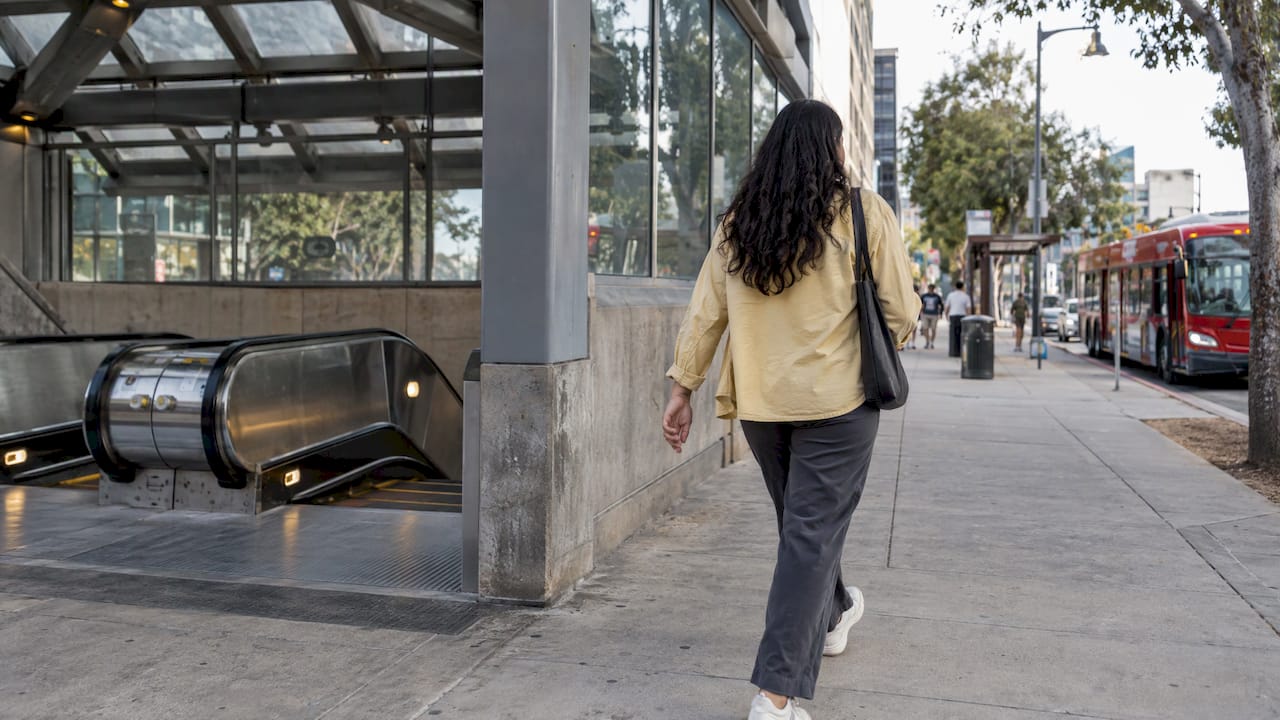
Yes, you can do Los Angeles without a car, and you can have a great time doing it. The trick is to stop treating LA as one giant city and start treating it as a handful of walkable pockets linked by Metro. Pick two or three neighborhoods per day, ride between them, and let your feet do the rest. Metro’s published single fare is $1.75, and fare capping means you never pay more than $5 in a day, so a full day of hopping around costs less than a sandwich.
I love this way of seeing the city because the best spots in SoCal tend to sit on foot-friendly streets anyway: a taco counter two blocks from a station, a mural alley behind a coffee shop, a food hall you’d drive past at 35 mph. Here’s how to set it up.
TL;DR
- You don’t need a car to visit LA if you base yourself near a Metro rail line and cluster your days by neighborhood.
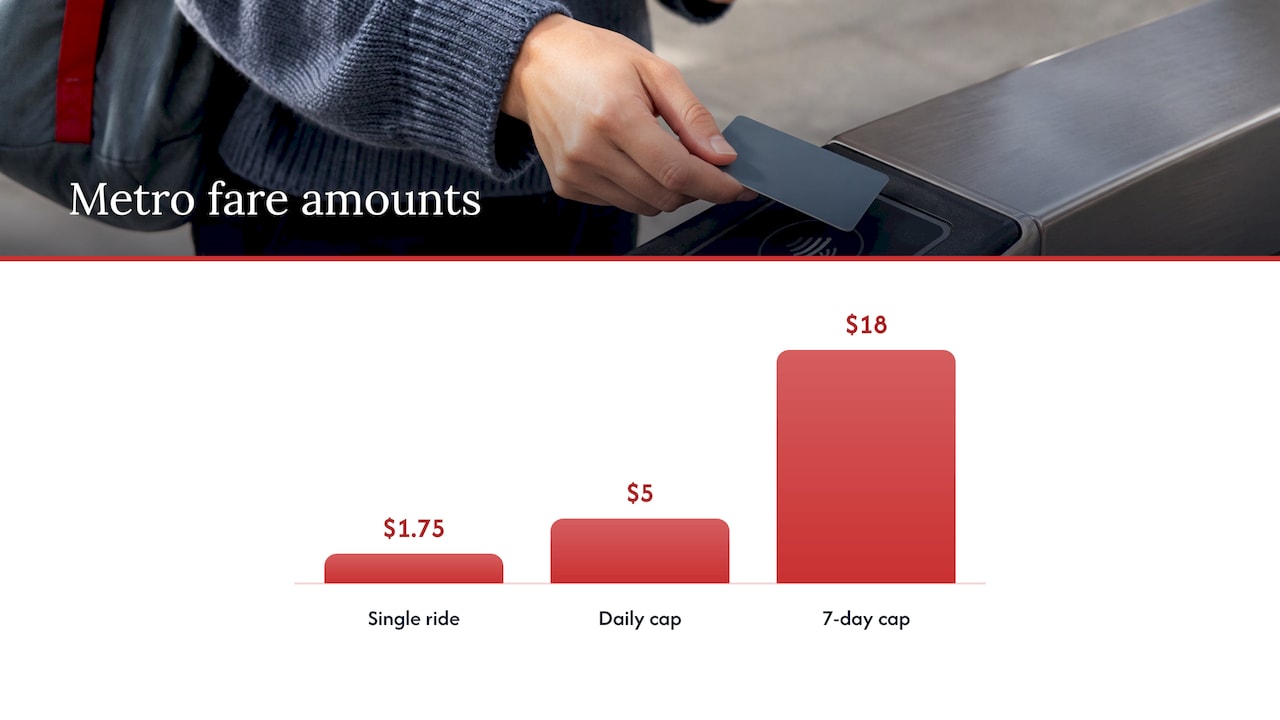
- Metro’s fare is $1.75 per ride with a daily cap of $5 and a weekly cap of $18 when you pay with a TAP card, and transfers are free within two hours.
- Little Tokyo, Downtown, Santa Monica and Hollywood are the easiest places to start; the LAX/Metro Transit Center connects the airport to the rail system.
- Add buses, DASH shuttles, bike share and the occasional rideshare to fill gaps instead of trying to cover everything on one mode.
- Plan around food, art and sunsets you can reach on foot from a stop, and check live schedules before you head out.
Table of Contents
- So, do you really need a car in Los Angeles?
- The tools you’ll use: Metro, buses, DASH and bikes
- How fares work (and how to pay less than you’d think)
- Getting in from the airport
- Neighborhoods that make car-free easy
- A sample car-free day: Downtown and Little Tokyo
- Car-free ways to eat, wander and find the good stuff
- Mistakes that trip up car-free travelers
- Our take on going car free
- Want to reach car-free visitors?
- Beyond the city: day trips without a car
- FAQ
- Sources
So, do you really need a car in Los Angeles?
Not as a visitor, and not if you choose your home base wisely. LA’s reputation comes from its size: Los Angeles County is served by Metro with buses, rail, bike share, on-demand vans and more, but the system works best when you stay on its spine and don’t try to see Malibu, Pasadena and Long Beach in a single afternoon.
What a car gives you is range. What going without gives you is a better pace. You see murals, notice the smell of a bakery, wander into a shop you didn’t plan on, and you never circle a block looking for parking. For a first trip of three to five days, I’d choose the no-car version every time, as long as you accept a simple rule: fewer neighborhoods, more depth.
A few honest expectations:
- Distances are real. Even with good transit, hopping from one end of the county to the other takes a while. Keep each day to a corridor.
- Evenings need a plan. Look up the last departure for your line before dinner, not after.
- Some places are easier than others. Beach, hiking trailheads and canyon spots may need a longer bus ride or a rideshare. That’s fine, it’s one leg, not the whole trip.
The tools you’ll use: Metro, buses, DASH and bikes
Metro calls itself a mix of options, and that’s the right way to think about it. According to the official Ride Metro page, the system includes Metro Bus, Metro Rail, Metro Bike, Metro Micro (an on-demand van service in select zones), park-and-ride lots, rideshare programs and Access Services for riders with disabilities.
Rail for the long hops
Rail is the backbone for visitors. It’s predictable, it avoids traffic, and stations tend to sit in the middle of places worth visiting. Use the lines to get between your neighborhood bases, then switch to walking.
Buses and DASH for the last mile
Buses fill in everything rail doesn’t reach. Within the city, the LADOT DASH shuttle covers downtown and 27 neighborhoods. LADOT lists the fare at 50 cents cash or 35 cents with a TAP card, with lower fares for seniors and riders with disabilities, which makes it one of the cheapest ways to bridge a short gap.
Bikes for flat stretches
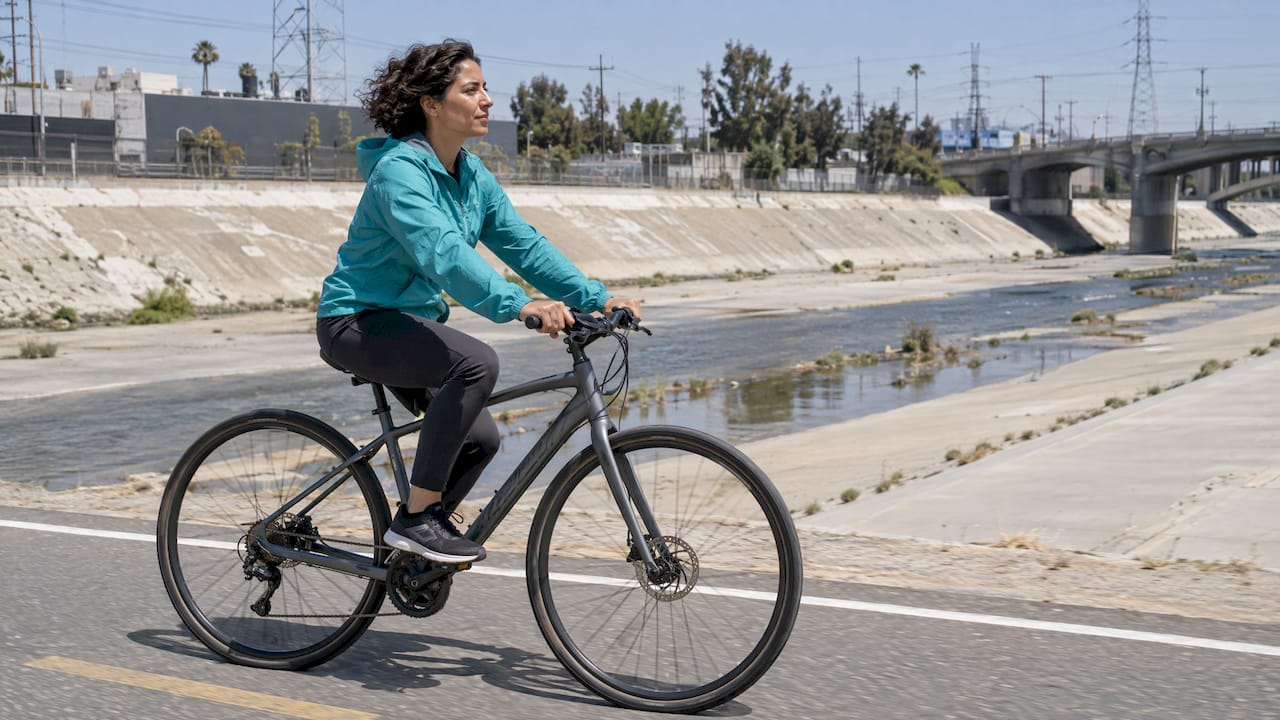
Metro Bike share stations sit near many rail stops, and the flat coastal and river paths are some of the nicest ways to see the city at a slower speed. If you want a route that’s actually ride-ready, our guide to the best bike paths in Los Angeles sorts them by where they start and what you’ll pass.
Rideshare for the odd leg
Use it sparingly: late at night after the last train, or to reach a trailhead or beach spot that transit skips. One short ride in a day is a lot cheaper than renting a car for the whole trip.
How fares work (and how to pay less than you’d think)
Get a TAP card, the reloadable fare card used across LA-area transit, and load some money on it. Tap on each time you board. Here’s what the official Metro page says about the basics:
| What | Metro’s published fare |
|---|---|
| Single ride | $1.75 |
| Daily cap | $5 |
| 7-day cap | $18 |
| Transfers | Free within two hours of tapping to ride |
Fare capping is the part I like best. You tap every time and never have to think about whether a day pass is worth it, because the system stops charging you once you hit the cap. Fares can change, so glance at the Metro page before your trip to confirm the current numbers.
A tip I’d steal from other travelers: keep a little extra value on your card. Hilton’s travel editors, in a car-free LAX guide, suggest keeping spare balance in case you need to transfer between agencies, since some systems outside Metro have their own fares.
Getting in from the airport
Your first trip is the one that scares people, and it’s easier than it looks. The free LAX terminal shuttle runs about every 10 minutes to the LAX/Metro Transit Center, where you can catch rail. The same guide describes the center as a hub with restrooms, real-time arrival screens and clear signage, which is exactly what you want after a long flight.
For the way back, the guide points riders to the E Line to Expo/Crenshaw and then a K Line transfer toward the airport. Check the Metro or Transit app for real-time alerts before you leave, because service changes happen.
If you’re traveling with a school group, a team or a big family and want help building the schedule, this Los Angeles group travel planning page covers itinerary coordination for groups.
Neighborhoods that make car-free easy
Pick a base where a station is a short walk from lunch, a museum and a place to get coffee. Here are the ones I’d start with.
Little Tokyo and the Arts District
This is a gold-standard car-free spot. The Little Tokyo Community Council describes it as one of LA’s most walkable, easily accessible neighborhoods. The Little Tokyo/Arts District Station on the A and E lines sits across from the Japanese American National Museum, a few blocks from the B Line station, with bike share and bus stops throughout. You can get off the train, eat ramen, browse a mochi shop, walk to the Arts District for galleries and be back on a train without ever thinking about a parking garage.
Downtown
Downtown has the densest cluster of stations, so it’s the easiest base if you want to roam. Food halls, historic theaters and murals are within a short walk or a quick ride of each other. Our picks of Los Angeles food halls are a natural lunch plan, and the mural routes work well on foot.
Santa Monica to Hollywood
These two have a lot of walking character on their own, and rail and bus links make them realistic for one-way trips in the same day. Plan one as your morning and the other as your evening instead of bouncing back and forth.
Long Beach and Pasadena
Both are their own little cities with walkable centers and rail access. Treat each as a whole-day outing. If you want ideas once you arrive, see our Long Beach hidden gems and Pasadena hidden gems.
A sample car-free day: Downtown and Little Tokyo
Here’s a day I’d happily send a friend on. Adjust it to your own pace.
- Morning: Ride into Little Tokyo and start with coffee and a pastry. Walk the main streets, pop into the museum and the small shops.
- Midday: Walk to the Arts District for lunch and gallery hopping. Keep your TAP card handy in case you want a short bus hop.
- Afternoon: Head Downtown for a food hall snack and a stroll past murals and old theaters.
- Evening: Check the last departure for your line, then pick a dinner spot near the station you’ll use to get home.
Total transit cost if you tap each time: no more than the $5 daily cap, per Metro’s published fare rules.
Car-free ways to eat, wander and find the good stuff
This is where the fun is. When you’re not behind the wheel, you notice things. A few ways to build days around what you love:
- Food: Pick a station, then search for food within a 10 to 15 minute walk. Food halls are great for this because you can sample several kitchens in one stop, and our food hall guide shows what to order. For something sweet, our dessert spot list tells you exactly what to get.
- Coffee: It’s the best excuse to explore a neighborhood on foot. Our neighborhood coffee guide can anchor a morning.
- Art: Gallery districts are built for walking. See where and when in our LA art walks guide.
- Nights out: Night markets and outdoor movies are fun without a car, but check your ride home before you settle in.
- Sunsets: Our sunset spots with parking and transit tips tell you which views work if you’re on a bus or a train.
- Offbeat stuff: For the quirky side of the city, try 15 unique things to do in Los Angeles.
Mistakes that trip up car-free travelers
A few things go wrong again and again:
- Over-planning. Three neighborhoods in a day sounds fine until you factor in transfers. Two is plenty.
- Skipping the app. Real-time arrival information turns waiting from a gamble into a plan. Metro and Transit, the app mentioned in the airport guide above, both show real-time alerts.
- Forgetting the return trip. Know your last departure and a backup before you commit to a late dinner.
- Staying far from a station. A cheaper hotel or rental that’s 30 minutes from the nearest line costs you time every single day. Check the map first.
- Trying to see everything. LA rewards depth. Saving Malibu or the mountains for another trip is part of the plan.
Our take on going car free
Here’s how we see it. Southern California is easy to write off as a place you can only enjoy from a driver’s seat, and that’s the exact reason so many great spots get missed. The places locals talk about, a family-run counter, a mural down an alley, a night market that only runs on certain evenings, are often best discovered on foot.
That’s what SoCal Sights is built around: hidden gems and local favorites that mainstream guides tend to skip, with community-driven submissions from people who live here. When you slow down and travel by train, bus or bike, those places come into focus.
Our advice is simple. Choose a walkable base, pick one or two neighborhoods a day, and use our guides by county and by topic to fill in what’s worth stopping for. You’ll spend less, stress less and remember more.
Joshua
Want to reach car-free visitors?
If you run a local business or organize events in Southern California, the readers described above are exactly who walk in off a train. SoCal Sights offers advertising, featured placements and memberships for businesses and event organizers who want to reach visitors and locals looking for authentic experiences. Learn more on our advertising and membership page.

Beyond the city: day trips without a car
Once you’re comfortable with the basics, you can stretch your range. Think of it as one outing per trip, not per day. Our weekend getaways from Los Angeles list is useful for planning, and for a boat-based escape, the Catalina Island day trip guide lays out two itineraries. Hikers can start with the best hikes in Los Angeles, and should check how they’ll reach a trailhead before committing.
For trips outside Metro’s area, such as Orange County or the San Fernando Valley, look at our Orange County hidden gems under $20 and San Fernando Valley hidden gems. Confirm how you’ll get there on the transit agency’s own page first.
FAQ
Do you need a car to visit Los Angeles?
No. If you stay near a Metro rail line and group your days by neighborhood, buses, trains, DASH shuttles and bike share cover most of what first-time visitors want to see. Add a rideshare for the occasional late night or trailhead.
How much does it cost to ride Metro in LA?
Metro’s published fare is $1.75 per ride, capped at $5 per day and $18 over seven days, with free transfers within two hours when you tap to ride. Check the Metro page before your trip, since fares can change.
How do I get from LAX without a car?
Take the free LAX terminal shuttle to the LAX/Metro Transit Center, then continue by rail or bus. A Hilton travel guide says the shuttle runs about every 10 minutes. Use the Metro or Transit app for live alerts.
Which LA neighborhoods are best without a car?
Little Tokyo and the Arts District are a great start, with rail, bus and bike share nearby. Downtown, Santa Monica, Hollywood, Long Beach and Pasadena also work well when you treat each as its own outing.
Is DASH cheaper than Metro?
Yes. LADOT lists DASH at 50 cents cash or 35 cents with a TAP card, compared with Metro’s $1.75 single fare. DASH covers downtown and 27 neighborhoods, so it works best for short hops.
Sources
- Ride Metro, LA Metro
- Plan Your Visit, Little Tokyo Community Council
- Buses, Los Angeles Department of Transportation
- LAX Metro Transit Center Car-Free Guide, Hilton
- Los Angeles group travel planning