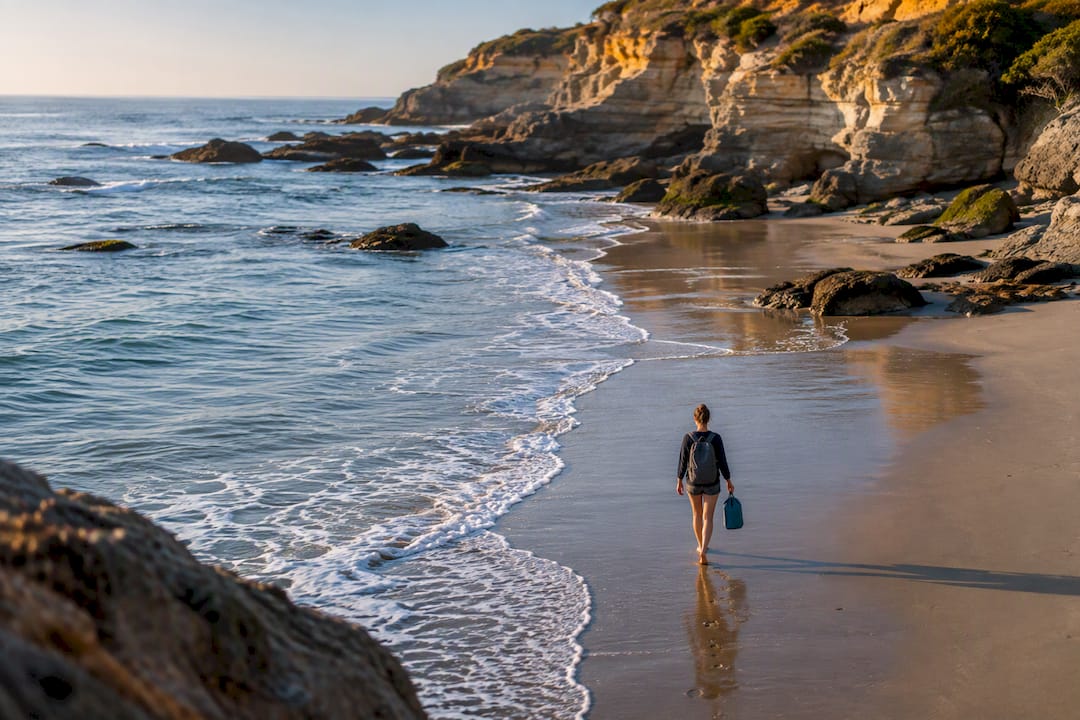
Hidden beaches in Southern California are typically small coves, cliff-backed inlets, and lesser-known state-park shores that require specific access knowledge and timing to enjoy quietly. You won’t find true solitude by luck. Pick one of the coves below, check the tide and parking notes, then show up early on a weekday or during the off-season. That combination beats any secret map.
TL;DR:
- Most hidden beaches require early weekday arrival and careful tide chart checks to avoid crowded or inaccessible conditions.
- Parking is limited or street-only, so arriving 30 to 60 minutes before desired beach time is essential for securing a spot.
- Coastal safety advice emphasizes staying at least 10 feet from bluff edges due to potential rockfalls, especially after rain.
- Tide pools at coves like Abalone Cove are rich with marine life, but access and timing depend heavily on tide conditions.
- Secret does not mean inaccessible; these spots stay quiet because they demand effort, timing, and local knowledge to reach.
Table of Contents
- 10 Hidden Beaches and Coves Worth the Extra Effort
- How to Actually Find Solitude: A SoCal Sights Local Guide
- Why I Still Check the Tide Chart Twice
- Let SoCal Sights Handle the Planning Legwork
- Sources
- FAQ
10 Hidden Beaches and Coves Worth the Extra Effort
Southern California’s coastline runs over 800 miles, and most of the crowds funnel into maybe a dozen beaches you’ve already heard of. The rest, the coves tucked behind bluffs or reached by a staircase most tourists never notice, stay quieter simply because getting there takes a little homework. Here are ten spots worth that homework.
1. Point Dume State Beach (Malibu, Los Angeles County)
Point Dume sits at the end of a headland with rocky coves and cliffside trails that most Pacific Coast Highway drivers cruise right past. Park at the top lot off Cliffside Drive for free two-hour parking, though spaces fill fast on weekends, since Westward Beach Road access to the lower lot can be limited. There are restrooms at the main lot but no lifeguard coverage on the cove side, so treat it as a self-supervised swim. Go at sunrise if you want the cove to yourself, and keep clear of the bluff edges. What makes it special: the whale-watching perch at the point overlooks a cove that barely gets mentioned outside surfer forums.
2. Pirate’s Cove (Corona del Mar, Orange County)
This rugged little cove sits below Lookout Point Park, reached by a staircase that drops you onto a slice of sand most Corona del Mar visitors skip entirely. Parking is street-only and tight, so arrive before 9 AM on weekdays. There are no restrooms or lifeguards at the cove itself, and the shoreline nearly disappears at high tide, with crowds building on hot summer afternoons, so check the tide chart before you commit to the stairs. What makes it special: it’s the kind of cove that feels private even though it’s minutes from Corona del Mar’s main strip.
3. Crystal Cove State Park (Newport/Corona del Mar Border, Orange County)
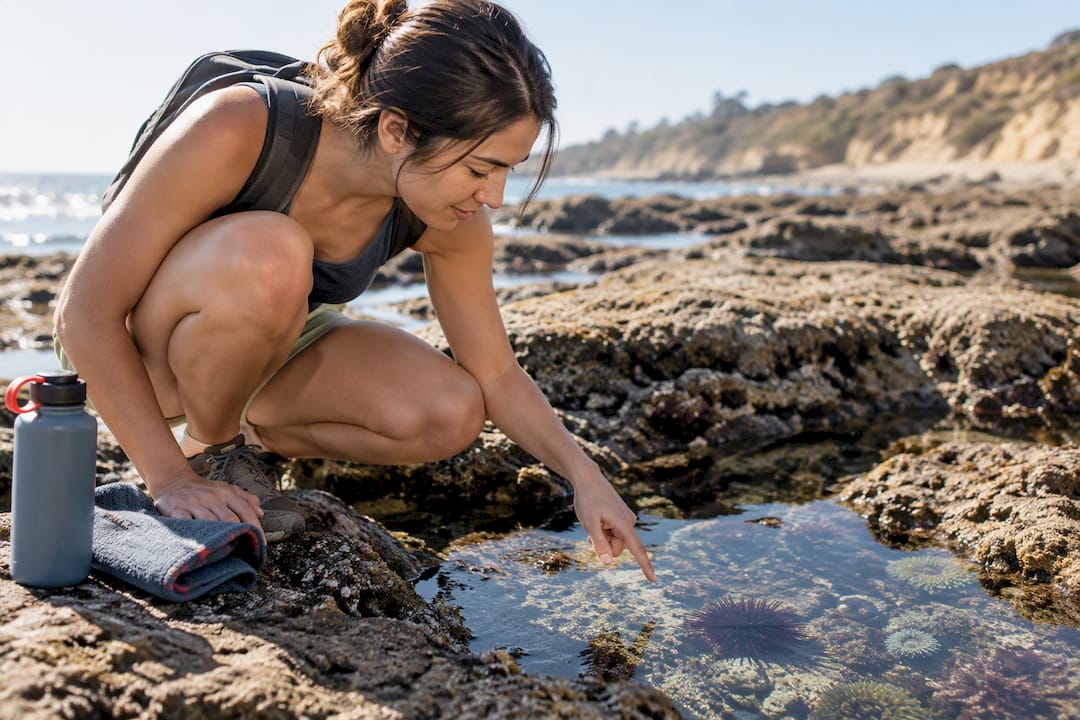
Crystal Cove protects over three miles of undeveloped shoreline, and the trick is walking past the main lot crowds toward the park’s northern or southern coves. Parking lots fill by midmorning on weekends, so a weekday visit or an early arrival matters more here than almost anywhere else on this list. Restrooms and lifeguards are stationed at the main beach access, but the quieter coves have neither, so bring your own water. What makes it special: tide pools along the rockier stretches make it one of the better spots on this list for actual marine life, not just scenery. If you’re planning a broader day out in the area, our Orange County hidden gems guide covers nearby stops for under $20.
4. San Onofre State Beach (San Diego County)
San Onofre preserves more than three miles of shoreline with multiple access points and trails, including the Bluffs and Trails sections, and it offers camping and picnic sites alongside lifeguard coverage in the main areas. The Trestles section draws surfers, but the Bluffs trails to the south stay noticeably calmer even on weekends. Parking requires a day-use fee at the state park entrance, and the walk down the bluff trail takes 10 to 15 minutes each way, so pace yourself. What makes it special: you can camp overnight here, which turns a quiet beach day into a genuinely quiet weekend.
5. Totuava Beach (Laguna Beach, Orange County)
Totuava is a small cove that locals treat as one of Laguna’s better-kept secrets, and public access is limited, often requiring a walk around adjacent rock points at low tide. There’s no dedicated parking lot, no restrooms, and no lifeguard, which is exactly why it stays quiet. Check tide charts before heading down, because the walk-around route can vanish within hours as the tide rises. What makes it special: at low tide, it feels like a private cove that just happens to be public. Our guide to Laguna Beach’s hidden coves breaks down the tide windows in more detail.
6. Thousand Steps Beach (Laguna Beach, Orange County)
Despite the name, it’s closer to 200 steps down a public staircase off South Coast Highway, but the climb keeps casual beachgoers away. There’s metered street parking nearby and public restrooms at the top, though no lifeguard tower directly at the base. Weekday mornings are your best bet for solitude, since the staircase becomes a bottleneck by early afternoon on weekends. What makes it special: the tunnel under the highway leading to the sand gives it a genuine sense of discovery.
7. Abalone Cove (Palos Verdes Peninsula, Los Angeles County)
Abalone Cove sits within a protected marine reserve, and the tide pools here are some of the richest on the Palos Verdes coast. Parking is a paid lot at the reserve entrance, and there’s a short walk down a paved path to the shoreline, with restrooms available near the lot. Lifeguard coverage is seasonal, so check ahead if you’re visiting outside summer. What makes it special: the marine protected status means the tide pools actually have life in them, unlike more trafficked spots.
8. White Point (San Pedro, Los Angeles County)
Just up the coast from Abalone Cove, White Point offers rocky tide pools and a rougher, less manicured shoreline that keeps casual visitors moving toward the sandier beaches nearby. Street parking is limited and there are no restrooms directly at the point, so plan accordingly. There’s no lifeguard here either, which makes it a spot for careful walking rather than swimming. What makes it special: the views toward Catalina Island on a clear day rival anywhere else on the peninsula.
9. Seal Beach Jetty and Wildlife Refuge Area (Orange County)
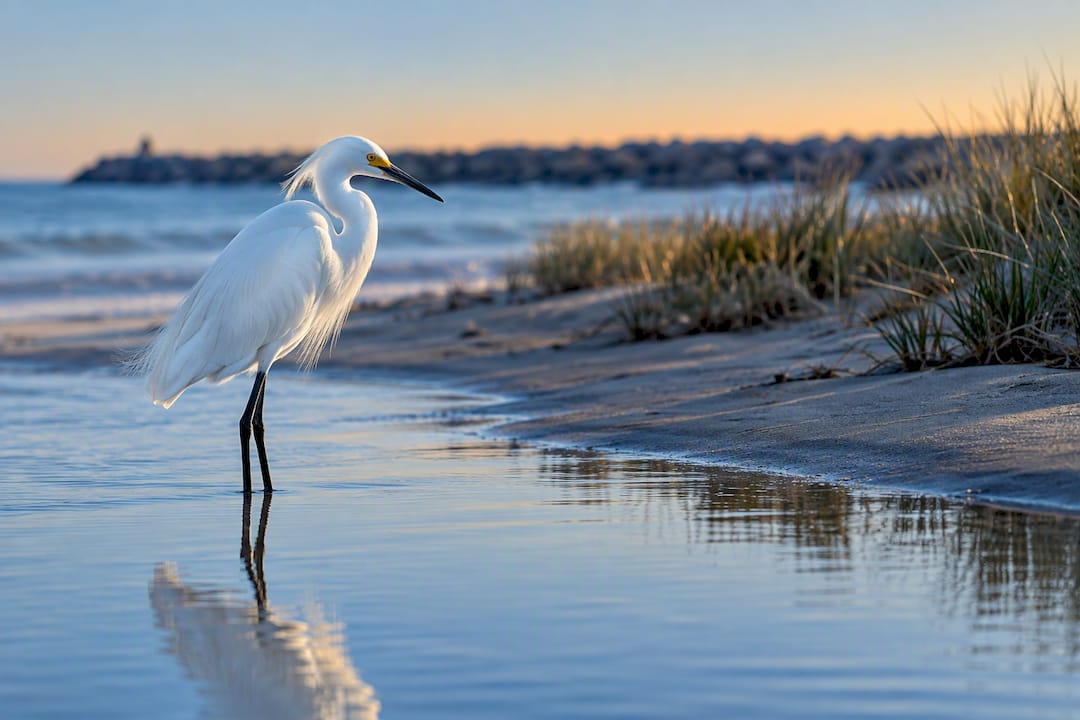
The stretch near the Seal Beach National Wildlife Refuge and jetty draws far fewer people than the main Seal Beach pier area, partly because access requires a longer walk along the sand. Parking is available in the main Seal Beach lots, with restrooms near the pier but nothing closer to the jetty itself. Early morning is best, both for solitude and for birdwatching, since the refuge attracts species you won’t see on the busier stretch. What makes it special: it’s one of the few spots on this list where the “hidden” factor comes from distance, not terrain.
10. T-Street Beach (San Clemente, Orange County)
South of the San Clemente Pier, T-Street is a locals’ surf break that stays lower key than the pier area despite having its own staircase access and metered parking on Trafalgar Lane. There are restrooms and seasonal lifeguard coverage, which makes it more beginner-friendly than most spots on this list. Weekday mornings before the surf crowd arrives are your quietest window. What makes it special: it’s proof that “hidden” doesn’t always mean remote, sometimes it just means overlooked.
Pro Tip: Before heading to any cove-style beach on this list, cross-check the California Coastal Access index to confirm the access point is public and not adjacent private property.
How to Actually Find Solitude: A SoCal Sights Local Guide
Finding a quiet stretch of sand comes down to three variables you control: when you go, how you check tides, and where you park. Get those right and even a moderately known cove can feel like your own private beach.
- Check official sources first. Start with Parks for state beaches and the Coastal Commission’s access index for smaller coves. These sites confirm legal entry points, gate hours, and closures before you drive out.
- Time your visit deliberately. Arrive before 9 AM whenever possible. Local observation from Laguna Beach’s coves shows early arrival is the single most reliable tactic for beating the crowds, and weekdays or shoulder-season months (October through April) multiply that effect.
- Check tide charts, not just the weather. Cove-style beaches like Totuava can trap you if you time a low-tide walk-around wrong. Pull up NOAA tide predictions for the nearest station and plan your exit before the tide turns.
- Budget extra time for parking. Small coves rarely have big lots. Arrive 30 to 60 minutes before you want to be on the sand, and have a backup street-parking plan.
- Keep your distance from cliffs. State park safety guidance recommends staying at least 10 feet from any bluff face, since rockfalls can happen without warning, especially after rain.
Local lifeguards have noticed the same pattern SoCal Sights has: spots once considered secret get flagged on social media fast, so the beaches that stay quiet are the ones that require real effort to reach. Pack out everything you bring in, skip the fires where they’re not permitted, and leave tide pools exactly as you found them.
Why I Still Check the Tide Chart Twice
I once watched a group get stuck on the wrong side of a rock point at Totuava because they trusted a phone app’s tide prediction instead of the posted chart for the nearest station. They were fine, just wet and late for dinner, but it’s the kind of mistake that turns a peaceful morning into a scramble. Arriving at a hidden cove before sunrise, with the tide low and nobody else around, is one of the better ways to spend a Southern California morning, but it only works if you respect the water and the cliffs around you.
None of these ten spots are secret in the sense that no one knows about them. They’re just inconvenient enough that most people choose somewhere easier. If you’ve found a cove that deserves a spot on a future list, or you’ve got a parking tip that would save someone a wasted trip, send it our way. SoCal Sights runs on local knowledge, and this list gets better every time a reader adds to it.
— Joshua
Let SoCal Sights Handle the Planning Legwork
Figuring out tide windows, parking lots, and gate hours for ten different coves takes real time, and that’s exactly the gap a local guide can fill for readers who want the quiet spots without the guesswork of assembling that research themselves. Unlike generic travel guides that recycle the same five beaches, this guide focuses on the lesser-known coves and local favorites that locals actually share, built from community submissions rather than a marketing calendar.

If you run a coastal business, a local tour outfit, or a beach-adjacent café near any of these spots, advertising with SoCal Sights puts you in front of readers actively planning visits to hidden coves and quiet beach towns, not just scrolling for the same crowded pier photos everyone else posts. Membership details and current placement options are available on the site. For readers building out a full coastal day, check our road trip guide to Southern California’s best coastal routes for stops between coves, or browse the San Diego secret beaches guide if you’re heading further south. Visit the membership page for current advertising options.
Sources
Confirm access, parking, and closures directly from the source before any trip. Point Dume State Beach’s official page covers parking lot hours and trail access. The San Onofre infosheet details camping, trails, and entry fees. The Carbon Beach access PDF documents public shoreline accessways in Malibu, and the full Coastal Access index lists hundreds of verified public entry points statewide.
FAQ
What are some hidden beach towns in California?
Laguna Beach, San Clemente, and parts of the Palos Verdes Peninsula function as hidden beach towns in the sense that they hold multiple lesser-known coves within a few miles of their main tourist strips. San Onofre, in San Diego County, also qualifies since its trails and bluffs stretch over three miles with several quieter access points beyond the well-known Trestles surf break.
What are some hidden gems in Southern California?
Beyond the beaches on this list, Southern California hides plenty of overlooked spots inland and along the coast, from tide pool coves in Palos Verdes to smaller state park trails most visitors skip. SoCal Sights tracks these in ongoing guides, including Orange County gems under $20 and offbeat picks around Los Angeles.
Is there a hidden beach in California?
Yes, several, though “hidden” usually means harder to reach rather than truly unknown. Totuava Beach in Laguna Beach is a good example: access is limited and often requires walking around rock points at low tide, which naturally filters out casual beachgoers.
What are California’s best kept secret spots?
The coves that stay quietest tend to be the ones requiring a staircase, a tide-dependent walk-around, or a longer drive past the obvious pullouts, like Pirate’s Cove, Abalone Cove, and White Point. None are secret from locals, but they stay uncrowded because most visitors don’t know the parking or timing details needed to reach them comfortably.
How do I find a hidden beach safely and legally?
Start with official sources like parks.ca.gov and the Coastal Commission’s access index to confirm a spot is public. Then check tide charts before visiting any cove that requires a low-tide walk-around, and keep at least 10 feet from cliff edges since rockfalls can happen without warning.