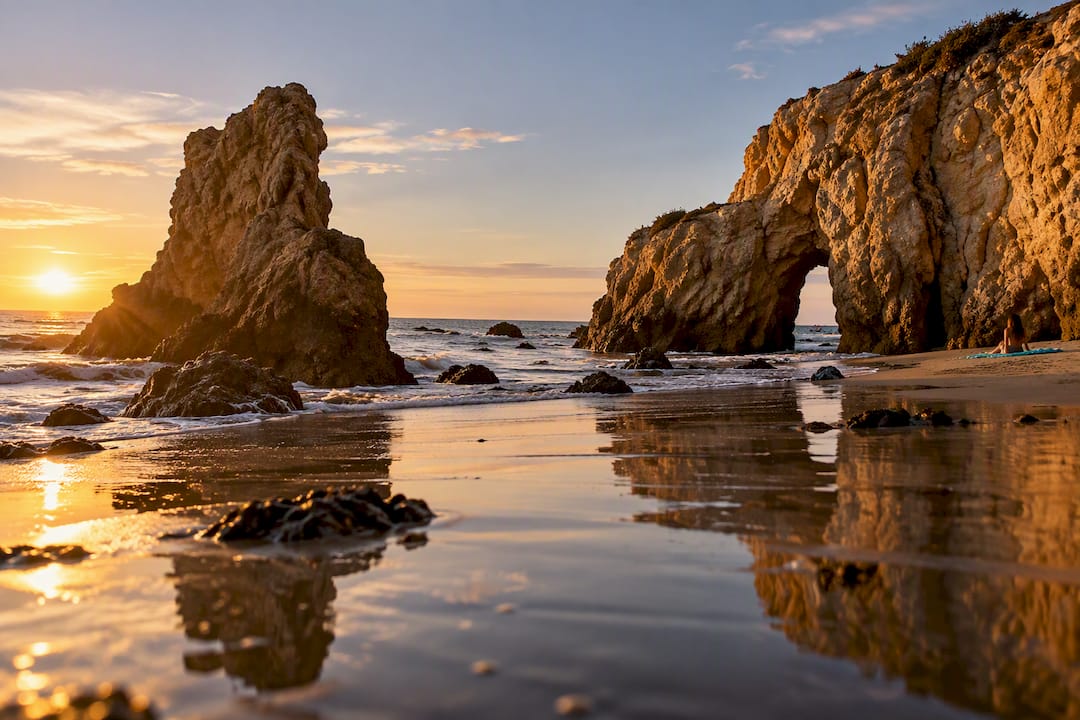
El Matador, La Piedra, Lechuza, Pirates Cove, Little Dume, and the Big Rock/Point Dume stretch make up the best of Malibu’s hidden beaches, each tucked below bluffs or behind private homes that make them easy to miss from Pacific Coast Highway. The one rule that matters more than any parking tip: the California Coastal Commission guarantees public access to sand below the mean high tide line, no matter who owns the house behind it. Check tides and access points before you go, and you’re set.
TL;DR:
- The public has guaranteed access to Malibu’s beaches below the mean high tide line, regardless of private property ownership or signage to the contrary.
- Most hidden beaches like El Matador and La Piedra are best visited at low tide early in the morning or late in the afternoon when parking is easier and crowds are minimal.
- Facilities are minimal at these beaches, so visitors should bring sufficient water, shoes for rocky terrain, and plan to pack out all trash to protect the ecosystem.
- Parking lots are small, often fill early, and enforcement is strict; always check tide conditions beforehand to prevent getting stranded or missing the best surfing or photography moments.
- Respect private property by using official access points, avoiding private gates, and following the California Coastal Commission’s guidelines to preserve public shoreline rights.
Table of Contents
- Finding Malibu’s Hidden Beaches: A Shortlist Worth Bookmarking
- How Public Beach Access Actually Works in Malibu
- Timing Your Visit: Tides, Crowds, and Real Hazards
- What to Pack for a Hidden Beach Day
- Respecting Residents and the Coastline
- The History Behind Malibu’s Hidden Coves
- Protecting Malibu’s Coastal Ecosystems
- What to Do Once You’re There
- Getting the Best Shots at Malibu’s Hidden Coves
- Our Take on Malibu’s Best Hidden Beach Experience
- Get Local Access Updates Before They’re Outdated
- Sources
- FAQ
Finding Malibu’s Hidden Beaches: A Shortlist Worth Bookmarking
I’ve spent enough weekends chasing tide charts up and down the Malibu coast to know that “hidden” doesn’t mean impossible to find. It usually means you need to know the right stairway, the right lot, or the right hour. Here’s where I send people first.
1. El Matador Beach
This is the one everyone’s seen in photos and nobody can quite place. Sea stacks, natural arches, and a stretch of sand that looks lifted from a postcard. Getting there means a steep staircase down from a small paid clifftop lot that fills fast on weekends, so going at low tide gives you the most sand and the best light for photos.
2. La Piedra Beach
The smallest of the Robert Meyer pocket beaches, La Piedra rewards patience with tide charts more than any other spot on this list. At high tide, there’s barely any beach left. At low tide, you get a quiet cove with a tiny bluff-top lot and a vault toilet as the only facility. Bring cash for parking and don’t expect much company.
3. Lechuza Beach
Owned by the Mountains Recreation and Conservation Authority, Lechuza has public rights that don’t always match the signage you’ll see on the ground. Access points cluster near Broad Beach Road and Bunnie Lane, and some have been contested or obscured by nearby homeowners over the years. Look for the legitimate public easement rather than trusting the first sign you see.
4. Pirates Cove
Tucked between Point Dume and Paradise Cove, Pirates Cove rewards anyone willing to explore tide pools and try a little snorkeling when the water’s calm. Parking is scarce and the trail down is narrow, which is exactly why it stays quiet even on busy summer days.
5. Little Dume Beach
Little Dume isn’t reachable by direct road access. Most visitors walk over from Point Dume or Paradise Cove, and that walk can get cut off entirely once the tide comes in. Time it wrong and you’re stuck waiting for the water to recede before you can walk back.
6. Big Rock and the Point Dume Cluster
When the pocket coves are packed or submerged, this wider stretch of shoreline near Point Dume State Beach is your fallback. It’s less secretive, sure, but the extra sand and easier parking make it a reliable plan B.
How Public Beach Access Actually Works in Malibu
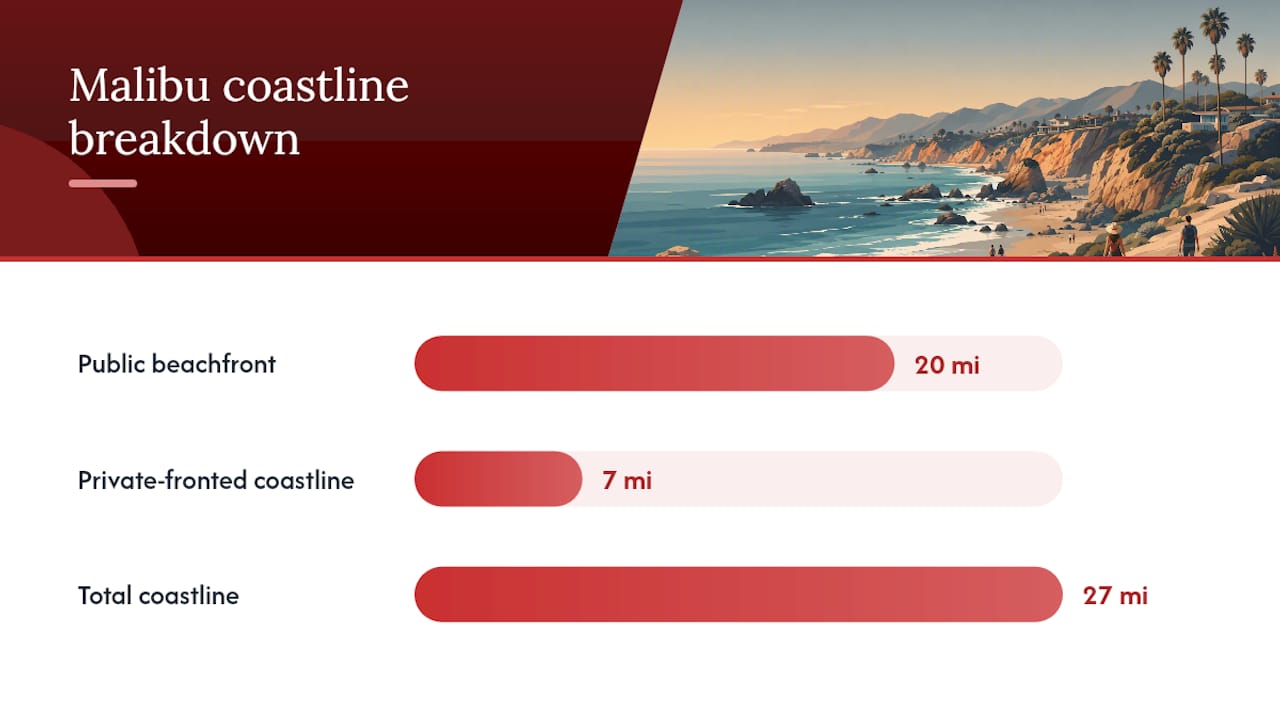
Malibu stretches 27 miles along the coast, and roughly 20 of those miles are public beach fronted by private homes. That distinction confuses a lot of visitors, but the rule is simple: any sand below the mean high tide line belongs to the public, regardless of who owns the bluff or house above it.
Homeowners occasionally post signs suggesting otherwise. The Coastal Commission has flagged this pattern directly, noting that misleading private signage sometimes appears where a legitimate public accessway exists. Treat official brown coastal access signs and posted markers as your real authority, not a homeowner’s fence or a hand-lettered “Private Beach” sign.
Before you go, a few habits save you a wasted trip:
- Check the Coastal Commission’s photo-maps and access publications, which pinpoint dry-sand easements for beaches like Broad and Carbon.
- Park only in marked legal spots. Malibu enforces parking rules tightly along Pacific Coast Highway.
- Never cross private property to reach the sand, even if it looks like a shortcut.
Timing Your Visit: Tides, Crowds, and Real Hazards
Pocket coves like El Matador and La Piedra shrink dramatically at high tide, sometimes losing most of their sand within a couple of hours. A quick check of a tide app before you leave the house beats guessing based on the last time you visited.
A few timing habits make a real difference:
- Aim for a low tide window, ideally checked the night before you go.
- Arrive early morning or late afternoon. Small lots fill fast, and golden hour light tends to bring fewer crowds than midday.
- Expect the heaviest crowds on summer weekends between late morning and early afternoon.
Safety matters more here than at a typical guarded beach. Most of these coves have no lifeguard on duty, the stairways can get slick with sea spray, and rocks near the shoreline are sharper and less stable than they look. If the surf looks rough or the tide is rising fast, skip swimming and stick to the sand.
Pro Tip: Arrive 60 to 90 minutes before sunrise or sunset. You’ll beat the parking crunch and get the best light, all in the same window.
What to Pack for a Hidden Beach Day
Facilities are minimal to nonexistent at most of these spots, so plan like you’re on your own.
- Water, sunscreen, and a hat. There’s no shade and often no snack stand for miles.
- Sturdy shoes for stairs and rocky patches. Flip flops are a fast way to twist an ankle.
- A small dry bag for your phone and keys if you’re wading near tide pools.
- A backup destination in mind if the lot’s full. Big Rock and Point Dume make solid fallbacks.
Pro Tip: Bring cash and a card for parking. Some of these tiny clifftop lots only take one or the other.
Respecting Residents and the Coastline
Malibu’s hidden beaches sit below some of the priciest real estate in the country, and that proximity means etiquette matters as much as access rules.
- Never climb a private gate or block a driveway, even if it looks like the fastest way down.
- Keep your group small and your noise level low. These are quiet residential streets.
- Leash pets and pack out every piece of trash, including food scraps.
- Leave tide pool creatures where you found them and stick to durable surfaces instead of trampling vegetation on the bluffs.
The History Behind Malibu’s Hidden Coves
Malibu wasn’t always synonymous with celebrity estates and gated driveways. The Chumash people lived along this coastline for thousands of years before Spanish and Mexican land grants carved it into the Rancho Topanga Malibu Sequit. When Hollywood discovered the coastline in the early 20th century, wealthy landowners began building private compounds directly on the sand, which is exactly why so many of today’s beaches feel walled off even though the law says otherwise.
That tension between private wealth and public shoreline isn’t new. It’s been baked into Malibu’s identity for nearly a century, and the fights over beach access you read about today are really just the latest chapter. Names like La Piedra and El Matador echo the area’s Spanish colonial past, while other coves carry the names of the ranchers, surfers, and beachcombers who quietly used them long before anyone paid attention to zoning maps.
Understanding that history helps explain why access still feels contested in places like Lechuza, where signage disputes crop up periodically. The beaches themselves haven’t changed. What’s changed is how hard some property owners try to make the public forget these coves were never actually private to begin with.
Protecting Malibu’s Coastal Ecosystems
Tide pools at spots like Pirates Cove support sea stars, anemones, and small fish that depend on visitors treating them gently. Touching or removing tide pool life disrupts fragile colonies that take years to reestablish, so look, don’t touch, and never pocket a shell or rock as a souvenir.
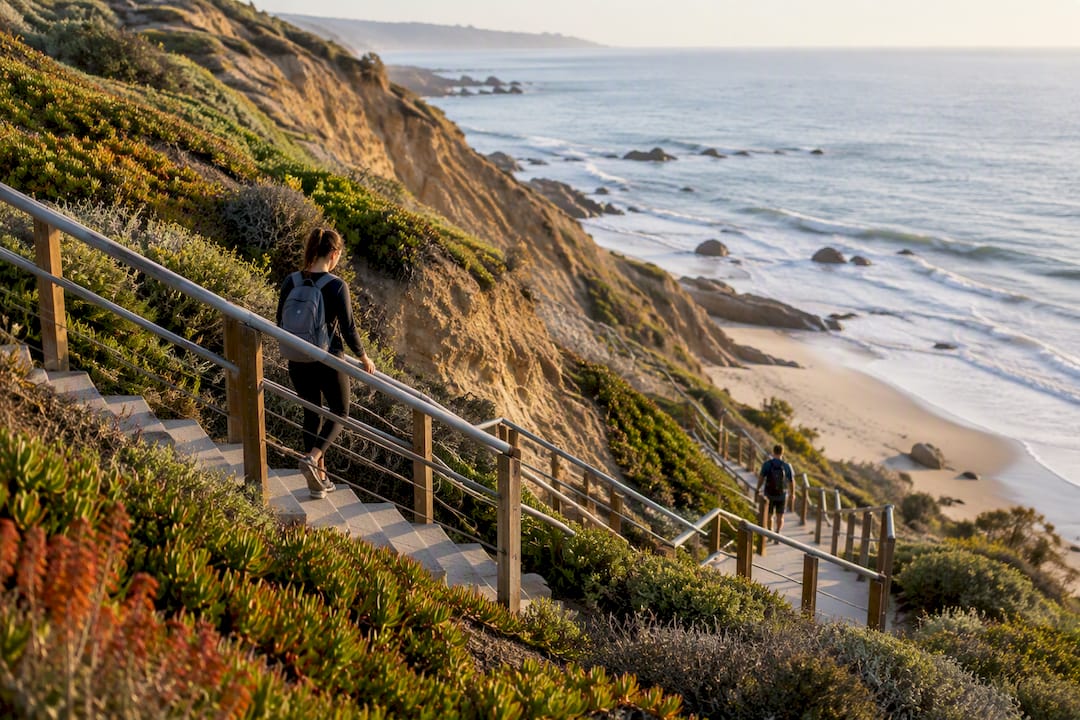
Coastal bluffs above these beaches are equally fragile. Erosion from foot traffic on unmarked trails accelerates bluff collapse, which is part of why official stairways exist at spots like El Matador and La Piedra instead of informal dirt paths. Stick to those maintained structures rather than cutting your own route down.
Trash left behind, especially plastic, washes back into tide pools and surf zones within a single tide cycle. Packing out everything you bring in, including cigarette butts and food wrappers, keeps these coves healthier for the sea life that calls them home and the next visitor who wants the same untouched view you got.
What to Do Once You’re There
Each hidden beach rewards a slightly different kind of visit. El Matador and La Piedra are built for photographers chasing arches and sea stacks, especially with a wide-angle lens during golden hour. Pirates Cove is your best bet for tide pooling and light snorkeling when the water’s calm and clear, usually in late summer and early fall.
Little Dume works well as a hiking connector, since the beach walk from Point Dume or Paradise Cove doubles as a scenic stretch with tide pools along the way. Big Rock and the Point Dume cluster suit families or groups who want more room to spread out, plus easier access if anyone in your party isn’t up for a steep staircase.
Lechuza rewards quiet observation more than activity. It’s a good pick for a slow morning walk or a picnic away from crowds, provided you’ve confirmed you’re using a legitimate public easement rather than a disputed access point.
Getting the Best Shots at Malibu’s Hidden Coves
El Matador’s sea stacks look best when shot low and wide, ideally with the receding tide creating reflective wet sand in your foreground. Sunset backlights the arches beautifully, but you’ll be sharing the view with other photographers who’ve figured out the same trick.
La Piedra’s smaller scale actually works in your favor. Its tighter cove creates natural framing you won’t get at the wider beaches, especially if you shoot from the base of the bluff looking out toward the horizon.
For a different angle entirely, the bluffs above Lechuza and Point Dume offer wide shots of the whole coastline, useful if you want the sweep of Malibu rather than a single cove. Just remember that any elevated shot from private property is off limits. Stick to public trailheads and accessways for your vantage point.
Our Take on Malibu’s Best Hidden Beach Experience
If you only have time for one hidden beach this year, El Matador earns the photographer’s pick for its arches and golden-hour light, while Little Dume wins for solitude if you’re willing to time the tide and make the walk from Point Dume. Both demand the same discipline: check conditions before you commit.
Access here shifts more than people expect. Signage disputes, erosion, and tide patterns change year to year, which is why SoCal Sights leans on community reports to keep our coverage current rather than treating any guide as permanent. Before your next trip, check recent local reports on access conditions rather than relying on a single source, including this one.
— Joshua
Get Local Access Updates Before They’re Outdated
Trail conditions change. Signage disputes flare up. Parking lots that were open last spring sometimes aren’t this summer, and no single article can chase every update in real time. That’s where a SoCal Sights membership comes in.

Local businesses and event organizers can get featured placement that puts their spot in front of people actively planning a Malibu trip, while readers benefit from a platform built on community-submitted tips instead of outdated listings. If you run a beach shop, rental outfit, or nearby restaurant that serves the Malibu coastal crowd, a featured listing puts you directly in front of readers already searching for exactly what you offer. Head to the membership page to see current options and get your business in front of the next wave of beachgoers heading for these coves.
Sources
Check the Coastal Commission’s access index and photo-maps for official easements, plus California Beaches’ hidden beach roundup for a broader catalog. Always confirm tide times and any local advisories the same day you head out.
- California Coastal Commission — Coastal Access
- El Matador Beach Malibu Honest Guide | Beaches for Kings
FAQ
Are Malibu’s hidden beaches actually public?
Yes. The California Coastal Commission guarantees public access to all sand below the mean high tide line, even where private homes sit directly above it. Some access points get obscured by misleading signage, so official maps remain your best guide.
How do I find legal parking near these beaches?
Most hidden coves have small paid lots at the top of a bluff or staircase, and they fill early on weekends. Check the Coastal Commission’s photo-maps for confirmed access points, and always have a backup beach like Big Rock or Point Dume in mind.
Is it safe to swim at Malibu’s hidden coves?
Most pocket beaches have no lifeguard on duty, and rocks near the shoreline can be sharp and unstable. Check surf and tide conditions before swimming, and skip it entirely if the water looks rough.
What’s the best time of day to visit?
Early morning or late afternoon works best, since small lots fill fast and low tide exposes the most sand at coves like El Matador and La Piedra. This window also tends to offer the best photography light with fewer crowds.
Can I walk to Little Dume if the tide is high?
High tide can cut off the shoreline walk from Point Dume or Paradise Cove entirely. Check tide charts before you go, and turn back early if the water starts closing in around the rocks.