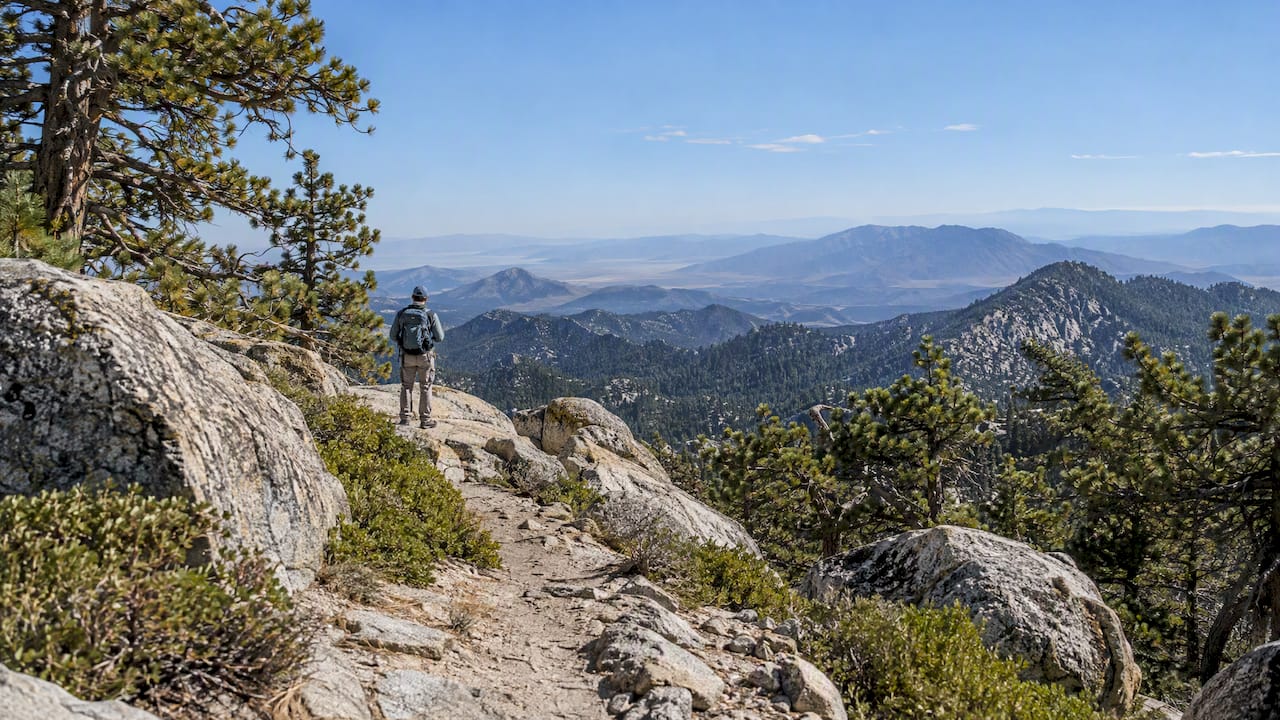
Here is a vetted list of Southern California hidden gems: offbeat towns and wild outdoor escapes that reward a little extra planning. Each entry below covers how to get there, when to go, and what to pack, because the quiet spots stay quiet only when visitors come prepared. We pulled this together from community submissions and official agency sources, and Joshua put it into words for you.
TL;DR:
- Accessing Santa Cruz Island’s Painted Cave requires booking a boat well in advance, with primitive camping only available and no cell service on the island.
- Reaching Deep Creek Hot Springs involves a steep, strenuous hike that is best started early and requires packing out all trash and carrying ample water.
- Visiting Mount San Jacinto’s wilderness areas demands permits, seasonal checks, and experience for the technical climbs and high-altitude hikes.
- Quieter tidepools and cottages at Crystal Cove are best visited before 9 a.m. during weekdays, with tide times checked for optimal tidepool exploration.
- Traveling to Borrego Springs between November and April offers comfortable desert weather and optimal stargazing conditions under the town’s dark-sky status.
Table of Contents
- 1. Santa Cruz Island’s Painted Cave and backcountry camping
- 2. Deep Creek Hot Springs and the trail that tests you
- 3. San Jacinto Wilderness for climbers and quiet hikers alike
- 4. Crystal Cove’s historic cottages and quieter coves
- 5. Crystal Lake’s alpine escape above the smog line
- 6. Borrego Springs for desert sculptures and dark skies
- 7. Ojai’s artsy charm and the famous pink moment
- 8. Solvang’s quiet corners beyond the Danish windmills
- 9. Coronado beyond the hotel district
- How we choose and verify these hidden gems
- Festivals, art walks, and local events worth building a trip around
- Where to eat and stay near each hidden gem
- Why the quiet places matter more than the famous ones
- Plan your next trip with SoCal Sights
- FAQ
- Sources
1. Santa Cruz Island’s Painted Cave and backcountry camping
Santa Cruz Island anchors Channel Islands National Park, and it hides one of the largest sea caves on Earth. Painted Cave runs nearly a quarter mile deep, about 100 feet wide, with an entrance ceiling that climbs to roughly 160 feet. The island itself covers more than 96 square miles of canyons, ridgelines, and fox habitat found nowhere else.
Getting there means booking a boat through Island Packers out of Ventura or Oxnard, since there is no bridge and no ferry schedule you can wing at the last minute. Once you land, you are on your own: the park offers primitive camping but no stores, no restaurants, and no reliable cell service.
- Reserve your backcountry campsite before you book the boat, since sites fill ahead of ferry slots.
- Pack in all your water (at least a gallon a day) along with food and a basic first-aid kit.
- Check the forecast closely; boat crossings get canceled in rough seas, so build in flexibility.
2. Deep Creek Hot Springs and the trail that tests you
Deep Creek Hot Springs sits in a biologically rich drainage inside San Bernardino National Forest, and the pools themselves are the reward for a genuinely demanding approach. The most common route drops steeply from Bowen Ranch Road, descending about 2.5 miles and roughly 950 feet before you even see the water, which means that same climb waits for you on the way back. Hikers who prefer the Pacific Crest Trail approach from Arrowhead Lake Road face a longer six-mile walk instead.
Bowen Ranch access often crosses private land, and parking there comes with a fee, so bring cash and expect limited spots on weekends. Crowding has become a real issue at the pools, and water quality can shift after storms or heavy use.
- Start at sunrise to beat both the heat on Bowen Ranch Road and the afternoon crowds.
- Carry more water than feels necessary. The return climb is brutal in midday sun.
- Pack out everything, including food scraps, since the pools sit in fragile riparian habitat.
Pro Tip: Visit on a weekday morning in shoulder season (spring or fall) to get the pools closer to yourself and avoid the worst of the summer heat.
3. San Jacinto Wilderness for climbers and quiet hikers alike
Mount San Jacinto offers an alpine escape that feels nothing like the desert floor just a few thousand feet below it. The San Jacinto Wilderness spans 32,248 acres of granite cliffs, pine forest, and classic climbing routes, including the Lily Rock and Tahquitz Rock formations that draw technical climbers from across the region. Suicide Rock, despite the name, is a popular destination for both climbing and scrambling.
Vivian Creek Trail, on the San Gorgonio side of this same wilderness complex, climbs toward Southern California’s highest peak and demands real fitness and preparation. The San Gorgonio Wilderness guidance warns that these trails deceive casual hikers who underestimate elevation gain.
- Grab a wilderness permit for overnight trips and check seasonal closures before you go.
- Winter storms close upper trailheads, so confirm road status ahead of a cold-season visit.
- Save Vivian Creek and the technical rock climbs for experienced hikers and climbers only.
4. Crystal Cove’s historic cottages and quieter coves
Crystal Cove State Park holds a secret most beach goers drive right past: a federally listed Historic District of 46 vintage cottages tucked onto 12.3 acres within the park’s 2,791 total acres. The cottages date back to the early 20th century, and several are now available to rent overnight, which turns a day trip into something closer to a time capsule stay.
Beyond the cottages, the park’s coastal trail stretches past tidepools and coves that thin out considerably once you walk ten minutes north or south of the main parking lot. Low tide reveals sea stars, anemones, and the occasional octopus in the rockier pockets.
- Arrive before 9 AM on weekends, since the main lot fills fast and the park charges a parking fee.
- Walk north past the busiest stretch of sand to find quieter tidepool access.
- Check tide tables before you go. Low tide is when the tidepools actually show something.
5. Crystal Lake’s alpine escape above the smog line
Crystal Lake Recreation Area sits inside Angeles National Forest at an elevation that keeps summer temperatures noticeably cooler than the Los Angeles basin below. The campground spreads across roughly 120 sites in multiple loops, with hiking trails branching out toward the lake itself and fishing access for those who bring a rod.
Parking here requires a pass. An Adventure Pass or an America the Beautiful interagency pass covers most lots in the recreation area, and rangers do check. The access road climbs to high elevation, so winter snow can close it entirely some years.
- Buy your Adventure Pass ahead of time at a ranger station or outdoor retailer, since it is not always available on-site.
- Call ahead in winter to confirm the road is open before you drive up.
- Reserve a campsite early for summer weekends. Loops fill months in advance.
6. Borrego Springs for desert sculptures and dark skies
Borrego Springs feels like the opposite of everything coastal Southern California offers, and that contrast is exactly the point. The town sits at the edge of Anza-Borrego Desert State Park, California’s largest state park, and its surrounding flats hold more than 130 metal sculptures of animals, mythical creatures, and historical figures scattered across open desert land.
Summer temperatures here routinely climb past 100 degrees, so most visitors come between November and April when daytime highs stay comfortable for hiking and sculpture-hunting. Borrego Springs also holds International Dark Sky Community status, which means stargazing here rivals almost anywhere else in the state.
- Visit between November and April to avoid dangerous desert heat.
- Check the local visitor center for current sculpture locations and desert wildflower bloom reports.
- Bring a red-light flashlight if you plan to stargaze, since it preserves your night vision and respects the dark-sky designation.
7. Ojai’s artsy charm and the famous pink moment
Ojai moves at a different pace than most Southern California towns, and that slower rhythm shows up in its independent bookstores, small art galleries, and locally owned spas tucked alongside streets off the main strip. The town’s signature draw happens at sunset, when the Topatopa Mountains glow a deep pink or orange for a few minutes, a phenomenon locals simply call the pink moment.
Beyond the strip, short hikes like the Shelf Road loop or Horn Canyon Trail offer easy elevation gain with views back over the valley, and neither draws the crowds you will find on busier Southern California trailheads.
- Time your visit for the last 20 minutes before sunset to catch the pink moment at its best.
- Park near Libbey Park early, since downtown spots disappear fast on weekend evenings.
- Walk a few blocks off Ojai Avenue to find quieter galleries and cafés without the wait.
8. Solvang’s quiet corners beyond the Danish windmills
Solvang’s half-timbered buildings and windmills pull in plenty of day-trip buses, but the town’s real charm lives a block or two off the main tourist strip. Family-run bakeries serving Danish pastries without the lines, small art galleries, and quieter side streets all sit within easy walking distance of the crowds.
Just outside town, the Santa Ynez Valley holds smaller, lower-traffic vineyards along scenic rural roads, offering wine tasting without the tour-bus crowds that fill the valley’s bigger names.
- Visit on a weekday morning before the tour buses arrive, typically mid-morning onward.
- Drive a few minutes outside town to find smaller vineyards with shorter tasting-room waits.
- Walk a block off Mission Drive for bakeries and shops that locals actually use.
9. Coronado beyond the hotel district
Coronado draws most of its visitors to the stretch of beach near its famous hotel, but the island holds quieter coastal walks once you move north toward the Naval base boundary or south along the Silver Strand. These stretches offer the same soft sand and ocean views with a fraction of the foot traffic.
Getting there from San Diego is simple: the Coronado Bridge connects directly, or the Coronado Ferry from downtown San Diego drops you within walking distance of the village, which also solves the parking problem that plagues peak-season visits.
- Take the ferry from downtown San Diego to skip the bridge traffic and parking search entirely.
- Walk north past the hotel district for quieter beach access with fewer crowds.
- Explore Orange Avenue’s side streets for small, locally owned restaurants away from the tourist-heavy main drag.
How we choose and verify these hidden gems
Every spot on this list came through community submissions first, then got checked against what the agencies managing that land actually say about access, fees, and conditions. We weigh conservation sensitivity heavily: a beautiful spot that cannot handle more foot traffic does not make the cut, or it makes the cut with stronger stewardship notes attached.
A fair share of what makes these places special is also what makes them fragile: Channel Islands National Park has no on-island services, so every visitor carries in their own supplies and carries out their own trash, which keeps the island as wild as it looks.
- We prioritize spots with genuine local or community value, not just photogenic potential.
- We cross-check logistics against the managing agency’s own pages before publishing anything.
- We flag private-access fees, permit requirements, and seasonal closures wherever they apply.
Fire restrictions shift often across Southern California’s forests, and the Angeles National Forest fire restriction pages are worth a check before any trip that involves a stove or campfire. Leave No Trace principles matter everywhere on this list, but they matter most in places like Deep Creek’s riparian corridor and the Channel Islands’ isolated habitats, where recovery from damage takes years, not seasons.
Festivals, art walks, and local events worth building a trip around
Several of these towns hold events that turn a day trip into something more memorable. Ojai hosts a long-running music festival each June that draws visitors well beyond the valley, and its art galleries hold regular open studio weekends throughout the year. Solvang leans into its Danish heritage with seasonal festivals celebrating the town’s founding, complete with folk dancing and traditional food stalls set up along the main streets.
Borrego Springs holds wildflower season events each spring when conditions allow, drawing photographers and hikers to see the desert bloom in color for a few short weeks. Crystal Cove’s historic district occasionally opens cottages for public tours that dig into the area’s early beach-colony history, a detail most visitors chasing tidepools never learn about.
Timing a visit around one of these events takes a little research, since dates shift year to year with weather and local planning. Checking a town’s own visitor center page before you book is the most reliable way to confirm whether something is happening during your trip, rather than relying on secondhand event listings that go stale fast.
Where to eat and stay near each hidden gem
Food and lodging near these spots tend to reward the same instinct as the destinations themselves: wander a block off the main strip in Los Angeles and Southern California. In Ojai, small cafes along side streets serve produce from local farms, and a handful of boutique inns offer quieter stays than the resorts closer to the highway. Solvang’s family-run bakeries are worth seeking out specifically for Danish pastries made the traditional way, a detail that separates them from the larger tourist-facing shops.

Near Crystal Cove, the historic cottages themselves double as overnight lodging, and a small café within the historic district serves casual meals with an ocean view that most day visitors walk right past. Coronado’s side streets off Orange Avenue hold locally owned restaurants with far shorter waits than the hotel district’s main dining rooms.
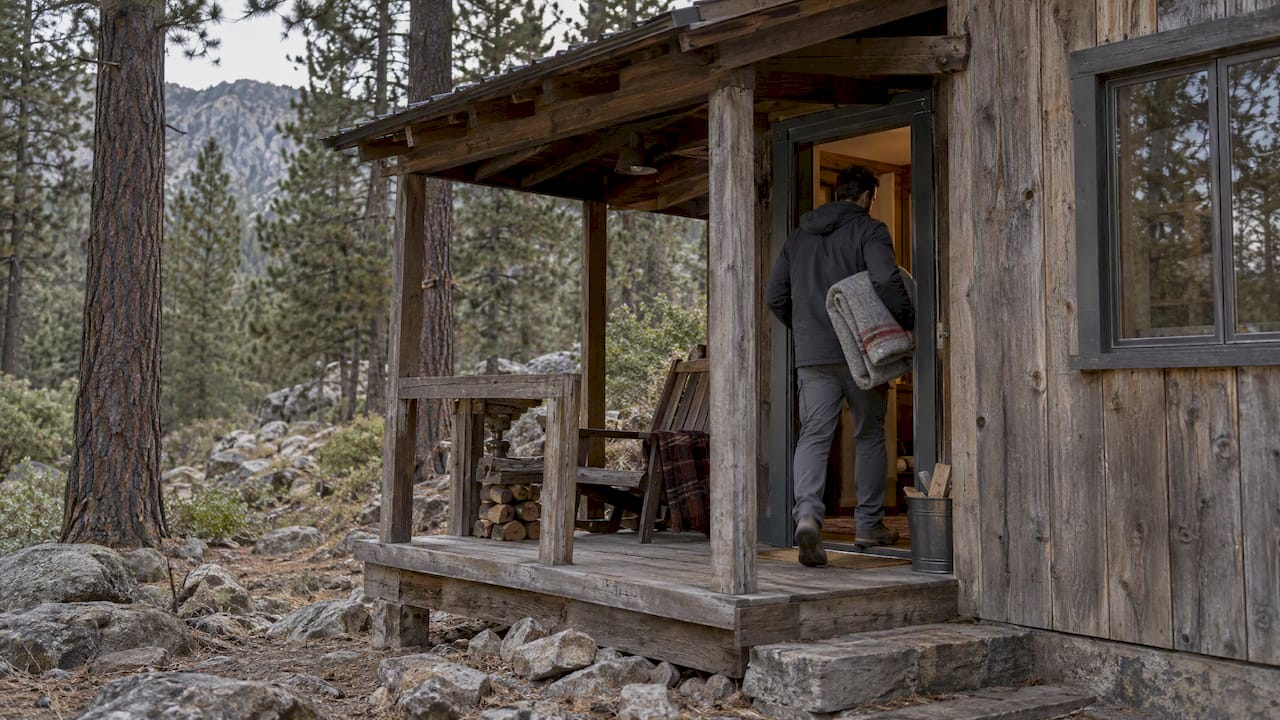
For the wilder destinations, like Deep Creek, Crystal Lake, or San Jacinto, lodging usually means camping or a nearby mountain town. Idyllwild, close to the San Jacinto Wilderness, offers small inns and cabins that make a great base for multi-day trips into the surrounding peaks. Borrego Springs has a scattering of small desert inns that suit stargazing trips especially well, since many sit far enough from town lights to offer dark skies right from the parking lot.
Why the quiet places matter more than the famous ones
I think Southern California’s real character lives in the places that never make it onto a postcard. Anyone can find the crowded beach or the famous overlook. Finding a quiet cove at low tide or a desert town under a truly dark sky takes a little more effort, and that effort is part of what makes the experience stick with you.
Respecting these places matters as much as finding them. Pack out your trash, stay on marked trails, and report problems like damaged signage or blocked access to the managing agency instead of just posting about it online. If you have found a quiet spot we have not covered, send it our way. Southern California’s hidden gems stay hidden and protected because people who love them keep sharing what they know responsibly.
— Joshua
Plan your next trip with SoCal Sights
We built SoCal Sights around exactly the kind of discovery this list represents: the spots that do not show up in a standard travel guide but deserve to be found. If you run a local business or organize events in Southern California, advertising with SoCal Sights puts your spot in front of travelers and locals who are actively searching for exactly what you offer, rather than scrolling past another generic ad.

Beyond advertising, our guides double as planning tools for your own trips. Our Southern California road trip guide pairs well with several entries above if you want to string together multiple hidden gems into one route, and our Channel Islands day trip guide walks through the exact boat booking and packing steps Santa Cruz Island demands.
- Browse curated lists by category to match your next trip to your interests.
- Use planning guides to turn a single hidden gem into a full weekend itinerary.
- Consider reaching out about featured placement if you run a local business near any of these spots.
Ready to put a face to your business in front of travelers planning their next SoCal escape? Learn more about membership and let us help you reach them.
FAQ
What are some hidden spots to visit in Southern California?
Santa Cruz Island’s Painted Cave, Deep Creek Hot Springs, and Borrego Springs’ desert sculpture garden all count among Southern California’s most rewarding lesser-known spots. Crystal Cove’s historic cottage district and the quieter coves along Coronado’s less-trafficked beaches round out a strong list for a first visit.
What are the 7 wonders of California?
There is no single official list of “7 wonders of California,” since the phrase gets used loosely across different travel sites and definitions vary. Many versions include natural landmarks like Yosemite, Lake Tahoe, and the Channel Islands alongside human-made sites, but no government or tourism body maintains an authoritative version.
What is a must see in Southern California?
Santa Cruz Island’s Painted Cave stands out as a genuine must-see, since it ranks among the largest sea caves in the world at nearly a quarter mile long. Crystal Cove’s historic cottage district is another strong pick for travelers who want coastal scenery paired with a real sense of history.
What are California’s best hidden gems?
Southern California alone holds standout hidden gems like Borrego Springs for desert stargazing, Ojai for its sunset pink moment, and Crystal Lake Recreation Area for cooler mountain air above the smog line. Each offers a genuinely different experience from the state’s more famous coastal and urban destinations.
How do I avoid crowds at popular hidden gem locations?
Visiting on weekday mornings, arriving before 9 AM, and traveling in shoulder seasons like spring or fall consistently cuts down on crowds at these spots. Walking a short distance away from main parking areas or tourist strips, as with Crystal Cove’s tidepools or Coronado’s beaches, also helps you find quieter space.
Sources
- Santa Cruz Island – Channel Islands National Park (U.S. National Park Service)
- Deep Creek Hot Springs – San Bernardino National Forest (USDA Forest Service)
- Crystal Cove State Park – California Department of Parks and Recreation