Category: Uncategorized

  • Reserve Before You Go: Free Museum Days Los Angeles 2026

    Reserve Before You Go: Free Museum Days Los Angeles 2026

    Yes, free museum days are alive and well in L.A. for 2026. You’ve got three main paths to free admission: recurring free hours that certain museums offer every week, program-based perks like Bank of America’s monthly cardholder benefit, and the citywide SoCal Museums Free-for-All on February 22. Before you head out to any of them, pull up the museum’s own website and lock in a timed reservation if one’s required. That single step saves you from standing in a line that goes nowhere.


    TL;DR:

    • Most major museums in L.A., including Getty and MOCA, require advance reservations, especially during special free days or events.
    • County residents can often access free hours from 3 to 5 p.m. on weekdays, but parking and add-ons usually cost extra.
    • The Bank of America Museums on Us program allows one free visit per month with a valid card and photo ID, excluding special exhibitions.
    • The February 22, 2026, SoCal Museums Free-for-All offers free general admission at dozens of institutions, but reservations are strongly recommended for popular sites.
    • Visitors should verify and book ahead of time, bring appropriate IDs, and understand exclusions to fully benefit from free museum days in Los Angeles.

    Socalsights
    Discover More Southern California Gems
    Find curated ideas for authentic activities, food spots, and lesser-known attractions across Southern California.

    Table of Contents

    Free Museum Days Los Angeles 2026: The Calendar at a Glance

    Here’s what your year looks like if you’re chasing free admission across the city. I’ve flagged whether you need to reserve ahead, because that’s the detail that trips up more visitors than anything else.

    1. Every day, Getty Center and Getty Villa — Free entry, but a timed-entry reservation is required. Parking runs separately, so don’t assume the whole visit is free.
    2. Monday through Friday, 3 to 5 p.m., Natural History Museum of Los Angeles County — Free for L.A. County residents with ID. Add-on attractions and parking are excluded.
    3. First full weekend of every month, Bank of America Museums on Us — One free general-admission visit per eligible cardholder at participating LA museums. Card and photo ID required. Special exhibitions are excluded.
    4. February 22, 2026, SoCal Museums Free-for-All — Dozens of Southern California museums, including MOCA, open with free general admission for one day. Reservations recommended, and some sites require them.
    5. Rotating weekdays and evenings, Autry Museum of the American West — Combines Bank of America days with its own scheduled free-admission windows. Check site for the current month’s slate.
    6. Select fall dates, Hammer Museum — Hosts occasional free public celebration events tied to new exhibitions, open to everyone, no membership needed.
    7. Ongoing, standing free-admission museums — A handful of LA institutions, including The Broad and the Hammer’s general collection, are free year round with no special day required at all.

    Almost every line item above comes with the same asterisk: general admission is what’s free. Ticketed traveling exhibitions, special installations, and parking structures tend to run on their own pricing, so treat any “free day” as a floor, not a blank check for the whole visit.

    Museum-By-Museum Notes for 2026 Free Admission

    Some museums make this simple. Others bury the details three clicks deep on their website. Here’s the rundown for the venues that come up again and again when people search for free museum days in L.A.

    • Getty (Getty Center and Getty Villa): Always free to enter, but you need a free timed reservation booked online in advance. Parking costs extra at both locations.
    • Natural History Museum of Los Angeles County (NHM): L.A. County residents get in free Monday through Friday from 3 to 5 p.m., plus separate windows for teachers, military, and EBT cardholders. Parking and the butterfly pavilion or other add-ons cost extra.
    • LACMA: Offers free general admission to L.A. County residents on select weekday evenings, though specific exhibitions may carry their own ticket price. Check the museum’s site for the current schedule before you go.
    • MOCA: Participated in the 2026 Free-for-All on February 22, with advance reservations required for that day. Otherwise, general admission is free every day of the week at both MOCA locations.
    • Autry Museum of the American West: Runs Bank of America cardholder days alongside its own scheduled free-admission hours, and joined the regional Free-for-All too.
    • Norton Simon Museum: Free admission on the first Friday evening of most months, with regular admission the rest of the time. Parking is free on-site regardless of the day.
    • Hammer Museum: General admission is free every single day, no reservation or special program needed, plus occasional free celebration events tied to new shows.
    • The Broad: Standing free general admission, though timed tickets are recommended for popular exhibitions and same-day walk-up spots can run out fast.
    • Academy Museum of Motion Pictures: Offers free admission to visitors 17 and under, plus occasional community free days announced on its site. Regular tickets apply to the special exhibition galleries.
    • Skirball Cultural Center: Free on Thursdays for general admission, with a small parking fee that applies every day of the week.
    • Huntington Library, Art Collections, and Botanical Gardens: Free admission the first Thursday of the month with advance reservations, since capacity fills quickly for that slot.
    • Fowler Museum: Free general admission every day at UCLA, no reservation required for most visits.
    • Museum of Latin American Art (MOLAA): Free admission on Sundays, plus rotating community-day programming throughout the year.

    Notice the pattern? Reservations matter most at the busiest sites (Getty, Huntington, MOCA on event days), while smaller or university-affiliated museums like the Fowler tend to stay walk-up friendly.

    Major Free-Admission Programs That Matter This Year

    Three programs cover most of what you’ll actually use in 2026, and each has its own rulebook.

    1. Bank of America Museums on Us. Eligible Bank of America, Merrill, or Bank of America Private Bank cardholders get one free general-admission visit during the first full weekend of every month. You need your card and a photo ID, and the benefit covers you, not a group. Special exhibitions are excluded, so a blockbuster traveling show still costs extra.
    2. LA County resident after-3 windows. NHM’s Monday through Friday, 3 to 5 p.m. resident benefit is the model most museums follow when they run similar programs. Bring government ID showing your L.A. County address. Some museums now let you upload ID during online reservation, which speeds up entry considerably.
    3. Category-based benefits. Teachers, active military, and EBT cardholders qualify for free or reduced admission at several museums, NHM included, though the exact rules vary by site. Verify your eligibility documentation on the museum’s page before you drive over, since front-desk staff can’t waive the requirement on the spot.

    The advance-planning insight from MOCA’s Free-for-All applies across all three programs: treat the Bank of America benefit as strictly individual and non-transferable, and reserve early whenever a museum offers the option.

    The SoCal Museums Free-for-All: Your Big Day to Plan Around

    February 22, 2026 is the single biggest free museum day on the Southern California calendar. Dozens of museums across the region, MOCA and the Autry among them, open their doors with free general admission for everyone, no card or ID benefit required.

    The catch is the same one that shows up everywhere else in this guide: general admission is free, but ticketed special exhibitions and paid add-ons usually aren’t. Some venues, including the Autry, may also switch parking to its normal rate for the day even though admission itself stays free, so check the parking policy separately from the admission policy.

    If you’re planning to hit more than one museum that day, reserve ahead wherever a museum allows it, and pick your first stop based on which one requires the earliest arrival to guarantee entry. Popular sites like MOCA and the Huntington fill their reservation slots fast on Free-for-All weekend, so lock in your first museum a few weeks out and treat everything after that as a bonus stop.

    Three-step museum reservation planning process

    How to Plan Your Free Museum Visit Without Getting Surprised

    A little prep turns a free museum day from a gamble into a sure thing. Here’s the order I’d work through it in.

    • Check the museum’s official site the week of your visit, since free-day rules shift more often than people expect.
    • Reserve a timed entry slot if the museum offers or requires one, especially at Getty, Huntington, and MOCA on event days.
    • Confirm what’s excluded: special exhibitions, add-on attractions, and parking are the three most common surprise charges.
    • Bring the right ID for the benefit you’re using, whether that’s a government ID for residency, your Bank of America card plus photo ID, or a teacher, military, or EBT card.
    • Arrive 15 to 30 minutes before opening on popular free days, since capacity limits can close entry even with a reservation in hand.
    • Take Metro or ride-share when you can. Parking lots at Getty, LACMA, and the Natural History Museum fill early on free days, and Metro’s B and D Lines drop you within walking distance of several major museums.
    • Call ahead about accessibility needs. Every museum on this list offers ADA-compliant access and services like wheelchairs or sensory-friendly hours, but confirming specifics before you go saves a headache once you’re there.

    Pro Tip: Pair a free morning museum visit with a nearby coffee stop and save your second museum for the early afternoon lull, usually between 1 and 3 p.m., when the entry lines thin out before the after-school and evening crowds show up.

    How We Verified This 2026 Free Museum Guide

    Every date and policy here was checked against the museums’ own pages, including NHM, Getty, Bank of America, MOCA, and the Autry. Local Southern California sources have covered the scene extensively, and this guide draws on that same on-the-ground approach. Museum policies shift without much warning, so recheck the official site the day before you go.

    Why the “Just Show Up” Advice Fails You in 2026

    Most roundups of free museum days treat every listing the same, as if a standing free-hours policy and a once-a-year event carry equal risk. They don’t. The Getty’s timed reservation and the Free-for-All’s single February date both punish anyone who shows up assuming a free day means a walk-up day.
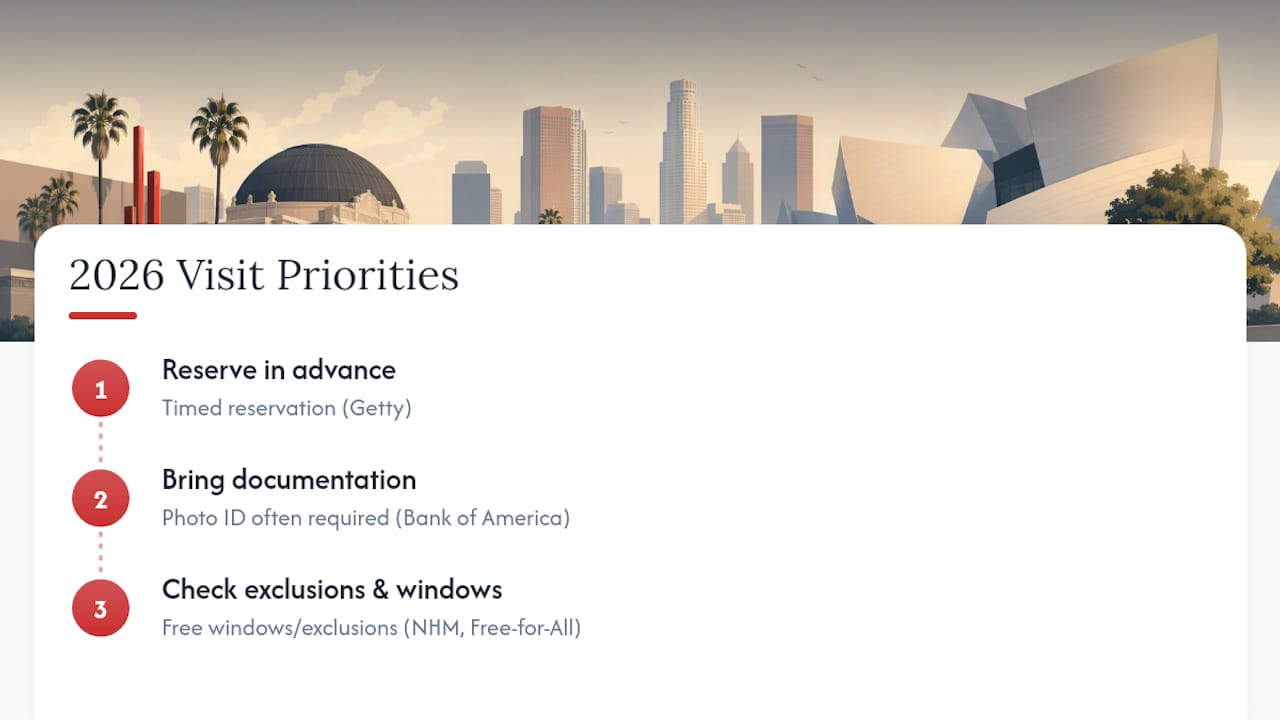
    Why the "Just Show Up" Advice Fails You in 2026 — overview diagram

    The conventional advice, “check if it’s free,” misses the real question: what do you need to bring, and did you book it in time? Bank of America’s benefit gets denied at the door more often for a missing photo ID than for actual ineligibility. The NHM resident window gets missed constantly because visitors show up at 5:15 p.m., not realizing the free window already closed.

    If I had to rank priorities for 2026, reservations come first, documentation second, and exclusions third. Skip any of those three and you’ll either get turned away or hit with a surprise charge for the one exhibition you actually wanted to see. Plan around all three, and free museum days in L.A. deliver exactly what they promise.

    — Joshua

    Let Socalsights Handle the Planning Legwork

    Chasing down reservation windows, ID rules, and exclusion fine print across a dozen museum websites eats into the time you’d rather spend actually looking at art. This guide focuses on the hidden-gem side of Southern California that mainstream guides skip, applying a local, community-driven approach to planning around free museum days too.

    Socalsights

    A Socalsights membership connects you with curated itineraries and local tips built by people who actually live here, not a generic travel algorithm. Pair your museum day with a stop from our guide to unique things to do in Los Angeles or extend the outing with ideas from our local activities guide. Visit the relevant membership pages for itinerary support and reservation reminders before your next free museum day.

    Sources

    FAQ

    What museums in L.A. are free?

    The Hammer Museum and The Broad offer free general admission every day, while others like the Getty and Fowler Museum are also free but may require a reservation. Several more, including NHM and MOLAA, offer free admission on specific days or hours rather than year round.

    Are L.A. museums free after 3 p.m.?

    The Natural History Museum of Los Angeles County offers free admission to L.A. County residents Monday through Friday from 3 to 5 p.m., with valid ID required. This particular window doesn’t extend to every museum, so check each site individually.

    Which Los Angeles museums are free with a Bank of America membership?

    Bank of America’s Museums on Us program covers one free general-admission visit at participating museums during the first full weekend of each month, including the Autry Museum of the American West. Bring your eligible card and a photo ID, since special exhibitions are excluded from the benefit.

    Is the Getty Museum in L.A. free?

    Yes, the Getty Center and Getty Villa are both free to enter every day, but you typically need to book a free timed-entry reservation online first. Parking is charged separately and isn’t included in the free admission.

    Do I need a reservation for the SoCal Museums Free-for-All on February 22, 2026?

    Some participating museums, including MOCA, required advance reservations for the 2026 event, while others allowed walk-up entry. Check each museum’s individual page ahead of the date, since requirements vary site by site and popular locations fill their slots early.
  • Beat the 11 AM–2 PM Rush: San Diego Family Activities Locals Use

    Beat the 11 AM–2 PM Rush: San Diego Family Activities Locals Use

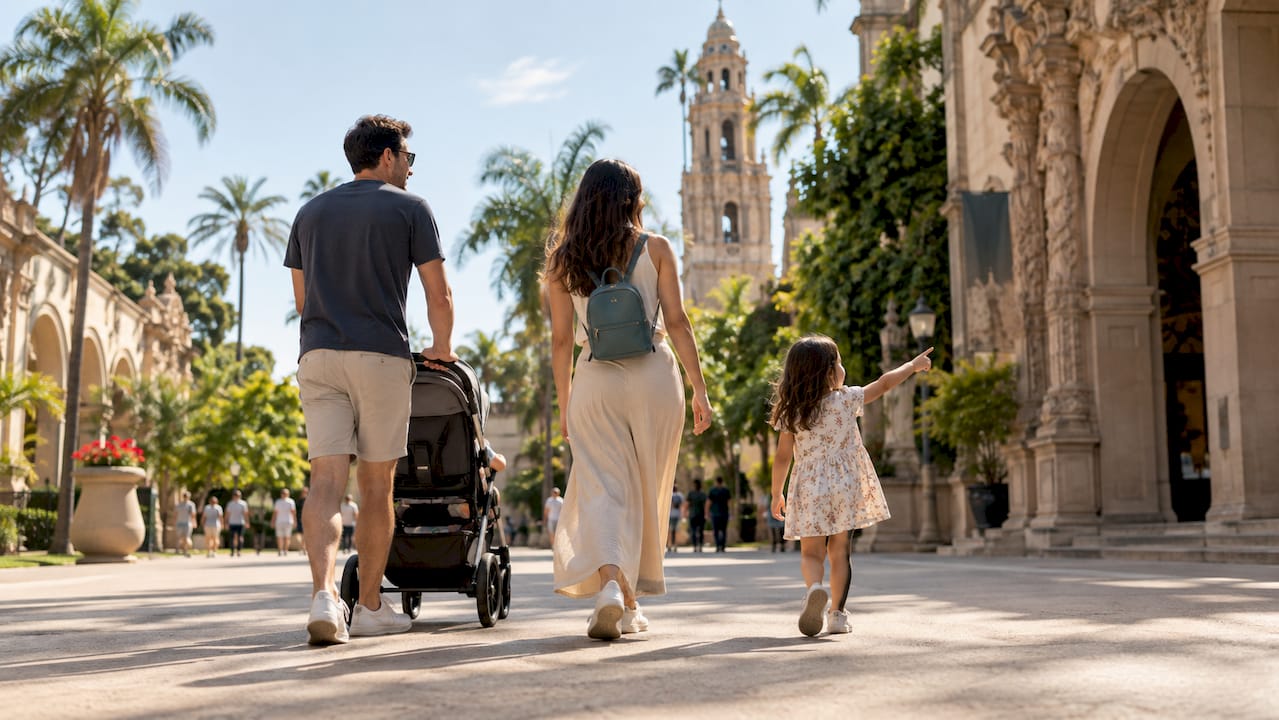
    If you only have time for a few big swings, hit Balboa Park for museums and green space, the San Diego Zoo for the animal wow factor, and La Jolla Cove for tide pools and easy beach play. Add LEGOLAND for kids under 10 who love rides, or SeaWorld if marine shows are the draw. Pick based on your kid’s age and energy that day, then use the itineraries below to build the rest of the trip around it.


    TL;DR:

    • Visits to Balboa Park and its nearby museums provide the most compact, stroller-friendly museum experience with minimal rushing, especially for first-time visitors.
    • The San Diego Zoo is best enjoyed early in the morning and requires at least four hours to see highlights and experience attractions like the Skyfari tram.
    • Tide pools at La Jolla Cove are safest and most interesting during low tide, requiring careful timing and water shoes for slippery rocks.
    • Booking tickets online in advance and arriving early at popular attractions prevent long lines and help manage parking difficulties, especially near Balboa Park and La Jolla.
    • Small neighborhood parks, community events, and free indoor activities offer budget-friendly alternatives to major tourist spots, often with fewer crowds and a more relaxed pace.

    Socalsights
    Find More Family-Friendly Hidden Gems
    SoCal Sights shares curated Southern California activities, food spots, and itineraries for authentic experiences beyond the usual attractions.

    Table of Contents

    Family Activities San Diego: Top Attractions Worth Your Time

    San Diego has an unusual advantage over most vacation cities: the big attractions and the free ones sit close together, so you rarely have to choose between splurging and saving. I’ve grouped the following by what each place actually delivers for kids, not just by fame, because a few of the most talked about spots are better suited to certain ages than others.

    1. Balboa Park

    This is the park I send every first time visitor to, hands down. It has more than a dozen museums clustered around walkable plazas, plus the San Diego Zoo sits right on its northern edge. Bring a stroller, because the paths are flat and wide, and plan a half day minimum if you want to see even two museums without rushing toddlers through exhibits.

    2. San Diego Zoo

    Arrive at opening if you can. The zoo sprawls across a canyon, and the animal activity (and your kids’ patience) peaks in the cooler morning hours before crowds and heat set in. Budget four to six hours, and don’t skip the Skyfari aerial tram, which doubles as a rest stop that still feels like an attraction.

    3. San Diego Zoo Safari Park

    Located about 35 minutes north in Escondido, this sister park trades zoo enclosures for open-range savanna where giraffes and rhinos roam close to the road. It suits kids around six and up better than toddlers, mostly because the safari tram tours and larger walking distances reward longer attention spans. If your family already did the zoo, this feels different enough to be worth a second day.

    4. La Jolla Cove and tide pools

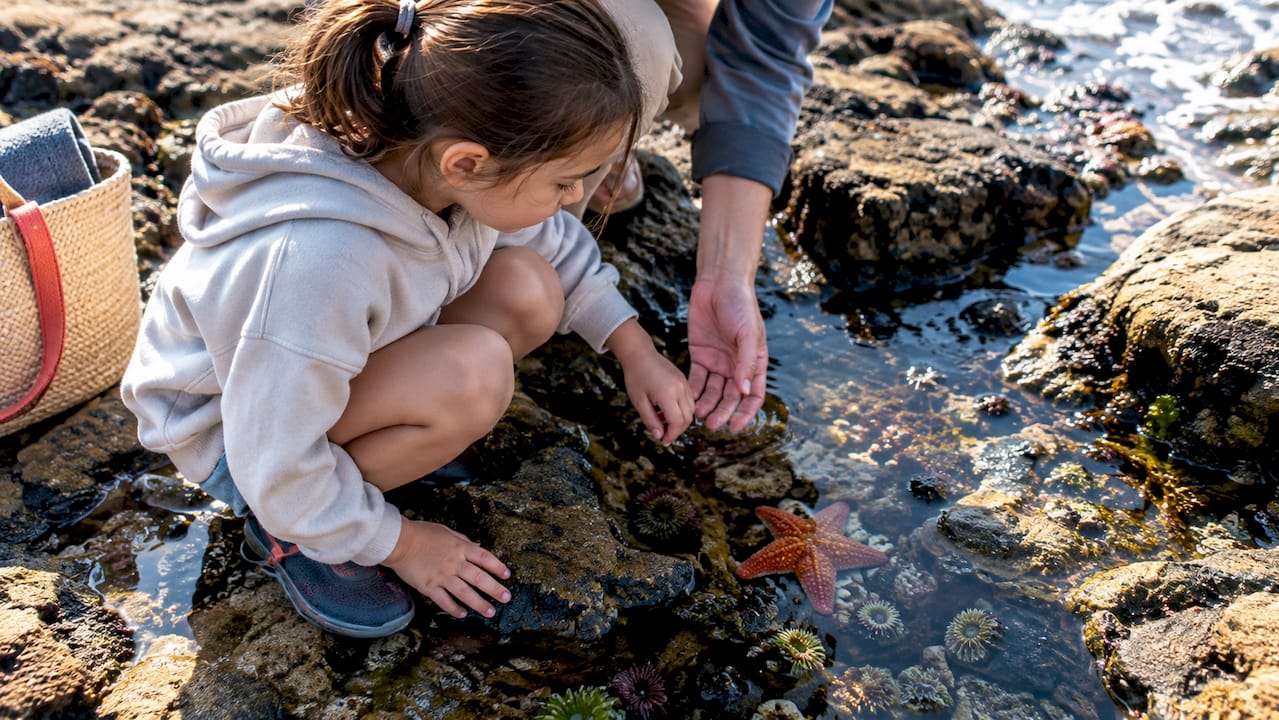
    Check a tide chart before you go. Low tide reveals sea stars, anemones, and hermit crabs in shallow pools that toddlers can peer into safely with a grown up’s hand nearby, while the cove itself is calm enough for gentle wading. Bring water shoes. The rocks are slippery, and bare feet turn a magical moment into a meltdown fast.

    Child examining La Jolla tide pool

    5. LEGOLAND California

    Carlsbad’s LEGOLAND is built almost entirely for kids under 10, with ride heights and pacing that make it one of the few theme parks where a five-year-old doesn’t feel like an afterthought. If your children have outgrown Duplo blocks and are angling for roller coasters, this park will feel a little young. For the LEGO obsessed six-year-old, it’s close to perfect.

    6. SeaWorld San Diego

    The marine shows and up close animal encounters still draw families, though it’s worth noting the park has shifted its programming over the years in response to public pressure around orca exhibits. Younger kids tend to respond best to the sea lion and dolphin encounters, while the bigger rides skew toward older siblings.

    7. USS Midway Museum

    Docked at the Embarcadero, this retired aircraft carrier turns naval history into a hands-on adventure with flight simulators and cockpits kids can actually climb into. It plays best for school age kids who can handle stairs and ladders. Strollers are tough to navigate below deck, so plan accordingly if you have a napping toddler in tow.

    8. Belmont Park

    Entry to this Mission Beach boardwalk is free, and you only pay for the rides you choose, which makes it an easy stop even on a tight budget. The wooden Giant Dipper roller coaster has been running since 1925, and the arcade and mini golf give younger kids something to do while older siblings ride.

    9. Fleet Science Center and Birch Aquarium

    Both are the move when fog rolls in or the kids need an indoor reset. The Fleet Science Center in Balboa Park mixes hands on exhibits with an IMAX theater, while Birch Aquarium at Scripps up in La Jolla pairs tide pool touch tanks with ocean science exhibits that make the beach trip you just took feel a little more educational in hindsight.

    Best Neighborhoods for a Family Home Base

    Where you sleep shapes your whole trip more than most people plan for. San Diego is spread out, and a 25-minute drive can turn a spontaneous afternoon into a scheduling headache with tired kids in car seats.

    • Downtown and the Embarcadero puts you next to the USS Midway, harbor cruises, and Seaport Village, with flat, stroller friendly sidewalks along the water.
    • Balboa Park and Uptown centers you near the museum cluster, several playgrounds, and the Botanical Building, and it’s roughly equidistant from downtown and the beaches.
    • La Jolla is the pick for tide pool families and gentle beach walks, though parking fills fast on weekends and tide timing matters more here than anywhere else in the city.
    • Mission Beach and Pacific Beach put Belmont Park and a wide, lifeguard staffed boardwalk right outside your door, with casual, kid tolerant dining scattered every block.
    • North County and Carlsbad makes sense if LEGOLAND or the seasonal flower fields are a priority, since both areas are a slog from downtown during traffic hours.

    For lodging, prioritize a room with a small fridge or kitchenette and in unit laundry if you’re staying more than three nights. Free breakfast sounds minor until you’ve tried to get four people fed and out the door by 9 a.m. without it. Parking is the other quiet cost. Many downtown and La Jolla hotels charge daily parking fees on top of the room rate, so factor that into your budget before you book.

    If a beach vacation is really the goal and the crowds at the popular spots feel like too much, it’s worth browsing quieter stretches of San Diego coastline that don’t show up on every list.

    Museums With Real Family Programming

    The museums that keep kids engaged aren’t just the ones with dinosaur bones. They’re the ones running actual scheduled family programs you can plan a visit around.

    • Fleet Science Center rotates hands-on exhibits regularly and runs IMAX showings throughout the day, so check the schedule before you go to time your visit around a film your kids will sit through.
    • San Diego Natural History Museum in Balboa Park has kid focused trails and exhibits that hold up well for elementary age children who like fossils, wildlife, and things they’re allowed to touch.
    • San Diego Museum of Art runs Family Art Adventures on the second and fourth Saturdays of each month, free with museum admission, which makes it one of the easiest recurring dates to build a Balboa Park morning around.
    • Museum of Contemporary Art San Diego hosts monthly family programming with a playful, activity based structure that works well for kids who find traditional galleries slow.
    • Birch Aquarium runs tide-pool touch displays and scheduled feeding times that give a visit natural pacing, since kids tend to stay more engaged when there’s a specific moment to watch for.
    • Maritime Museum and USS Midway both lean interactive, with cockpits, engine rooms, and ship decks kids can explore, best suited to ages six and up who can manage stairs comfortably.

    Because these programs run on repeat monthly schedules rather than one-off events, it’s worth building your Balboa Park day around whichever Saturday lines up with Family Art Adventures if art is even a mild interest for your kids.

    Outdoor Time: Beaches, Tide Pools, and Trails

    San Diego’s outdoor activities for families work best when you plan around tides and trails rather than just picking a beach and hoping.

    • La Jolla Cove tide pools are only fully exposed during low tide windows, so check a tide chart the night before and aim to arrive within an hour of the lowest point.
    • Torrey Pines State Natural Reserve has several kid manageable trails with ocean views, though parking fills early on weekends. Arriving before 9 a.m. saves you a long wait, and the California State Parks site has current access rules worth checking before you go.
    • Sweetwater Marsh and the Living Coast run guided Sweetwater Safari Hikes that hand out backpacks loaded with magnifying glasses and binoculars, turning a simple nature walk into a scavenger hunt kids actually stay interested in.
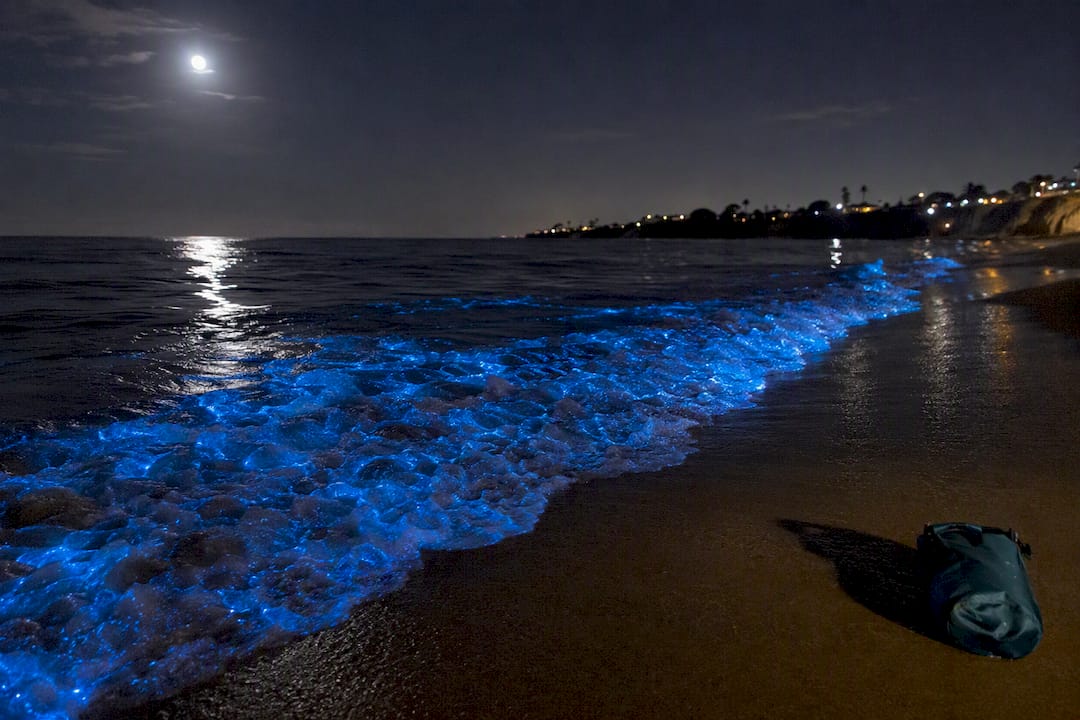
    • Bioluminescence and whale watching are seasonal. Whale watching runs roughly December through April, while bioluminescent waves show up unpredictably in warmer months, so treat either as a bonus rather than the centerpiece of a day.
    • Beach safety basics matter more here than people expect: pick lifeguard-staffed beaches, reapply sunscreen more than you think you need to, and scout for shade and restroom access before you settle in for the afternoon.

    Pro Tip: If your kids are tide pool obsessed, a dedicated guide to San Diego’s best tide pool spots breaks down exactly which pools stay shallow enough for younger kids and which ones require sturdier footing.

    Free and Budget-Friendly Family Fun

    A full week in San Diego doesn’t have to mean a full week of ticket prices. Some of the best family days here cost nothing beyond gas and sunscreen.

    Kids Free San Diego is a seasonal program that a rotating group of attractions participate in, typically offering free or discounted child admission with a paying adult, though participating venues and dates shift year to year, so check current listings before building a day around it.

    • San Diego History Center offers Free Tuesday admission for some groups and periodically runs family programs like its History Explorers series, which is worth checking if a rainy or overly hot day lands on a Tuesday.
    • Neighborhood street fairs and farmers markets pop up constantly across the city, and the City of San Diego’s official events calendar is the most reliable place to catch ones happening during your visit, since a lot of these never make it onto national travel sites.
    • Free playgrounds and picnic spots are scattered through Balboa Park, Mission Bay Park, and most beach communities, and a picnic lunch packed from a grocery store easily beats paying theme park prices for a mediocre sandwich.
    • Belmont Park’s boardwalk costs nothing to walk through, and you can let kids window shop the arcade and ride a couple of attractions without committing to a full day pass.

    Small, community-run events tend to draw thinner crowds than the major tourist hubs anyway, and they’re frequently the kind of thing you only hear about by checking local listings rather than a national “best of” article.

    Sample Family Itineraries for San Diego

    These are built to flex. If a kid melts down or naps longer than planned, cut the last stop and pick it back up the next day.

    1. The one-day plan

    Start at La Jolla Cove for tide pools during the morning low tide window, then walk or drive the short distance to Birch Aquarium for a couple of hours indoors once the sun gets strong. Finish with an early dinner in La Jolla or head downtown for a sunset harbor cruise if energy allows.

    2. The three-day plan

    Day one covers Balboa Park: hit one or two museums in the morning, break for lunch on the plaza, and save the afternoon for the San Diego Zoo next door, or split the zoo into its own half day if your kids move slowly through exhibits. Day two is beach and boardwalk. Spend the morning at Mission Beach or Pacific Beach, then let older kids loose at Belmont Park in the afternoon. Day three heads downtown for the USS Midway in the morning, followed by lunch at Seaport Village and a relaxed harbor walk before dinner.

    3. The five-day plan

    Layer the three-day plan above, then add a full day trip north to Carlsbad for LEGOLAND, or swap in the San Diego Zoo Safari Park if your kids are older and animals beat rides. Give day five over to a slow beach morning with no schedule, then a low-key evening back near your hotel. If you want a more detailed North County day trip breakdown, this guide to day trips from San Diego covers Carlsbad options in more depth, and a broader San Diego weekend itinerary can help you rearrange the order based on your flight times.

    For rainy or unusually hot days anywhere in this plan, swap the outdoor stop for Fleet Science Center or Birch Aquarium, both of which absorb a weather surprise without wrecking the day.

    Ticket, Parking, and Dining Logistics

    The details that actually derail a family day usually aren’t the big decisions. They’re parking, timing, and whether anyone remembered snacks.

    • Book timed-entry tickets for the San Diego Zoo, Safari Park, and LEGOLAND online in advance, especially during summer and school holidays, since walk-up lines run long and official attraction sites post real-time schedule changes you won’t see anywhere else.
    • Parking at Balboa Park is free in most lots but fills by mid morning on weekends, so arriving before 10 a.m. saves real frustration.
    • La Jolla parking near the cove is limited and metered. A short walk from a side street usually beats circling for a spot right at the water.
    • Downtown and the Embarcadero are walkable enough that a ride-share or the trolley can save you the parking fees most hotels charge.
    • Stroller access is solid at Balboa Park and the Embarcadero, but tougher aboard the USS Midway and on some Torrey Pines trails, so plan a baby carrier as backup.
    • Family dining works best at casual, counter-service spots near the big attractions rather than sit-down restaurants that test a toddler’s patience. Packing snacks for the car ride between stops avoids a hangry meltdown at the worst possible moment.
    • Sun protection matters year-round here, not just in summer. San Diego’s marine layer burns off by midday even on mild-looking mornings.

    Hidden Gems Locals Actually Take Their Kids To

    The big list attractions earn their reputation, but some of the best family afternoons I know of come from smaller, quieter spots that rarely make it onto national roundups.

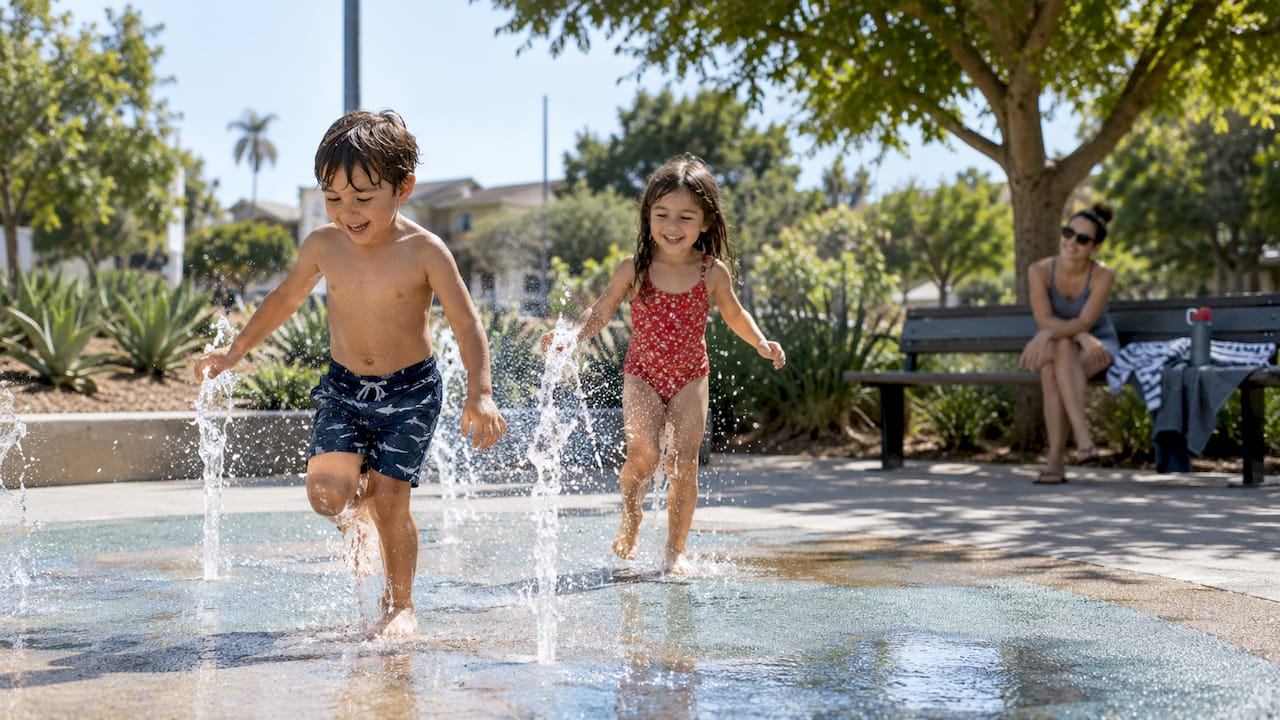
    Neighborhood library story times and small community centers across the city run free weekend programs that rotate seasonally, and they’re an easy way to fill a slow morning without spending anything. Pocket parks in North Park and South Park often have splash pads that stay far less crowded than the big beach days everyone else is having. Seasonal pop-up events, like holiday tree lightings in smaller neighborhoods or spring plant sales at community gardens, tend to draw a local crowd rather than a tourist one, which usually means shorter lines and friendlier pacing for young kids.

    Children playing at neighborhood splash pad

    The trick to finding these is checking neighborhood-level sources rather than city-wide “top ten” lists. SoCal Sights tracks a rotating set of these smaller finds precisely because they don’t show up consistently anywhere else, and our approach to curation leans on community submitted picks as much as our own scouting.

    Pro Tip: If you want a weekend with fewer crowds, search for events posted within the last two weeks rather than evergreen “best of” lists. Local community calendars update constantly, and a lot of the best small family events only get posted a few days ahead of time.

    A Local’s Quick Take on Family Time in San Diego

    My honest favorite low-key family outing here isn’t any of the headline attractions. It’s an early morning at La Jolla Cove during a good low tide, followed by a slow breakfast at a nearby café before the crowds show up. No tickets, no lines, no schedule to manage. Just a kid crouched over a tide pool for twenty minutes straight, completely absorbed.

    If there’s one thing I’d tell every parent booking a San Diego trip, it’s to front-load the big ticketed attractions early in the morning and save the free stuff for afternoons when energy and patience are already fading. Crowds at the zoo and LEGOLAND peak between 11 a.m. and 2 p.m., and the value gap between a 9 a.m. arrival and a noon arrival is bigger than most guides let on.

    — Joshua

    Let SoCal Sights Help You Build the Rest of the Trip

    This guide offers an alternative to generic “top 10” travel roundups by highlighting neighborhood-level picks and seasonal events. Instead of a static list, you get neighborhood-level picks, updated seasonal events, and itineraries built around how families actually move through a city, not how a tourist board wants you to.

    Socalsights

    Once you’ve locked in your must-do attractions from this guide, the harder part is usually filling the gaps between them without burning out your kids or your patience. That’s where our local activities guide comes in handy, since it’s built to surface smaller, community-sourced picks near wherever you’re staying rather than repeating the same ten attractions every site already covers. If you’re staying near the beach, our guide to quieter San Diego beaches is worth a look before you commit to the crowded main strips, and if you’re weighing a broader Southern California family trip, our family bucket list ideas organized by age and budget can help you plan beyond just San Diego. Browse the guide, save a few picks that fit your kids’ ages, and build your own version of the itinerary above.

    Sources

    FAQ

    What are some fun things to do with kids in San Diego today?

    If you’re planning something last minute, check the City of San Diego events calendar first, since neighborhood fairs and pop-up events often aren’t listed anywhere else. Beyond that, Balboa Park, La Jolla Cove tide pools, and Belmont Park all work well for a same-day, low-planning outing.

    What is a good 3-day itinerary for San Diego with kids?

    A solid three-day plan pairs Balboa Park and the San Diego Zoo on day one, a beach day at Mission Beach or Pacific Beach with Belmont Park on day two, and the USS Midway plus a downtown harbor walk on day three. This sequencing groups nearby attractions together so you’re not driving across the city each morning.

    What are some fun things to do in San Diego for 5 days with kids?

    Extend the three-day plan above with a full day trip to LEGOLAND in Carlsbad or the San Diego Zoo Safari Park in Escondido, then close with a slow, unscheduled beach morning on day five. This keeps the trip from feeling like a checklist and gives kids recovery time before travel days.

    What are the most family-friendly areas in San Diego?

    Balboa Park and Uptown offer the most central base for museum-heavy trips, while La Jolla suits families prioritizing tide pools and calmer beaches. Mission Beach and Pacific Beach work best for families wanting boardwalk activities and casual dining within walking distance of the sand.

    Are there good free family activities in San Diego?

    Yes. Balboa Park’s outdoor spaces, Belmont Park’s free boardwalk entry, and rotating museum free days like the San Diego History Center’s Free Tuesday all cost nothing beyond transportation. Checking the city’s events calendar regularly also turns up free neighborhood festivals throughout the year.

  • Three Timed Ojai Day Trip Itineraries to Catch the Pink Moment

    Three Timed Ojai Day Trip Itineraries to Catch the Pink Moment

    Arrive by mid-morning, spend a couple of hours wandering downtown and grabbing lunch, then pick either a short trail or an olive oil tasting before heading to a viewpoint for the pink moment at sunset. A single day covers Ojai’s highlights comfortably. If you want to add a winery, a longer hike, or a lazy morning at the farmers market, plan on staying overnight instead. Aim to roll into town between 9:30 and 11:00 a.m.


    TL;DR:

    • Arriving early (8:30-9:00 a.m.) allows for hiking before the crowds and ensures enough time for a full day of activities.
    • The full-day schedule balances sightseeing, tasting, and scenic drives, with opportunities to extend your visit with additional stops or a longer hike.
    • The relaxed itinerary suits late risers, skipping outdoor activities and sunset viewing, and fitting into a narrow, leisurely afternoon.
    • Key attractions like Bart’s Books, Libbey Park, and Ojai Olive Oil are best enjoyed with flexible time to avoid rushing, especially during weekends or busy hours.
    • Planning your visit around the pink moment at sunset requires arriving at sunset-viewing spots at least 15 minutes early and checking the weather forecast for optimal visibility.

    Socalsights
    Find More Authentic Southern California
    SoCal Sights shares local recommendations for hidden gems, food spots, activities, and unique itineraries across Southern California.

    Explore SoCal Sights

    Table of Contents

    Ojai Day Trip Itinerary: Three Ways to Spend Your Day

    There’s no single “right” way to do an Ojai day trip. Your ideal schedule depends on how early you can leave, how much walking you want to do, and whether the pink moment is a must-see or a nice bonus. Here are three itineraries built around real start times, not wishful thinking.

    The relaxed schedule (arrive 10:30–11:00 a.m.)

    This one is for late risers or anyone driving up after a slow breakfast at home.

    1. 10:30–11:00 a.m.: Arrive downtown, park near the Arcade.
    2. 11:00 a.m.–12:30 p.m.: Browse Bart’s Books and the Arcade shops.
    3. 12:30–1:30 p.m.: Lunch at a patio spot near downtown.
    4. 1:30–2:30 p.m.: Short walk through Libbey Park or a quick stop at Ojai Olive Oil Company.
    5. 2:30–3:30 p.m.: Coffee or dessert, light shopping, then head back before evening traffic builds.

    This version skips the hiking and the sunset chase. It suits visitors who’d rather enjoy a slower pace than pack in five stops.

    The full-day schedule (arrive 9:30–10:00 a.m.)

    This is the itinerary most first-time visitors should follow, and it’s the one that actually delivers on the “day trip” promise.

    1. 9:30–10:00 a.m.: Arrive and grab a pastry and coffee downtown.
    2. 10:00–10:45 a.m.: Bart’s Books, then a lap through the Arcade.
    3. 10:45–11:30 a.m.: Farmers market (Sundays only) or a quick stop at the Ojai Valley Museum.
    4. 11:30 a.m.–12:30 p.m.: Lunch at a garden-patio restaurant.
    5. 12:30–1:30 p.m.: Ojai Olive Oil Company tasting, or a 30 to 45 minute walk at Ojai Meadows Preserve.
    6. 1:30–3:00 p.m.: Downtown or Highway 150 scenic drive, more browsing, or a second short trail.
    7. 3:00–5:00 p.m.: Free time, coffee break, or an early dinner reservation.
    8. Sunset (varies by season): Head to Libbey Park or a highway overlook for the pink moment before driving back.

    This schedule gives you breathing room between activities so nothing feels rushed, and it still gets you home the same night.

    The active, early-start schedule (arrive 8:30–9:00 a.m.)

    Leaving Los Angeles before the sun’s fully up pays off if you want a real hike alongside the town highlights.

    1. 8:30–9:00 a.m.: Arrive early, beat the breakfast crowds at a downtown café.
    2. 9:00–10:30 a.m.: Hike a section of Shelf Road or the Pratt, Foothill, and Fox Canyon loop.
    3. 10:30–11:15 a.m.: Bart’s Books and a quick Arcade walk.
    4. 11:15 a.m.–12:15 p.m.: Lunch, ideally somewhere with fast counter service since you’re behind the other two itineraries by now.
    5. 12:15–1:30 p.m.: Olive oil tasting or a small winery tasting room.
    6. 1:30–3:30 p.m.: Second short walk or a visit to a local gallery.
    7. Pink moment: Watch it from Ojai Meadows Preserve or a Highway 150 pullout, then decide whether to grab a quick dinner before driving home or beat the worst of the evening traffic.

    If a restaurant has a long wait, don’t stand in line burning daylight. Grab sandwiches from a market and picnic in Libbey Park instead. If the trails feel too hot for midday hiking, swap in a shaded walk through the preserve rather than skipping outdoor time altogether.

    Pro Tip: Build in one flexible 30-minute block in the early afternoon of any itinerary. Ojai rewards wandering into a gallery you didn’t plan on or lingering over a second coffee, and that buffer keeps a delay from wrecking your pink moment timing.

    Visitor viewing artwork in an Ojai gallery

    Which Ojai Attractions Are Worth Your Time?

    Not every stop deserves equal billing when you’re working with one day. Here’s how to prioritize the essentials among Ojai’s best attractions.

    • Bart’s Books: An outdoor, open-air bookstore where shelves spill into a courtyard and you pay for after-hours reads through an honor-system slot in the door. Budget 20 to 45 minutes, more if you’re a browser.
    • Downtown Arcade and Libbey Park: The Spanish-style Arcade holds galleries, boutiques, and cafés in a compact, walkable stretch, a design that rewards meandering rather than rushing between shops. Pair it with a stroll through Libbey Park, especially if you plan to return for sunset. Give this combo 20 to 60 minutes depending on how many shops pull you in.
    • Ojai Olive Oil Company: A working tasting room where you sample estate-grown olive oils and, often, flavored vinegars. Tastings typically run 30 to 45 minutes and don’t require a reservation for small groups, though calling ahead helps on weekends.
    • Ojai Meadows Preserve: A flat, easy 58-acre stretch of restored grassland with wide views of the Topatopa Mountains, maintained by the Ojai Valley Land Conservancy. It’s the best low-effort option if you want nature without a real hike.
    • Optional add-ons: The Ojai Valley Museum for local history, a small gallery or two in the Arcade, or the seasonal Sunday farmers market if your visit lands on the right day.

    Where to Eat and Drink Without Losing Half Your Day

    Food stops can eat your schedule if you let them, so plan around what’s fast versus what’s worth the wait.

    • Morning: Grab pastries and coffee at a downtown café before the Arcade gets busy. Fifteen minutes, in and out.
    • Lunch: Garden-patio spots near downtown handle the midday rush well, but a favorite like Farmer and the Cook draws a crowd on weekends. If seating looks tight, quick-counter alternatives keep you moving.
    • Tastings: Slot an olive oil tasting or a small winery pour into your early afternoon window rather than treating it as a whole separate outing.
    • Evening: If you’re staying for the pink moment, an early dinner or a glass of wine downtown beforehand makes more sense than trying to squeeze in a full sit-down meal afterward in the dark.

    Pro Tip: If you’re visiting on a Saturday or Sunday, call ahead for lunch reservations. Weekend crowding hits dining and tasting rooms harder than it hits sightseeing, so a five-minute phone call in the morning saves you a 40-minute wait at noon.

    When Should You Leave, and Where Do You Park?

    Getting the timing right matters more than most people expect on an Ojai day trip.

    Leaving Los Angeles earlier in the morning generally improves your odds of a smooth drive on Highway 101 and Highway 33, since both routes see predictable congestion around typical commute windows. There’s no guaranteed magic departure time, but a mid-morning arrival goal usually means leaving before the roads fill up.

    • Parking downtown is a mix of metered street spots and small public lots. Downtown Ojai is compact enough that once you park, you can walk to nearly every stop on this list.
    • Pack water, a light layer for the evening chill, sunscreen, and shoes you can actually walk a trail in, not just browse a bookstore in.
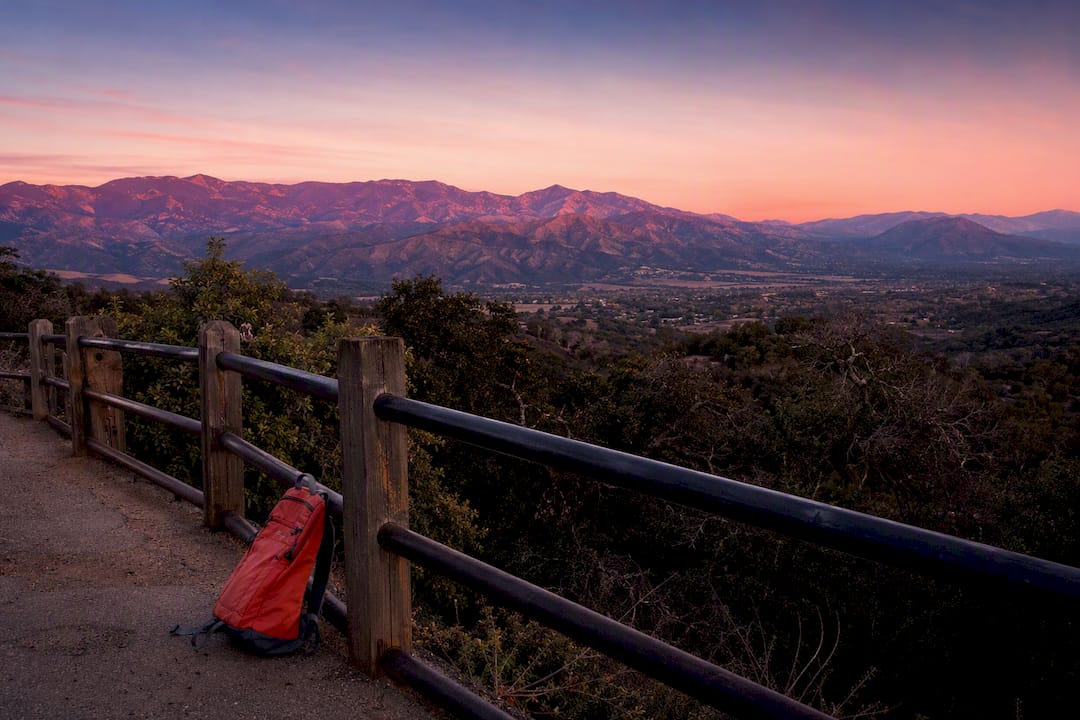
    • Pink Moment: The Topatopa Mountains glow rose-orange for a brief period at sunset, a valley-wide effect best seen from Libbey Park, Ojai Meadows Preserve, or a Highway 150 overlook. Clear skies and low humidity make it more vivid, so check the evening forecast and get to your spot 15 to 30 minutes before sunset.

    What Locals Notice That Guidebooks Skip

    I’ve spent enough afternoons in Ojai to know the difference between a schedule that looks good on paper and one that actually works once you’re standing in the heat deciding what to skip. The itineraries above come from watching where visitors lose time, not just from mapping distances.

    The bench near the rose garden side of Libbey Park tends to be less crowded than the main lawn during pink moment, and weekday mornings before 10:00 a.m. are the quietest window for Bart’s Books before tour groups show up. If the farmers market is running, plan your Bart’s Books visit for after, not before. The market crowd thins out the Arcade foot traffic in a way that makes browsing easier.

    These recommendations arise from a mix of on-the-ground visits and tips shared by locals who know which spots get overrun and when. Recommendations get revisited as seasons and businesses change, so the plan reflects how Ojai actually runs, not just how it looks in a brochure.

    Is a Single Day Really Enough for Ojai?

    Most guides treat Ojai like a checklist to clear in one visit, and that’s where they get it wrong. The town rewards slowness, not speed, and trying to hit every gallery, trail, and tasting room in one day usually means enjoying none of them fully.

    Quiet oak-lined trail in Ojai foothills

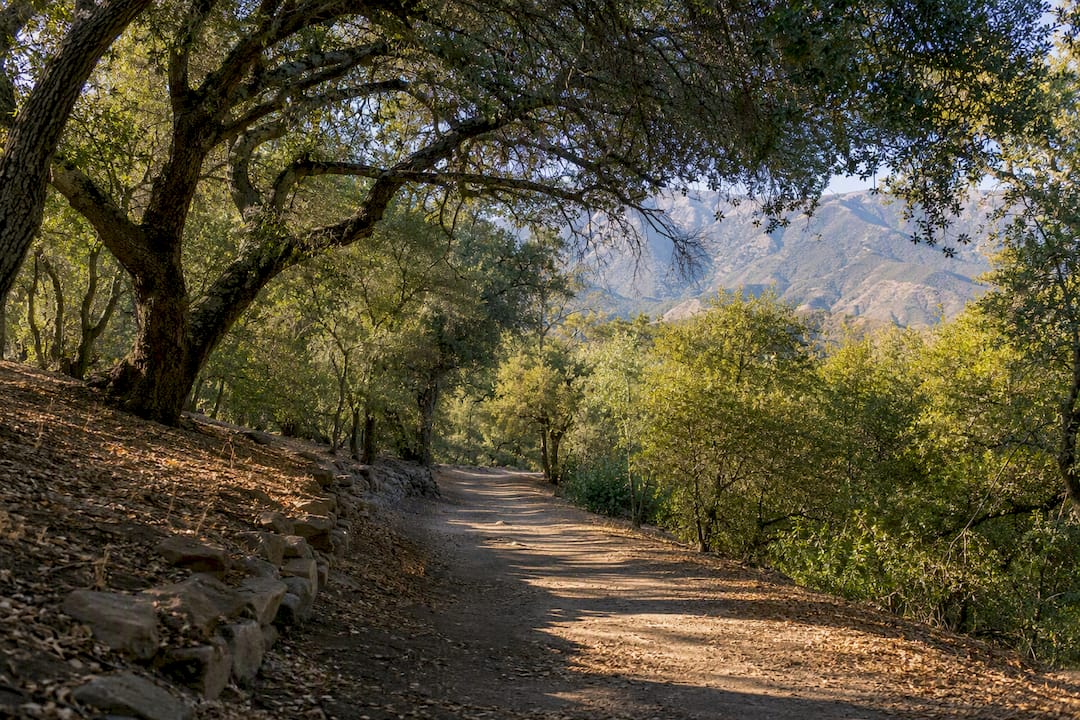
    The real judgment call isn’t whether you can see Ojai in a day. You can. It’s whether you’re willing to skip things on purpose. Pick one outdoor activity, not three. Pick one tasting, not a full flight of wineries. The visitors who leave happiest are the ones who treated this like a curated afternoon instead of a scavenger hunt.

    If there’s one piece of conventional advice worth ignoring, it’s the instinct to cram in “just one more stop” before the pink moment. That extra errand is almost never worth trading away the sunset you drove up for.

    — Joshua

    Grab the Printable Ojai Itinerary and Plan Your Next Getaway

    If you’d rather not juggle three itineraries on your phone while driving up Highway 33, a printable version of this schedule is available, with map links to each stop and a checklist you can mark off as you go, so you spend less time deciding and more time actually in Ojai.

    Socalsights

    That printable format works alongside this guide rather than replacing it: use the checklist for the logistics (parking, timing, pink moment windows) and the article for the reasoning behind each choice. And if one day in Ojai leaves you wanting more, especially after seeing how much the town has packed into a few walkable blocks, it’s worth looking at what a full weekend could add. Our guide to the best weekend getaways from Los Angeles breaks down Ojai alongside eleven other spots worth the extra night, with notes on where to stay and what to add to your schedule once you’re not racing the sunset home.

    Sources

  • Eat Like a Local: 6 Los Angeles Food Halls That Launch Chefs

    Eat Like a Local: 6 Los Angeles Food Halls That Launch Chefs

    My six picks for Los Angeles food halls: Grand Central Market for downtown history and range, Mercado La Paloma for chef-driven community energy, BLVD MRKT for weekend party vibes, Rodeo 39 Public Market for family-friendly variety, The Hangar for Long Beach charm, and Blossom Market Hall for San Gabriel Valley discovery. Each one earns its spot for a different reason, and I’ll break down exactly why below.


    TL;DR:

    • Check vendor hours at Grand Central Market to ensure your preferred stalls are open when you visit.
    • Mercado La Paloma offers chef-driven stalls with buzz-worthy recognition, making it ideal for culinary discovery.
    • Visiting on weekdays and early afternoons helps to avoid crowds and shorter lines at most Los Angeles food halls.
    • Parking and neighborhood transit vary widely; downtown halls often have limited parking compared to suburban options.
    • Preparing a day around your food hall visit can include nearby attractions, affordable parking, and event calendars for a richer experience.

    Table of Contents

    Which Los Angeles food halls should you actually visit?

    I’ve spent enough Saturdays wandering these spaces to know they’re not interchangeable. Each one has its own personality, crowd, and reason to exist.

    • Grand Central Market is the granddaddy of them all, running since 1917 and still pulling together independent merchants and artisans under one downtown roof. It’s the pick when you want maximum variety in one stop, from Eggslut’s breakfast sandwiches to decades-old produce stalls. Because vendor hours vary by stall inside the market, check the specific vendor’s schedule before you make the trip for one dish.

    • Mercado La Paloma feels different the moment you walk in. It’s rooted in Mexican market tradition, run by a nonprofit, and stocked with chef-driven stalls that press coverage has connected to serious culinary recognition, including Michelin buzz. This is the spot for readers who want the “hidden gem that became a big deal” story.

    • BLVD MRKT in Anaheim brings the open-air party energy, with DJs and weekend programming that turns a meal into an event. Go here when you want the hall itself to be the destination, not just the food.

    • Rodeo 39 Public Market in Stanton is built for a mixed crowd, pairing a big vendor lineup with family-oriented attractions on site. If you’re wrangling kids or a group with wildly different cravings, this is your low-friction option.

    • The Hangar in Long Beach leans into local history with its name and setting, packing in a wide vendor roster inside a converted space. Southern California’s food hall scene consistently lists it among the region’s more ambitious multi-vendor projects.

    • Blossom Market Hall occupies a historic building in the San Gabriel Valley, and the setting alone makes it worth a detour. Expect a diverse vendor mix that reflects the neighborhood’s deep culinary roots.

    Worth a mention outside the modern food hall wave: the Original Farmers Market at 3rd and Fairfax has operated as a market-style destination for generations, with merchant-specific hours and sit-down stalls that function a lot like today’s halls when you’re planning a visit.

    What should you expect walking into an LA food hall?

    Picture an open floor plan with a ring of vendor counters, shared communal seating, and a mix of quick-casual stalls next to the occasional splurge-worthy specialty spot. Nobody’s handing you a menu at a hostess stand. You walk the floor, pick your stalls, and order directly.

    Price bands stay approachable for most vendors: think $8 to $16 for a solid plate, with pricier specialty items (oysters, aged steaks, artisanal desserts) pushing higher. Cuisine variety is the whole point here, and most halls now stock at least a few vegetarian, vegan, or allergen-conscious options among the stalls.

    Amenities have caught up too. Beer and wine service, outdoor patios, and recurring event programming like vinyl nights and live music now show up at halls across the region, turning a lunch stop into something closer to a small festival. Some spaces, like The Hangar, sit in repurposed historic buildings, which adds a layer of local character you won’t get at a standard restaurant row.

    Live music event inside historic food hall

    How do you pick the right food hall for your visit?

    Not every hall fits every mood. Run through this checklist before you commit to one:

    1. Match the hall to your intent. A date night calls for BLVD MRKT’s evening energy; a family outing points toward Rodeo 39’s kid-friendly layout; solo tasting missions favor Grand Central Market’s sheer stall count.
    2. Check transit, parking, and neighborhood feel. Downtown LA parking near Grand Central Market fills fast on weekends, while suburban halls like Rodeo 39 usually offer easier lots.
    3. Scan the vendor roster for standouts. Mercado La Paloma’s chef-driven stalls are worth researching by name before you go, since some have built real culinary reputations.
    4. Compare weekday versus weekend hours. Weekends bring bigger crowds and more programming; weekdays bring shorter lines and calmer seating.
    5. Filter by budget and dietary needs. Most halls post vendor lists online, so you can confirm vegetarian, vegan, or allergen-friendly options before you leave the house.

    Pro Tip: If you’re chasing one specific vendor rather than the hall experience overall, call or check that vendor’s own posted hours. Halls run on a shared schedule, but individual stalls inside can open late, close early, or take random days off.

    How do you make the most of your visit once you’re there?

    Timing changes everything at a busy hall. Here’s how to visit smarter, not just hungrier:

    • Go on a weekday morning or early afternoon to dodge the worst lines, since weekday visits consistently beat weekend crowds at popular halls.
    • Order directly at the stall counter, and check if the vendor offers mobile pre-ordering for pickup, since some busier counters now support it.
    • Grab a seat before you order if the hall looks crowded, then split up your group to hit different stalls at once.
    • Bring cash as backup, even though most vendors take cards, since a handful of smaller stalls still run cash-preferred.
    • Check the event calendar before you drive over. A DJ set, live music night, or themed pop-up can turn a routine visit into the reason you came in the first place.
    • Look up parking specifics for your target hall, since downtown lots differ wildly in price from suburban surface lots at places like Rodeo 39.

    Why food halls matter beyond the meal

    Food halls do more than feed people — they help you meet locals when traveling and experience authentic community culture. They’re quietly rebuilding neighborhoods. Many occupy repurposed buildings that were once vacant factories, storefronts, or fraternal lodges, and filling that space with a dozen small businesses keeps money circulating locally instead of flowing to a single chain restaurant.

    Mercado La Paloma shows the clearest version of this effect. It’s a nonprofit-run space that’s given small, often family-run food businesses a stage to prove themselves, and some of those vendors have gone on to earn serious culinary recognition. That’s the real promise of a food hall stall: low overhead, real foot traffic, and a shot at building a following before ever opening a standalone restaurant.

    Family-run food stall preparing plated dish

    The event programming layered on top, from art shows to live sets, turns these spaces into genuine cultural hubs rather than glorified food courts. That’s the difference between a place you eat and a place you actually want to spend your afternoon.

    A local’s take on food-hall hopping

    I’ll say the unpopular thing: the “best” food hall isn’t the one with the longest Instagram queue, it’s the one that fits what you’re actually craving that day. Mercado La Paloma rewards people willing to research vendors ahead of time. Grand Central Market rewards people who just want to wander and pick something that smells good.

    Pair a visit with something nearby. Grand Central Market sits close to plenty of solid photo-worthy spots if you want to stretch the afternoon, and a coffee crawl through downtown makes a natural bookend before or after you eat, using our guide to Los Angeles coffee spots. If you’ve found a vendor worth the drive that we haven’t covered, tell us. This platform incorporates tips from people who visit these locations.

    — Joshua

    Plan a fuller day around your food-hall stop

    Some platforms offer alternatives to scrolling five different apps trying to piece together a day in LA. Some sources provide information on which food hall pairs well with which neighborhood walk, which parking lot costs less, and which weekend event calendar is worth checking.

    Socalsights

    If you liked how this shortlist worked, our guide to fun activities near you does the same thing for an entire day out, not just a meal. Pull it up, pick your neighborhood, and build a plan that starts at a food hall and doesn’t leave you guessing what to do next.

    Sources

    Verify hours and vendor lists directly with the venues before you go: Grand Central Market, Mercado La Paloma’s vendor guide, and the Original Farmers Market. For broader regional coverage, see Discover Los Angeles’s food hall guide and LAist’s roundup of Southern California halls. Pair your visit with our offbeat LA activities guide for neighborhood context.

  • 4 Night Markets Open Now in Los Angeles: Tickets, Transit, After Dark

    4 Night Markets Open Now in Los Angeles: Tickets, Transit, After Dark

    Right now, four night markets keep LA’s food scene buzzing after dark: 626 Night Market for festival-scale eating, DS Night Market for a reliable weekly Chinatown fix, Hollywood Night Market for hillside views with your street food, and atSiam Night Market for the deepest Thai menu in the city. If you’re picking just one for tonight, go with whichever matches your mood. Then double-check the official site for this week’s exact schedule before you drive anywhere.


    TL;DR:

    • The 626 Night Market runs in bursts, often requiring advance tickets for peak weekends, unlike the dependable weekly DS Night Market.
    • Hollywood Night Market and atSiam Night Market are seasonal and may not operate every month, making check-in on their websites essential.
    • Festival-style markets like 626 feature longer lines and less seating, whereas smaller markets like DS move faster with lower wait times.
    • Visiting early in the evening reduces wait times and helps avoid peak crowds, especially for the most popular stalls.
    • Always confirm current hours and ticketing options directly on each market’s site, as schedules and prices change seasonally.

    Table of Contents

    Which Night Markets in Los Angeles Are Actually Running Right Now?

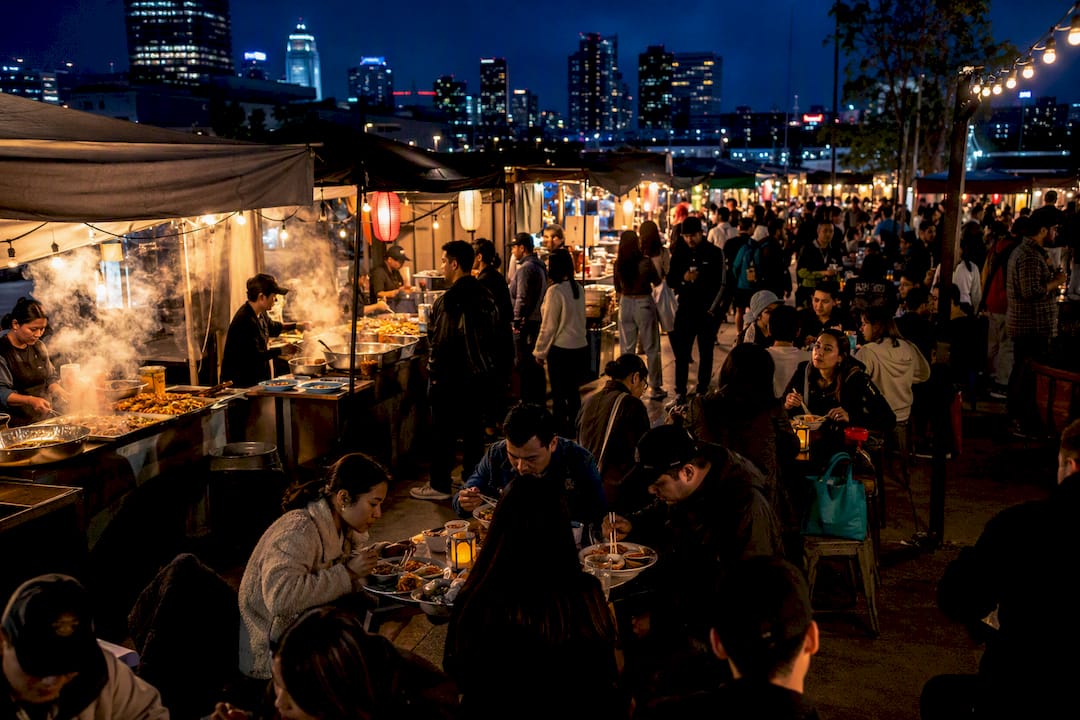
    I get asked this constantly, and the honest answer is that LA’s night market scene isn’t one steady thing. It’s a mix of big annual festivals, a weekly neighborhood staple, and a seasonal hillside event that pops up and disappears depending on the time of year. Here’s what’s active and worth your evening.

    • 626 Night Market: The original San Gabriel Valley night market and still the benchmark for scale, with hundreds of vendors packed into festival-style weekends. It’s not weekly. Check the 626 Night Market site for the next scheduled dates, since it runs in bursts rather than every Friday.
    • DS Night Market: Your most dependable option, running Friday through Sunday at Chinatown Central Plaza with a rotating lineup of Thai and international street food. This is the closest thing LA has to a true weekly night market events fixture, and it’s an easy walk from Chinatown’s shops and murals.
    • Hollywood Night Market: A seasonal event historically held at the Yamashiro hillside property above Hollywood Boulevard, pairing food stalls with a skyline view. Because it’s seasonal, treat every date as tentative until the Hollywood Night Market site confirms it.
    • atSiam Night Market: Billed as one of the larger Thai-focused night markets in the city, with a heavier concentration of Thai street food than the pan-Asian mix you’ll find elsewhere. Hours and address are listed on the atSiam Night Market page, and it’s worth bookmarking if you’re chasing specific dishes.

    All four skew toward families early in the evening and a livelier, date-night crowd later on.

    What to Expect at an LA Night Market

    Walk into any of these and the food is the main event, but the vibe shifts depending on scale. A neighborhood market like DS feels like a block party. A festival-scale event like 626 feels more like a state fair with better food.

    • Food: Expect a heavy lean toward pan-Asian street food (skewers, bao, boba, Thai iced tea), plus Latin American stalls, loaded fries, and novelty desserts like rolled ice cream or mochi donuts.
    • Entertainment: Live music, dance performances, and the occasional vendor demo (think hibachi flames or bubble tea shaking shows) are common at the bigger events.
    • Layout and wait times: Bigger festivals mean longer lines for the popular stalls and less seating overall, while smaller weekly markets like DS tend to move faster since the vendor count is lower.
    • Amenities: Portable restrooms, some shaded seating, and designated family areas are typical, but don’t expect much beyond the basics. Bring your own patience for the popcorn chicken line.

    When to Go and What It’ll Cost You

    Timing and budget depend entirely on which market you’re hitting, so plan around this:

    1. Weekly markets like DS Night Market run Friday through Sunday most of the year, which makes them your easiest default plan for a spontaneous evening.
    2. Festival weekends like 626 Night Market cluster around specific dates, often requiring advance tickets for peak Saturday and Sunday slots since capacity is limited.
    3. Ticketing varies by market: neighborhood markets tend to offer free admission with pay-as-you-go food, while festival-style events often charge a modest entry fee, especially for prime weekend windows.
    4. Seasonality matters: expect the heaviest concentration of events in summer, plus occasional holiday pop-ups. Hollywood Night Market in particular has run only seasonally, so its calendar looks nothing like DS Night Market’s steady weekly rhythm.
    5. Budget your time: Visitors typically spend a variable amount of time on-site depending on food lines, browsing, and parking.

    Always confirm current pricing and dates directly on each market’s site. Festival organizers adjust ticket tiers periodically.

    Planning Your Visit: Transit, Parking, and Crowd Timing

    Getting there is half the battle, especially for the hillside and festival-scale markets where parking fills up fast.

    • Transit: DS Night Market’s Chinatown location is walkable from the Metro Gold Line’s Chinatown station, making it one of the easiest markets to reach without a car.
    • Parking and shuttles: Hollywood Night Market’s hillside setting means limited on-site parking, and the market has historically leaned on shuttle and ride-share guidance to manage the crunch. Plan to use drop-off options rather than spend time hunting for parking.
    • Crowd timing: Arrive within the first hour of opening if you want shorter lines at the standout food stalls. Evenings later in the weekend tend to be more crowded.
    • What to bring: Cash or small bills speed up transactions at cash-only stalls, a valid ID if you’re eyeing any alcohol vendors, and a reusable water bottle since summer nights in LA stay warm well past sunset.

    Pro Tip: Split your group up when you arrive. Send one person straight to the stall with the longest line while everyone else scouts the rest of the market. You’ll double your food coverage before the real crowds hit.

    Picks: Where to Go Before or After

    Part of what makes a night market outing feel complete is what you do around it, not just the market itself; consider exploring Bernal Heights nightlife and dining to round out your evening.

    • Chinatown (DS Night Market): Cap the night with a short walk to a dessert spot for something sweet, since the plaza sits within easy reach of several late-night dessert spots in LA.
    • Hollywood Hills (Hollywood Night Market): The skyline views up there practically beg for a camera. Pair your visit with a stop at one of the city’s better photo spots on the way down.
    • Broader LA nightlife: If you’re extending the evening, LA’s after-dark scene includes a strong lineup of speakeasy-style bars tucked behind unmarked doors, a nice contrast to the open-air chaos of a night market.

    I always tell people planning a night market trip to build in one extra stop. It turns a quick food run into an actual night out.

    Where to Check Current Hours and Tickets

    Bookmark the source, not a screenshot from last year. Each market’s own site is the most reliable place to confirm hours and pricing: 626 Night Market, DS Night Market, Hollywood Night Market, and atSiam Night Market. For one-off or promoter-run events not listed above, Eventbrite’s LA night market listings catch a lot of the smaller pop-ups. Hours and vendor lineups shift seasonally, so confirm before you head out.

    Looking to build a full evening around your market visit? Our local guide to fun activities near you rounds out the night with nearby stops worth adding to your route, and if you’re mapping out a bigger weekend, our Southern California road trip guide shows you where to go next.

    The Real Story Behind LA’s Night Market Boom

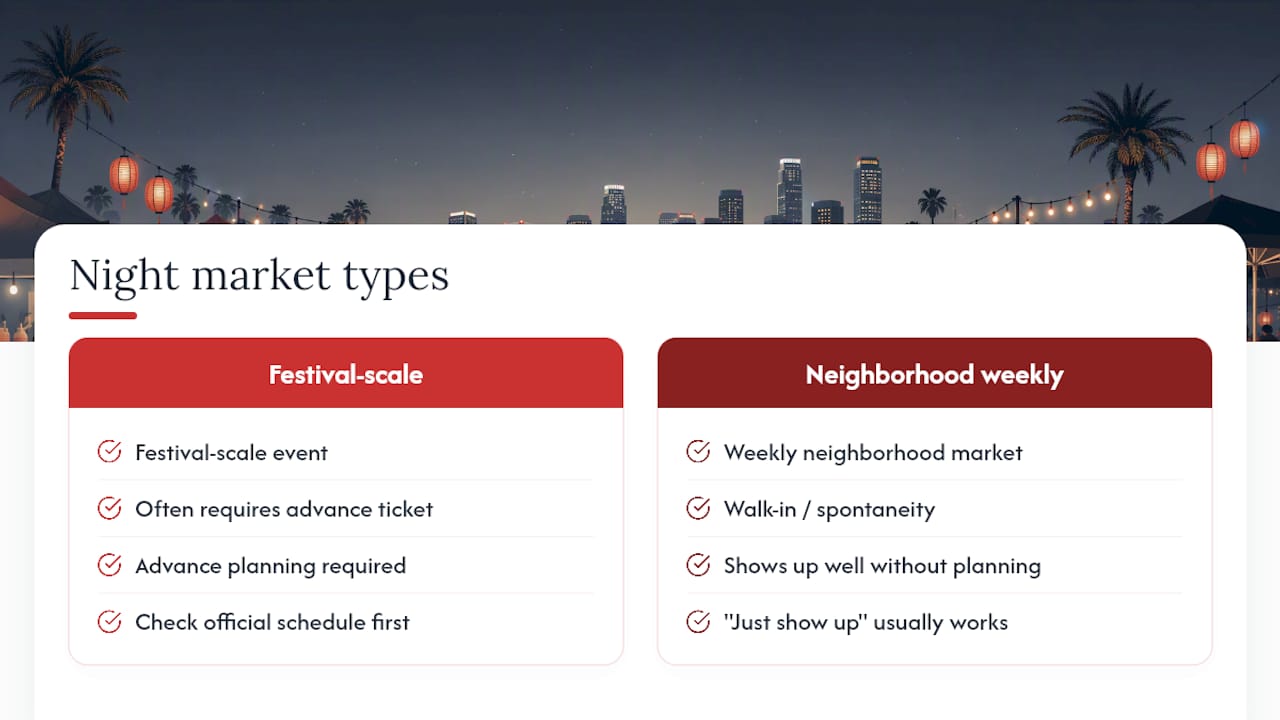
    Most guides to this topic treat every night market the same way, listing them like they’re interchangeable stops on a checklist. They’re not. A festival-scale event like 626 Night Market operates on a completely different model than a weekly neighborhood market like DS. One requires advance planning and often a ticket. The other rewards spontaneity.

    Festival-scale versus weekly night markets

    The conventional advice, “just show up,” works fine for DS Night Market and fails you badly for 626 Night Market’s peak weekends, where the good tickets sell out ahead of time. That distinction gets lost in most roundups, and it’s the single biggest reason people show up disappointed.

    My honest read: prioritize checking the official schedule before you prioritize which market sounds the coolest. A gorgeous hillside setting means nothing if Hollywood Night Market isn’t running that month. Treat these sites as living calendars, not static listings, and you’ll avoid the most common mistake I see people make with LA’s night market scene.

    — Joshua

    Sources

  • 10 Los Angeles Waterfall Hikes for Families, Swimmers, and Quiet Views

    10 Los Angeles Waterfall Hikes for Families, Swimmers, and Quiet Views

    The best waterfall hikes near Los Angeles right now are Eaton Canyon Falls for easy access, Switzer Falls and Sturtevant Falls for shaded scenery, Millard Canyon Falls and Hermit Falls for swimming, and Escondido Falls for a coastal detour off the 101. Go between December and May, when winter rain actually gives these creeks something to work with. Skip August and you’ll thank yourself later.


    TL;DR:

    • Waterfalls typically flow best from December through May, depending on winter rainfall, with some streams becoming safety hazards after storms.
    • Hermit Falls and Millard Canyon Falls offer the most reliable swim-friendly pools, but all water-related dangers include cold temperatures and slick rocks.
    • Parking at popular trailheads like Chantry Flat and Switzer Picnic Area requires an Adventure Pass, and lots fill early on weekends, so advance planning is essential.
    • Shorter hikes like San Antonio Falls and Stoddard Falls are ideal for families or mobility concerns, but most routes demand careful trail and weather condition checks.
    • Visiting early in the day, avoiding storm aftermath, and following safety guidelines can significantly reduce risks on these waterfalls.

    Table of Contents

    Waterfall Hiking Los Angeles: The Trails That Deliver

    Los Angeles isn’t exactly known for waterfalls, and that reputation isn’t entirely fair. The San Gabriel Mountains and the Santa Monica range both hide genuine falls, some tucked a mile from a Metro line, others buried deep enough in the Angeles National Forest that you’ll forget you’re 40 minutes from Pasadena traffic. What separates a good waterfall hike from a wasted Saturday morning is timing and picking the right trail for your crew. Here’s the rundown on the ten that consistently earn a spot on any serious list of waterfalls near LA.

    Eaton Canyon Falls

    This is the trail Los Angeles sends first-timers to, and for good reason. It’s about 3.5 miles round trip with mild elevation gain, rated easy, and it dumps you at a 40-foot falls with a shallow pool at the base.

    • Distance: ~3.5 miles round trip
    • Difficulty: Easy
    • Swim-friendly: Yes, shallow wading pool, not deep enough for real swimming
    • Parking: Free lot at the Eaton Canyon Nature Center, no Adventure Pass needed
    • Best months: from December through spring

    Escondido Falls

    Malibu’s answer to the canyon hike, and one of the few on this list with ocean air in the mix. The lower falls sit about 3.7 miles round trip from the trailhead and are the version you’re actually allowed to visit.

    • Distance: ~3.7 miles round trip
    • Difficulty: Moderate
    • Swim-friendly: Wading only at the lower pool
    • Parking: Limited roadside parking on Winding Way; arrive before 9 a.m. on weekends
    • Best months: December through spring, when the lower falls typically run

    The upper falls look tempting in photos, but they’re closed and sit on private property, a restriction born from repeated rescue calls, not overcaution. Trespassing up there risks a fine and, worse, a helicopter bill.

    Switzer Falls

    A shaded, creek-crossing hike that feels more Sierra foothills than Los Angeles County. The full route to the falls runs about 4 to 4.5 miles round trip, threading past the ruins of an old 1920s trail resort, chapel foundation included.

    • Distance: ~4 to 4.5 miles round trip
    • Difficulty: Moderate
    • Swim-friendly: A small lower pool works for wading in spring
    • Parking: Adventure Pass required at the Switzer Picnic Area lot
    • Best months: from December through spring

    Sturtevant Falls

    Part of the Big Santa Anita Canyon system, this one runs through a historic resort area that used to host actual mule-pack trips into the mountains. Figure roughly 3.5 miles round trip on a gently graded trail that crosses the creek several times.

    • Distance: ~3.5 miles round trip
    • Difficulty: Easy to moderate
    • Swim-friendly: Small pool at the base, cold but doable in late spring
    • Parking: Adventure Pass required at Chantry Flat, and the access road is narrow and fills fast on weekends
    • Best months: from December through spring

    Millard Canyon Falls

    Short, shaded, and one of the easiest legitimate waterfalls in the range. The round trip clocks in at just 2.8 miles, with several stream crossings that get your boots wet even in a dry year.

    • Distance: ~2.8 miles round trip
    • Difficulty: Easy
    • Swim-friendly: Yes, a decent-sized pool for wading and shallow swimming
    • Parking: Small lot near Millard Campground, fills by mid-morning on weekends
    • Best months: from December through spring

    Hermit Falls

    The unofficial swimming hole of the San Gabriels, reached via the same Chantry Flat trailhead as Sturtevant but branching off toward a deeper series of pools. Expect close to 3 miles round trip with some scrambling near the end.

    • Distance: ~3 miles round trip
    • Difficulty: Moderate, with rocky footing near the falls
    • Swim-friendly: Yes, the best true swimming spot on this list
    • Parking: Adventure Pass required at Chantry Flat
    • Best months: late spring to early summer, after peak runoff but before pools dry out

    Trail Canyon Falls

    A quieter pick above the Big Tujunga Canyon, popular with locals who’ve grown tired of Switzer’s crowds. The hike runs about 4.5 miles round trip past an old cabin ruin before reaching a 30-foot falls.

    • Distance: ~4.5 miles round trip
    • Difficulty: Moderate
    • Swim-friendly: No, current is too narrow for a real pool
    • Parking: Adventure Pass required, roadside lot near the trailhead
    • Best months: from January through spring

    San Antonio Falls

    Sitting at the base of Mt. Baldy, this is less a hike and more a stroll, and one of the few on this list that welcomes kids without much complaint. Round trip is under a mile and a half on a wide fire road.

    • Distance: about one and a half miles round trip
    • Difficulty: Easy
    • Swim-friendly: No, the pool is shallow and the water is glacially cold
    • Parking: Free lot near Manker Flats, no pass required at this specific trailhead
    • Best months: early spring, when snowmelt feeds the falls

    Stoddard Falls

    A short detour off the Angeles Crest Highway corridor, often paired with a stop at nearby Buckhorn Campground. It’s roughly a mile round trip, making it one of the shortest true waterfall hikes near Los Angeles.

    • Distance: about one mile round trip
    • Difficulty: Easy
    • Swim-friendly: Limited, more of a trickle in dry years
    • Parking: Adventure Pass required
    • Best months: early spring

    Paradise Falls

    Out in Thousand Oaks, technically Ventura County but close enough that Angelenos treat it as their own. The loop through Wildwood Regional Park runs about 3.5 miles and passes a small cave along the way.

    • Distance: ~3.5 miles round trip
    • Difficulty: Easy to moderate
    • Swim-friendly: No, the pool is more decorative than swimmable
    • Parking: Free lot at the Wildwood Park trailhead, no Adventure Pass needed
    • Best months: from December through spring

    Which LA Waterfalls Are Actually Swim-Friendly?

    Not every waterfall on this list is worth packing a swimsuit for, and a few that look inviting online are quietly dangerous once you’re standing in front of them.

    1. Hermit Falls has the deepest, most reliable pool of the bunch, popular enough on summer weekends that you’ll be sharing it with a crowd.
    2. Millard Canyon Falls offers a smaller but genuinely swimmable pool, best in late spring before the flow thins out.
    3. Eaton Canyon Falls is wading depth only. Fine for cooling off, not for actual laps.
    4. Escondido Falls gives you a shallow lower pool. The deeper upper pools are off-limits, closed and on private land.
    5. Switzer Falls has a modest lower pool that works in wetter years but can shrink to almost nothing by July.

    Water temperature in all five stays cold well into June, runoff from snowpack higher up the range. The real hazard isn’t the cold, though. It’s what happens after a storm: currents pick up fast, rocks around the pools turn slick, and every one of these spots sees search-and-rescue calls tied to people climbing where they shouldn’t. Climbing the fall face itself is one of the most common causes of injury on these trails, not the swimming.

    Pro Tip: Check rainfall totals from the past 48 hours before you go. A dry trailhead can still sit above a swollen creek if it rained hard up canyon the night before.

    When Do LA’s Waterfalls Actually Flow?

    Best months for waterfall hiking in Los Angeles run December through April or May, tracking directly with the region’s rainy season. Flow depends entirely on how wet the preceding winter was, which means a strong El Niño winter can keep falls running into June, while a drought year might leave some barely trickling by March.

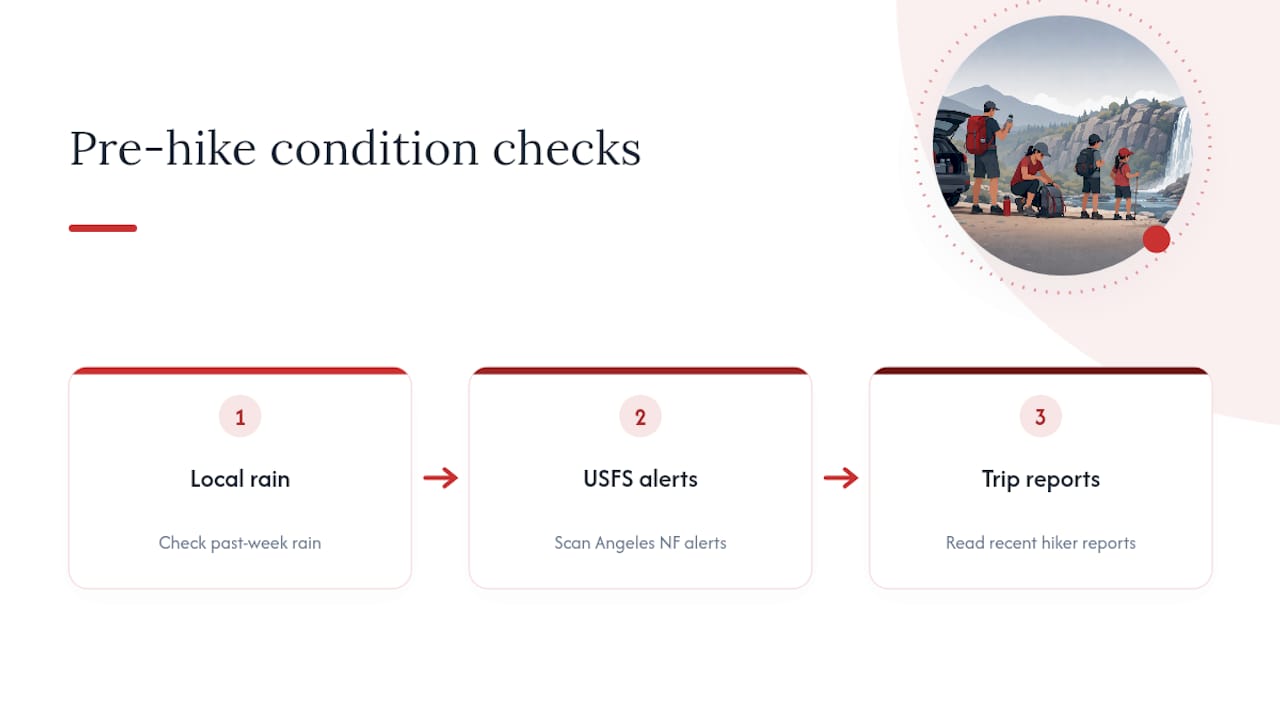
    Storms complicate the picture. A big rain event swells the falls almost overnight, but it also raises flash flood risk and can trigger temporary trail closures on routes with multiple creek crossings, Switzer and Sturtevant especially. Before you commit to a drive, check the local weather forecast for rain in the past week, scan USFS alerts for the Angeles National Forest, and glance at recent trip reports from hikers who were just there. Conditions shift fast enough that a report from two weeks ago isn’t always trustworthy.

    Three checks for waterfall trail conditions

    Parking and Adventure Pass Rules You Need to Know

    Most Angeles National Forest trailheads, Switzer, Sturtevant, Hermit, Trail Canyon, and Stoddard among them, require a displayed Adventure Pass to park legally. Buy one at local outdoor retailers or a USFS office before you drive up; rangers do ticket unmarked vehicles.

    • Arrive before 8 a.m. on weekends. Lots at Chantry Flat and Switzer Picnic Area fill fast, and the access roads leading up are narrow with limited turnaround space.
    • Bring exact change or a card for pass machines. Not every trailhead kiosk works reliably.
    • If a lot is full, don’t improvise a spot on the shoulder near a gate. Check for a secondary trailhead nearby instead.
    • Some canyon roads get gated after dark or during fire restrictions, so confirm hours before you plan an evening hike.

    Safety, Crowds, and What to Bring

    Pack light but don’t skip the basics: 1 to 2 liters of water per person, sun protection even on shaded trails, sturdy footwear for wet rock, a small first-aid kit, and a dry bag if you’re bringing a phone near any pool.

    • Never climb the face of a waterfall. It’s the leading cause of injury and rescue calls on these trails.
    • Entering closed sections, like Escondido’s upper falls, risks both a fine and a rescue bill if things go wrong.
    • Cold water and slick granite are a bad combination even for strong swimmers.
    • To dodge crowds, hit popular trails like Sturtevant or Switzer on a weekday morning, or try a less-trafficked hike instead.

    Pro Tip: Even a one-mile hike like San Antonio Falls has long stretches with zero shade, so treat it with the same sun caution you’d give a longer trail.

    Picking the Right Waterfall Hike for Your Group

    Match the trail to what your group actually wants, not what looks best on Instagram.

    • Short on time or hiking with young kids? San Antonio Falls or Stoddard Falls, both under 1.5 miles.
    • Want to swim, not just look? Hermit Falls or Millard Canyon Falls.
    • Chasing the best photos? Switzer Falls, thanks to the shaded canyon and old ruins along the way.
    • Craving solitude over convenience? Trail Canyon Falls sees a fraction of Switzer’s foot traffic.
    • Traveling with anyone who has mobility concerns? Stick to Eaton Canyon or San Antonio Falls. Both have gentler grades and fewer creek crossings.

    Steep approaches and stream crossings rule out several of these for strollers or wheelchairs, so check trail notes before committing.

    Local Tips SoCal Sights Readers Keep Sharing

    A few things we’ve picked up from the SoCal Sights community that don’t show up in most trail guides: the best photo light at Eaton Canyon hits mid-morning, not midday, when the canyon walls cut the glare. Switzer’s old chapel ruins make a good rest stop about a third of the way in, easy to miss if you’re moving fast. And Millard Canyon’s upper pool, past the main falls, stays noticeably quieter than the lower one most weekends.

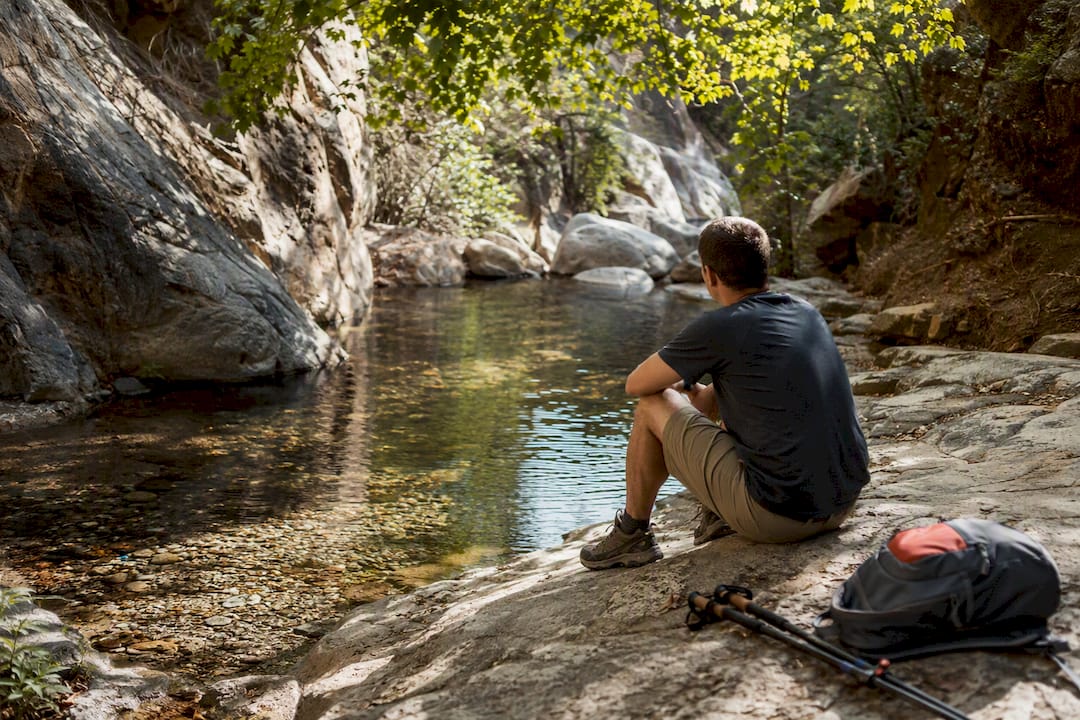
    Quiet upper pool in Millard Canyon

    Pair a morning at Millard Canyon or Eaton Canyon with lunch in Altadena or a swing through Los Angeles’s other standout trails for a full day out. If you’re extending the trip further, our weekend getaway picks cover a few good overnight options within reach of the San Gabriels.

    How This List Came Together

    I picked these ten trails based on flow reliability, ease of access, and how much variety they offer between families, swimmers, and photographers. Los Angeles waterfall hiking rewards patience with timing more than raw ambition, and that’s shaped every recommendation here. If you’ve found a quieter approach to one of these trails, or a seasonal quirk I missed, send it our way. This list gets better with local input.

    — Joshua

    Want More Local Picks Beyond the Trailhead?

    This platform offers a curated alternative to browsing multiple hiking forums for weekend planning. Instead of guessing which trailhead has parking or which nearby town is worth a stop after your hike, you get one curated source built specifically around Southern California’s lesser-known spots.

    Socalsights

    Beyond waterfall hikes, Socalsights covers everything from offbeat things to do in Los Angeles to nearby day-trip ideas that pair well with a morning at the falls. If Millard Canyon or Switzer leaves you wanting more, browse the full guide to unique LA activities and start planning your next stop before you’re even back in the car.

    Where to Check Before You Head Out

    Sources

  • From 133 Steps to 500+: LA’s Secret Stairs and Easy Walk Loops

    From 133 Steps to 500+: LA’s Secret Stairs and Easy Walk Loops

    Los Angeles has dozens of publicly accessible historic staircases tucked into its hillside neighborhoods, and the best starting points are the Music Box Steps, Micheltorena Stairs, Bunker Hill Steps, and Murphy’s Ranch. Some are gated or partly closed, so check access before you go. Below you’ll find a curated list, three walk loops, and the maps you need to plan your own outing.


    TL;DR:

    • Many of LA’s historic staircases date to the 1920s and were originally built to connect hillside homes to trolley lines, now mostly abandoned or overgrown.
    • The best starting points include the Music Box Steps, Micheltorena Stairs, Bunker Hill Steps, and Murphy’s Ranch, but access can vary with gates or closures.
    • Walk loops typically range from 1.5 to 3.5 miles, with routes suitable for quick outings or more strenuous half-day adventures; check current statuses before heading to Murphy’s Ranch.
    • Proper footwear, water, and neighborhood etiquette are essential, especially since these stairs run through residential areas with limited lighting and uneven surfaces.
    • Trustworthy guides and downloadable maps from Charles Fleming’s Secret Stairs and local resources help plan safe, enjoyable explorations of these hidden city landmarks.

    Table of Contents

    What are LA’s secret stairs, exactly?

    The phrase “secret stairs” comes largely from journalist Charles Fleming, whose guidebook mapped out the city’s forgotten public staircases neighborhood by neighborhood. These aren’t secret in the sense of being hidden or off limits. They’re public rights of way, built into the hills nearly a century ago, that most Angelenos drive right past without noticing. Fleming has cataloged roughly half of the stairs he identified as still accessible today, with plenty of others gated, overgrown, or swallowed by private landscaping. That’s the tension that makes this hobby interesting: you’re chasing a piece of civic history that the city itself has half forgotten.

    Top secret stairs to visit in LA

    Some of these you can knock out in fifteen minutes. Others will leave your legs shaking. Here’s where to start.

    1. Music Box Steps (Silver Lake). These 133 steps earned their fame from Laurel and Hardy’s Oscar-winning short film The Music Box, and a plaque near the top commemorates the connection. It’s steep but short, and the surrounding streets are lined with 1920s bungalows worth a slow look.
    2. Micheltorena Stairs (Silver Lake). A colorful, mosaic-tiled staircase that neighbors maintain themselves, painted in bright rainbow patterns. It’s one of the most photographed stairs in the city and an easy add-on to a Music Box walk.
    3. Bunker Hill Steps (Downtown LA). Modeled loosely on the Spanish Steps in Rome, this modern staircase cuts through the financial district with a waterfall feature running down the center. Fully public, well-lit, and stroller-friendly if you take the adjacent escalator.
    4. Murphy’s Ranch (Pacific Palisades). This is the outlier on the list: a former Nazi sympathizer compound turned graffiti-covered ruin inside Rustic Canyon, reachable by a stairway that Fleming cites as the longest referenced in his research, with over five hundred steps. Expect a steep dirt approach trail before you even reach the stairs, and know that fire damage has periodically closed sections of the park.
    5. Castellammare Stairs (Pacific Palisades). A quieter coastal staircase with sweeping Pacific views, tucked between beach homes above the Pacific Coast Highway. Fewer crowds than the Silver Lake stairs, and a good sunset spot.
    6. Eldred Street Stairs (Mount Washington). Widely cited as one of the steepest public streets in the country, with a staircase running alongside it that locals use as an informal fitness circuit.
    7. Prospect Stairs (Silver Lake). A short, unassuming connector stair that locals use daily and tourists rarely find, good for rounding out a neighborhood loop.
    8. Baxter Street Stairs (Echo Park). Tucked beside one of the steepest paved streets in LA, this staircase rewards the climb with a clear view toward Downtown.

    Suggested walks and loops that string stairs together

    You don’t need a whole day to feel like you’ve explored somewhere new. Most stair routes run 1.5 to 3.5 miles, which puts them squarely in microadventure territory rather than full hike commitment.

    • Easy loop (about 1.5 miles, 45 minutes): Start at Bunker Hill Steps downtown, wander through the Grand Park area, and loop back. Metro’s Red Line drops you within a block, so parking isn’t an issue.
    • Moderate Silver Lake loop (about 2.5 miles, 90 minutes): Combine the Music Box Steps with the Micheltorena Stairs, connecting through quiet residential blocks. Park near Sunset Boulevard and budget time for photos.
    • Strenuous Palisades loop (about 3.5 miles, 2 to 2.5 hours): Tackle Murphy’s Ranch from the Rustic Canyon trailhead, then detour toward Castellammare if you have energy left. Bring more water than you think you need. Sections near Murphy’s Ranch have seen closures, so check current status before committing.

    Google Maps handles walking directions fine for the easier loops, but for Murphy’s Ranch and Eldred Street, a dedicated hiking app or downloaded offline map avoids wrong turns on unmarked hillside paths.

    How the secret stairs happened: a quick history

    Most of these staircases date to the 1920s, when Los Angeles built them to connect hillside homes to the Pacific Electric Railway’s Red Car trolley lines. Cars weren’t yet the default, and steep terrain meant stairs were often faster than switchback roads. When the Red Car system shut down in the mid-20th century, many staircases lost their purpose and fell into disrepair, some for decades. The Music Box Steps survived partly because of their film pedigree. Others survived simply because tearing them out cost more than leaving them alone, which is how LA ended up with a scattered network of pre-automobile infrastructure hiding in plain sight.

    How the secret stairs happened: a quick history — overview diagram

    Access, safety, and neighborhood etiquette

    These stairs run through people’s actual neighborhoods, so how you show up matters.

    • Check for gates or posted closures before you drive out, especially at Murphy’s Ranch, since sections open and close depending on fire risk and cleanup status.
    • Wear real shoes, not sandals. Uneven, mossy, or cracked steps are common even on the well-maintained routes.
    • Bring water, particularly for the Palisades and Mount Washington routes, where shade is scarce.
    • Skip solo visits after dark. Many of these stairs sit on quiet residential streets with limited lighting.
    • Keep your voice down, don’t block driveways or gates while taking photos, and pack out anything you bring in.

    Pro Tip: If you’re photographing the Music Box Steps, look for the small plaque near the top marking the film connection. It’s easy to miss if you’re focused on catching your breath.

    Planning your stair walk: maps, transit, and what to bring

    A little prep turns a confusing detour into a smooth afternoon.

    1. Download a free route PDF from Secret Stairs, which maps most of the routes covered here with turn-by-turn detail.
    2. Check parking rules before you go. Silver Lake and Echo Park have permit zones on many residential blocks; Downtown routes near Bunker Hill are easiest by Metro.
    3. Pack water, sunscreen, a phone with charge, and shoes with real tread.
    4. Aim for early morning or late afternoon. Midday sun on exposed stairs like Eldred Street gets brutal fast, and the light for photos is better anyway.

    Where to find trustworthy guides and maps

    You don’t have to piece this together from scratch.

    • Charles Fleming’s Secret Stairs guidebook and the companion Secret Stairs site remain the most complete mapped resource, with downloadable route PDFs.
    • NBC Los Angeles has covered guided walking tours built around these same routes.
    • National Park Service pages, like the one for Bayside Trail at Cabrillo National Monument, are worth studying as a model for how to lay out distance, elevation, and hazard details before any coastal-adjacent stair walk.
    • Socalsights keeps its own walk-ready itineraries if you want a route already built around your fitness level.

    Why these staircases are worth the climb

    Secret stairs are the rare LA outing that costs nothing, takes under two hours, and still teaches you something about the city. What strikes me most is how these routes reward attention rather than mileage. You’ll notice architecture, murals, and plaques you’d never catch from a car. My favorite short loop pairs the Music Box Steps with a stop at a nearby Silver Lake coffee spot afterward. It’s low effort, high payoff, and it’s the kind of walk you can talk a skeptical friend into. If you’ve found a staircase not listed here, or you’ve got a good photo from one, Socalsights always wants to hear about it.

    — Joshua

    Get a ready-made stair walk from Socalsights

    Socalsights is the shortcut for readers who’d rather walk than research. Instead of stitching together PDFs, transit schedules, and neighborhood parking rules on your own, our local guides hand you a route that’s already been mapped, timed, and checked for closures.

    Socalsights

    Each guide pairs the walk itself with practical extras: where to grab coffee near the route, which stretches are stroller-friendly, and what to skip if you’re short on time. If Silver Lake and the Palisades have you hooked, our Los Angeles hiking guide covers longer options for when you want to push past the stairs into full trail territory. Pull up the itinerary landing page, pick a neighborhood, and head out this weekend with a plan already in hand.

    Sources

  • Wait Two Hours After Sunset to See Bioluminescence in San Diego Safely

    Wait Two Hours After Sunset to See Bioluminescence in San Diego Safely

    Yes, San Diego does light up. Scripps Pier and La Jolla Shores are the most reliable bets, with Torrey Pines State Beach close behind for anyone who wants darker sand and fewer crowds. Nobody can promise a glow on any given night, so your best move is spotting a reddish-brown “red tide” during the day, then heading back after dark, away from streetlights, to see if it turns electric blue.


    TL;DR:

    • Bioluminescence in San Diego is caused by Lingulodinium polyedra, and its visibility depends on water disturbance, temperature, and plankton concentration.
    • Scripps Pier and La Jolla Shores offer the most reliable glow, with less ambient light increasing the chances of seeing flashes.
    • Optimal viewing occurs two hours after sunset during new moon phases, with daytime red tide signs being a strong indicator for that night’s glow.
    • Active blooms can coincide with low dissolved oxygen, and water safety advisories suggest avoiding swimming if toxins are suspected.
    • Shore-based viewing remains the safest and most accessible method, with guides warning against night kayaking or swimming due to environmental and safety risks.

    Table of Contents

    What Causes Bioluminescence San Diego Beaches Are Known For

    The blue flashes you see in the surf come from a microscopic organism called a dinoflagellate, and in San Diego, the culprit is almost always Lingulodinium polyedra. These single-celled plankton drift by the billions during a bloom, and they light up when something physically jostles them. A wave breaking, a dolphin cutting through the water, a paddleboard slicing past. It’s a defense mechanism. Scripps researchers describe the flash as a startle response meant to spook predators, which explains why calm water often stays dark while a crashing wave erupts in neon blue.

    Here’s the part that trips people up: the reddish brown color you might see during the day and the blue glow you see at night come from the same organism, but one does not guarantee the other. A red tide just means the water is dense with these plankton. Whether they glow depends on concentration, water temperature, and how disturbed the water gets after sunset.

    One thing worth remembering: NOAA’s NCCOS program has funded research into these blooms because they sometimes coincide with low dissolved oxygen in the water, which matters for the ecosystem well beyond the light show tourists come for. Events can stretch from a few days to several weeks, and intensity varies wildly from one stretch of coast to the next, sometimes within the same night.

    Best San Diego Beaches for Bioluminescent Waves

    Not every beach along the coast lights up the same way, and where you stand matters almost as much as when you show up. Here’s how the go-to spots stack up against each other.

    • Scripps Pier and La Jolla Shores. This is the classic pick, and for good reason. The pier’s pilings physically agitate the water as waves pass through them, which amplifies the visible flash. It’s also close to the research community that studies these blooms, so it tends to get reported early when something is happening.
    • Torrey Pines State Beach. The northern stretches here stay noticeably darker than beaches closer to downtown, which gives your eyes a real advantage. Less ambient light means more contrast, and more contrast means you’ll catch flashes you’d otherwise miss.
    • Sunset Cliffs and Point Loma. The rocky surf breaking against the cliffs here can produce a genuinely dramatic glow, since rough terrain disturbs the water more than a flat sandy bottom does. Just watch your footing. These cliffs are unstable in places, and wandering around in the dark near a drop-off is not worth a better photo.
    • Del Mar, Solana Beach, and Encinitas. Local reporting has repeatedly placed sightings along this corridor during larger events, and NBC 7 San Diego has documented displays stretching from La Jolla up through Encinitas in the same week. If one beach is quiet, drive a few miles up the coast before giving up.
    • Ocean Beach Pier and Mission Beach. These are the easiest spots to reach if you’re staying centrally or don’t have a car, but they also carry more light pollution from nearby boardwalks and parking lots. Worth a look if convenience matters more than a perfect dark-sky view.

    Structure plays a bigger role here than most people expect. Internal waves moving toward shore can create stripes of concentrated plankton running parallel to the coast, which is why one beach might glow brilliantly while the one next door looks like plain dark water. If your first stop is a bust, don’t assume the whole coastline is dead. Move on.

    When Is the Best Time to See Bioluminescent Bay Effects in San Diego?

    Timing makes or breaks a bioluminescence trip more than location does. A handful of rules will put the odds in your favor.

    1. Aim for spring through early fall. Blooms happen most often in this window, though Scripps has documented events outside it, so don’t rule out a winter trip if you spot a red tide.
    2. Wait at least two hours after sunset. Your eyes need time to adjust, and residual daylight washes out the faint blue flashes even when the bloom is active.
    3. Pick a night close to the new moon. A bright moon overhead does to bioluminescence what a streetlight does. It drowns it out. The darker the sky, the more contrast you get.
    4. Check the tide and current direction. Whether the glow shows up in the breaking waves or drifts offshore depends on how the bloom is moving that day, which is part of why the same beach can look completely different two nights in a row.
    5. Scout during daylight first. A reddish-brown tint to the water is the single best free predictor you have. If you see that color in the afternoon, come back that same night.

    There’s no official text alert or hotline for this. Scripps and SCCOOS run sampling programs, but they don’t push real-time notifications to beachgoers. Your fastest signal is usually a daytime drive along the coast plus a scroll through local social media for recent sightings.

    Is It Safe to See Bioluminescent Waves in San Diego?

    The glow is beautiful, but the same bloom that produces it can sometimes cross into harmful algal bloom (HAB) territory, and that’s not a detail to skip past.

    • View from the shore first. You don’t need to touch the water to see the flashes in breaking waves, and shore viewing removes almost all the risk.
    • Avoid swimming during an active red tide unless local health guidance has specifically cleared the water. Some blooms produce toxins that irritate the respiratory system, and SCCOOS maintains current advisories worth a quick check before you go.
    • Follow lifeguard postings at the beach. They’re often the fastest local source of information about water conditions that night.
    • Bring a red-filter flashlight, not a white one. White light ruins your night vision and washes out the glow for everyone around you.
    • Go with at least one other person, especially if you’re heading toward cliffs, pilings, or rocky areas after dark.
    • Leave the wildlife alone. Dolphins and seabirds are sometimes what’s triggering the flashes you’re watching. Keep your distance and don’t chase them for a better view.

    Pro Tip: If you’re unsure whether a bloom is active, scoop a small jar of discolored water during the day, chill it briefly to cut down background light, then gently swirl it in a dark room that night. If it’s genuinely bioluminescent, you’ll see faint blue sparks when you shake it. This is a low-risk way to confirm activity without stepping into the ocean.

    How to Photograph and Experience the Glow

    Shore viewing is the realistic default for almost everyone, but a few other options exist if you’re set up for them.

    • Camera settings matter more than gear quality. A long exposure of several seconds, a tripod or a rock to hold the camera steady, and a bumped-up ISO will capture flashes your eyes barely register. Most phone cameras struggle here unless you’re running a manual app that lets you control shutter speed directly.
    • Night kayaking or surfing is only for experienced people. There’s no organized night tour operation for bioluminescence around San Diego, and local guides are clear that heading into dark water on your own carries real risk. If you go, a life jacket and a same-day HAB check are non-negotiable.
    • Boat viewing happens occasionally when blooms sit offshore, and local news outlets tend to report these sightings after the fact rather than in advance.
    • Skip touching or scooping live water for a closer look. It disturbs the very organisms you came to see, and repeated agitation from curious hands adds up across a busy night at a popular beach.

    Why Bioluminescence Matters to San Diego’s Marine Ecosystem

    The light show is the part everyone photographs, but the biology underneath it is doing real ecological work. Lingulodinium polyedra and similar dinoflagellates sit near the base of the coastal food web, and a bloom of this size represents a massive, if temporary, surge of biomass moving through the nearshore water column.

    That surge doesn’t come without tradeoffs. NCCOS-funded research has looked specifically at how these blooms sometimes coincide with drops in dissolved oxygen along the Southern California coast, a condition that can stress fish and other marine life even as the bloom itself puts on a dazzling nighttime display. The same organism that delights beachgoers can, at high enough density, strain the very water it’s floating in.

    Researchers also treat bioluminescent events as a kind of natural gauge for coastal water conditions. Bloom frequency, duration, and intensity shift with nutrient levels, water temperature, and current patterns, which makes San Diego’s recurring displays a long-running dataset on how the local ocean is changing year over year. Scripps has been tracking these patterns for decades, and that continuity is part of why San Diego shows up so often in bioluminescence research despite being just one stretch of California coastline among many.

    Factors influencing San Diego bioluminescence blooms

    A Brief History of Glowing Waters Along the San Diego Coast

    Glowing surf isn’t a recent discovery here. Coastal communities and sailors noticed luminous wakes and breaking waves along the Southern California coast long before anyone understood the biology behind it, and the phenomenon has shown up in local lore for generations as something between a curiosity and a minor spectacle.

    What’s changed is how San Diego residents track and share it. A widespread 2020 event turned bioluminescence into a genuinely regional story, with crowds gathering at beaches from La Jolla down through Ocean Beach and social media turning individual sightings into real-time community reports almost overnight. That event, more than any single research paper, is probably what put “bioluminescence San Diego” into the local vocabulary the way it exists today.

    Scripps Institution of Oceanography, based right in La Jolla, has quietly shaped that history from the science side for decades. Its proximity to some of the best viewing spots in the city means the researchers studying these blooms are often working within walking distance of the beaches where people are watching them glow, which is a fairly rare overlap of research access and public spectacle.

    How Human Activity Shapes Local Bioluminescent Events

    Coastal water quality plays a direct role in how often and how intensely these blooms occur, and human activity is tangled up in that picture more than most beachgoers realize. Nutrient runoff from urban storm drains, agricultural areas, and wastewater can feed the very plankton blooms that produce the glow, meaning a bad rain season inland can echo in brighter (or more frequent) displays along the coast weeks later.

    Light pollution works against the show rather than feeding it. Beaches near dense development, boardwalks, and parking lot lighting make it genuinely harder to see a flash that a darker beach a few miles up the coast would show clearly. That’s part of why Torrey Pines and the quieter stretches around Sunset Cliffs tend to outperform Mission Beach on a comparable night, even when the bloom itself is spread fairly evenly along the coastline.

    Boat traffic and heavy nearshore activity can also disturb blooms in ways that scatter or dilute a concentrated patch of plankton before it drifts to shore. It’s not a dramatic effect on any single night, but repeated disturbance across a bloom’s multi-week lifespan can shift where and when the glow shows up.

    None of this means a trip to the beach is doing measurable harm on its own. It does mean the conditions that produce a great bioluminescence night in San Diego are connected to decisions made well inland, long before anyone shows up with a flashlight.

    How Human Activity Shapes Local Bioluminescent Events — overview diagram

    Guided Tours and Community Bioluminescence Events

    Don’t expect a dedicated night tour industry built around bioluminescence here. Local guides are consistent on this point: there’s no centralized boat or kayak operation running regular bioluminescence trips around San Diego the way you might find in other coastal regions. Most viewing is shore-based, informal, and driven by word of mouth once a bloom gets confirmed.

    That said, community response tends to organize itself once word spreads. During major events, like the widespread 2020 bloom, beaches saw informal gatherings form almost spontaneously, with groups showing up after seeing local news coverage or social media posts from earlier that same night. Local news outlets, particularly NBC San Diego, have become one of the more reliable ways residents learn a bloom is active in real time, often reporting from the beach itself as sightings roll in.

    If you’re hoping for something more structured, your best bet is pairing a bioluminescence check with an existing daytime coastal activity, like a whale-watching trip out of San Diego, and simply planning your evening around the same stretch of coast. Some local outfitters that run evening kayak trips will mention bioluminescence as a possible bonus during active bloom season, but treat that as a maybe, not a guarantee, and always confirm HAB safety status before anyone paddles out after dark.

    A Local’s Take on Chasing the Glow

    The best night I’ve had chasing this wasn’t at a famous spot. It was a quiet stretch near Torrey Pines after I’d noticed rust colored water there that afternoon. No moon, no streetlights, just waves breaking and lighting up blue every time they hit the sand. That daytime check made all the difference.

    Before you go: look for red tide in daylight, wait until at least two hours after sunset, park legally, bring a friend, and skip the white flashlight. Respect any posted health advisories. Socalsights hears from local readers who’ve had similarly hit-or-miss nights, which is exactly why checking conditions first matters more than picking the “best” beach on a list.

    — Joshua

    Plan Your San Diego Bioluminescence Night With Socalsights

    Chasing a glow that might or might not show up is a lot easier when you’re not also scrambling to figure out where to park, eat, or crash for the night. Socalsights builds curated San Diego itineraries that pair a bioluminescence stop with the practical stuff nobody wants to research at 9 PM. Nearby parking, a decent late dinner, and a place to stay if you’re not driving home after dark.

    Socalsights

    If Torrey Pines or Sunset Cliffs are on your shortlist, our guide to San Diego’s secret beaches covers quieter stretches of coast that pair well with a night viewing trip, and our weekend coastal itinerary helps you build out the rest of the day around it. For a full look at what Socalsights covers across the region, browse the types of SoCal Sights we curate, then start piecing together your own coastal night out.

    Where to Verify Bioluminescence Conditions Before You Go

    A few sources are worth a quick check before you drive out.

    • Scripps Institution of Oceanography publishes ongoing research and FAQ updates on local red tides and blooms.
    • SCCOOS tracks harmful algal bloom advisories and weekly toxin sampling along the coast.
    • NOAA NCCOS covers the broader research funding and ecological findings behind these blooms.
    • NBC 7 San Diego reports on active events as they’re happening, often with the most current sighting locations.

    Sources

  • 12 LA Dessert Spots and Exactly What to Order

    12 LA Dessert Spots and Exactly What to Order

    If you only trust one list of dessert spots Los Angeles has to offer, make it this one: the hakka mochi at Joy on York, the apple pie skillet at Jones Hollywood, and the PJ Sundae at Pasjoli are the three orders that come up again and again in every serious LA dessert conversation. Add Magpies Softserve for chef-driven soft serve and Diddy Riese for a cheap, iconic ice cream cookie sandwich, and you’ve got a starting five that spans the city. Twelve more picks, organized by neighborhood, dessert type, and hours, follow below.


    TL;DR:

    • Joy on York’s hakka mochi is chewy, not overly sweet, and best enjoyed on weekdays to avoid long lines.
    • Pasjoli’s PJ Sundae and burnt Basque cheesecake require reservations and are best for a full sit-down dining experience.
    • Diddy Riese cookie sandwiches, often the most affordable option, typically have lines after 9 p.m., especially during weekends.
    • Salt & Straw offers limited-season flavors, with long weekend lines, making weekday visits more reliable.
    • Late-night dessert options include Jones Hollywood for the skillet apple pie and Diddy Riese for cookie sandwiches, but some spots close earlier.

    Table of Contents

    The Best Dessert Spots in Los Angeles, Item by Item

    This is the actual bucket list. Each entry names the exact thing to order, not just the shop, because in a city this stacked with sweets, ordering the wrong item is the real risk.

    1. Joy on York (Highland Park) — hakka mochi. This is the dessert LA food writers can’t stop mentioning, and for good reason. The hakka mochi at Joy on York is chewy, not overly sweet, and unlike anything else on this list, which is exactly why it belongs here first. Go on a weekday afternoon if you want to skip a line.

    2. Pasjoli (Santa Monica) — PJ Sundae or burnt Basque cheesecake. Pasjoli treats dessert like a main event, not an afterthought, and its PJ Sundae and burnt Basque cheesecake prove it. Reservations are smart here since it’s a full sit-down restaurant, not a walk-up counter, so plan the dessert around a dinner booking rather than a standalone stop.

    3. Jones Hollywood (Hollywood) — apple pie on a cast iron skillet. Warm, shareable, and served bubbling in its own skillet, Jones’ apple pie is the kind of dessert built for splitting across a table of four. It’s also one of the few genuinely dependable options after 11 p.m., which earns it a second mention later in this guide.

    4. Magpies Softserve (multiple locations) — soft-serve pie. Chef-owned and scratch-made, Magpies turns soft serve into something closer to pastry, layering it into actual pie form with rotating seasonal flavors. Check the flavor board before you order since the lineup changes often.

    5. Diddy Riese (Westwood) — ice cream cookie sandwich. A UCLA institution that’s stayed cheap and consistent for decades, Diddy Riese lets you pick two cookies and a scoop for a price that still feels like a steal. Expect a line most evenings, especially after 9 p.m. when the campus crowd rolls in.

    6. Salt & Straw (multiple locations) — seasonal small-batch scoop. Known citywide for inventive, ingredient-driven flavors that rotate by season, Salt & Straw rewards asking staff for a taste before committing. Weekend afternoons bring long lines, so weekday visits are the move.

    7. Sweet Angeles (Beverly Hills) — Dubai chocolate bar. This bakery built its reputation on the Dubai chocolate bar, a pistachio-and-chocolate bar that’s become one of the more talked-about bakery items in the city. Custom cakes are also a specialty if you’re planning ahead for a celebration.

    8. The Apple Pan (West LA) — banana cream pie. A no-frills counter that’s been serving the same classic pies for generations, The Apple Pan’s banana cream pie is the kind of old-school dessert that doesn’t need a trend cycle to stay relevant. Cash and counter seating only, so come with patience and small bills.

    9. La Casita Mexicana (Bell) — flan or tres leches. For a genuinely traditional take on Mexican dessert, La Casita Mexicana’s flan and tres leches are dense, rich, and worth the drive south of downtown. Pair either with coffee if you’re staying for a full meal.

    10. Antico Nuovo (Downtown/Arts District) — honeycomb ice cream. Restaurant desserts don’t always get top billing, but Antico Nuovo’s honeycomb ice cream is proof that a chef-driven kitchen can make a simple scoop feel like a signature dish. Order it after a pasta course, not instead of one.

    11. Badash Bakes — matcha cinnamon roll. A newer name that’s earned its spot on serious dessert maps for a matcha cinnamon roll that balances bitterness and sweetness better than most bakery riffs on the trend.

    12. Cento Raw Bar — mosaic ube cheesecake. An unexpected pairing spot since it’s known for raw seafood, Cento’s mosaic ube cheesecake shows up on chef-driven dessert lists for its color and texture as much as its flavor, a good reminder that some of the best desserts in the city are hiding in restaurants that aren’t dessert shops at all.

    Best Dessert Spots by Type

    Sometimes you know exactly what you’re craving before you know where to go. Here’s how the city breaks down by category.

    • Ice cream and soft serve: Salt & Straw for rotating small-batch flavors, Magpies Softserve for scratch-made soft-serve pies, and Antico Nuovo for a chef’s take on a simple honeycomb scoop.
    • Pastries and bakery items: Sweet Angeles in Beverly Hills for the Dubai chocolate bar and custom cakes, Badash Bakes for the matcha cinnamon roll.
    • Specialty ethnic desserts: Joy on York in Highland Park for hakka mochi, La Casita Mexicana in Bell for flan and tres leches.
    • Shareable restaurant desserts: Pasjoli in Santa Monica for the PJ Sundae and burnt Basque cheesecake, Cento Raw Bar for the mosaic ube cheesecake.
    • Classic Westside institutions: The Apple Pan for banana cream pie, Diddy Riese near UCLA for cookie sandwiches.

    That spread covers the Westside, Central LA, the East side, Koreatown-adjacent neighborhoods, and points south, so wherever you’re starting from, something worthwhile is within a reasonable drive.

    Where to Find Late-Night Dessert in LA

    Cravings don’t respect closing times, and neither should your dessert plans. Here’s what to hit after 11 p.m.:

    1. Jones Hollywood stays reliable late into the night for that skillet apple pie, and it functions as a full restaurant, so you can order a real dinner alongside it.
    2. Diddy Riese in Westwood often runs late thanks to the college crowd, making it a solid stop if you’re already out near campus.
    3. Salt & Straw locations vary by hour, so check the specific shop before heading over.
    4. Magpies Softserve counters keep evening hours that work well after a movie or a late dinner nearby.
    5. The Apple Pan closes earlier than the others, so treat it as an early-evening stop rather than a true late-night one.
    6. La Casita Mexicana pairs well with a late dinner if flan is the goal rather than a standalone dessert run.

    Late-night dessert guides consistently point to Jones and a handful of similar spots as the dependable after-hours options in a city where most bakeries close by 8 or 9 p.m.

    Pro Tip: Street parking near Hollywood and Westwood gets tight after 9 p.m. on weekends, so budget an extra ten minutes to circle the block or use a paid lot rather than counting on curb space right outside.

    How to Pick the Right Spot for the Occasion

    Match the visit to three things: dessert type, service model, and setting. A date night calls for a sit-down spot like Pasjoli where the dessert caps a full meal. A quick solo craving is better served by a counter shop like Diddy Riese or Magpies, where you’re in and out in ten minutes. Kids do best somewhere casual and fast, not somewhere with a wait list.

    Watch for two red flags before you drive across town:

    • No visible line management or ordering system at a popular spot usually means a longer wait than posted hours suggest.
    • Seasonal or limited-run items (a specific soft-serve pie flavor, a holiday cake) may not be available when you show up, so it’s worth a quick call or social media check first.

    Two questions solve most of this in advance: does the spot take reservations, and is the item you want a seasonal one-off or a permanent menu fixture?

    Why This Guide Holds Up

    Socalsights builds these lists the way a local would text a friend: specific items, specific neighborhoods, no filler. Every spot here gets checked against what actual LA food coverage and shop menus say, not just what’s trending that week, and entries get revisited as menus and hours shift. Community tips from locals factor in too, since the person who drove to La Casita Mexicana last month knows more about current wait times than any old review does. Expect this list to get refreshed as seasonal items rotate and new spots earn their place.

    Getting There: Parking, Transit, and Access Notes

    Most of these spots sit in car-dependent parts of LA, so plan parking before you plan the order. Westwood spots like Diddy Riese sit inside UCLA’s orbit, where metered street parking is common but competitive during the school year. Highland Park, home to Joy on York, has more forgiving street parking but narrower sidewalks, worth knowing if you’re navigating with a stroller or wheelchair.

    Santa Monica’s Pasjoli and Beverly Hills’ Sweet Angeles both sit in areas with paid lots and structures nearby, which tend to be more reliable than street parking during dinner rush. Downtown’s Antico Nuovo benefits from the Arts District’s mix of street parking and nearby lots, though weekend evenings get tight.

    Public transit covers some of this ground: Metro’s Expo Line reaches Downtown and parts of the Westside, and Metro Rapid buses run through Hollywood and Westwood corridors. Still, LA’s dessert map rewards a car far more than it rewards transit, particularly if you’re stringing together more than one stop in an evening.

    Wheelchair access varies by shop rather than by neighborhood. Counter-service spots like Magpies and Diddy Riese tend to have street-level entry and minimal seating obstacles. Sit-down restaurants like Pasjoli and Antico Nuovo, being full-service establishments, generally meet standard accessibility expectations for seating and restrooms, but calling ahead for specific needs is always the safer move.

    What Each Dessert Spot Actually Costs

    Dessert in LA spans a wide range, and knowing the rough price bracket before you go helps you plan a crawl without surprises. Counter-service spots keep things affordable: Diddy Riese’s cookie sandwiches and Magpies’ soft-serve cups typically run in the affordable, under ten dollar range per person, making them easy to stack into a multi-stop outing without blowing a budget.

    Bakery items land in the middle. Sweet Angeles’ Dubai chocolate bar and similar specialty items tend to cost more than a basic cookie but less than a restaurant dessert course, reflecting the ingredients and craft involved. Joy on York’s hakka mochi falls into this same moderate bracket, priced like a specialty bakery treat rather than a quick snack.

    Restaurant desserts carry the highest price tags on this list, which makes sense given they’re built into full dining experiences. Pasjoli’s PJ Sundae and Antico Nuovo’s honeycomb ice cream are priced the way a proper restaurant dessert course should be, often ten to fifteen dollars or more, since you’re paying for plating and technique alongside the ingredients. The Apple Pan sits closer to the affordable end despite being a sit-down counter, keeping its classic pies accessible.

    Comparison of Los Angeles dessert price tiers

    Budgeting a dessert crawl around one restaurant stop and two or three counter stops keeps the overall cost reasonable while still covering a range of styles.

    Vegan and Gluten-Free Options Across the List

    Dietary restrictions don’t have to sideline a dessert outing in LA, though the options are unevenly spread across this list. Salt & Straw has built a reputation for rotating dairy-free and vegan scoop options alongside its standard menu, making it one of the more dependable stops for anyone avoiding dairy. Magpies Softserve also tends to offer plant-based swaps at select locations, though flavor availability shifts by shop, so a quick call ahead saves a wasted trip.

    Gluten-free eaters have fewer guaranteed options among the core bucket-list items. Ice cream and soft serve are naturally easier to adapt than baked goods, so Salt & Straw and Magpies remain safer bets than pastry-heavy stops like Sweet Angeles or Badash Bakes, where gluten is baked into the core product.

    Restaurant desserts often have more flexibility than counter shops simply because a kitchen can accommodate a substitution on request. Pasjoli and Antico Nuovo, as full-service restaurants, are generally better positioned to handle a dietary note passed along at the time of reservation than a walk-up bakery counter would be. If a specific allergy is non-negotiable, calling ahead beats guessing at the counter every time.

    The Feel of Each Spot: Casual, Trendy, or Family-Friendly

    The vibe shifts as much as the menu does across this list, and matching the setting to your plans matters as much as matching the dessert. Diddy Riese and The Apple Pan lean thoroughly casual and unpretentious, the kind of counter spots where a family with kids or a group of tired students blends right in without a second glance.

    Joy on York and Badash Bakes sit closer to trendy without tipping into stuffy, the sort of places where a photo of your order feels natural rather than forced. Sweet Angeles in Beverly Hills leans polished, with a bakery display case built for browsing and gifting, which makes it a stronger fit for a special errand than a quick solo stop.

    Specialty desserts arranged in bakery display case

    Pasjoli and Antico Nuovo are full restaurants first, dessert spots second, meaning the ambiance is dinner-appropriate: dim lighting, table service, a slower pace suited to couples or small groups rather than a fast in-and-out visit. La Casita Mexicana carries a warm, family-run feel that suits a multi-generational meal rather than a quick stop between errands. Knowing which category you’re walking into saves the awkwardness of showing up in flip-flops to a white-tablecloth restaurant, or overdressing for a paper-cup soft-serve counter.

    Seasonal Drops Worth Watching For

    Some of the best items on this list aren’t permanent menu fixtures, which is exactly why checking ahead matters before a special trip. Magpies Softserve rotates its soft-serve pie flavors seasonally, meaning the exact combination that made headlines in the summer may be gone by fall, replaced by something built around whatever fruit or flavor profile is peaking that month.

    Seasonal soft serve pie with fresh toppings

    Salt & Straw built its entire brand identity around limited-run, season-specific flavors, often tied to local ingredients or collaborations that only last a few weeks at a time. That unpredictability is part of the appeal, but it means a flavor a friend raved about last month might not be on the board when you show up.

    Bakery items follow a similar pattern around holidays. Sweet Angeles tends to introduce cake and gift-box options tied to major holidays, and specialty bars like the Dubai chocolate bar have surged in availability as demand has grown, meaning stock can run out faster than expected during peak interest windows. When a specific seasonal item is the entire reason for a trip, a quick call or social media check beats a wasted drive.

    My Own LA Dessert Crawl

    Treat dessert as the main event for one afternoon and you’ll understand more about LA’s food culture than a dozen regular dinners could teach you. Here’s the crawl I’d actually run: start at Diddy Riese near UCLA around 2 p.m. for a cheap cookie sandwich and easy parking before the evening rush. Drive to Magpies Softserve for a soft-serve pie around 4 p.m., timed before dinner crowds build. End at Pasjoli in Santa Monica for a proper dinner and the PJ Sundae, booked ahead since it’s the one stop that needs a reservation. Three stops, one afternoon, and a real cross-section of what makes this city’s dessert scene worth taking seriously.

    — Joshua

    Plan Your Dessert Outing With Socalsights

    Socalsights is the shortcut for turning a list like this into an actual afternoon, without the hours of cross-referencing hours, menus, and neighborhoods yourself. Where a generic search leaves you guessing which spots are still open or worth the drive, Socalsights builds curated, neighborhood-based guides that pair naturally with a dessert crawl, like our guide to the best coffee in LA for pairing a morning cup with an afternoon treat, or unique things to do in Los Angeles for building out a fuller day around your dessert stops.

    Socalsights

    If you want a mapped, ready-to-follow itinerary instead of piecing one together from scratch, start with Fun Activities Near Me for local picks organized by neighborhood, and build your next outing around whichever dessert spot from this list is closest to home.

    Sources

  • 5 Local Rules for La Jolla Snorkeling: Entry Points and Real Time Checks

    5 Local Rules for La Jolla Snorkeling: Entry Points and Real Time Checks

    Yes, La Jolla is one of the best shore-access snorkeling spots in Southern California. Pick La Jolla Cove if you’re a confident swimmer chasing reef life and sea lions up close, or head to La Jolla Shores if you want a gentle sand-bottom entry and a good shot at spotting leopard sharks. Either way, check conditions with a lifeguard first, and if you’re new to snorkeling, a guided tour takes the guesswork out of your first outing.


    TL;DR:

    • Snorkelers with more water confidence should prioritize La Jolla Cove for reef exploration and sea lion sightings, while beginners and families are better suited for Shores’ sandy, sheltered entry.
    • Conditions are best before 10 a.m. when the wind is calm, with late summer to early fall offering the warmest and clearest waters, though year-round snorkeling is possible with a wetsuit.
    • Checking real-time surf and wind conditions with lifeguards is essential before entering, as changing weather can quickly turn ideal conditions into unsafe or murky water.
    • Protecting the marine environment requires avoiding touching or removing marine life, sticking to reef-safe sunscreen, and respecting no-collection rules within the reserve.
    • Experienced snorkelers should plan their visit early in the morning, especially if they want to explore the Cove’s caves, while beginners should focus on Shores’ calmer waters and easier access.

    Table of Contents

    Where to Snorkel in La Jolla: Cove vs. Shores

    Ask any local where to go snorkeling in La Jolla and you’ll get one of two answers, and the right one depends entirely on your comfort in open water.

    La Jolla Cove is the small, sheltered cove tucked below Scripps Park, and it’s the spot most people picture when they think of snorkeling here. You climb down a short set of stairs from the park, wade past a narrow strip of sand, and you’re immediately swimming over a rocky reef. There’s no long swim required to find something interesting. Sea lions haul out on the rocks just north of the Cove and often cruise right past snorkelers, and the kelp beds close to shore hold garibaldi, calico bass, and the occasional ray. It’s compact, it’s scenic, and it rewards people who are steady in the water.

    La Jolla Shores is a different animal entirely. It’s a long, flat sandy beach with a gradual entry, which makes it far more forgiving for beginners and families. The stretch near the Marine Room restaurant is the classic entry point, and the sand flats just offshore are where leopard sharks gather, especially in warmer months. Shores is also the launch point most guided kayak-and-snorkel trips use, since the calmer water makes it easier to paddle out before dropping into the water.

    A quick way to decide between them:

    • Choose the Cove if you’re comfortable treading water over rocks, want reef structure, and are hoping to see sea lions.
    • Choose Shores if you’re a beginner, snorkeling with kids, or specifically want a calmer, sandy-bottom experience.
    • Bring a flotation vest to either spot if you tire easily. Just know the Cove’s protected zone restricts inflatable devices in certain areas, so check current rules before you strap one on.
    • Go with a group at the Cove, since the reef access points can get crowded and current can shift quickly near the rocks.

    Both beaches sit inside the San Diego-La Jolla Underwater Park, a protected reserve that’s the actual reason the water here holds so much life compared to open, unprotected coastline nearby.

    How Do You Know if Conditions Are Good for Snorkeling?

    Morning is almost always your best window. Wind tends to stay calm before 10 a.m., which keeps the surface glassy and visibility clear. Once the afternoon sea breeze kicks in, chop stirs up sand and cuts visibility fast, sometimes down to just a few feet.

    Snorkeler checking calm morning water

    Seasonally, late summer into early fall (roughly July through September) brings the warmest water and often the calmest conditions, though La Jolla is snorkelable year-round with the right wetsuit. As a rough benchmark, swell under one to two feet is ideal. Anything larger starts to churn up the shallows and makes entries at the Cove genuinely tricky.

    Before you check anything else, check surf and wind forecasts on Surfline, then confirm with lifeguards on the beach, since they see the water conditions in real time. Tides matter too. Low tide exposes more rock at the Cove and can expose cave entrances, but it also means shallower water and a rougher shorebreak at Shores. Locals often time visits around the mid to lower tide window, since it tends to balance visibility against wave energy.

    Safety Rules and Marine Reserve Etiquette

    The Underwater Park is a protected reserve, not a free-for-all reef. That status comes with real rules, and ignoring them can mean a citation or, worse, a hurt animal.

    1. Check with lifeguards before you get in. They track real-time visibility, rip currents, and any closures, and they’re the single best source of current conditions on the beach.
    2. Never snorkel alone. Currents near the Cove’s rocky points can shift fast, and having a buddy nearby matters if you get tired or disoriented.
    3. Skip inflatable flotation devices in restricted zones. Check posted signage, since some areas limit them to protect swimmers and marine life alike.
    4. Leave everything where you found it. No collecting shells, no touching kelp, and absolutely no taking marine life. Recreational snorkeling and kayaking are allowed in the reserve, but fishing and removing wildlife are restricted or banned outright.
    5. Enter and exit carefully. At the Cove, time your entry between wave sets and watch your footing on wet rock. At Shores, shuffle your feet through the sand flats rather than stepping down hard, both to keep your balance and to avoid startling anything buried nearby.

    Pro Tip: If the water looks murky brown or you can’t see your fins while standing waist-deep, that’s your sign to wait it out on the sand rather than push into the water.

    What Marine Life Will You Actually See?

    La Jolla’s protected waters mean sightings here are far more reliable than at your average open beach. The bright orange garibaldi, California’s state marine fish, is essentially guaranteed among the kelp at the Cove, and it’s fully protected, so admire it and move on. Leopard sharks are the headline act at Shores, gathering on the shallow sand flats in the warmer months. They’re completely harmless bottom feeders) that mostly ignore snorkelers entirely.

    Garibaldi swimming through La Jolla kelp

    Beyond those two, expect rays gliding just above the sand, kelp bass hovering in the reef shadows at the Cove, and sea lions that often steal the show by swimming curious loops around groups of snorkelers. Keep your distance from the sea lions. They’re wild animals, not aquarium exhibits, and getting too close can stress them or provoke a defensive nip. Never touch or feed anything you see, and try to swim around kelp strands rather than through them. It keeps the habitat intact for the next person in the water.

    Gear, Rentals, and When to Book a Guide

    You don’t need much to snorkel La Jolla well, but fit matters more than most people expect. A leaky mask or loose fins can turn a great morning into a frustrating one.

    • Mask and snorkel: Look for a silicone skirt that seals without pressing on your nose bridge.
    • Fins: Full-foot fins work fine in warmer months; open-heel fins with booties give more control in colder water.
    • Wetsuit: A shorty works for summer swims, but a full 3/2mm suit is worth it outside peak season, since the water rarely climbs past the mid-60s even in warm months.
    • Defog and reef-safe sunscreen: Both are cheap insurance against a ruined session.

    Shore-side rental shops near both beaches carry all of the above, and walk-up stands near the Shores parking lot are common in summer. If you’d rather skip the rental counter entirely, guided kayak and snorkel tours typically include a wetsuit, mask, snorkel, and a guide who knows exactly where the sea caves and calmer reef pockets are that day. A guide is worth the cost if you’re a first-timer, a weaker swimmer, or you specifically want to see the sea caves, since paddling out by kayak gets you to calmer water faster than swimming from shore.

    Getting There: Parking and Access Points

    Parking at the Cove is the tightest part of the whole plan. Street spots are metered and fill early, especially on weekends, so arriving before 9 a.m. genuinely makes a difference. Shores has more breathing room, with a larger lot near Kellogg Park and additional street parking along Camino del Oro.

    La Jolla Cove and Shores access comparison

    For entry points, use the stairs at Scripps Park for the Cove and the sandy stretch near the Marine Room for Shores. The two beaches are close enough to walk between in about fifteen minutes along the coastline, so it’s realistic to check both before deciding where to get in. If you’d rather skip parking altogether, San Diego MTS bus line 30 runs along the coast and stops within walking distance of both beaches.

    Local Insider Tips From Joshua at Socalsights

    I always tell people to hit the Cove right at sunrise, before the wind and the crowds show up. That first hour of calm water is when visibility is at its best, and it’s also when you’ll have the clearest shot at cave views if the tide is cooperating.

    A trick for foggy masks: rub a drop of baby shampoo on the lens before you rinse it, since it works better than spit and lasts the whole session. After you’re done in the water, walk up to Scripps Park with something to eat and watch the pelicans, or check the tide charts and swing by the nearby tide pools if the tide’s low enough to expose them.

    How Snorkelers Help Protect La Jolla’s Marine Ecosystem

    The reason La Jolla’s water holds so much life comes down to protection, not luck. The reserve status limits fishing and collecting, and every snorkeler who respects that rule is part of what keeps the reef intact for the next visitor.

    Small habits matter more than people assume. Sunscreen with oxybenzone or octinoxate breaks down coral and disrupts fish reproduction, so reef-safe formulas are worth the switch even in a temperate kelp forest like this one. Kicking through kelp strands snaps growth that takes years to recover, so swimming around clusters instead of through them protects the habitat that draws garibaldi and leopard sharks in the first place.

    Staying off the rocks at low tide protects tidepool organisms that are easy to crush without realizing it. And the simplest rule carries the most weight: take nothing, leave nothing. Shells, rocks, and even dead kelp play a role in this ecosystem, and the reserve’s no-collection policy exists because removing even small amounts adds up across the thousands of people who visit every year. Snorkeling La Jolla responsibly isn’t complicated. It just means treating the water the way you’d want to find it next time.

    What Actually Matters When You Plan a La Jolla Snorkel Day

    Most guides to snorkeling in La Jolla treat the Cove and Shores as interchangeable, and that’s the biggest misconception in circulation. They’re not similar experiences with different scenery. They demand different skill levels, different entry techniques, and different expectations for what you’ll see.

    The conventional advice to “just check the weather” undersells how fast conditions change here. Wind at noon can wreck visibility that was excellent at 8 a.m., and a swell that looks minor on a forecast site can still generate a rough shorebreak at the Cove’s rocky entry. Reading actual conditions, not just glancing at a forecast, is the skill that separates a great morning from a scrapped one.

    If I had to prioritize one thing for a first-time visitor, it’s this: go early, and go with a plan for which beach fits your ability, not just which one looks better in photos. Confidence in the water matters more than gear, and the Shores’ sandy entry has saved plenty of beginners from a rough first impression the Cove might have given them.

    — Joshua

    Plan Your Full La Jolla Day With Socalsights

    Snorkeling is usually just one piece of a great La Jolla day, and figuring out where to eat, park, and wander afterward can eat up as much planning time as the snorkel itself. Socalsights builds curated, locally sourced guides for exactly this kind of day trip, so you’re not stitching together tips from a dozen tabs to figure out logistics.

    Socalsights

    Our guides pull together the kind of detail that only comes from actually knowing the area: which lots fill up first, which nearby spots are worth a stop, and how to string a morning snorkel into a full day without wasted driving. If you’re mapping out your visit, start with our guide to fun activities near you for a full rundown of La Jolla and the surrounding coast, then build your day around it.

    Sources