Category: Uncategorized

  • 9 Southern California Hidden Gems With Agency Verified Logistics

    9 Southern California Hidden Gems With Agency Verified Logistics

    Here is a vetted list of Southern California hidden gems: offbeat towns and wild outdoor escapes that reward a little extra planning. Each entry below covers how to get there, when to go, and what to pack, because the quiet spots stay quiet only when visitors come prepared. We pulled this together from community submissions and official agency sources, and Joshua put it into words for you.


    TL;DR:

    • Accessing Santa Cruz Island’s Painted Cave requires booking a boat well in advance, with primitive camping only available and no cell service on the island.
    • Reaching Deep Creek Hot Springs involves a steep, strenuous hike that is best started early and requires packing out all trash and carrying ample water.
    • Visiting Mount San Jacinto’s wilderness areas demands permits, seasonal checks, and experience for the technical climbs and high-altitude hikes.
    • Quieter tidepools and cottages at Crystal Cove are best visited before 9 a.m. during weekdays, with tide times checked for optimal tidepool exploration.
    • Traveling to Borrego Springs between November and April offers comfortable desert weather and optimal stargazing conditions under the town’s dark-sky status.

    Socalsights
    Find More Southern California Hidden Gems
    SoCal Sights brings together local recommendations for authentic activities, food spots, and unique itineraries across Southern California.

    Visit SoCal Sights

    Table of Contents

    1. Santa Cruz Island’s Painted Cave and backcountry camping

    Santa Cruz Island anchors Channel Islands National Park, and it hides one of the largest sea caves on Earth. Painted Cave runs nearly a quarter mile deep, about 100 feet wide, with an entrance ceiling that climbs to roughly 160 feet. The island itself covers more than 96 square miles of canyons, ridgelines, and fox habitat found nowhere else.

    Getting there means booking a boat through Island Packers out of Ventura or Oxnard, since there is no bridge and no ferry schedule you can wing at the last minute. Once you land, you are on your own: the park offers primitive camping but no stores, no restaurants, and no reliable cell service.

    • Reserve your backcountry campsite before you book the boat, since sites fill ahead of ferry slots.
    • Pack in all your water (at least a gallon a day) along with food and a basic first-aid kit.
    • Check the forecast closely; boat crossings get canceled in rough seas, so build in flexibility.

    2. Deep Creek Hot Springs and the trail that tests you

    Deep Creek Hot Springs sits in a biologically rich drainage inside San Bernardino National Forest, and the pools themselves are the reward for a genuinely demanding approach. The most common route drops steeply from Bowen Ranch Road, descending about 2.5 miles and roughly 950 feet before you even see the water, which means that same climb waits for you on the way back. Hikers who prefer the Pacific Crest Trail approach from Arrowhead Lake Road face a longer six-mile walk instead.

    Bowen Ranch access often crosses private land, and parking there comes with a fee, so bring cash and expect limited spots on weekends. Crowding has become a real issue at the pools, and water quality can shift after storms or heavy use.

    • Start at sunrise to beat both the heat on Bowen Ranch Road and the afternoon crowds.
    • Carry more water than feels necessary. The return climb is brutal in midday sun.
    • Pack out everything, including food scraps, since the pools sit in fragile riparian habitat.

    Pro Tip: Visit on a weekday morning in shoulder season (spring or fall) to get the pools closer to yourself and avoid the worst of the summer heat.

    3. San Jacinto Wilderness for climbers and quiet hikers alike

    Mount San Jacinto offers an alpine escape that feels nothing like the desert floor just a few thousand feet below it. The San Jacinto Wilderness spans 32,248 acres of granite cliffs, pine forest, and classic climbing routes, including the Lily Rock and Tahquitz Rock formations that draw technical climbers from across the region. Suicide Rock, despite the name, is a popular destination for both climbing and scrambling.

    Vivian Creek Trail, on the San Gorgonio side of this same wilderness complex, climbs toward Southern California’s highest peak and demands real fitness and preparation. The San Gorgonio Wilderness guidance warns that these trails deceive casual hikers who underestimate elevation gain.

    • Grab a wilderness permit for overnight trips and check seasonal closures before you go.
    • Winter storms close upper trailheads, so confirm road status ahead of a cold-season visit.
    • Save Vivian Creek and the technical rock climbs for experienced hikers and climbers only.

    4. Crystal Cove’s historic cottages and quieter coves

    Crystal Cove State Park holds a secret most beach goers drive right past: a federally listed Historic District of 46 vintage cottages tucked onto 12.3 acres within the park’s 2,791 total acres. The cottages date back to the early 20th century, and several are now available to rent overnight, which turns a day trip into something closer to a time capsule stay.

    Beyond the cottages, the park’s coastal trail stretches past tidepools and coves that thin out considerably once you walk ten minutes north or south of the main parking lot. Low tide reveals sea stars, anemones, and the occasional octopus in the rockier pockets.

    • Arrive before 9 AM on weekends, since the main lot fills fast and the park charges a parking fee.
    • Walk north past the busiest stretch of sand to find quieter tidepool access.
    • Check tide tables before you go. Low tide is when the tidepools actually show something.

    5. Crystal Lake’s alpine escape above the smog line

    Crystal Lake Recreation Area sits inside Angeles National Forest at an elevation that keeps summer temperatures noticeably cooler than the Los Angeles basin below. The campground spreads across roughly 120 sites in multiple loops, with hiking trails branching out toward the lake itself and fishing access for those who bring a rod.

    Parking here requires a pass. An Adventure Pass or an America the Beautiful interagency pass covers most lots in the recreation area, and rangers do check. The access road climbs to high elevation, so winter snow can close it entirely some years.

    • Buy your Adventure Pass ahead of time at a ranger station or outdoor retailer, since it is not always available on-site.
    • Call ahead in winter to confirm the road is open before you drive up.
    • Reserve a campsite early for summer weekends. Loops fill months in advance.

    6. Borrego Springs for desert sculptures and dark skies

    Borrego Springs feels like the opposite of everything coastal Southern California offers, and that contrast is exactly the point. The town sits at the edge of Anza-Borrego Desert State Park, California’s largest state park, and its surrounding flats hold more than 130 metal sculptures of animals, mythical creatures, and historical figures scattered across open desert land.

    Summer temperatures here routinely climb past 100 degrees, so most visitors come between November and April when daytime highs stay comfortable for hiking and sculpture-hunting. Borrego Springs also holds International Dark Sky Community status, which means stargazing here rivals almost anywhere else in the state.

    • Visit between November and April to avoid dangerous desert heat.
    • Check the local visitor center for current sculpture locations and desert wildflower bloom reports.
    • Bring a red-light flashlight if you plan to stargaze, since it preserves your night vision and respects the dark-sky designation.

    7. Ojai’s artsy charm and the famous pink moment

    Ojai moves at a different pace than most Southern California towns, and that slower rhythm shows up in its independent bookstores, small art galleries, and locally owned spas tucked alongside streets off the main strip. The town’s signature draw happens at sunset, when the Topatopa Mountains glow a deep pink or orange for a few minutes, a phenomenon locals simply call the pink moment.

    Beyond the strip, short hikes like the Shelf Road loop or Horn Canyon Trail offer easy elevation gain with views back over the valley, and neither draws the crowds you will find on busier Southern California trailheads.

    • Time your visit for the last 20 minutes before sunset to catch the pink moment at its best.
    • Park near Libbey Park early, since downtown spots disappear fast on weekend evenings.
    • Walk a few blocks off Ojai Avenue to find quieter galleries and cafés without the wait.

    8. Solvang’s quiet corners beyond the Danish windmills

    Solvang’s half-timbered buildings and windmills pull in plenty of day-trip buses, but the town’s real charm lives a block or two off the main tourist strip. Family-run bakeries serving Danish pastries without the lines, small art galleries, and quieter side streets all sit within easy walking distance of the crowds.

    Just outside town, the Santa Ynez Valley holds smaller, lower-traffic vineyards along scenic rural roads, offering wine tasting without the tour-bus crowds that fill the valley’s bigger names.

    • Visit on a weekday morning before the tour buses arrive, typically mid-morning onward.
    • Drive a few minutes outside town to find smaller vineyards with shorter tasting-room waits.
    • Walk a block off Mission Drive for bakeries and shops that locals actually use.

    9. Coronado beyond the hotel district

    Coronado draws most of its visitors to the stretch of beach near its famous hotel, but the island holds quieter coastal walks once you move north toward the Naval base boundary or south along the Silver Strand. These stretches offer the same soft sand and ocean views with a fraction of the foot traffic.

    Getting there from San Diego is simple: the Coronado Bridge connects directly, or the Coronado Ferry from downtown San Diego drops you within walking distance of the village, which also solves the parking problem that plagues peak-season visits.

    • Take the ferry from downtown San Diego to skip the bridge traffic and parking search entirely.
    • Walk north past the hotel district for quieter beach access with fewer crowds.
    • Explore Orange Avenue’s side streets for small, locally owned restaurants away from the tourist-heavy main drag.

    How we choose and verify these hidden gems

    Every spot on this list came through community submissions first, then got checked against what the agencies managing that land actually say about access, fees, and conditions. We weigh conservation sensitivity heavily: a beautiful spot that cannot handle more foot traffic does not make the cut, or it makes the cut with stronger stewardship notes attached.

    A fair share of what makes these places special is also what makes them fragile: Channel Islands National Park has no on-island services, so every visitor carries in their own supplies and carries out their own trash, which keeps the island as wild as it looks.

    • We prioritize spots with genuine local or community value, not just photogenic potential.
    • We cross-check logistics against the managing agency’s own pages before publishing anything.
    • We flag private-access fees, permit requirements, and seasonal closures wherever they apply.

    Fire restrictions shift often across Southern California’s forests, and the Angeles National Forest fire restriction pages are worth a check before any trip that involves a stove or campfire. Leave No Trace principles matter everywhere on this list, but they matter most in places like Deep Creek’s riparian corridor and the Channel Islands’ isolated habitats, where recovery from damage takes years, not seasons.

    Festivals, art walks, and local events worth building a trip around

    Several of these towns hold events that turn a day trip into something more memorable. Ojai hosts a long-running music festival each June that draws visitors well beyond the valley, and its art galleries hold regular open studio weekends throughout the year. Solvang leans into its Danish heritage with seasonal festivals celebrating the town’s founding, complete with folk dancing and traditional food stalls set up along the main streets.

    Borrego Springs holds wildflower season events each spring when conditions allow, drawing photographers and hikers to see the desert bloom in color for a few short weeks. Crystal Cove’s historic district occasionally opens cottages for public tours that dig into the area’s early beach-colony history, a detail most visitors chasing tidepools never learn about.

    Timing a visit around one of these events takes a little research, since dates shift year to year with weather and local planning. Checking a town’s own visitor center page before you book is the most reliable way to confirm whether something is happening during your trip, rather than relying on secondhand event listings that go stale fast.

    Where to eat and stay near each hidden gem

    Food and lodging near these spots tend to reward the same instinct as the destinations themselves: wander a block off the main strip in Los Angeles and Southern California. In Ojai, small cafes along side streets serve produce from local farms, and a handful of boutique inns offer quieter stays than the resorts closer to the highway. Solvang’s family-run bakeries are worth seeking out specifically for Danish pastries made the traditional way, a detail that separates them from the larger tourist-facing shops.

    Baker preparing Danish pastry in Solvang

    Near Crystal Cove, the historic cottages themselves double as overnight lodging, and a small café within the historic district serves casual meals with an ocean view that most day visitors walk right past. Coronado’s side streets off Orange Avenue hold locally owned restaurants with far shorter waits than the hotel district’s main dining rooms.

    For the wilder destinations, like Deep Creek, Crystal Lake, or San Jacinto, lodging usually means camping or a nearby mountain town. Idyllwild, close to the San Jacinto Wilderness, offers small inns and cabins that make a great base for multi-day trips into the surrounding peaks. Borrego Springs has a scattering of small desert inns that suit stargazing trips especially well, since many sit far enough from town lights to offer dark skies right from the parking lot.
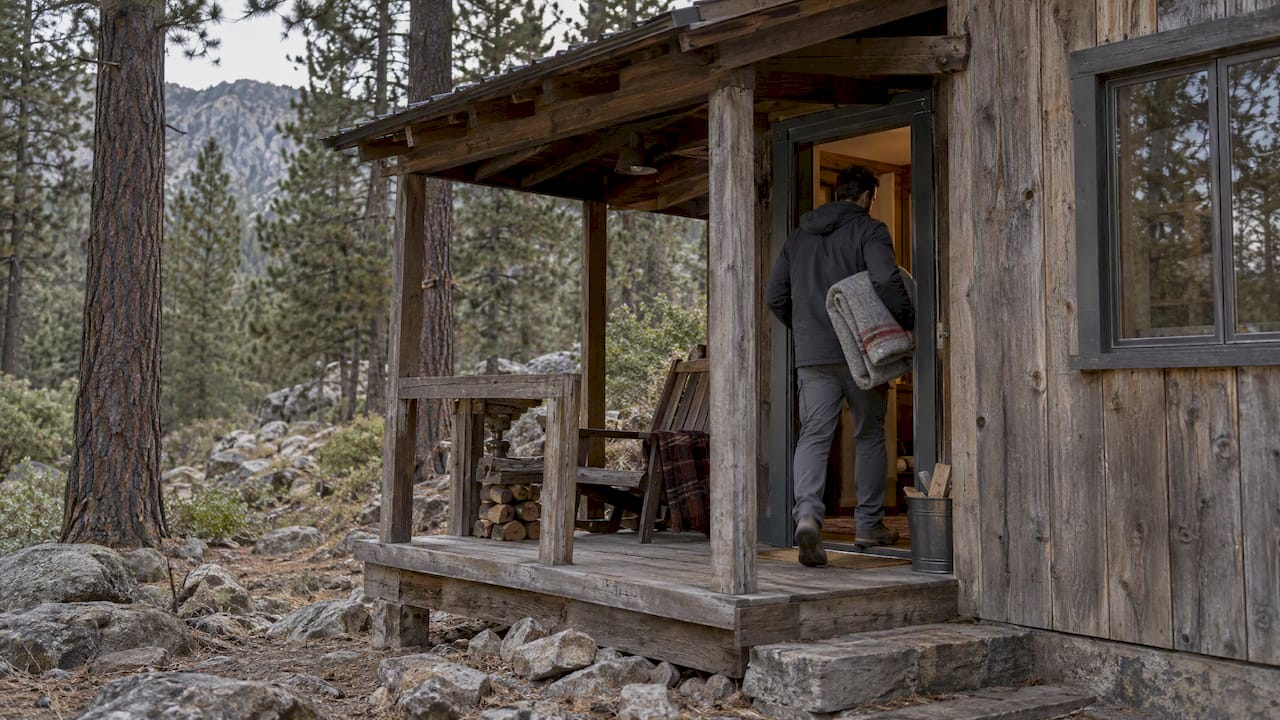
    Mountain cabin lodging near Idyllwild

    Why the quiet places matter more than the famous ones

    I think Southern California’s real character lives in the places that never make it onto a postcard. Anyone can find the crowded beach or the famous overlook. Finding a quiet cove at low tide or a desert town under a truly dark sky takes a little more effort, and that effort is part of what makes the experience stick with you.

    Respecting these places matters as much as finding them. Pack out your trash, stay on marked trails, and report problems like damaged signage or blocked access to the managing agency instead of just posting about it online. If you have found a quiet spot we have not covered, send it our way. Southern California’s hidden gems stay hidden and protected because people who love them keep sharing what they know responsibly.

    — Joshua

    Plan your next trip with SoCal Sights

    We built SoCal Sights around exactly the kind of discovery this list represents: the spots that do not show up in a standard travel guide but deserve to be found. If you run a local business or organize events in Southern California, advertising with SoCal Sights puts your spot in front of travelers and locals who are actively searching for exactly what you offer, rather than scrolling past another generic ad.

    Socalsights

    Beyond advertising, our guides double as planning tools for your own trips. Our Southern California road trip guide pairs well with several entries above if you want to string together multiple hidden gems into one route, and our Channel Islands day trip guide walks through the exact boat booking and packing steps Santa Cruz Island demands.

    • Browse curated lists by category to match your next trip to your interests.
    • Use planning guides to turn a single hidden gem into a full weekend itinerary.
    • Consider reaching out about featured placement if you run a local business near any of these spots.

    Ready to put a face to your business in front of travelers planning their next SoCal escape? Learn more about membership and let us help you reach them.

    FAQ

    What are some hidden spots to visit in Southern California?

    Santa Cruz Island’s Painted Cave, Deep Creek Hot Springs, and Borrego Springs’ desert sculpture garden all count among Southern California’s most rewarding lesser-known spots. Crystal Cove’s historic cottage district and the quieter coves along Coronado’s less-trafficked beaches round out a strong list for a first visit.

    What are the 7 wonders of California?

    There is no single official list of “7 wonders of California,” since the phrase gets used loosely across different travel sites and definitions vary. Many versions include natural landmarks like Yosemite, Lake Tahoe, and the Channel Islands alongside human-made sites, but no government or tourism body maintains an authoritative version.

    What is a must see in Southern California?

    Santa Cruz Island’s Painted Cave stands out as a genuine must-see, since it ranks among the largest sea caves in the world at nearly a quarter mile long. Crystal Cove’s historic cottage district is another strong pick for travelers who want coastal scenery paired with a real sense of history.

    What are California’s best hidden gems?

    Southern California alone holds standout hidden gems like Borrego Springs for desert stargazing, Ojai for its sunset pink moment, and Crystal Lake Recreation Area for cooler mountain air above the smog line. Each offers a genuinely different experience from the state’s more famous coastal and urban destinations.
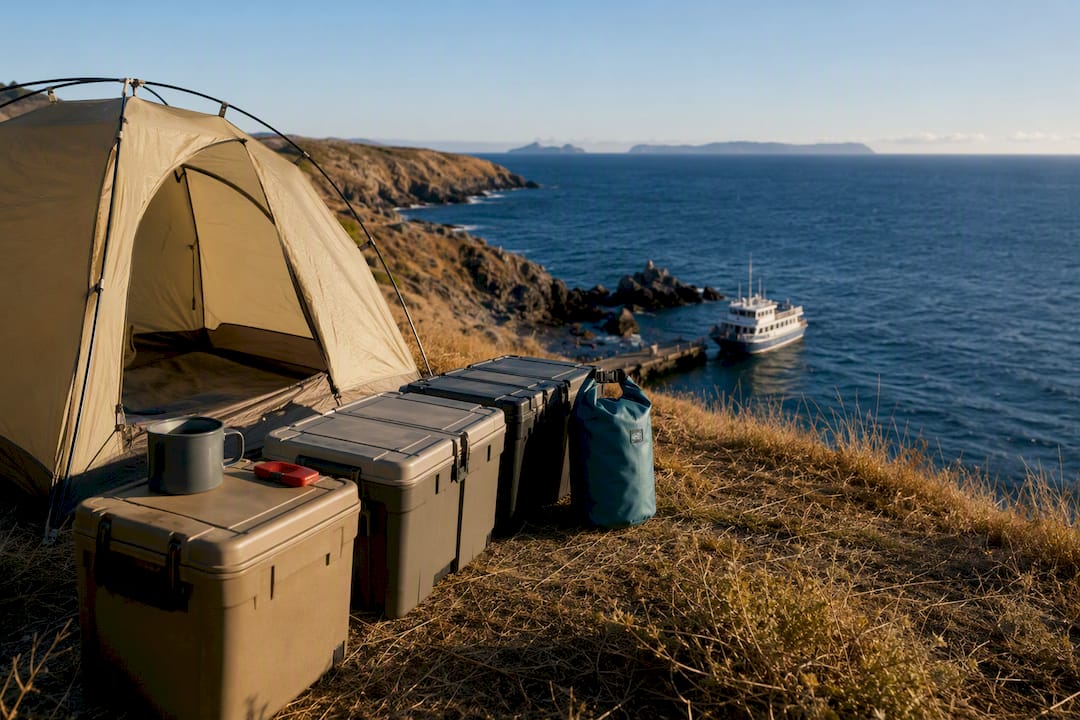
    Visiting on weekday mornings, arriving before 9 AM, and traveling in shoulder seasons like spring or fall consistently cuts down on crowds at these spots. Walking a short distance away from main parking areas or tourist strips, as with Crystal Cove’s tidepools or Coronado’s beaches, also helps you find quieter space.

    Sources

  • Pasadena Hidden Gems: 9 Community Vetted Local Picks

    Pasadena Hidden Gems: 9 Community Vetted Local Picks

    Pasadena’s real character shows up in its quieter corners: three-acre community gardens, a pre-WWII Japanese garden tucked into a residential street, and remnant estate landscaping you can only view from the sidewalk. Arlington Garden, Storrier Stearns Japanese Garden, and Hahamongna Watershed Park top the list for anyone who wants fewer crowds, better photos, and a real sense of local life. Hours, parking, and reservation details follow below so you can plan around them.


    TL;DR:

    • Visiting Arlington Garden on a weekday morning reduces crowding and improves photo opportunities, especially since parking is limited and weekends draw more visitors.
    • The Hahamongna Watershed Park offers wide open space with trails and disc golf, but the best visits are early morning or late afternoon to avoid the heat and crowds.
    • Interior architectural sites like the Gamble House and Caltech’s campus require advance planning, such as checking hours or RSVP, to avoid large groups and stairs.
    • Public art walks in Pasadena reveal neighborhoods’ murals and sculptures, with late afternoon providing optimal lighting for photography.
    • Regional trails beyond main parks connect to the Arroyo Seco, offering shaded walking options and scenic views, with no permits needed for access.

    Socalsights
    Find More Southern California Hidden Gems
    SoCal Sights brings together local recommendations for distinctive activities, food spots, and itineraries across Southern California.

    Explore SoCal Sights

    Table of Contents

    1. Gardens and green spaces worth a slow afternoon

    Arlington Garden is the easiest place to start. It’s a free, three-acre public garden built on former Caltrans staging land, and it’s become Pasadena’s dedicated community garden, maintained as a nonprofit by locals who clearly love it. Parking is limited around the site, so walking or biking in from nearby neighborhoods works better than driving if you have the option.

    Hahamongna Watershed Park is the opposite experience: wide open space instead of a cultivated garden. It covers roughly 1,300 acres and stays open from 6:00 AM to sundown daily, with a 24-hole disc golf course and a mix of hiking and biking trails that range from flat fire roads to rougher single-track.

    Eaton Canyon rounds out the trio with its namesake waterfall trail, best visited in cooler months when the creek is running and the heat hasn’t baked the trailhead.

    • Bring your own water. None of these three spots have reliable fountains past the main entrance.
    • Wear real shoes. Hahamongna and Eaton Canyon both have loose gravel and uneven footing.
    • Check restroom locations before you go. Arlington Garden has none on site.

    Pro Tip: Visit Arlington Garden on a weekday morning if you want the paths to yourself, since weekends draw small crowds for photography and strolling.

    2. Small museums and architectural gems that reward patience

    Storrier Stearns Japanese Garden is one of the few intact examples of a pre-WWII residential Japanese-style garden in Southern California, and it’s open to visitors by appointment or during scheduled hours rather than as a drop-in attraction. Because it sits inside a residential neighborhood with limited street parking, arriving early or using the garden’s own driveway when it’s offered helps keep the peace with neighbors.

    The Gamble House offers a quieter architectural experience than its reputation suggests. Skipping the busiest weekend tour slots and checking the ticketing page ahead of time usually means smaller groups and more time to actually look at the woodwork.

    Upper Busch Gardens is trickier. Most of what remains of the original estate landscaping sits on private residential property today, and the Upper Busch Gardens Cultural Landscape Historic District documentation is clear that the significant remnant features are visible only from public streets. Treat this as a slow drive-by or walk, never a reason to step onto someone’s lawn.

    Caltech’s CHATS architecture tour is the most physically demanding entry here. The campus history and architecture tour runs 1.5 to 2 hours, covers about 1.3 miles, and includes multiple staircases, led by volunteer docents who clearly know the campus well. RSVP ahead, and skip it if stairs are a problem.

    • Storrier Stearns: appointment-based, limited residential parking.
    • Gamble House: check ticketing hours before arriving for smaller tour groups.
    • Upper Busch Gardens: public-street viewing only, no exceptions.
    • Caltech CHATS: RSVP required, roughly 1.3 miles with stairs.

    3. Public art walks that turn a stroll into a scavenger hunt

    Pasadena’s public-art program has quietly seeded murals, sculptures, and installations across several neighborhoods by tying new development projects to public-art contributions, which explains why you’ll find interesting pieces in spots that have nothing to do with a gallery — a key reason to experience the KC Arts District for your own public-art exploration. The result is a city where self-guided art walks feel less like a museum circuit and more like a treasure hunt.

    Three loops worth your time:

    1. Old Pasadena side streets, a 45-minute walk past storefront murals and small sculptures tucked between shops.
    2. The Playhouse District, where public art sits alongside theater marquees and makes a natural stop before or after a show.
    3. South Lake Avenue, a shorter 20-minute loop better suited to a lunch break than a full outing.

    Statistic: Pasadena’s public-art program routes a share of new development funding directly into installations across these neighborhooods, according to Visit Pasadena’s public art program overview, which is why so many pieces turn up outside the obvious tourist corridors.

    Late afternoon light works best for photos, especially on the Old Pasadena loop where the buildings throw long shadows by 5 PM. Keep noise down near residential blocks on the edges of these routes. Locals live here too, and the same courtesy that applies to Storrier Stearns applies on these streets.

    4. Food and drink spots locals actually return to

    Pair any of these walks with a meal and you’ve got a full afternoon. A handful of neighborhood spots consistently come up in local recommendations rather than tourist lists.

    • A quiet coffee shop near Old Pasadena for a pre-walk espresso before the Old Pasadena art loop.
    • A family-run bakery that sells out of its best pastries by mid-morning on weekends.
    • A noodle shop tucked into a strip mall that locals treat like a regular lunch stop, not a destination.
    • A taco counter with a line that moves fast on weekdays and slow on Friday nights.
    • A wine bar near the Playhouse District that fits naturally after an evening art walk.
    • A produce-forward café that leans on seasonal ingredients rather than a fixed menu.

    Garden mornings pair well with a café stop right after, since most gardens close their on-site amenities early. Art walks pair naturally with an evening bakery or wine bar visit once the light has faded. Expect lines at the bakery on Saturday mornings and a quieter kitchen at most spots by 2 PM on weekdays.

    5. How these picks were verified

    These picks were chosen based on how often they show up in local recommendations, whether they have an official page confirming hours and access, how accessible they are to a first-time visitor, and how distinctive they feel from the standard tourist checklist.

    Arlington Garden’s stewardship model and Caltech’s CHATS tour program both served as verification points, since both rely on local volunteers and docents who maintain accurate, current visitor information rather than static listings.

    • Parking windows matter more than addresses. Check them before you check the map.
    • Photo reservation seasons shift year to year at venues like Wrigley Gardens, so confirm before planning a shoot.
    • Respect posted signage at residential-adjacent sites. It’s there because neighbors asked for it.

    Pro Tip: Call ahead or check a venue’s official page the same week you plan to visit. Hours and reservation rules change more often than most guides update.

    6. Trails beyond the obvious parks

    Beyond Hahamongna and Eaton Canyon, Pasadena’s foothill edges hide a few trail stretches that rarely make the standard list. The connector paths linking Hahamongna to the wider Arroyo Seco system let you turn a short park visit into a longer loop without doubling back on the same trail twice.

    Smaller access points along the Arroyo Seco corridor offer shaded, flat walking that works well in the hotter months when Eaton Canyon’s exposed sections feel punishing. These stretches see far less foot traffic than the named trailheads, mostly because they don’t show up on typical trail apps as standalone destinations.

    Walker on a shaded Arroyo Seco path

    If you’re comfortable with more elevation, the fire roads above Hahamongna climb toward views of the watershed that most day visitors never see, since the disc golf course and main trails pull attention toward the flatter terrain. Bring more water than you think you need. There’s no shade once you’re above the tree line, and the climb back down is harder on tired legs than it looks going up.

    None of these require a permit or reservation, which makes them a good backup plan when Eaton Canyon’s main lot fills up on weekend mornings, a common occurrence by mid-morning in spring and early summer.

    7. Local festivals that still feel like insider knowledge

    Pasadena’s biggest event needs no introduction, but the smaller seasonal gatherings around the city are where the local flavor really shows. Neighborhood art walks timed to specific weekends throughout the year let you see murals and installations alongside pop-up vendors and live music, turning a self-guided walk into a scheduled event.

    Garden-focused open days at smaller sites, including occasional extended hours at places like Storrier Stearns, give visitors access windows that don’t exist the rest of the year. These dates shift annually, so checking a venue’s own page close to your travel dates beats relying on a general calendar.

    Smaller craft and food markets pop up seasonally in different neighborhoods, often timed to coincide with weather that makes outdoor browsing comfortable, generally spring and fall. These tend to draw more locals than tourists, which is exactly the point if you’re trying to get past the standard visitor experience.

    8. Boutique shops and artisan markets worth a detour

    Pasadena’s shopping scene outside the big commercial strips leans toward small, specific shops rather than chains. A few categories consistently draw locals back.

    Independent bookstores tucked into side streets often carry a curated selection that rewards slow browsing rather than quick in-and-out trips. Vintage and antique shops scattered through the city’s older commercial blocks attract regulars who check in for new inventory rather than tourists passing through once.

    Small artisan markets, often seasonal or monthly rather than permanent, bring together local makers selling everything from ceramics to small-batch food products. These tend to cluster near the same neighborhoods that host the public-art walks, so pairing a market visit with a mural loop makes efficient use of an afternoon. Checking a shop’s hours before heading over matters more here than at bigger retail districts, since many of these smaller businesses keep limited or seasonal schedules.

    Ceramics displayed at Pasadena artisan market

    9. Historic architecture most visitors walk right past

    Pasadena’s architectural history goes well beyond the handful of landmarks that make every list. Residential neighborhoods throughout the city hold examples of early twentieth century design that are fully visible from the sidewalk, no ticket or tour required.

    The same historic district documentation that covers Upper Busch Gardens also points to a broader pattern across Pasadena: significant architectural and landscape history sitting quietly inside residential blocks rather than roped off as formal attractions. Walking these streets slowly, camera ready, turns up details that a quick drive-through misses entirely, from original ironwork to landscaping choices that have survived nearly a century.

    Historic Pasadena home with original ironwork

    The caution that applies to Upper Busch Gardens applies broadly here too. These are private homes, and the history is best appreciated from the street. A slow walk through the right block does more for you than any single landmark visit, since you’re seeing the architectural range of an era rather than one isolated example.

    Why community-sourced guides matter more than you think

    I’ve found that the best Pasadena recommendations rarely come from a single authoritative list. They come from people who live nearby, notice the parking window that actually works, and know which garden gate opens early on a quiet Tuesday. That’s the gap a community-driven guide fills: it catches the small, practical detail that keeps a visit from turning into a hassle.

    Off-the-beaten-path spots also matter for a reason beyond convenience. Visiting them spreads interest, and attention, away from a handful of overrun sites and toward the neighborhoods and small nonprofits actually maintaining these places. If you’ve got a favorite spot that didn’t make this list, share it with SoCal Sights. These guides get better with every local tip added.

    — Joshua

    SoCal Sights builds its guides from the same community-driven approach you just read through: local recommendations, verified details, and a focus on the spots that don’t show up in every generic travel list. If you run a café, shop, or venue near any of the spots above, or anywhere else in Southern California, getting featured in a guide like this one puts you in front of readers actively looking for exactly what you offer.

    Socalsights

    Through Advertise With SoCal Sights, local businesses and event organizers can get featured placement and promotion built around real visitor intent rather than generic ad space.

    • Featured listings put your business in front of readers planning an actual visit.
    • Membership options are available directly through the advertising platform’s site.
    • Pricing details are available on request through the advertising platform’s membership page.

    Check out the membership page to see how it works for your business.

    FAQ

    What celebrity lives in Pasadena, CA?

    Pasadena is known for attracting some well-known residents over the years, though specific current residents aren’t publicly listed in a way this guide can verify. The city’s historic neighborhoods, including areas near Millionaire’s Row, have long drawn high-profile homeowners drawn to the area’s architecture and privacy.

    Where is Millionaire’s Row in Pasadena?

    Millionaire’s Row refers to a historic stretch of Orange Grove Boulevard once lined with large estates built by wealthy families. Many of those original estates are gone today, though some architectural remnants and the broader historic district context survive in areas like Upper Busch Gardens.

    What is Pasadena, CA famous for?

    Pasadena is best known for its annual Rose Parade and the historic architecture scattered through its older neighborhoods. Beyond that, it holds a dense cluster of small gardens, museums, and public art that reward visitors willing to go past the main tourist stops.

    What are some of the top attractions in Pasadena?

    Beyond the well-known sites, Pasadena’s top lesser-known attractions include Arlington Garden, Hahamongna Watershed Park, Storrier Stearns Japanese Garden, and the Caltech CHATS architecture tour. Each offers a different kind of visit, from quiet garden strolls to a guided walk through campus history.

    Do I need a reservation for Storrier Stearns Japanese Garden?

    Storrier Stearns Japanese Garden operates by appointment or during scheduled hours rather than as a walk-in attraction, so checking ahead before visiting matters. Parking is limited in the surrounding residential area, so early arrival helps avoid conflicts with neighbors.

    Sources

  • Big Bear Summer Activities: Lake Plans, When to Go & What to Book

    Big Bear Summer Activities: Lake Plans, When to Go & What to Book

    Yes, Big Bear is an excellent summer destination. Expect cool mountain days, a busy seven-mile lake with rentals and marinas, family rides, scenic trails, and a lively events calendar. The Big Bear Discovery Center is your planning hub, Big Bear Mountain Resort runs the mountain-side fun, and local guides can point you to the spots the brochures skip.


    TL;DR:

    • Kayak, paddleboard, or take a narrated boat cruise early in the morning when the water is calm and rentals are less crowded.
    • Arrive at popular trailheads such as Castle Rock and Pine Knot before mid-morning to avoid limited parking and midday heat.
    • Book boat rentals, mountain activities, and key attractions a few days in advance to secure availability during peak summer weekends.
    • Visit Snow Summit Basecamp or the Alpine Slide for family-friendly activities, spending two to three hours at each spot.
    • Check event schedules in advance, as concerts, markets, and LakeFest often require early planning to enjoy fully.

    Socalsights
    Find More Southern California Gems
    Explore curated activities, food spots, and unique itineraries that help you discover authentic places beyond the usual Big Bear highlights.

    Table of Contents

    Curated shortlist: top summer activities in Big Bear

    If you only have a day or two, this is where I’d start. Each pick below tells you who it fits and what to do about it right now.

    • Rent a pontoon or kayak: Great for families or groups who want a lazy afternoon on the water; book your marina slot the morning you arrive.
    • Take a narrated lake cruise: Perfect for first-timers who want the lake’s story without driving a boat themselves.
    • Try stand-up paddleboarding: Best early morning when the water is glassy; rentals line up fast by midday.
    • Go after wake sports: Wakeboarders and wake surfers should head toward Pleasure Point’s open water.
    • Cast a line for trout or bass: Anglers do best at dawn or dusk near the coves.
    • Hike Castle Rock: A short, steep climb that rewards you with a lake view in under an hour.
    • Walk Pine Knot to Grand View: A moderate trail for hikers wanting more mileage and forest shade.
    • Hit Snow Summit Basecamp: Zip lines, climbing walls, and tubing make this the go-to for teens and thrill-seekers.
    • Ride the Alpine Slide: A classic for younger kids and anyone who wants an easy adrenaline hit.
    • Visit the Alpine Zoo: Best in the morning when the rescued animals are most active.
    • Catch Music in the Mountains: Check the summer concert schedule and plan a weekend around it.

    Lake-focused activities: boating, rentals, beaches, and where to launch

    Big Bear Lake is the center of gravity for summer visitors, and the options split into two camps: rent something, or launch your own. Pontoons, kayaks, SUPs, and jet skis cover most rental needs, while a narrated cruise suits visitors who’d rather sightsee than steer. Families tend to gravitate toward pontoons, while solo travelers and couples often prefer kayaks or paddleboards for a quieter pace.

    For rentals and launches, California State Parks lists eleven boating facilities around the lake, including these common stops:

    • Big Bear Marina and Pine Knot Marina: Walk-up rentals close to the Village, good for first-timers.
    • Pleasure Point: The spot wake sports fans head to for open water.
    • North Shore Landing: A quieter launch on the lake’s north side.
    • Duane Boyer Public Boat Launch (West Ramp): A public ramp with trailer parking for those towing their own boat.
    • Carol Morrison Public Boat Launch (East Ramp): The main public launch on the east end.

    Confirm ramp status and rental hours before you drive out, wear a life jacket, and aim for early morning if you want calm water or a better shot at fish.

    Mountain and family attractions worth a half day

    Snow Summit’s Basecamp, run by Big Bear Mountain Resort, packs a 30-foot climbing wall, a Euro Bungee trampoline, a kids’ bike course, a zip line, tubing, and gem mining into one spot. You can buy single-use tickets for one or two activities or grab a day pass if your crew wants to bounce between everything, and most families spend two to three hours there.

    Nearby in Moonridge, the Alpine Slide is a favorite for younger kids who want speed without the height requirements of bigger thrill rides, and a run or two usually fills an hour. The Big Bear Alpine Zoo is a small rehabilitation sanctuary for injured wildlife, and mornings are best since that’s when the animals are most active.

    • Families with young kids: Alpine Slide plus the zoo makes an easy half day; for planning more family-friendly fun, check this activities checklist for every age.
    • Teens and thrill-seekers: Basecamp’s zip line and climbing wall are the draw.
    • Mixed-age groups: Start at the lake in the morning, then move to attractions in the afternoon once the sun gets high.

    Hiking and scenic trails for every ability

    Big Bear’s trail network ranges from quick overlooks to half-day treks, and the Forest Service’s Big Bear Lake Recreation Area lists several worth building a morning around.
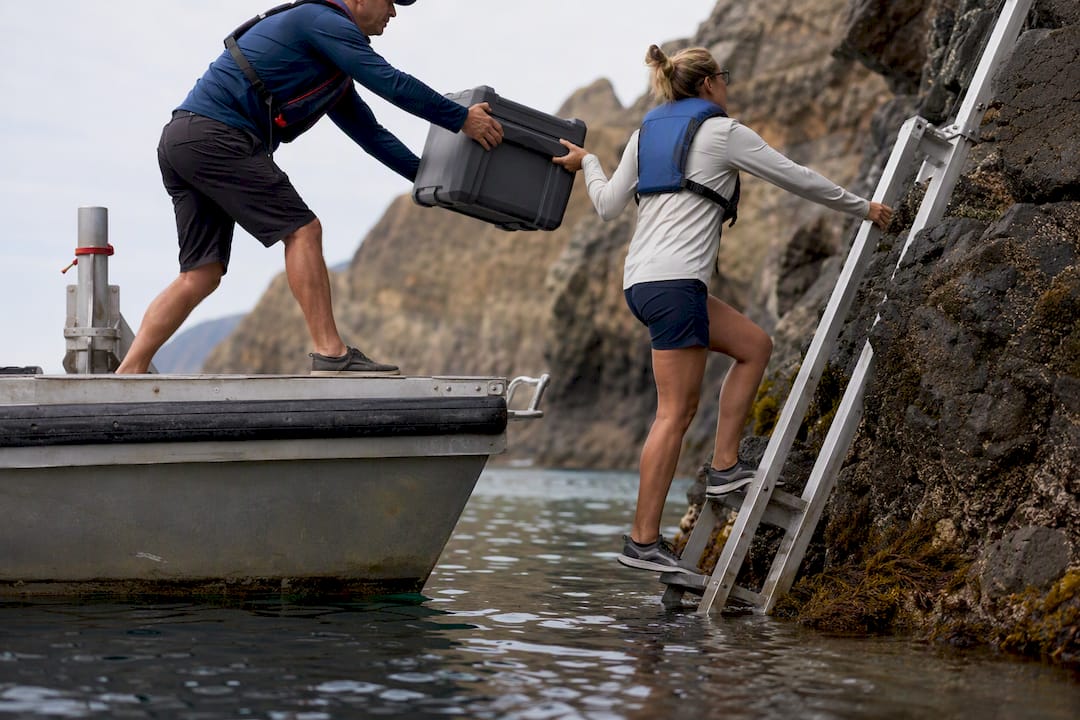
    1. Castle Rock: A short, steep scramble with a lake view at the top, ideal if you only have an hour.
    2. Pine Knot to Grand View: A moderate forested climb that rewards you with sweeping valley views, best for hikers wanting more distance.
    3. Cougar Crest to the Pacific Crest Trail junction: A longer, more exposed route for experienced hikers chasing solitude and ridge views.
    4. Alpine Pedal Path: A flat, paved route along the lake’s north shore that works for strollers and wheelchairs alike.

    Parking fills early at popular trailheads, so arrive by mid-morning. Hiking early also helps you dodge the stronger midday sun and the afternoon storms that can roll in during late summer.

    Summer events and seasonal highlights to plan around

    Big Bear’s calendar fills up fast once the snow melts. The Music in the Mountains concert series brings live performances through the warmer months, while the Village Summer Wine Walk turns a stroll downtown into a tasting tour. LakeFest draws crowds for a weekend of lake-centered festivities, and a cycling festival pulls in riders chasing mountain climbs. Weekly farmers markets round things out with produce, food trucks, and local crafts.

    • Music in the Mountains: Live concerts running through summer weekends.
    • Village Summer Wine Walk: A self-paced tasting walk through the Village.
    • LakeFest: A weekend built entirely around the lake.
    • Farmers markets: Weekly stops for food and local goods.

    Dates shift year to year, so check with event hosts or the Big Bear Discovery Center before you book your trip, and consider timing your visit to land on one of these.

    Trip planning essentials and safety

    Summer days at Big Bear’s elevation run mild, often cooler than the valleys below, but afternoons can bring sudden thunderstorms, especially later in the season. Check the Forest Service’s recreation area page and California State Parks for current trail conditions, ramp status, and any fire restrictions before you head out.
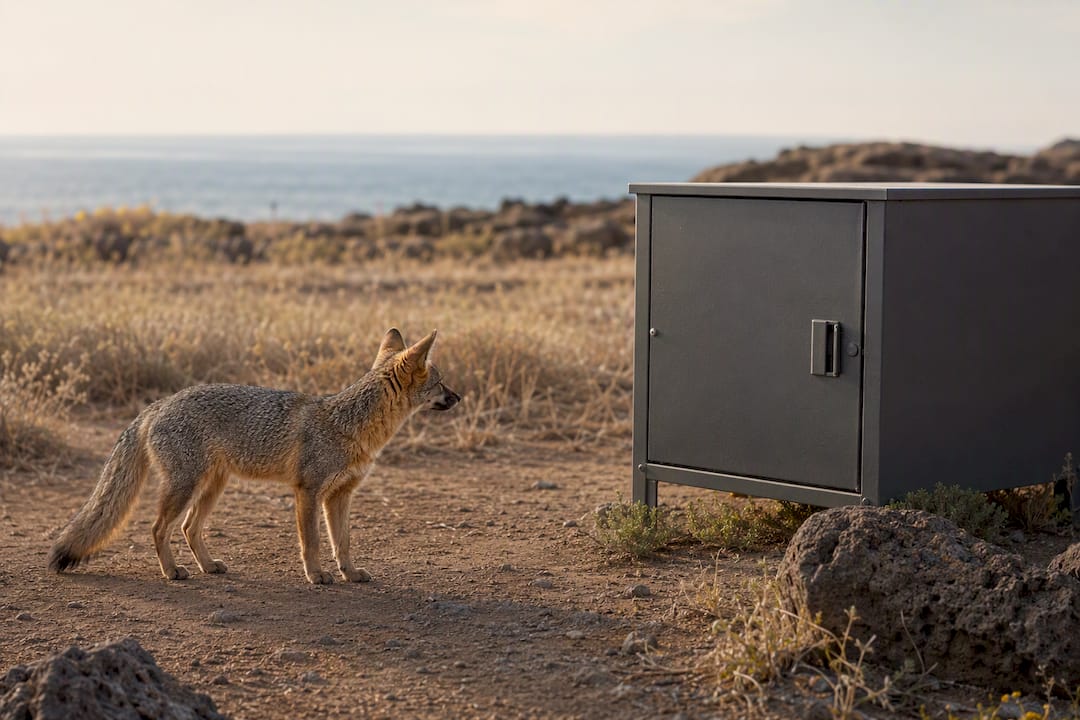
    Pack for layers since mornings and evenings cool off fast, and don’t skip sunscreen since the sun hits harder at elevation.

    • Layers: A light jacket for mornings, shorts for midday.
    • Sunscreen and a hat: The sun is stronger up here than at sea level.
    • Water and trail shoes: Especially for anything beyond a short overlook walk.
    • Reservations: Lock in boat rentals and Basecamp tickets ahead of weekends.

    Pro Tip: Book rentals and Basecamp activities a few days before a summer weekend, since the popular slots disappear fast.

    Local guides’ picks and lesser-known suggestions

    Beyond the usual list, a few spots deserve more attention. Quieter coves away from the main marinas give photographers and couples a calmer view without the jet ski traffic. A late-afternoon stroll through the Village, after the day-trippers clear out, turns up small shops and a slower pace that’s easy to miss if you’re rushing between attractions.

    • Quiet north shore coves: Best for photographers and anyone wanting a peaceful hour by the water.
    • Late-afternoon Village walk: Ideal for couples once the crowds thin.
    • Lesser-known overlooks off main trailheads: Worth a stop if you’ve already hit Castle Rock.

    Our guide to the kinds of spots we feature breaks down how we find these, and we always want to hear your favorite corner of Big Bear too.

    Horseback riding options and tours

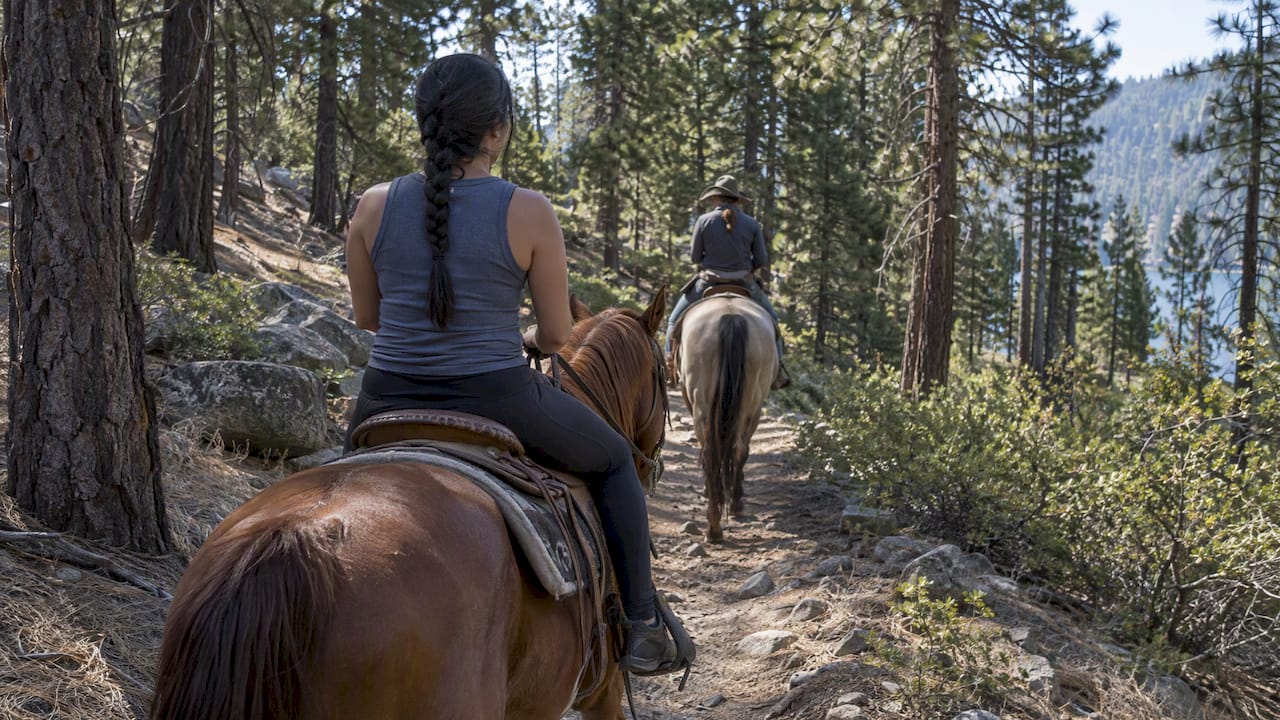
    Horseback riding is one of the more relaxed ways to see Big Bear’s backcountry, and it suits visitors who want scenery without the climb. Local outfitters around the lake run guided trail rides that range from short hour-long loops to longer rides through forested terrain, and most set a minimum age or weight limit for riders, so check ahead if you’re bringing young kids.

    Beginner rider on Big Bear trail

    Morning rides tend to be cooler and calmer, both for you and the horses, and they often line up with better wildlife sightings since deer and birds are more active before the midday heat sets in. If you’re new to riding, ask about beginner-friendly loops. Most outfitters pair newcomers with an easy trail and a guide who keeps the pace slow.

    Couples and families both do well with this option since it requires no physical exertion beyond staying balanced in the saddle, and it’s a nice contrast to a morning spent paddling or hiking. Plan for an hour to ninety minutes depending on the route, and book a day or two ahead during peak summer weekends since slots fill up with vacationing families.

    If you’re pairing a ride with other mountain activities, late morning works well: you get the cooler temperatures for the ride, then head into town or down to the lake once the sun climbs higher.

    Guided nature walks and wildlife spotting tours

    Big Bear’s forest draws more than hikers. Guided nature walks, often run through or alongside the Discovery Center, give visitors a slower, more detailed look at the area’s plant life, bird populations, and seasonal changes. These work well for travelers who want context rather than just a view, since a guide can point out details you’d walk right past on your own.

    Wildlife spotting is part of the draw here too. The Forest Service notes that the Stanfield Cut-off, a causeway on the lake’s east side, is a strong spot for seeing white pelicans, coots, and great blue herons, with bald eagles showing up in winter. Summer visitors won’t catch the eagles, but the pelicans and herons are often visible from the causeway or nearby shoreline.

    If birdwatching interests you, bring binoculars and plan an early visit. Wildlife tends to be most active in the first hours after sunrise, before boat traffic and foot traffic pick up on the lake. Families with curious kids often find these walks a nice break from the more physical activities, since they move at a relaxed pace and give everyone a chance to catch their breath between a hike and an afternoon on the water.

    Check with the Discovery Center for current guided walk schedules, since ranger-led programs can shift with staffing and season.

    Dining and food options specific to summer visitors

    Big Bear’s food scene leans casual in summer, which fits the laid-back pace of a lake vacation. The Village is the easiest place to wander for a meal, with options ranging from quick sandwich counters to sit-down spots with patio seating that catches the mountain breeze. After a morning on the water or a hike, a casual lunch spot with outdoor tables is usually the move, since you’ll likely be in hiking boots or still slightly damp from the lake.

    Farmers markets that run through the summer are worth building a stop around too, since local produce, baked goods, and food trucks rotate through on a weekly basis. These make for an easy, low-key dinner option if you don’t want to sit down for a full meal.

    For families, look for spots with simple menus and quick service, since kids coming off a day of swimming or riding the Alpine Slide tend to want food fast. Couples or groups without kids have more flexibility to linger over a slower dinner, especially on a Village patio as the evening cools off.

    If you’re visiting during a weekend event like the Village Summer Wine Walk, expect food and drink options to cluster around that stretch of town, so plan your meal timing around the event rather than against it.

    Nighttime activities and stargazing locations

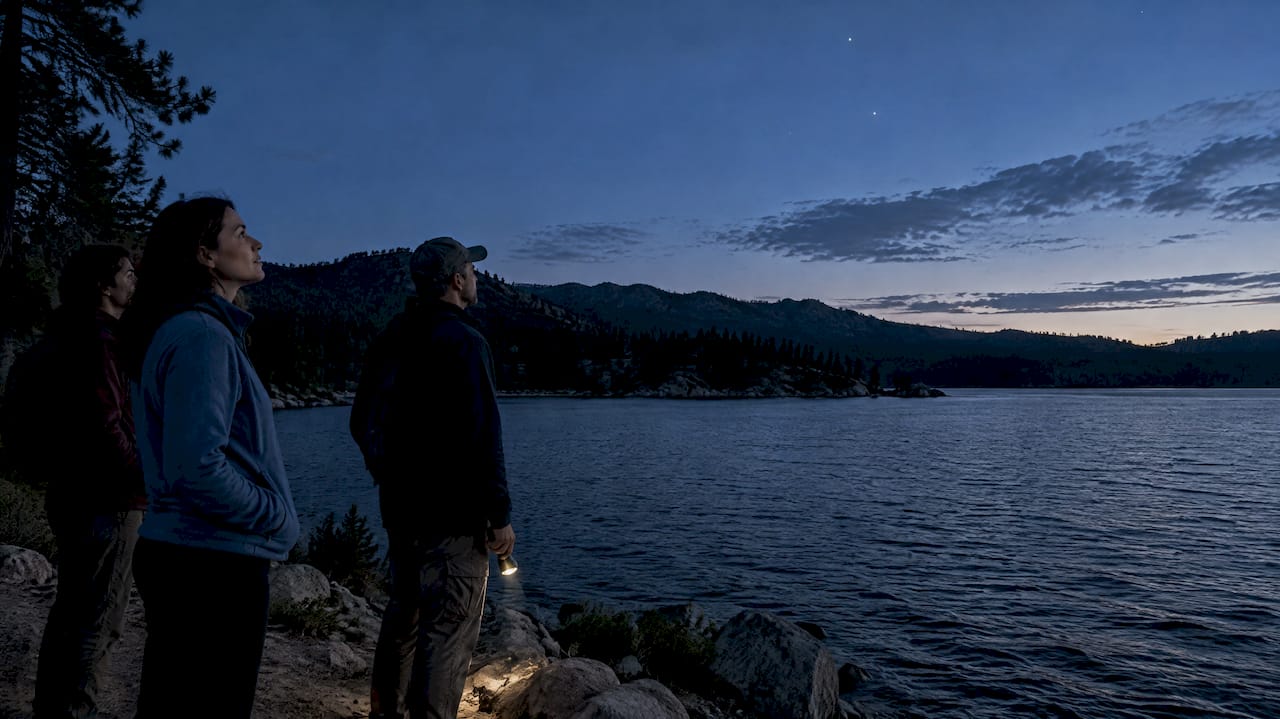
    Once the sun sets, Big Bear’s elevation and distance from major city lights make it a solid spot for stargazing, better than most places within a couple hours of Los Angeles. Clear summer nights at the lake often deliver a noticeably darker sky than what you’re used to at home, especially if you head away from the Village’s lights toward the north shore or one of the quieter pullouts along the lake.

    A short walk along the Alpine Pedal Path after dark, flashlight in hand, gives you an easy, flat route with open sky views over the water. Couples looking for a quiet evening often find this simpler than driving to a formal overlook.

    For those wanting a slightly more organized experience, check with the Discovery Center or local event listings for occasional evening ranger programs, since these sometimes include telescope viewing or basic astronomy talks during summer months.

    Beyond stargazing, nighttime in Big Bear tends to be quiet by design. Most visitors wind down with a Village dinner or a fire at their cabin rather than hunting for nightlife, which fits the overall pace of a mountain summer trip. If you’re craving more organized evening entertainment, check what’s running at the time of your visit, since schedules shift through the season.

    Camping sites and regulations in Big Bear during summer

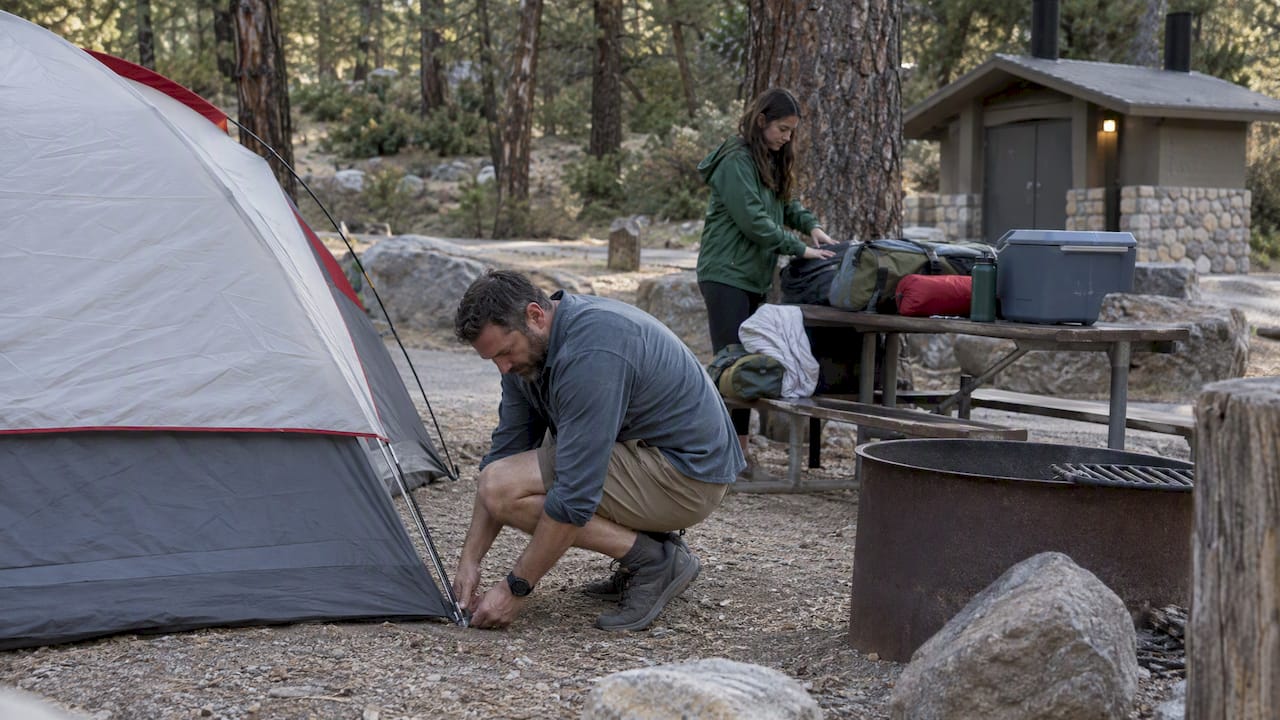
    Camping is one of the more popular ways to extend a Big Bear trip beyond a weekend, and the area around the lake has a mix of developed campgrounds and more rustic sites within the San Bernardino National Forest. Developed sites typically offer the basics: fire rings, picnic tables, and bathroom access, while more remote options trade convenience for quiet.

    Family setting up Big Bear campsite

    Summer is peak season, which means popular campgrounds fill up fast, especially around weekends tied to events like LakeFest or the Village Summer Wine Walk. Reserve ahead whenever possible rather than counting on a walk-up spot.

    Fire restrictions are worth checking before you go, since dry summer conditions can trigger limits on campfires or require permits for certain types of stoves. The Discovery Center and Forest Service pages are the right place to confirm current rules before you pack the marshmallows.

    • Developed campgrounds: Best for families wanting bathrooms and easy access.
    • More rustic forest sites: Suited to campers comfortable with fewer amenities.
    • Fire restrictions: Always confirm current rules before building a campfire.

    If you’re combining camping with lake activities, sites closer to the marinas cut down on drive time for morning paddleboard sessions or boat rentals.

    Mountain biking trails and rentals

    Big Bear’s terrain draws mountain bikers looking for everything from gentle fire roads to steeper technical descents. Several trail networks wind through the forest around the lake, and difficulty varies enough that beginners and experienced riders can both find something that fits. Bike shops around town rent full suspension and hardtail bikes, along with helmets and basic gear, so you don’t need to haul your own setup up the mountain.

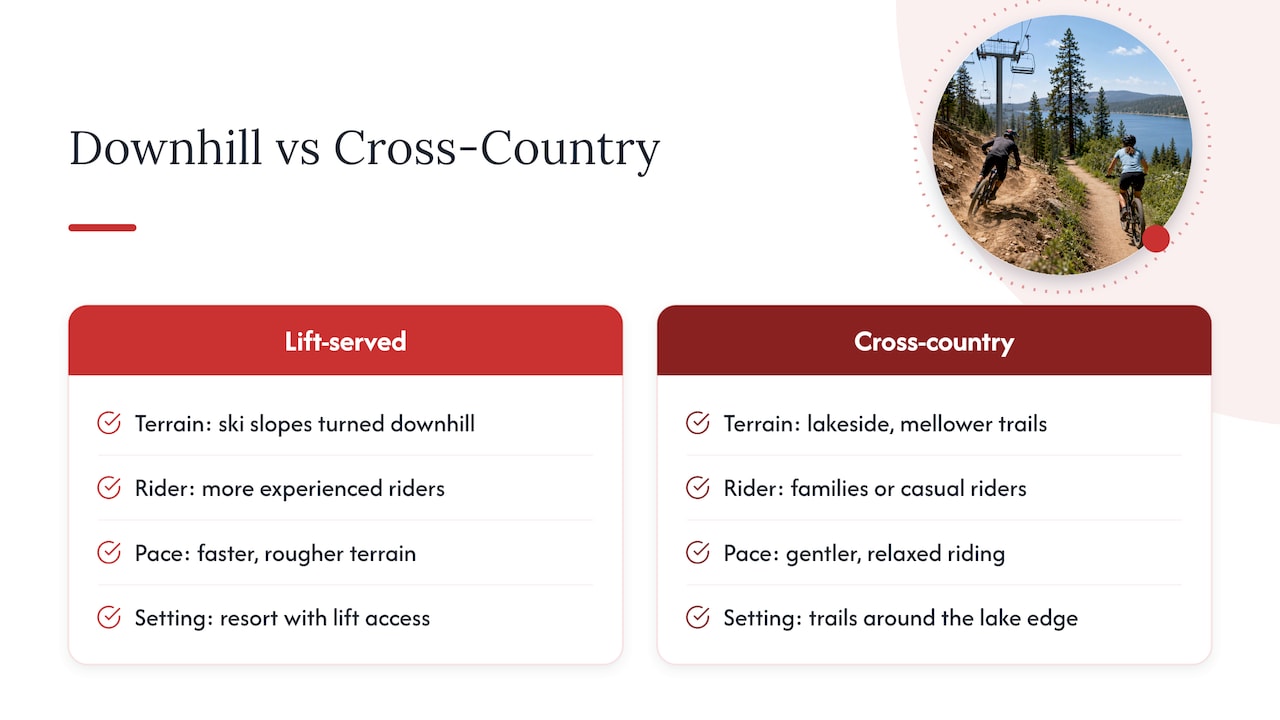
    Riders chasing bigger descents often look to the resort’s lift-served biking during summer, which turns the same slopes used for skiing into downhill mountain bike runs. This suits more experienced riders comfortable with faster, rougher terrain, while cross-country trails around the lake’s edge offer a mellower option for families or casual riders.

    Comparison of Big Bear biking options

    Morning rides tend to be cooler and the trails less crowded, which matters more on technical singletrack than on a casual lakeside path. If you’re new to the area, ask a local shop which loop matches your skill level. Trail conditions and difficulty can vary more than a map suggests, especially after a wet spring.

    Pack layers since temperatures swing between the climb and the descent, and bring more water than you think you’ll need given the elevation. Renting locally also means you can ask directly about current trail closures or recent maintenance, which saves you from showing up to a trailhead that’s temporarily off limits.

    Author perspective: a local curator’s quick note

    Ask me how I’d spend a summer day in Big Bear and I’d skip the crowded Village lunch rush, grab a kayak at sunrise, then hike Castle Rock before the sun gets high. The lake earns its reputation, but the quiet mornings are the real reward. Got a favorite spot we missed? Share it. The guide grows through tips from people who actually know these places.

    — Joshua

    Running a Big Bear business or hosting a summer event? SoCal Sights helps local businesses and event organizers reach visitors planning their trip, through curated features that highlight what makes your spot worth a stop. If you want your business included in guides like this one, learn more about advertising with SoCal Sights and get your Big Bear offering in front of travelers actively planning their visit.

    Socalsights

    Sources

    FAQ

    Is it worth going to Big Bear in the summer?

    Yes, summer is one of the best times to visit, with cooler mountain temperatures, full lake access for boating and fishing, open hiking trails, and a packed events calendar. Families, couples, and solo travelers all find enough variety to fill a weekend or longer.

    Is Big Bear Republican or Democrat?

    This article focuses on summer activities and travel planning, and local political leanings aren’t something we cover here. For visitors, the more useful details are trail conditions, boat rentals, and event schedules.

    What celebrities live in Big Bear Lake?

    We don’t have verified, publicly listed information on specific celebrity residents in Big Bear Lake. The town is better known for its lake recreation, mountain attractions, and small-town Village atmosphere than for celebrity sightings.

    What are some fun things to do in Big Bear right now?

    Right now, visitors can rent kayaks or pontoons on the lake, hike trails like Castle Rock or Pine Knot, hit Snow Summit’s Basecamp for zip lines and climbing walls, or check the current events calendar for concerts and markets. The Big Bear Discovery Center is the best place to confirm what’s open and running during your visit.

  • Heat Smart Palm Springs Weekend: 48 to 72 Hours with Local Picks

    Heat Smart Palm Springs Weekend: 48 to 72 Hours with Local Picks

    A great Palm Springs weekend comes down to two decisions: pick 48 hours for a city-and-pool trip or 72 hours if you want to add Joshua Tree or the Tramway. Base yourself downtown for walkability, rent a car if a day trip is on your list, and book Tram tickets or park passes before you go, so you’re not stuck waiting in the heat.


    TL;DR:

    • Visiting Palm Springs for two days typically requires prioritizing downtown walkability and indoor activities during midday to avoid heat.
    • Booking Tram tickets and dinner reservations in advance is essential, especially on weekends when spots fill quickly.
    • A day trip to Joshua Tree costs around $15 to $30 for a vehicle pass, which can be purchased online to save time and money.
    • The Palm Springs Aerial Tramway and Indian Canyons offer cooler outdoor experiences and are top outdoor attractions worth adding to your itinerary.
    • Staying in downtown or Uptown districts enhances walkability and mid-century style, while resort areas favor pool relaxation over exploring.

    Socalsights
    Find More Southern California Gems
    SoCal Sights shares curated activities, food spots, and unique itineraries for authentic Southern California experiences beyond the usual guidebook.

    Explore SoCal Sights

    Table of Contents

    Ready-to-follow 48-hour and 72-hour itineraries

    Here’s how I’d actually spend the time, whether you’ve got a tight weekend or a long one.

    1. Day 1 morning: Stroll Palm Canyon Drive, grab coffee, and browse the shops before the heat sets in.
    2. Day 1 afternoon: Duck into an air-conditioned museum or gallery, or head back to the hotel pool for a couple of hours.
    3. Day 1 evening: Dinner at a retro supper club, then a walk through downtown once the temperature drops.
    4. Day 2 morning: Ride the Palm Springs Aerial Tramway up to the cool mountain station, or sleep in and hit the pool if you rode the Tram yesterday.
    5. Day 2 afternoon: Wander the Uptown Design District for mid-century finds, or nap through the hottest hours and reemerge for golden hour.
    6. Day 2 evening: Sunset cocktails on a hotel patio, then a casual dinner nearby.

    If you’ve got a third day, swap in a full Joshua Tree loop (roughly 45 minutes to an hour of driving each way) or use it as a slower resort day with a spa treatment. Either way, treat mid-day (roughly 11 a.m. to 3 p.m.) as your indoor window: that’s when museums, shops, and pool loungers earn their keep, while early mornings and evenings are for anything outdoors. Book Tram tickets and dinner reservations a few days ahead, especially on weekends when both fill up fast.

    Must-see attractions worth your time

    Palm Springs rewards you even if you only hit the highlights.

    • Downtown Palm Springs and Palm Canyon Drive deliver the best people-watching, vintage shopping, and photo backdrops, especially the mid-century signage along the main strip.
    • Palm Springs Aerial Tramway whisks you from desert floor to alpine forest in minutes and is worth a half day round trip.
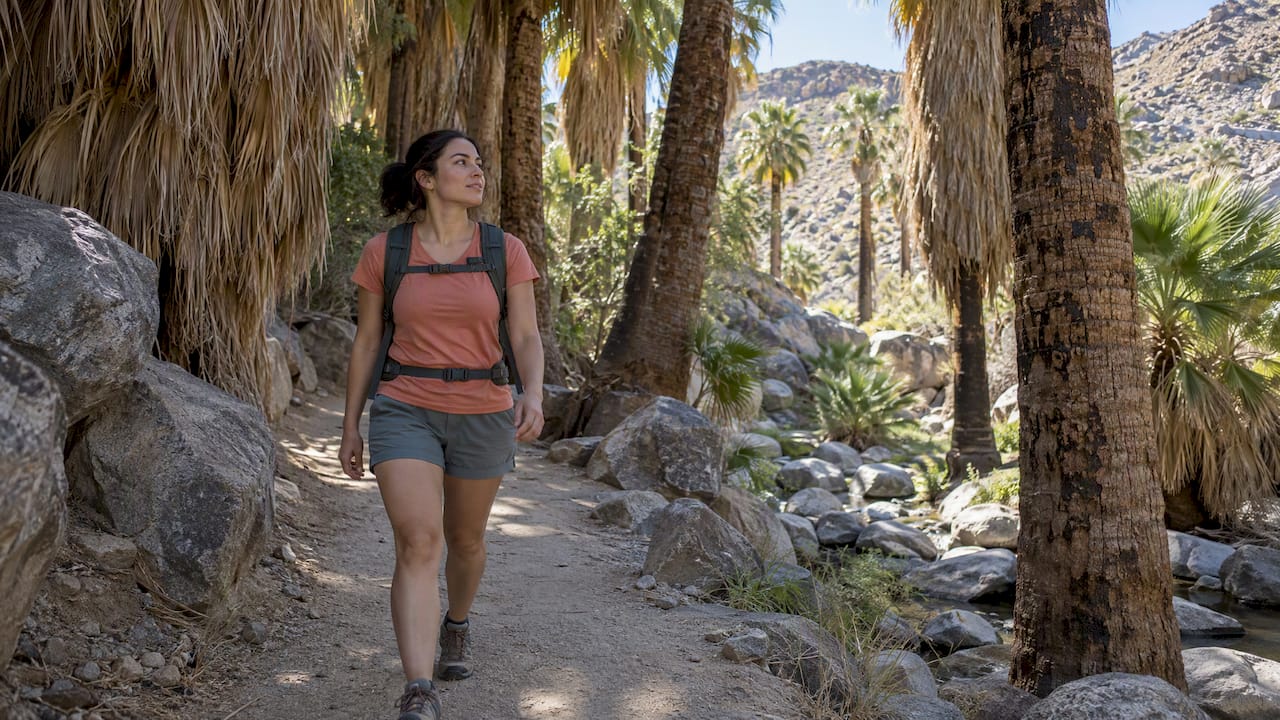
    • Indian Canyons offers shaded palm oasis trails that stay cooler than open desert hikes, a smart pick when temperatures climb.
    • Architecture drives through the Movie Colony and Las Palmas neighborhoods let you spot mid-century landmarks from the car with the AC running.

    The Tramway posts its own ticket prices and seasonal hours on its official ticket page, and it typically closes for a few weeks of preventative maintenance in early autumn, so check before you plan around it.

    Where to eat by neighborhood and mood

    Palm Springs dining splits pretty cleanly by what you’re craving and what time it is.

    • For breakfast or coffee, head to the cafes clustered around downtown and the Uptown Design District, where you can walk in most mornings without a wait.
    • Retro dinner institutions get busy on weekend nights, so reserve a table at least a few days out if you have your heart set on one.
    • Poolside lunch spots at the resorts are usually walk-in friendly, even on Saturdays.
    • Late-night options thin out fast in Palm Springs, so plan dinner reservations for earlier in the evening if you want a proper sit-down meal.

    Where to stay for a short trip

    Your neighborhood pick shapes the whole weekend more than people expect.

    • Downtown Palm Springs suits travelers who want to walk to dinner, shops, and nightlife without touching the car.
    • Uptown Design District works well for anyone chasing mid-century style, with boutique hotels that lean into the aesthetic.
    • Resort areas further from downtown make sense if a big pool and quiet grounds matter more than walkability.

    For a two or three night stay, a boutique hotel usually gives you more personality per dollar than a sprawling resort, though a resort wins if lounging by the pool is the whole point. Ask for a pool-facing room when you book, and check weekday rates since Palm Springs pricing often drops noticeably outside weekends.

    Getting around Palm Springs without the guesswork

    Downtown is compact enough to walk, but the rest of your weekend depends on how you move.

    1. Rent a car if a Joshua Tree day or Tram trip is on your itinerary, since both sit outside downtown.
    2. Walk downtown for shops, restaurants, and galleries within a few blocks of Palm Canyon Drive.
    3. Use ride-hail apps for short hops, though weekend nights can mean a longer wait than you’d expect in a smaller city.
    4. Rent a bike for a breezy way to cover downtown and nearby neighborhoods in cooler morning hours.
    5. Park at your hotel or a public lot near Palm Canyon Drive rather than circling for street spots on busy weekends.

    Pro Tip: Check the Tramway’s hours page before you go, since schedules shift seasonally and the annual maintenance closure can catch first-time visitors off guard.

    Planning a Joshua Tree day trip from Palm Springs

    Joshua Tree sits roughly 45 minutes to an hour from Palm Springs depending on which entrance you use, and leaving early avoids both the heat and the crowds.

    • A private vehicle pass valid for 7 days typically runs $15 to $30, an annual pass costs $55, and the park accepts the America the Beautiful interagency pass.
    • There are no services inside the park, so bring all your own food and water and expect spotty cell reception once you’re inside.
    • Short, rewarding hikes and standout stargazing spots cluster around Hidden Valley, and sunset there is hard to beat.
    • If camping is part of your plan, book a site well ahead since first-come sites often fill by Friday afternoon on busy weekends.

    Roughly 15% to 30% of the private vehicle fee range applies depending on when you visit, and buying your pass online ahead of time means one less stop at a possibly closed fee booth. For a longer visit, our Joshua Tree itinerary breaks down one to three day plans, and our stargazing guide covers the best night sky spots in detail.

    SoCal Sights local picks and hidden gems for a weekend

    Beyond the obvious stops, a few community-sourced favorites round out a Palm Springs weekend: a family-run taco counter tucked off the main drag, a vintage shop with rotating mid-century furniture, and a quiet garden bar locals treat as their own living room. Each rewards an early arrival before word gets around.

    Family-run Palm Springs taco counter

    Pro Tip: Ask locals where they actually eat on a Tuesday, not just where the guidebooks send tourists.

    Tips for nightlife and entertainment during the weekend

    Palm Springs nightlife leans laid-back rather than loud, and that’s part of the charm. Piano bars and lounges around downtown fill up early on weekends, so arriving by 8 or 9 p.m. gets you a seat without a wait. Rooftop bars are a good bet for catching the last of the sunset with a cocktail, before the temperature drops enough for a walk.

    If you want live music, check listings for the weekend you’re visiting since smaller venues rotate acts often and don’t always post far in advance. Karaoke nights and drag brunches have become weekend staples at a handful of downtown spots, drawing a mixed crowd of locals and visitors. For a quieter evening, several hotel pools stay open late and turn into low-key social scenes once the sun goes down, string lights and all.

    Whatever you choose, pace yourself: the desert heat during the day can sneak up on you, and a mellow evening usually feels better than a rowdy one after a full day outside. Most nightlife spots cluster within a few blocks downtown, so once you’ve picked a starting point, it’s an easy walk to compare a few before settling in.

    Shopping districts and local markets worth a stop

    Palm Canyon Drive downtown is the obvious shopping stretch, mixing boutique clothing stores with mid-century home goods and the occasional record shop worth digging through. The Uptown Design District, just north, is where you’ll find the denser cluster of vintage furniture and decor stores, the kind of place where you go in for a look and leave with a lamp you didn’t know you needed.

    If you’re visiting on a weekend that lines up with a local market, the outdoor vendor stalls that pop up seasonally are worth a slow walk, with produce, crafts, and food vendors that change week to week. Consignment and estate sale finds are part of the fun here, since Palm Springs has long attracted collectors of mid-century design, and a fair number of them eventually sell off pieces locally.

    Shopper examining vintage mid-century furniture

    Give yourself at least an hour if you’re serious about browsing either district, since both reward a slow pace over a rushed one. Comfortable shoes matter more than you’d think, since sidewalks get warm fast once the sun is up.

    Cultural events and festivals to check before you book

    Palm Springs hosts a rotating calendar of events throughout the year, and timing your weekend around one can add a layer the standard itinerary doesn’t cover. Film and arts festivals draw crowds to downtown venues at various points in the year, while smaller gallery walks and art nights happen more regularly and are easier to catch without advance planning.

    Modernism-focused events pop up periodically too, drawing architecture fans who come specifically for home tours and design talks tied to the city’s mid-century reputation. If a bigger festival lines up with your weekend, expect hotel prices to climb and book your room earlier than you normally would.

    Checking the local events calendar a few weeks out is worth the five minutes it takes, since it can turn an ordinary weekend into one built around something you’d have missed otherwise. Smaller, recurring events like weekly art walks are a low-key way to add texture to an evening without needing a reservation or a ticket.

    Wellness and spa options for relaxation

    A desert weekend practically asks for a spa afternoon, and Palm Springs delivers plenty of them, from full-service resort spas to smaller, appointment-only studios tucked into residential streets. Many resorts open their spa facilities to non-guests for a fee, which is worth knowing if your own hotel doesn’t have one.

    Mineral hot springs pools are one of the region’s signature offerings nearby, and even within Palm Springs proper, several hotels lean into a wellness angle with soaking tubs, saunas, and treatment menus built around the desert setting. Booking a massage or facial for the hottest part of the afternoon does double duty: you stay out of the sun and come out relaxed for the evening.

    Guest entering a desert mineral hot springs pool

    If a spa day is the whole point of your trip, it’s worth calling ahead rather than walking in, since weekend appointment slots at the more popular spots go quickly. Pairing a spa afternoon with a slow poolside morning is an easy way to build an entire low-key day around rest rather than sightseeing.

    Family-friendly activities and attractions

    Palm Springs works well for families too, especially if you build the day around the Tramway, which is an easy win for kids curious about the ride up and the cooler air at the top. The mountain station has walking trails suited to different energy levels, so you can let older kids explore while younger ones stick closer to the observation areas.

    Indian Canyons is another solid family pick since the shaded palm oasis trails are shorter and flatter than most desert hikes, making them manageable for younger legs. Hotel pools do a lot of heavy lifting on a family weekend too, and many properties have family-friendly hours or shallow sections that make afternoons easy to plan around.

    Downtown’s ice cream shops and casual restaurants are forgiving for pickier eaters, and the wide sidewalks along Palm Canyon Drive make for an easy evening stroll after dinner. Keep outdoor activities to morning or early evening blocks with kids especially, since desert heat affects them faster than adults.

    Matching your itinerary to your trip’s vibe

    If you want rest, lean into the pool and skip the day trip. If you want adventure, add Joshua Tree or the Tram. If food and design are the draw, stay downtown and walk everywhere. Whatever you pick, respect the heat.

    — Joshua

    How SoCal Sights can help you plan the rest

    Planning a Palm Springs weekend is easier when you’re not digging through a dozen tabs for the same five recommendations. This resource pulls together local, community-sourced picks so you can find the spots that don’t show up in every generic roundup, whether that’s a hidden taco counter or a quieter hiking trail.

    Socalsights

    • Browse curated guides for weekend trips across Southern California, including more ideas near Los Angeles if Palm Springs is part of a longer trip.
    • Check out local activity guides built the same way, focused on what locals actually recommend.
    • If you run a business in the Palm Springs area, advertise with SoCal Sights to get in front of travelers planning their next weekend.

    Local business owners can also inquire about membership and featured placement opportunities.

    Official pages for tickets, passes, and park rules

    Check the Joshua Tree fees page and the Tramway ticket page before you go, and buy in advance where you can. For getting to the area, our Southern California road trip guide covers routes from LA, and ToDoInTC’s guide to tourist apps is a handy read if you like planning with offline maps on hand.

    Sources

    FAQ

    What are some good weekend itinerary ideas for Palm Springs?

    A solid 48 hour plan pairs a downtown day of shopping and dining with a second day built around the Palm Springs Aerial Tramway or the hotel pool. Add a third day for a Joshua Tree trip if you want to get outside the city.

    What is the best month to go to Palm Springs?

    Fall and spring bring the most comfortable weather, with highs commonly in the 70 to 85 degree Fahrenheit range, while summer regularly climbs past 100 degrees. Those cooler months also tend to be the busiest, especially around spring break.

    How many days is enough for Palm Springs?

    Two days covers a classic city-and-pool weekend, while three days gives you room to add a Joshua Tree day trip or the Aerial Tramway without rushing either one. Most travelers find 48 to 72 hours hits the right balance of sightseeing and downtime.

    What are the top 5 things to do in Palm Springs?

    Downtown Palm Springs and Palm Canyon Drive, the Palm Springs Aerial Tramway, Indian Canyons hiking trails, mid-century architecture drives, and a resort pool afternoon cover the core of a weekend trip. Rounding those out with a local dinner reservation makes for a full, well-paced visit.

  • Plan 2026: 10 Southern California Festivals, Local Picks & Logistics

    Plan 2026: 10 Southern California Festivals, Local Picks & Logistics

    Coachella, Stagecoach, Dreamstate SoCal, the LA County Fair, Ohana, and Nocturnal Wonderland headline a packed 2026 Southern California festival season that runs from spring polo fields to fall lakesides. This guide gives you a curated shortlist, a month-by-month calendar, and planning tips for tickets, camping, food, and transit. Always confirm final dates and rules on each festival’s official page before you book.


    TL;DR:

    • Coachella and Stagecoach are scheduled for late April, with each festival offering on-site camping and a range of music genres, but desert heat is a major consideration.
    • Dreamstate SoCal takes place in November with over 70 electronic music artists performing by the waterfront, appealing to electronic music fans who prefer a venue near Long Beach.
    • Many festivals, including the LA County Fair, Sun Soaked, and Same Same But Different, span multiple days or weekends, requiring early booking and careful planning around transportation and accommodation.
    • Safety protocols focus on hydration, sun protection, and medical availability, with no mandatory vaccinations, but festival rules vary and should be checked close to the event.
    • Local guides and community tips can enhance festival experiences by highlighting off-site attractions, eating options, and quieter activities before or after main events.

    Socalsights
    socalsights.com
    Find More Local Festival Picks
    SoCal Sights helps you discover authentic activities, food spots, and lesser-known attractions across Southern California.

    Explore SoCal Sights

    Table of Contents

    1. The Top Southern California Festivals to Put on Your List

    Southern California doesn’t do festivals halfway, and 2026 keeps that streak alive with everything from desert mainstays to lakeside newcomers. Here’s where to start if you’re narrowing down a season’s worth of options.

    1. Coachella Valley Music & Arts Festival (Empire Polo Club, Indio): The granddaddy of American festivals returns with its usual two-weekend format, plus venue details, camping options, and ticket management deadlines spelled out on the official site. It’s best for music fans who want a genre-spanning lineup and don’t mind desert heat.
    2. Stagecoach (Empire Polo Club, Indio): The country music counterpart to Coachella runs April 24 through 26, 2026, with set times and lineup reporting confirming headliners like Post Malone, Lainey Wilson, and Cody Johnson. Boot-scooting crowds and camping regulars will feel right at home.
    3. Dreamstate SoCal (Queen Mary waterfront, Long Beach): This trance and techno showcase lands November 20 and 21, 2026, and its full 2026 lineup announcement promises over 70 artists across four stages. Electronic music fans who like a waterfront backdrop should circle this one.
    4. LA County Fair (Fairplex, Pomona): This isn’t a music festival, it’s a full-blown county fair, running May 7 through 31, 2026, according to California’s official fair calendar. Opening day pricing started at $12 in 2026, and the 17-day run makes it easy to fit around a busy schedule.
    5. Ohana Festival (Doheny State Beach, Dana Point): A beach setting with rock and alternative headliners plus family zones and conservation exhibits, per the festival’s programming page. It suits families and casual music fans who want an easy coastal day trip.
    6. Nocturnal Wonderland: A rave-culture staple in the electronic music circuit, drawing a loyal crowd that treats it as a fall tradition. Expect elaborate stage production and a late-night crowd that skews younger.
    7. Escape Halloween (NOS Events Center, San Bernardino): Scheduled for October 30 and 31, 2026, this Halloween-weekend rave advertises 85-plus artists across six stages, making it one of the bigger costume-friendly dance events on the calendar.
    8. Sun Soaked: This is an 18-and-up beach event at Huntington State Beach, with box office will-call hours listed and a clear warning to plan around traffic and limited parking. It’s a good fit for adult electronic fans who want sand under their feet.
    9. Lost in Dreams Festival (LA State Historic Park, Los Angeles): This July 2026 event runs July 11 and 12 in an urban park setting rather than a beach or desert, appealing to city dwellers who want a festival without leaving Los Angeles.
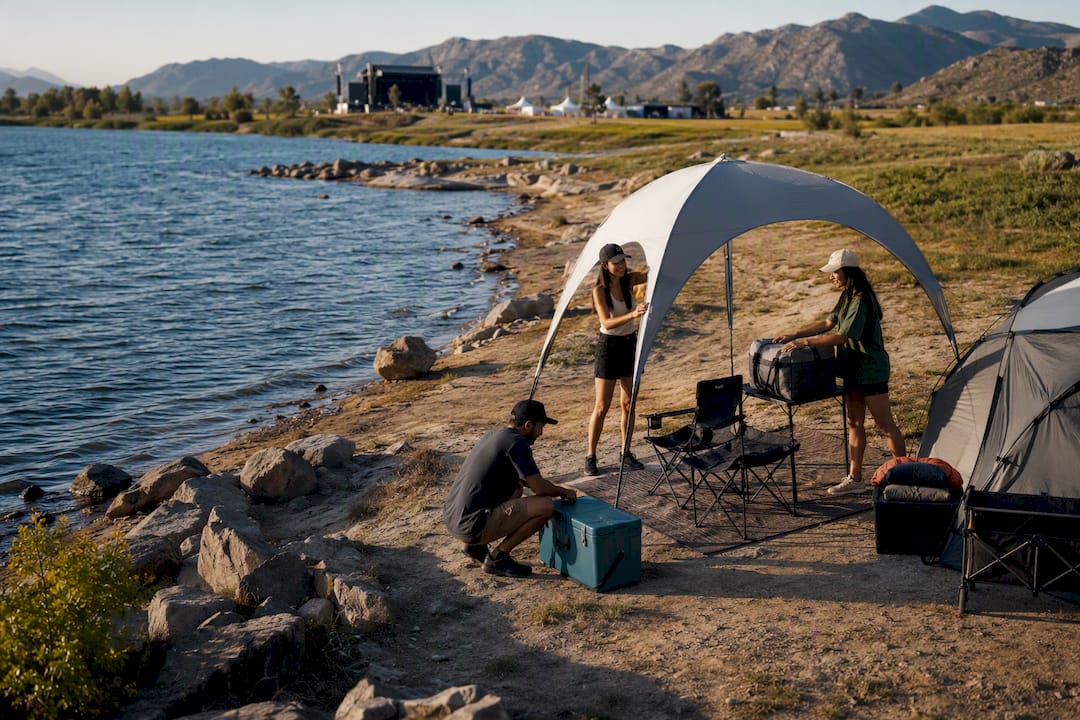
    10. Same Same But Different Festival (Lake Perris State Recreation Area, Moreno Beach): Slated for September 25 through 27, 2026, this lakeside camping event mixes music with wellness and arts activations, best suited to campers who want a slower, nature-forward festival weekend.

    2. When to Go: A Season-by-Season Festival Calendar

    Spreading these events across the calendar helps you avoid double-booking a weekend or missing a favorite because it snuck up on you.

    • Spring: Stagecoach runs April 24 through 26, 2026, and Coachella’s two weekends bookend it, so April becomes the desert’s busiest month.
    • Late spring into summer: The LA County Fair opens May 7 and runs through May 31, giving you nearly a month to work a visit into other plans.
    • Summer: San Diego County Fair spans June 10 through July 5, 2026, in Del Mar, while Lost in Dreams Festival hits Los Angeles on July 11 and 12.
    • Late summer into fall: Same Same But Different Festival takes over Lake Perris September 25 through 27, and the Southern California Fair in Perris runs October 8 through 11.
    • Fall: Escape Halloween lands October 30 and 31 at NOS Events Center, and Dreamstate SoCal closes out the year November 20 and 21 in Long Beach.

    Weekends in late October and late April cluster the hardest, so if you’re chasing more than one event, book travel and lodging early.

    3. How to Plan for Ticketing, Camping, Transit, and Safety

    Every festival publishes its own rulebook, and reading it before you buy saves you from a bad surprise at the gate. Here’s how to approach the logistics in order.

    1. Check the official FAQ first. Coachella’s festival info guide covers camping, venue address, and ticket deadlines, and most other festivals publish something similar.
    2. Buy through official channels. Presale windows open early, and platforms like AXS are commonly used for major SoCal festivals, so watch for organizer announcements rather than third-party resale sites.
    3. Plan your packing around the terrain. Desert festivals like Coachella and Stagecoach call for sun protection, layers for cold nights, and a refillable water bottle, while beach events like Sun Soaked and Ohana call for sandals you don’t mind losing and a bag that seals against sand.
    4. Confirm age limits and camping rules. Sun Soaked is 18 and up, and camping availability varies by festival, so check before you assume you can pitch a tent.
    5. Look for accessibility info. Most major festivals list ADA viewing areas, medical tent locations, and water refill stations on their websites, and it’s worth screenshotting that page before you lose signal in the crowd.

    Pro Tip: Download your tickets and any festival maps before you leave home, since cell service inside a packed venue is often unreliable.

    4. Three Festival Spotlights Worth Planning Around

    Three very different festival types show up on this year’s calendar, and each rewards a slightly different kind of planning.

    • Coachella (Empire Polo Club, Indio): A sprawling multi-stage lineup, on-site camping, and art installations define the weekend, and the official festival guide lays out camping logistics and ticket management deadlines. Plan for heat and bring your own shade.
    • Ohana Festival (Doheny State Beach, Dana Point): Rock headliners share the bill with conservation exhibits and family stages, and the event’s own site notes shade zones and refill stations worth checking ahead of time. It’s an easy one-day trip if you live near the coast.
    • LA County Fair (Fairplex, Pomona): Running 17 days from May 7 through 31, this is less a music festival and more a full carnival, with official fair details confirming an opening-day starting price of $12. Pick a weekday visit if you want shorter lines.

    5. SoCal Sights’ Local Picks for Festival Weekends

    A festival is rarely the whole weekend, and some of the best moments happen before or after the main event. A few favorites from our community:

    • Pair a Long Beach festival day with a stroll through the local hidden gems near the waterfront for dinner options that skip the tourist strip.
    • Check types of SoCal Sights if you want to build a full weekend itinerary around a single festival trip.
    • Museum days can round out a desert festival weekend nicely, and our guide to free museum days in Los Angeles is worth bookmarking.
    • If you’re heading to a fair with kids, our San Diego family activities roundup helps you dodge the midday crowd crush.
    • Arrive an hour before gates open when you can. It beats the worst of the parking lot traffic at nearly every SoCal venue.
    • Post-festival, head somewhere quieter than the venue’s immediate surroundings for food. The best meals are rarely in the parking lot.

    6. Health and Safety Protocols You Can Expect in 2026

    Most large Southern California festivals have settled into standard health practices rather than pandemic-era restrictions. Expect hand sanitizing stations, on-site medical tents, and hydration stations at every major event, along with clear signage directing you to first aid if you need it. Some venues still recommend masks in crowded indoor areas, but as of 2026 there are no blanket vaccination or testing mandates publicized by major organizers like Coachella or Insomniac events.

    Heat remains the bigger everyday risk at desert festivals, so pace your alcohol intake, refill water often, and take breaks in shade when your event offers it. Beach festivals carry their own version of this risk with sun exposure and long walks across sand, so sunscreen reapplication matters as much as hydration.

    If you have a chronic health condition, look up the specific festival’s medical services page ahead of time. Coachella’s official guide, for instance, lists venue and safety information you can review before you ever set foot on-site. Rules can shift year to year and even week to week depending on public health guidance, so treat any pre-2026 information you find online as a starting point, not a final answer, and check each event’s own FAQ close to your travel date.

    7. Sustainability and Green Initiatives at Southern California Festivals

    Southern California festivals have leaned harder into sustainability messaging in recent years, and most major events now promote recycling and composting stations, reusable cup programs, and water refill stations to cut down on single-use plastic.

    Camping events add another layer of responsibility, since a lakeside setting like Lake Perris means organizers and attendees share the job of leaving the shoreline as clean as they found it. If sustainability matters to your festival choice, look for language about waste diversion, solar-powered stages, or carpool and shuttle incentives on the event’s official site before you buy a ticket. These programs vary widely by organizer, so don’t assume every festival on this list handles waste or transportation the same way.

    Small personal choices add up too. Bringing a reusable water bottle, skipping single-use plates when a festival offers alternatives, and carpooling instead of driving solo all reduce your own footprint regardless of what the organizer promises on paper.

    8. What You’ll Find to Eat and Drink

    Festival food in Southern California has grown well past the classic corn dog and lemonade stand, though you’ll still find plenty of both. Coachella and Stagecoach both feature curated food courts with rotating vendors, often spotlighting local restaurants and chefs alongside festival staples, while craft beer and cocktail options have become standard at most 21-and-up sections.

    Beach festivals like Ohana and Sun Soaked tend to lean into casual, grab-and-go fare that’s easy to eat standing in the sand, think tacos, shaved ice, and fresh fruit cups. County fairs flip the script entirely: the LA County Fair is famous for deep-fried novelty foods and classic carnival treats, and with a 17-day run you have plenty of chances to try more than one stand.

    Tacos and shaved ice at beach festival

    Lakeside and camping events like Same Same But Different Festival often mix food trucks with communal cooking areas, since attendees are settling in for a multi-day stay rather than a single afternoon. Whatever the festival, bringing your own snacks and a refillable water bottle keeps you from relying entirely on vendor lines, especially during peak meal hours when waits can stretch long.

    9. Where to Stay Near Major Festival Venues

    Lodging near desert festivals like Coachella and Stagecoach books up fast, and Indio-area hotels and vacation rentals often sell out months ahead, so early booking matters more than finding the cheapest rate. Palm Springs, about a 20-minute drive from Empire Polo Club, offers a wider hotel selection if Indio itself is full.

    For beach festivals like Ohana in Dana Point or Sun Soaked near Huntington Beach, staying inland by a few miles usually costs less and still keeps you within a short drive of the venue. Long Beach hotels work well for Dreamstate SoCal given the Queen Mary waterfront location, and our Long Beach hidden gems guide can help you find dinner spots near wherever you land.

    Festival lodging options by venue setting

    Camping festivals like Same Same But Different Festival at Lake Perris and on-site Coachella camping remove the lodging question entirely, but they come with their own packing list, so check the festival’s camping rules before assuming a standard tent and sleeping bag will cover you.

    10. Getting to and From Southern California Festivals

    Desert festivals at Empire Polo Club draw heavy traffic on Interstate 10 and Highway 111, and arriving early or using a rideshare drop-off zone often beats fighting for a parking spot. Sun Soaked’s own event page specifically flags limited parking and heavier-than-usual traffic near Huntington State Beach, a warning worth taking seriously for any beach festival.

    Shuttle services and rideshare zones have become standard at larger events, and checking the festival’s transit page ahead of time tells you exactly where those pickup points are. For fairs like the LA County Fair in Pomona, Metrolink and local transit connections can be a simpler option than driving into Fairplex’s lot directly, especially on weekend afternoons when demand peaks.

    If you’re the type who likes to plan your season around a bigger calendar, a resource like this concert tour calendar guide can help you track dates across festivals and concerts so you’re not scrambling to book travel at the last minute.

    11. How Locals Balance Big Festivals With Smaller Finds

    I’ve always thought the best festival weekends aren’t just about the headliner, they’re about what you do in the hours around it. A great taco stand two blocks from the venue or a quiet trail the morning after can matter as much as the main stage. That’s the approach worth taking into 2026, and a membership program can help you dig up those smaller finds around whichever festival you pick.

    — Joshua

    Get Local Festival Tips Through SoCal Sights Membership

    Membership programs can offer curated local guides and community tips that supplement information found on official festival sites.

    Socalsights

    Membership benefit What it gives you
    Curated local guides Food, art, and activity picks near major festival venues
    Community tips Local recommendations shared by residents
    Local business features Access to spots not covered in mainstream festival guides

    This is a companion resource, not a replacement for official festival pages. Learn more about membership and start planning your festival weekend with local input.

    Sources

    FAQ

    What fairs are happening in California in 2026?

    California’s official fair calendar lists the LA County Fair in Pomona from May 7 through 31, the San Diego County Fair in Del Mar from June 10 through July 5, and the Southern California Fair in Perris from October 8 through 11, 2026. Each fair runs its own daily schedule, so check the specific dates you plan to attend before buying tickets.

    What are the big festivals in California?

    Coachella and Stagecoach at Empire Polo Club in Indio are among the state’s best-known music festivals, alongside electronic events like Dreamstate SoCal and Escape Halloween. Beach and community events such as Ohana Festival and county fairs like the LA County Fair round out the calendar with a different, more family-friendly pace.

    What music festivals are happening in the USA in 2026?

    Southern California alone hosts several major 2026 festivals, including Stagecoach in April, Lost in Dreams Festival in July, and Dreamstate SoCal in November. National festival dates beyond this region are best confirmed through each event’s own official site.

    What are the top festivals to plan a Southern California trip around?

    Coachella, Stagecoach, and Dreamstate SoCal draw the largest crowds and the most media attention, while the LA County Fair offers a longer, lower-pressure option for a family visit. Your best pick depends on whether you want a multi-day music festival, a beach day, or a fair you can drop into for an afternoon.

    Where can I confirm exact festival dates and ticket rules?

    Each festival’s own website is the most reliable source, such as Coachella’s festival info guide for venue and camping details or the CDFA fair calendar for official fair dates. Rules around parking, camping, and age limits can change, so check close to your travel date rather than relying on older listings.

  • Find Free Nights and Rooftop Outdoor Movies in Los Angeles 2026

    Find Free Nights and Rooftop Outdoor Movies in Los Angeles 2026

    Your fastest path to an LA outdoor movie is one of two lanes: free municipal nights or ticketed rooftop and pop-up series. Check the Beach Movie Nights calendar first if you want free and family-friendly, then scan venue event pages for rooftop and pop-up dates if you’re after something more social or scenic.


    TL;DR:

    • Free municipal screenings like Beach Movie Nights at Dockweiler are the most dependable option for family-friendly outdoor movies, but capacity and seating are limited.
    • Ticketed venues such as Cinespia and Rooftop Cinema Club sell out quickly, especially on weekends or special dates, and often require advance booking within days.
    • Rooftop cinemas offer reserved seating and wireless headphones with a scenic skyline view, while park and pop-up events typically require low-profile chairs and feature outdoor speakers.
    • Accessibility varies by venue, so checking the specific event page before attending is essential to confirm wheelchair access, assistive listening, and companion seating options.
    • Organizers must have a public performance license under U.S. law for screening copyrighted films outdoors, making unofficial events or backyard shows legally risky without proper licensing.

    Socalsights
    Discover More Southern California Gems
    SoCal Sights helps locals and visitors find authentic activities, food spots, and lesser-known destinations across Southern California.

    Table of Contents

    Quick calendar: where to see what’s on this week and how to act fast

    LA never really stops screening movies outdoors, but the lineup shifts week to week, so your best move is checking the source calendars directly instead of relying on old lists. County and city pages update fastest for free events, while ticketed venues post their own rolling schedules months out.

    Here’s where to look first and why:

    1. Start with the Beach Movie Nights page for confirmed free dates at Dockweiler Youth Center, including titles like Elf on an August date in 2026.
    2. Check Rooftop Cinema Club’s own event calendar for DTLA showtimes, since their lineup rotates through the month and popular nights list first.
    3. Look at Street Food Cinema’s schedule if you want a park setting with food trucks and a bigger crowd.
    4. Scan Cinespia’s site directly for cemetery lawn screenings, which tend to announce in batches and sell out fast.
    5. Watch the Hollywood Bowl calendar for film-with-orchestra nights, a different animal from a lawn screening but firmly in outdoor movie territory.

    Free events like Beach Movie Nights don’t usually require tickets, just your own chair and blanket. Ticketed series are the ones to move on quickly: Cinespia and Rooftop Cinema Club dates can sell out within days, especially anything landing on a weekend or tied to a big anniversary release.

    What each major venue type looks and feels like

    Not every outdoor screening delivers the same night, so it helps to know what you’re walking into before you buy a ticket or pack the car.

    Rooftop cinemas, like Rooftop Cinema Club DTLA and Melrose Rooftop Theatre, hand out wireless headphones so the sound stays crisp above street noise, and seating usually means reserved Adirondack chairs, loveseats, or beanbags rather than bring-your-own gear. Doors open well before the film starts, which is really the point: you’re paying partly for a skyline view and a social hour with a drink in hand.

    Park and cultural series lean community-first. Villa Albertine’s Films on the Green is the clearest example, with free admission, DJ sets, food trucks, and a pre-show that turns the evening into more of a hangout than a sit-and-watch event. Capacity is often limited and low-profile chairs only, so arriving early matters more here than anywhere else.

    Community audience at free park movie night

    Pop-up food-focused series, like Street Food Cinema, charge for tickets but build a small festival around the film: multiple food trucks, lawn games, and a crowd that skews social rather than quiet.

    Then there’s the big leagues. Hollywood Bowl screenings, especially the ones paired with a live orchestra, cost more but deliver a scale no rooftop or park lawn can match, part concert, part movie night, under one of LA’s most recognizable sky views.

    Comparison of four outdoor movie venue types

    Where to find genuinely free and family-friendly screenings

    If budget or bedtime is the priority, municipal programs are the most dependable free option in the city.

    • Beach Movie Nights at Dockweiler Youth Center runs family titles through the year, with The Nightmare Before Christmas set for a late August date in 2026.
    • Bring your own blanket or low chair since seating isn’t provided, and expect limited capacity on popular dates.
    • City and county park series often add a no-alcohol policy and a set arrival window, so check the specific event page rather than assuming beach rules apply everywhere.
    • Pack layers for the evening chill, a water bottle, and snacks since concession options can be minimal or nonexistent at free events.

    Families should also check for accessible parking and stroller-friendly paths ahead of time since layouts vary by park or beach lot.

    Practical tips for a smooth outdoor-movie night in LA

    Seating rules trip people up more than anything else. Rooftop venues usually supply seating, so leave your camp chair at home, while park and pop-up series often require low-profile chairs only, meaning your tall backyard recliner won’t fly. Always check the specific venue page before you load the car.

    Audio also changes the whole vibe. Rooftops pipe sound through wireless headphones, which keeps things quiet enough to chat before the film starts. Park and beach screenings rely on outdoor speakers, so conversation naturally dies down once the movie rolls.

    Arrive early, ideally before golden hour, since the best lawn spots and skyline views go fast and most venues open doors well ahead of showtime. Parking near the beach fills up on weekend nights, and downtown rooftop venues are easiest to reach by rideshare or Metro rather than driving in.

    Pro Tip: Pack a light layer even in summer, LA drops fast once the sun sets over the coast.

    Anyone organizing or hosting an outdoor screening in the U.S. needs to know one basic rule: showing a copyrighted film outside a private home almost always requires a public performance license.

    Under Title 17 of U.S. copyright law, public or semi-public screenings of copyrighted films require a public performance license, with only private household viewings exempt from that requirement.

    That holds true regardless of whether admission is free, according to the U.S. Copyright Office. This is why established series like Street Food Cinema and Cinespia advertise their licensing, and why an unofficial backyard-to-public showing carries real legal risk. If you’re planning your own event or volunteering with a community group, check the organizer’s event page for licensing language before assuming a DVD or streaming subscription covers it.

    SoCal Sights local-insider picks and signals

    A great outdoor movie night has a few tells before the film even starts. Look for food partners, a real pre-show (DJ sets, trivia, a curated playlist), and a start time timed close to sunset rather than full dark.

    • Pick a rooftop for date night, a park lawn for families, and a pop-up for a food-truck-heavy evening out.
    • Watch for events that publish a pre-show schedule, that usually signals more effort went into the whole night, not just the movie.
    • Show up 30 to 45 minutes before doors for the best skyline or sunset photo angles, and check our sunset spot guide for nearby photo stops before or after the film.
    • If food trucks are part of the draw, treat it like a mini night market, our night market guide covers similar after-dark food logistics.

    Accessibility options and accommodations at outdoor movie venues

    Accessibility varies quite a bit by venue type, so it’s worth checking the specific event page rather than assuming standard accommodations apply everywhere.

    Rooftop venues like Rooftop Cinema Club typically list ADA-accessible seating and elevator access on their venue pages, since they operate out of fixed hotel or building terraces. Park and beach events depend more on the site itself. Dockweiler Youth Center and similar county locations generally offer accessible parking and paved paths, but grass or sand areas can still be tough going for wheelchairs or strollers.

    Pop-up series set up temporary infrastructure each time, so accessible seating sections and pathways aren’t guaranteed the same way twice. If accessibility is a must for your group, contact the organizer ahead of time or check the venue’s official event listing for specifics on seating accommodations, companion seating, or assistive listening options at rooftop screenings with headphone audio.

    Museum-hosted screenings, like the film nights at LACMA, tend to follow the museum’s standing accessibility policies, which are usually more established than a one-off pop-up’s. When in doubt, the official event or venue homepage is the most reliable place to confirm before you go, not a secondhand listicle.

    Safety guidelines and security measures at outdoor screenings

    Most established outdoor screenings, whether free or ticketed, follow basic security practices: bag checks at entry, marked exits, and staff or security presence throughout the night. Larger events like those at Hollywood Bowl have the most formal setups, including designated security teams and clear venue policies posted ahead of time.

    Free municipal events tend to be more relaxed, but county beach programs still post rules around alcohol, fires, and curfew hours that double as safety measures for a beach setting after dark. Follow posted arrival and departure windows since lighting can be limited once a beach lot closes for the night.

    For any screening, keep an eye on your group in the dark, especially with kids at family-friendly events, and know where the nearest exit or staffed area is before the film starts. Weather is its own safety factor here: a marine layer or unexpected wind can turn a comfortable lawn night chilly fast, so check the forecast that afternoon and have a backup plan if an event announces a rain delay or cancellation on its official page.

    Author perspective from SoCal Sights on outdoor-movie culture in LA

    What makes LA’s outdoor movie scene special isn’t the film, it’s the setup around it: a rooftop at golden hour, a food truck line, strangers sharing a blanket’s worth of grass. My framework is simple: pick your vibe first, set a budget, then let the neighborhood decide the rest.

    — Joshua

    SoCal Sights: curated guides for finding your next event

    Outdoor movie calendars change fast, and keeping up with every rooftop drop and pop-up announcement is basically a part-time job. That’s the gap SoCal Sights fills: local guides built around hidden gems and community picks, not just the same five venues everyone already knows.

    Socalsights

    • We highlight local favorites and lesser-known screenings shared directly by community members.
    • Our event roundups get refreshed as new dates and pop-ups get announced around the county.
    • Local businesses and event organizers can reach an engaged Southern California audience through SoCal Sights membership.

    If you run a screening series or a food truck that shows up at these events, check out advertising options on our membership page to get in front of readers planning their next night out.

    Sources

    FAQ

    Where can I watch free outdoor movies in Los Angeles?

    The most reliable free option is Beach Movie Nights at Dockweiler Youth Center, run by Los Angeles County Beaches & Harbors. Community series like Villa Albertine’s Films on the Green also offer free admission with pre-show programming.

    How many outdoor movie theaters are left in the US?

    Drive-in theaters have declined sharply from their mid-century peak, though a handful still operate in and around Southern California alongside seasonal pop-up screens. For current drive-in listings near Los Angeles, check individual theater websites since availability changes year to year.

    Is there a rooftop movie theater in Los Angeles?

    Yes, Rooftop Cinema Club DTLA and Melrose Rooftop Theatre both run rooftop screenings with wireless headphones and reserved seating. Both operate seasonal schedules, so check their event pages directly for current showtimes.

    It depends on the setting: under Title 17 of U.S. copyright law, only private household screenings are exempt from licensing requirements. Any public or semi-public outdoor screening, free or paid, generally requires a public performance license from the film’s rights holder.

  • 6 San Diego Speakeasies and How to Actually Get In

    6 San Diego Speakeasies and How to Actually Get In

    If you want to try San Diego’s hidden bar scene, start with these six: Noble Experiment, Oculto 477, Craft Bar Kamon, Prohibition Lounge, Raised by Wolves, and Youngblood. Each one hides behind a gimmick door, a keg wall, or an unmarked entrance, and each pours serious craft cocktails once you’re in. Below, I’ll walk you through the reservation tricks and entry tips that actually get you a seat.


    TL;DR:

    • Most small speakeasies in San Diego require reservations to secure seating, especially Oculto 477 and Craft Bar Kamon, which are reservation-only or recommend booking early.
    • Entry styles are theatrical, including keg walls, confessional booths, or disguised doors, emphasizing the show that enhances the secretive atmosphere.
    • Bookings should be made through venue websites or platforms like OpenTable, with some venues releasing reservations about a week in advance, so planning ahead is crucial.
    • The typical cost per craft cocktail ranges from $15 to $25, and giving detailed drink preferences improves the bartender’s ability to craft a personalized experience.
    • The ambiance is intimate and clubby, with strict guidelines on smart casual attire, patience, and quiet behavior to preserve the secretive and immersive experience.

    Socalsights
    Find More Hidden SoCal Experiences
    SoCal Sights shares curated recommendations for hidden gems, local food spots, fun activities, and unique Southern California itineraries.

    Explore SoCal Sights

    Table of Contents

    Quick Picks for San Diego’s Hidden Bars

    If you’re short on time, here’s the lay of the land before you book anything. Each of these spots has its own personality, its own neighborhood, and its own rules about whether you need a reservation or can just show up and hope.

    • Noble Experiment: hidden behind a keg wall inside Neighborhood restaurant in East Village, dealer’s-choice only, reservations are strongly recommended.
    • Oculto 477: a confessional-style entry in Old Town, reservation-only through SevenRooms or the venue directly.
    • Craft Bar Kamon: tucked behind Asa Bakery in East Village, advance booking encouraged for small groups, listed on OpenTable.
    • Prohibition Lounge: enters through a fake law office door on 5th Avenue in the Gaslamp Quarter, walk-ins welcome but groups should arrive early.
    • Raised by Wolves: a themed hidden bar frequently named on California speakeasy roundups, worth a look if you’re already in the area.
    • Youngblood: another East Village pick that regularly shows up alongside Raised by Wolves on local hidden-bar lists.

    Old Town, East Village, and the Gaslamp Quarter cover most of this list, so you can realistically hit two in one night if you plan your route.

    Meet the Speakeasies: Ambiance, Entry Style, and Booking Details

    Each of these bars treats the entrance as part of the show, so knowing what to expect before you walk up changes the whole night.

    Noble Experiment sits behind Neighborhood, a casual East Village restaurant and bar, and the door itself is a wall of kegs that swings open once staff buzzes you in. There’s no printed menu. You tell the bartender what you like, they build something around it, and that’s the whole point. Seating is tight, the room leans dim and clubby, and Yelp reviews describe patrons settling into a small, packed space with dealer’s-choice service being common.

    • Entry style: hidden keg-wall door inside Neighborhood restaurant.
    • Reservations: recommended, since seating is limited and the room fills fast on weekends.
    • Price cues: expect typical craft cocktail pricing for San Diego bars.

    Oculto 477 in Old Town leans into theater harder than most. Guests pass through a confessional-style entrance before landing in a room built around agave spirits and a story-driven cocktail list. The venue’s own site lists hours generally running from 5:00 PM to midnight, with booking handled through SevenRooms or by contacting the venue directly. Local nightlife writers note that the real draw isn’t the drink list, it’s the covert entry and one-on-one bartender exchange, so go in ready to talk through flavors rather than scan a menu.

    Craft Bar Kamon, also known as Bar Kamon, hides behind Asa Bakery in East Village and channels Japanese bartending technique into every pour, right down to the ice carving. The private lounge fits around a dozen guests, and the OpenTable listing notes that larger parties beyond six should email ahead for a buyout rather than expect walk-in seating.

    • Entry style: unmarked door behind Asa Bakery.
    • Reservations: advance booking is recommended, especially for groups.
    • Good to know: private lounge buyouts are possible with advance notice.

    Prohibition Lounge in the Gaslamp Quarter is the most theatrical entry on this list. You knock on a door labeled “Eddie O’Hare’s Law Office” on 5th Avenue, and if you look the part, you’re waved through into a Prohibition-era lounge. The venue’s site suggests arriving before 9:00 PM on Friday or Saturday if your group has six or more people, since it runs closer to a first-come approach than a strict reservation system.

    • Entry style: fake law-office door, guestlist and walk-in blend.
    • Reservations: recommended for larger groups, otherwise mostly first-come.
    • Best timing: early evening on weekends, before the line forms.

    Raised by Wolves and Youngblood both show up again and again on California hidden-bar roundups, and both are worth building into a San Diego bar crawl if you’re already near East Village or the surrounding neighborhoods. Neither runs a strict reservation system the way Oculto 477 does, so treat them as flexible stops rather than the anchor of your night.

    How to Actually Get a Reservation

    Getting into San Diego’s smallest speakeasies takes a little strategy, mostly because seating counts are so low.

    1. Check the venue’s own site first, then look at OpenTable or SevenRooms, since booking platforms vary bar to bar.
    2. Note that some spots, including Oculto 477, release reservations about a week ahead, so mark your calendar and book the moment the window opens.
    3. If you can’t snag a table, walk in early on a weekday evening rather than a weekend, and keep a backup bar in mind in case seating is full.
    4. For groups larger than six, email the venue directly to ask about a private buyout or reserved section.

    Pro Tip: Book two options at once when you can: reserve your first choice the moment its window opens, then pick a walk-in-friendly backup like Prohibition Lounge in case plans change.

    What Happens Once You’re Inside

    Most of these bars skip a printed cocktail list entirely and ask you to describe what you want instead. Give the bartender a base spirit, a flavor lean (bitter, smoky, citrus-forward), a strength preference, and one thing you dislike, and you’ll get a far better drink than a vague “surprise me.” Expect small rooms, limited seating, and sometimes a drink minimum or a cap on party size, particularly at Oculto 477 during busy seatings. Flash photography is generally discouraged since it breaks the mood staff work hard to build. Budget roughly $15 to $25 per craft cocktail and plan on two or three drinks for a full night at one venue.

    Bartender preparing a personalized craft cocktail

    Where the Speakeasy Idea Actually Comes From

    The word “speakeasy” dates back to America’s Prohibition era, running from 1920 to 1933, when the sale of alcohol was federally banned and bars had to hide in plain sight to survive. Patrons literally had to “speak easy,” keeping their voices down so they wouldn’t draw attention from police or informants, and owners built false storefronts, coded knocks, and hidden rooms to keep operations running. That same spirit of secrecy and theater is exactly what today’s speakeasy bars borrow, minus the legal risk. A hidden door or a keg-wall entrance isn’t just decoration, it’s a nod to a real period when getting a drink meant trusting a password and a stranger at the door. San Diego’s version of that history leans into craft cocktails and bartender showmanship rather than actual concealment from the law, but the theatrical bones are the same ones that built the original scene a century ago.

    Prohibition timeline with speakeasy concealment features

    Staying Safe and Checking Current Policies

    Rules around capacity, masking, and service can shift, so it’s worth checking a venue’s site or calling ahead before you go, especially around holidays or big weekends when policies sometimes tighten. Small speakeasies run on tight seating counts to begin with, which naturally limits crowding compared to a typical bar. If a venue posts a specific health or safety policy on its official page, treat that as the current word over anything listed on a third-party guide, since those pages get updated first.

    Dress Code and Basic Etiquette

    Most San Diego speakeasies lean toward smart casual, think a collared shirt or a nice top rather than a full suit, but flip-flops and beachwear will likely get you turned away at the door. Because these rooms run small, keep your voice down, be patient with the bartender’s process, and avoid flash photography once you’re inside. Arriving on time for a reservation matters more here than at a regular bar, since a late arrival can mean losing your table to the next party in line.

    Why These Picks Actually Matter

    What makes a speakeasy worth the effort isn’t the secrecy alone, it’s the bartender conversation and the theater of getting in. I built this list from local recommendations and repeat visits across San Diego’s hidden bar scene. Pair your night with dinner nearby first, then let the hidden door be dessert.

    — Joshua

    Promote Your Venue With SoCal Sights

    If you run a bar, restaurant, or event in San Diego and want more locals finding your door, SoCal Sights membership puts your business in front of readers actively looking for their next hidden favorite. Socalsights

    • Membership and advertising options may be available for local businesses and event organizers.
    • Reach out through the membership page to ask about placement and rates.
    • Our editorial picks, including this list, stay independent of any advertising relationship.

    If you’re planning a full night out, pair your speakeasy stop with a San Diego weekend itinerary or check the local beer festival calendar for other nightlife happening the same weekend.

    Sources

    FAQ

    Noble Experiment is one of the most talked-about picks, largely for its keg-wall entrance and no-menu, dealer’s-choice cocktails. Its small size and limited seating make reservations a smart move rather than an afterthought.

    Is there a speakeasy in the neighborhood of San Diego?

    Yes, several cluster in East Village, including Noble Experiment, Craft Bar Kamon, and Youngblood, with Oculto 477 in Old Town and Prohibition Lounge in the Gaslamp Quarter. Each neighborhood has its own vibe, so picking a base area first can simplify your night.

    What are some of the best hidden places to visit in San Diego?

    Beyond speakeasies, San Diego hides plenty of lesser-known spots worth a visit, and a guide to the city’s secret beaches pairs well with a night of hidden bar hopping. Combining a daytime hidden gem with an evening speakeasy makes for a fuller day.

    How to get into Prohibition speakeasy San Diego?

    Prohibition Lounge’s entrance sits behind a door labeled as a fake law office on 5th Avenue in the Gaslamp Quarter, and it runs closer to a first-come approach than a strict reservation system. Groups of six or more should arrive before 9:00 PM on Friday or Saturday nights to avoid a long wait.

  • Plan LA’s 2026 Summer Festivals: Dates, Tickets, Transit, Day Plans

    Plan LA’s 2026 Summer Festivals: Dates, Tickets, Transit, Day Plans

    If you’re planning your summer around Los Angeles festivals, here’s the short version: HARD Summer and Lost in Dreams are paid, ticketed events, while the Lotus Festival, the Gloria Molina Grand Park Summer Block Party, and Smorgasburg LA are free to attend. They land in summer 2026, and the popular ones move fast, so signing up for official presale alerts early saves you a scramble later.


    TL;DR:

    • Paid festivals like HARD Summer and Lost in Dreams require purchasing tickets early through SMS presales to secure the best prices and availability.
    • Free events such as the Lotus Festival, Grand Park Summer Block Party, and Smorgasburg LA allow last-minute attendance without pre-purchasing tickets.
    • Arriving early and using public transportation, especially the Metro lines, helps avoid parking difficulties and long security lines at downtown events.
    • Planning ahead includes signing up for festival alerts, preparing payment info, and setting reminders to maximize chances of securing presale tickets.
    • Dressing appropriately involves lightweight clothing for daytime, layers for evenings, and comfortable shoes, as well as bringing water and sun protection for outdoor events.

    Socalsights
    Find More SoCal Summer Gems
    SoCal Sights helps locals and visitors discover curated activities, food spots, and unique itineraries beyond the usual attractions.

    Table of Contents

    The must-see 2026 LA festivals, one by one

    I’ve been tracking these events for years, and every summer the lineup shifts just enough to keep things interesting. Here’s what’s actually worth your weekend in 2026.

    The Lotus Festival turns Echo Park Lake into a celebration of a different host country each year, and in 2026 that honor goes to Sri Lanka. It runs Saturday, July 11 from noon to 8:00 PM and Sunday, July 12 from noon to 7:00 PM, and general admission is free. If there’s a 5K or another add-on tied to the weekend, register for that separately online since those slots have caps and can sell out even though the main festival doesn’t require a ticket.

    HARD Summer returns to the Hollywood Park complex in Inglewood for its two-day run on August 1 and 2, 2026. This one is paid, with GA, GA+, and VIP tiers, and HARD Summer’s official site is where tickets and SMS presale signups live. Expect a heavy bass and electronic lineup with a young, high-energy crowd.

    Downtown, the Gloria Molina Grand Park Summer Block Party hosts its Fourth of July celebration on July 4, 2026, from 4:00 to 9:30 PM, and it’s free. The Music Center’s announcement confirms multiple stages, food trucks, and a drone show finale around 9:00 PM. Bring the whole family. It’s one of the more relaxed, kid-friendly evenings on this list.

    The must-see 2026 LA festivals, one by one — overview diagram

    Lost in Dreams Festival takes over LA State Historic Park for two days of electronic and indie programming on July 11 and 12, 2026, the same weekend as Lotus Festival. This is a paid, ticketed event, and the festival’s official page has the current lineup and ticket tiers.

    For food lovers, Smorgasburg LA runs its usual Sunday hours, 10:00 AM to 4:00 PM, at ROW DTLA, and its special SmorgasJOON edition lands on Sunday, July 26, 2026. Check the official Smorgasburg LA calendar for vendor lists. Admission is free, though obviously you’ll want cash or a card for the food.

    • HARD Summer and Lost in Dreams require paid tickets and advance planning.
    • Lotus Festival, Grand Park Summer Block Party, and Smorgasburg LA are free general admission.

    How to grab tickets before they’re gone

    Big festivals rarely just post tickets and wait. HARD Summer, for one, uses SMS presales to hand out early access before general sale, and that first wave is often when the best pricing and lowest fees are available. Lineups for major LA festivals typically get announced in late winter or early spring, so if you want an early look at who’s playing, that’s your window.

    Here’s what actually helps when tickets drop:

    • Sign up for the festival’s official SMS list and email newsletter months ahead.
    • Create your ticketing account early so you’re not fumbling with passwords at go-time.
    • Know your tier: GA, GA+, and VIP all come with different perks and different price points.
    • Have your payment method saved and ready before the sale starts.
    • Open the checkout page on two devices if you’re worried about a sellout.

    Pro Tip: Set a calendar reminder for the exact minute presales open. Those SMS codes usually work for a short window, and being five minutes late can mean the difference between a ticket and a waitlist.

    Getting there without the parking headache

    Downtown events like the Grand Park Summer Block Party get crowded fast, and parking near Grand Park disappears early. Taking the Metro B or D Line to Civic Center/Grand Park Station is your easiest bet, and it’s what the Music Center itself recommends for the drone show finale. Street closures ramp up as production crews set the stage, so arrive well before showtime if you’re driving in from elsewhere.

    For HARD Summer and Lost in Dreams, plan for longer walks from parking or rideshare drop points, and expect security lines that move slower on day one.

    • Use Metro B or D Line for downtown festivals whenever you can.
    • Arrive at least an hour early if you’re driving to avoid closure delays.
    • Bring a portable fan or misting bottle since shade is limited at most outdoor sites.
    • Check each festival’s site for accessible entry points and ADA seating before you go.

    SoCal Sights’ local picks for a full festival day

    I’ve spent enough Saturdays wandering Echo Park and downtown LA to know the difference between a good festival day and a great one, and it usually comes down to what you eat and where you duck out for a break.

    Near Echo Park Lake, grab a snack from one of the food vendors set up around the Lotus Festival grounds, then take a slow lap around the lake before the crowds peak in the late afternoon. Downtown at Grand Park, swing by one of the food trucks parked along the block before the music picks up, then walk over to the Music Center steps for a quieter view of the drone show. If you’re heading to Smorgasburg LA at ROW DTLA, go right when it opens at 10:00 AM. The popular stalls sell out by early afternoon, and mornings mean shorter lines.

    • Eat early at food-vendor festivals since the best stalls run out by midday.
    • Use nearby side streets or park edges as a breather from festival crowds.

    Pro Tip: Pack a reusable water bottle. Most festival sites have refill stations, and skipping the $6 bottled water adds up over a full day.

    — Joshua

    What makes each festival worth the trip

    Every festival on this list has its own personality, and that’s really the point of hitting more than one this summer. The Lotus Festival centers on a different host country each year, so 2026’s Sri Lanka theme brings performances, food, and crafts you won’t see anywhere else in the city. Grand Park’s block party leans into a citywide Fourth of July spirit, closing out with a drone show instead of fireworks, which keeps the celebration going without the smoke.

    HARD Summer and Lost in Dreams both draw from electronic and bass-heavy lineups, but Lost in Dreams leans a bit more indie and eclectic, set against the industrial backdrop of LA State Historic Park. Smorgasburg LA isn’t a music festival at all. It’s a rotating market of food vendors at ROW DTLA, and the appeal is discovering a new favorite stall every visit. Even the Los Angeles Jazz Festival launching in 2026 fits this pattern of variety, spreading free neighborhood concerts across council districts with only the Dockweiler Beach finale requiring a ticket.

    Dressing for LA’s summer festival weather

    Southern California summers mean warm days, cool evenings, and almost no chance of rain, but that doesn’t mean you can dress the same way for every festival. Daytime events like Smorgasburg LA and the Lotus Festival call for light, breathable clothing, sunscreen, and a hat, since shade is limited around Echo Park Lake and ROW DTLA.

    Festivalgoers dressed for hot summer weather

    Evening events shift the equation. Grand Park’s block party runs into the night, so bring a light layer for when the temperature drops after sunset. Multi-day festivals like HARD Summer and Lost in Dreams mean a full day outdoors, often on pavement or dirt, so comfortable closed-toe shoes matter more than fashion. Sunglasses, a refillable water bottle, and a small crossbody bag for essentials will serve you better than a full backpack, which some venues restrict anyway.

    Staying safe and knowing the rules

    Every festival on this list has its own bag policy and entry rules, so check the official page before you pack. Paid festivals like HARD Summer and Lost in Dreams typically restrict outside food and drink and require clear or small bags for security screening. Free events like the Lotus Festival and Grand Park’s block party are more relaxed, but crowd density still means it’s smart to set a meeting point with your group in case you get separated.

    Hydration matters more than people expect at all-day outdoor events. Bring water, take breaks in shade when you can find it, and know where first aid stations are set up if you’re at a larger festival. If you’re bringing kids to family-friendly events like the Grand Park block party, keep an eye on the drone show timing since large crowds gather right before it starts.

    Where to stay near the festival action

    Downtown LA hotels put you within walking distance or a short rideshare from Grand Park, Lost in Dreams at LA State Historic Park, and Smorgasburg LA at ROW DTLA, which makes a downtown base the most efficient choice if you’re hitting multiple events in one trip. Echo Park and Silver Lake have smaller boutique stays and short-term rentals closer to the Lotus Festival grounds, with a neighborhood feel that’s harder to find downtown.

    If HARD Summer in Inglewood is your main event, look at stays near Hollywood Park or along the Metro K Line for an easier trip in and out. Wherever you land, book early. Festival weekends push hotel rates up across the city, and rooms near the biggest events go first.

    Why I keep coming back to LA’s summer festival lineup

    What gets me every year isn’t the headliners. It’s how differently each festival captures a piece of the city, from Echo Park’s lake-side calm to downtown’s block-party energy. My habit is simple: I follow each festival’s official page directly instead of relying on secondhand recaps, since dates and lineups shift right up until announcement day.

    If you’ve found a great festival day route or a hidden spot nearby, share it with the SoCal Sights community. We’re always looking for local tips worth passing along.

    — Joshua

    Festival season brings thousands of locals and visitors through neighborhoods like Echo Park, downtown LA, and Inglewood, all looking for where to eat, stay, and explore next. If you run a restaurant, shop, or event near any of these festival sites, advertising with SoCal Sights puts your business in front of readers actively planning their summer weekends.

    Socalsights

    • Reach readers searching for festival-adjacent food, activities, and stays.
    • Get featured alongside trusted local guides readers already return to each summer.

    Check out advertising and membership options to get your business in front of festivalgoers this summer.

    Sources

    FAQ

    The most talked-about 2026 summer festivals are HARD Summer, Lost in Dreams, the Lotus Festival, the Grand Park Summer Block Party, and Smorgasburg LA. Each covers different ground, from electronic music to free cultural celebrations to weekly food markets.

    What fairs and festivals are happening in California in 2026?

    Beyond the Los Angeles events covered here, California hosts a wide mix of city-run and independent festivals throughout the year. For the most current statewide list, check each festival’s official page directly since dates and lineups can shift.

    Where is Hard Summer 2026?

    HARD Summer 2026 takes place at the Hollywood Park complex in Inglewood on August 1 and 2, 2026. Tickets and SMS presale details are available through the official HARD Summer site.

  • Avalon Focused Catalina Day Trip: Two Itineraries, Conservancy Rules

    Avalon Focused Catalina Day Trip: Two Itineraries, Conservancy Rules

    Yes, a well-planned Catalina Island day trip is absolutely doable, and honestly, one of the easier island getaways in Southern California. Focus your time in Avalon since it has the most amenities and the most ferry options to get you home. Book your round-trip ferry seats and any timed activities before you go so you’re not scrambling for a way back at 5 PM.


    TL;DR:

    • Ferry fares vary by season, with prices higher during peak summer weekends, making early booking essential to secure availability and better rates.
    • Helicopter transfers cost significantly more but save about 45 minutes compared to ferries, depending on weather conditions and demand.
    • Avalon offers the most attractions, with activities like beach visits, golf cart tours, and shopping, allowing visitors to focus on a few key experiences.
    • Two Harbors provides a quieter, nature-focused experience with limited ferry schedules, requiring careful planning of return trips.
    • Most day trips cost primarily the ferry ticket, water activities, rentals, and meals, with costs fluctuating seasonally; packing essentials include sunscreen, water, and comfortable shoes.

    Socalsights
    Plan More Memorable Southern California Days
    Find curated activities, food spots, and unique itineraries that help you explore Southern California beyond the usual attractions.

    Explore SoCal Sights

    Table of Contents

    How to get there: ferry, helicopter, and private boat options

    Most day trippers get to Catalina Island on Catalina Express, which runs round-trip service from Long Beach, San Pedro, and Dana Point. The Long Beach to Avalon route typically takes around an hour, and it’s the same story from the other ports, give or take a few minutes depending on conditions. Coming from Orange County, Newport Beach has its own operator, the Catalina Flyer, with similar timing.

    Catalina ferry ports and crossing options

    Where you should depart from really comes down to where you’re starting your morning. Angelenos usually find Long Beach or San Pedro most convenient, while folks in Orange County or coastal San Diego often prefer Dana Point or Newport Beach to skip the freeway traffic north.

    If you want to skip the boat entirely, a helicopter transfer gets you to Avalon in about 15 minutes instead of an hour on the water. It costs more and depends on weather conditions, but it’s a fun option if you’re short on time or just want the experience.

    A few things to keep in mind before you book:

    • Reserve your round-trip tickets in advance, since seats sell out fast on summer weekends and holidays according to Catalina Express.
    • Arrive at the terminal at least 30 minutes before departure to check in and board.
    • Print or download your tickets ahead of time, so you’re not fumbling with your phone at the dock.
    • Check LoveCatalina’s visitor planning page for seasonal schedule changes before locking in your dates.

    Private boat access is also an option if you or someone you know has a vessel, but for most visitors, the ferry is the simplest and most reliable way over.

    Getting around Avalon and Two Harbors once you land

    Avalon is small, walkable, and honestly one of the nicest things about the town. Crescent Avenue hugs the harbor and puts most shops, restaurants, and the Casino within a short stroll from where the ferry drops you off.

    That said, golf carts are the classic way to explore beyond the main strip, and they’re rented by the hour. Book one early in the day since they go quickly, especially in summer, and note that some rental outfits cap trips at a couple of hours before you need to bring it back.

    A few other things worth knowing:

    • Taxis and bike rentals are available in Avalon for shorter hops if you don’t want a golf cart.
    • Personal vehicles are heavily restricted on the island, so don’t plan to park your own car in Avalon.
    • Two Harbors has far fewer services, so if you’re headed there, plan your transportation before you arrive rather than figuring it out on the fly.

    Two timed day trip itineraries that actually work

    Here’s the thing about Catalina: trying to do everything in one day is how people end up exhausted and disappointed. Pick one town, follow a schedule, and you’ll actually enjoy yourself.

    Avalon full-day itinerary:

    1. Catch an early ferry (7:45 or 8:15 AM departure) so you land in Avalon by 9 AM.
    2. Spend the first hour wandering Crescent Avenue and grabbing coffee.
    3. Rent a golf cart around 10 AM for a loop through Avalon’s hillside neighborhoods.
    4. Head to Descanso Beach Club for lunch and beach time from noon to 2 PM.
    5. Book an afternoon activity, like a glass-bottom boat tour or snorkeling excursion, for 2:30 PM.
    6. Wrap up with souvenir shopping or a harbor-side drink around 4:30 PM.
    7. Board your return ferry no later than 6 PM to give yourself buffer room.

    Pro Tip: Book your return ferry leg at the same time as your outbound trip, ideally for a departure at least an hour later than you think you’ll need, since missing it can turn your day trip into an unplanned overnight, per Catalina Express’ travel policies.

    Two Harbors outdoor day itinerary:

    1. Depart San Pedro on an early sailing to reach Two Harbors by mid-morning.
    2. Rent a paddleboard or kayak and spend an hour or two on the water.
    3. Take a short hike along the isthmus for coastal views.
    4. Relax on a quiet beach before grabbing a light lunch.
    5. Head back to the dock early, since Two Harbors has far fewer return sailings than Avalon.

    Two Harbors runs on a much thinner ferry schedule, so double-check timing before you commit to this route.

    The best things to do in Avalon on a short visit

    Avalon packs a lot into three square miles, according to LoveCatalina’s visitor FAQ, so picking two or three activities beats trying to cram in everything.

    • Descanso Beach Club is worth a stop for beach access, cabanas, and food right on the sand. Give it one to two hours if you want to actually relax.
    • Catalina Casino makes for a quick self-guided walk around the outside, or book ahead for a short guided tour if you want the full history.
    • A golf cart loop through the hills above town is one of the best ways to see Avalon’s views without a lot of walking.
    • Water activities like kayaking, snorkeling, or a glass-bottom boat tour let you see the harbor from a completely different angle.
    • Crescent Avenue has dining and shopping for every budget, from casual seafood spots to sit-down restaurants with a harbor view.

    Pick based on your energy level and your wallet. A beach afternoon and a golf cart loop is plenty for most people in a single day.

    What to do in Two Harbors for a day visit

    Two Harbors is Catalina’s quieter side, and it’s where you go for nature over nightlife. The isthmus setting means water on both sides, calm coves for paddleboarding and kayaking, and mellow hikes that don’t require serious gear.

    • Paddleboard or kayak rentals are available right at the harbor for exploring the coves.
    • Short, easy hikes offer coastal views without the commitment of a full backcountry trek.
    • Quiet beaches here see a fraction of Avalon’s foot traffic, which is the whole appeal.

    Just remember that ferry service to Two Harbors runs less frequently than to Avalon, so confirm your return time before you plan your day around it, and know that food and rental options are more limited here too.

    Conservancy rules and safety basics for hiking the interior

    If your day trip includes any hiking beyond the main towns, the Catalina Island Conservancy requires free permits for many of its wildlands trails, and getting one helps rangers know who’s out there in case something goes wrong.

    Carrying approximately one gallon of water per person is recommended for a full day of hiking, since natural water sources on the island aren’t reliable for drinking, according to the Conservancy’s naturalist guide. That’s a lot to carry, but dehydration on an exposed trail is no joke.

    A few more essentials:

    • Stay on designated trails at all times, both for your safety and to protect fragile habitat.
    • Cell service is spotty to nonexistent in the interior, so don’t count on your phone for navigation or emergencies.
    • Keep a wide distance from bison. They can run fast and jump higher than you’d expect, and the Conservancy strictly prohibits feeding or approaching any wildlife.
    • Check for current trail closures before you head out, since the Conservancy adjusts access for safety and habitat protection.

    Why a Conservancy eco tour might be the smartest use of your time

    If you only have a few hours and want real context on the island’s ecology, a guided eco tour is hard to beat. Conservancy eco tours are naturalist-led, run about two to three hours, and take you into interior landscapes that aren’t open to general visitors.

    • Naturalist guides explain the island’s restoration work and native species in a way self-guided exploring can’t match.
    • Private tours are available if you want full control over timing and route.
    • Tours typically depart from the Trailhead Visitor Center in Avalon, making logistics simple on a tight schedule.

    Pro Tip: Book your eco tour for the morning if possible, so you still have the afternoon free for the beach or shopping.

    What a day trip actually costs and how to pack for it

    Your main expenses are the round-trip ferry, any activities like an eco tour or water rentals, a golf cart rental, and lunch. Costs vary a lot depending on season and how many extras you add, so check current fares directly on Catalina Express before budgeting your day.

    Pack light but smart:

    • Sunscreen and a hat, since there’s not much shade on the water or in Avalon’s open areas.
    • A gallon of water per person if hiking is on your agenda.
    • Comfortable walking shoes, even if you plan on renting a golf cart.
    • Motion-sickness medication if you’re prone to it, just in case the crossing is choppy.
    • A light jacket for the sea breeze, which can catch you off guard even on a warm day.

    Pro Tip: Spring and fall tend to bring smaller crowds and milder weather than peak summer, so if your schedule is flexible, those seasons make for a more relaxed visit.

    Always confirm your return ferry time before you get too deep into your day. It’s the one mistake that turns a great trip into a stressful one.

    Where to park before you catch the ferry

    Parking at your departure port is worth sorting out before travel day, not after you’re already circling the block. Most ferry terminals, including Long Beach, San Pedro, and Dana Point, offer paid lots either on-site or within a short walk, and rates typically run higher during peak summer weekends and holidays.

    Traveler parking near Catalina ferry terminal

    If you’re departing early in the morning, arriving with some buffer time gives you a better shot at a close spot, especially during busy season when lots fill up fast. Some terminals also offer covered or secured parking for an added fee, which is worth considering if you’re leaving a car there all day.

    If parking costs or availability are a concern, consider getting dropped off at the terminal instead, or check if your departure port has a rideshare pickup zone nearby. Newport Beach’s terminal, used by the Catalina Flyer, has its own nearby lots as well, though space can be tighter than at the larger Long Beach terminal.

    Whichever port you choose, check the terminal’s own parking information ahead of time rather than assuming availability, since policies and rates can shift seasonally.

    What ferry and helicopter tickets actually cost

    Ferry fares change based on season, route, and how far ahead you book, so the most reliable move is checking Catalina Express’ schedule and fares page directly before your trip. Prices can shift on holidays and during peak summer weekends, and booking early often means better availability even if the price doesn’t change much.

    Helicopter transfers cost significantly more than the ferry, which makes sense given the speed and convenience, cutting your travel time from about an hour to roughly 15 minutes each way. If time matters more to you than money, it’s worth pricing out directly with the operator, since availability depends heavily on weather and demand.

    Whichever option you choose, book both legs of your trip together if you can. It’s a lot less stressful than trying to lock down a return seat once you’re already on the island and enjoying yourself.

    Accessibility for visitors with mobility needs or disabilities

    Avalon is generally more accessible than Two Harbors, thanks to its compact, walkable layout and paved streets along the harbor. Many restaurants, shops, and the Catalina Casino area are reachable without significant elevation changes, though some of Avalon’s hillside streets do get steep.

    Wheelchair user on Avalon paved harbor promenade

    Ferries operated by Catalina Express and the Catalina Flyer accommodate passengers with mobility devices, but it’s worth calling ahead to confirm boarding procedures and any space limitations for wheelchairs or scooters. The same goes for golf cart rentals and guided tours, since availability of accessible options can vary by vendor and season.

    Two Harbors, with its more limited infrastructure, presents more challenges for visitors with mobility needs, so it’s worth reaching out to specific tour operators or the Conservancy if you’re planning an eco tour and need accommodations. Calling ahead is always the safer bet over assuming a service will work for your situation.

    Focus beats ambition on a one-day trip

    If I could give one piece of advice, it’s this: pick a lane and stick to it. Avalon is the smarter choice for a single day, simply because it has more to offer in a compact space. Save Two Harbors, and definitely the Trans-Catalina Trail, a 38.5-mile route best spread over three to five days, for a return trip when you’re not racing a ferry schedule. For more on stretching a short window into a full day out, our Channel Islands day trip guide covers similar logistics.

    — Joshua

    Let SoCal Sights help you plan the rest of your Southern California days

    Once you’ve nailed your Catalina day trip, there’s a whole coastline of hidden spots worth exploring, and that’s exactly what dedicated local guides aim to provide: curated itineraries, local tips, and recommendations from residents to help visitors discover worthwhile experiences.

    Socalsights

    • Curated guides help you avoid sold-out activities and last-minute scrambling, whether you’re island hopping or exploring the mainland.
    • Community-submitted favorites surface spots that don’t show up in the typical guidebook.
    • Local businesses can get featured directly to travelers planning their next Southern California outing.

    If you run a business that caters to day-trippers or weekend explorers, check out advertising with SoCal Sights to get your spot in front of people actively planning their next outing.

    Sources

    FAQ

    Is it worth going to Catalina Island for a day?

    Yes, a Catalina Island day trip is worth it if you focus on Avalon and plan your ferry and activity bookings ahead of time. You’ll get a real taste of the island’s beaches, harbor town, and water activities without needing an overnight stay.

    Who is the billionaire in Catalina Island?

    Catalina Island’s development history is tied to the Wrigley family, of chewing gum fame, who purchased a controlling interest in the island and shaped much of Avalon’s early growth, including the Catalina Casino. Today, most of the island’s interior is managed by the nonprofit Catalina Island Conservancy for conservation rather than private ownership.

    How much does a one-day trip to Catalina Island cost?

    Costs vary based on your ferry route, activities, and time of year, so check Catalina Express’ fares page directly for current pricing before you budget. Your main expenses will be round-trip ferry tickets, any tours or rentals you book, and meals in Avalon.

    Do I need a US passport to go to Catalina Island?

    No, you don’t need a passport to visit Catalina Island since it’s part of California and accessible entirely through domestic ferry or helicopter travel. A standard government-issued ID is typically sufficient for booking and boarding your ferry.

  • Avoid Boat Cancellations: SoCal Staging for Channel Islands Camping

    Avoid Boat Cancellations: SoCal Staging for Channel Islands Camping

    Yes, you can camp on all five Channel Islands year-round, but only with a confirmed campsite reservation and a matching boat ticket in hand. The catch most first-timers miss: booking one doesn’t guarantee the other, and every site is primitive with no stores, no rentals, and almost no cell signal. If you plan ahead and pack like you’re on your own out there (because you are), it’s one of the best camping trips in Southern California.


    TL;DR:

    • Only certain campsites have potable water, with Anacapa and Water Canyon on Santa Rosa offering the only reliable on-site sources.
    • Booking both campsite and boat ticket separately and early is crucial, as availability frequently mismatches and cancellations happen often due to weather.
    • Landings often require climbing ladders without on-island transport, so pack lightweight, manage gear carefully, and prepare for shore-only movement.
    • Visitors should plan for wind, pack low-profile tents, extra stakes, and emergency supplies, as wind speeds can reach up to 30 knots without warning.
    • Strict Leave No Trace practices are essential to protect fragile ecosystems, including staying on trails, packing out all trash, and observing wildlife from a distance.

    Socalsights
    Find More SoCal Hidden Gems
    Explore curated local recommendations for unique activities, food spots, and lesser-known Southern California attractions.

    Table of Contents

    Which Channel Island Should You Camp On?

    Each island has its own personality, and picking the right one changes everything about how your trip feels. Here’s the breakdown that actually matters for planning.

    Anacapa has just 7 cliff-top sites reached by a staircase from the landing. There’s no potable water, so you’re carrying every drop in, but the payoff is a short boat ride and dramatic ocean views right from your tent door. It’s a great pick for a first trip or a quick overnight.

    Santa Cruz Island offers two very different experiences. Scorpion Canyon Campground is the most beginner-friendly option in the park, with 25 individual sites plus group sites and, crucially, potable water on-site. Prisoners Harbor Campground, on the other side of the island, is far more primitive with no water and less foot traffic, better suited to campers who want solitude.

    Santa Rosa Island’s Water Canyon Campground also has potable water, but it sits in one of the windiest corners of the park. Backcountry beach camping is limited and requires extra coordination. Check conditions before you book: wildfire damage closed Water Canyon Campground and parts of the backcountry through at least October 12, 2026.

    San Miguel Island is the most remote and exposed campground in the park, with a steep hike from the landing and mandatory paperwork before you go.

    Santa Barbara Island is small, windswept, and primitive, but it’s a solid choice for a short, low-key overnight if the seas cooperate.

    Across all five islands, expect a standard site fee of roughly $15 per night, tent-only camping, bear-proof food storage lockers, and zero trash service. Whatever you bring in, you carry back out.

    How Do You Reserve a Campsite and Boat Ticket?

    Booking a Channel Islands camping trip is really two separate reservations that have to line up perfectly. Miss that detail and you’ll show up to a beautiful island with nowhere to pitch your tent, or a reserved site with no way to reach it.

    1. Reserve your campsite on Recreation.gov. Bookings open up to six months in advance, and most individual sites run about $15 per night.
    2. Book your boat seats immediately after, through Island Packers or another authorized concessionaire. Seats sell out independently of campsite availability, so confirming a site is no guarantee there’s a boat to get you there.
    3. Handle island-specific paperwork early. San Miguel requires a permit and liability waiver tied to the island’s history of unexploded ordnance, and private boaters must self-register at Nidever Canyon trail head rather than receive forms through a concessionaire.
    4. If your target dates are booked, try midweek travel, shoulder-season months, or a smaller group size. Smaller parties often find openings faster than groups of six or more.
    5. Build in a buffer plan. Sea conditions cause boat cancellations more often than most campers expect, so know your backup dates before you leave home.

    Pro Tip: Book your boat and campsite in the same sitting if you can. Waiting even a day between the two is how most double-booking headaches happen.

    What Happens When You Land: Gear and Boat Logistics

    Getting off the boat is its own skill on some islands. Many landings use a live-boat transfer rather than a dock, which means climbing a ladder with your hands completely free, wearing close-toed slip-resistant shoes, and having your PFD on before you go. Crew stage your gear separately, so don’t try to carry a backpack up that ladder.

    Crew transfers camping container during boat landing

    That’s why hard-sided containers, often called megabags or action packers, work better than duffel bags. Keep containers to a manageable weight (around 30 pounds is a good ceiling) so crew can load and unload them without a struggle.

    Once you’re on land, everything moves by foot. Hikes from the landing to your campsite typically run a quarter mile to a mile and a half, depending on the island, and there’s no on-island transport of any kind. Pack accordingly.

    Biosecurity rules apply everywhere in the park:

    • Clean your shoes and gear before boarding to avoid introducing seeds or pests.
    • Leave plants, soil, and untreated wood on the mainland.
    • Skip the used cardboard boxes. They can carry invasive insects.

    Packing Smart: Water, Wind, and Emergency Supplies

    Water is the single biggest planning failure on Channel Islands camping trips. Only Scorpion Canyon and Water Canyon offer potable water; every other campground has none. Plan on at least one gallon per person per day, and pack more if you’re staying multiple nights on Anacapa, Prisoners Harbor, San Miguel, or Santa Barbara.

    Wind is the second big variable, especially on the outer islands. Santa Rosa and San Miguel can see 30 knot winds without much warning, so a tall, flimsy tent is asking for trouble.

    • Bring a low-profile dome tent rather than anything with a tall silhouette.
    • Pack extra stakes and guyline cord, and tie off to picnic tables or provided windbreaks where available.
    • Skip campfires entirely (they’re not allowed) and bring an enclosed gas camp stove instead.
    • Store all food in the provided lockers, every time, even for a quick nap.
    • Pack an extra day or two of food beyond your planned stay.

    Pro Tip: Treat every Channel Islands trip like it might run a day long. Sea conditions cause cancellations often enough that extra food and a flexible mindset save the trip more than any piece of gear does.

    That last point isn’t paranoia. Rangers and experienced visitors alike stress total self-reliance out there: no stores, no rental gear, no quick fix if you forgot something.

    How Many Days Should You Book for Each Island?

    Boat schedules dictate your itinerary more than your own preferences do, so plan the trip length around the island, not the other way around.

    1. Anacapa or Santa Cruz, 1 night. Scorpion Canyon is the most flexible option in the park for a quick overnight, thanks to frequent boat schedules and on-site water.
    2. Santa Rosa, 3 nights minimum. Boat access is less frequent, and the windy conditions mean you’ll want buffer time in case of delays.
    3. San Miguel, 4 nights or more. Between the steep hike, permit requirements, and limited boat schedule, this island rewards a longer, slower visit rather than a quick in-and-out.

    A one-night Santa Cruz trip works well for beginners testing out beach camping Channel Islands style. A three-day Santa Rosa trip suits campers chasing solitude and willing to build in weather flexibility. A four-day San Miguel trip is for campers who’ve already done the easier islands and want the full backcountry experience.

    Local Staging Tips for Channel Islands Camping

    Most boats to the islands leave from Ventura or Oxnard, and getting there the night before beats a stressful morning drive. Staying nearby means you can be first in line for parking and loading, which matters when you’re hauling gear-filled containers down a dock.

    Fill your water containers before you leave the mainland. Local outfitters near the harbor sell sturdy, stackable jugs that hold up better than the flimsy ones from a big-box store. If you’re already road-tripping through the region, our Channel Islands day trip guide covers similar staging logic for a shorter visit.

    Midweek departures fill up slower than weekends, and checking the conditions page the morning of departure can save you from a wasted trip to the harbor.

    What Permits and Rules Apply Beyond Reservations?

    Channel Islands National Park charges no separate entrance fee. Your reservation and boat ticket cover your access, though the campsite fee itself functions as your park use fee for that stay.

    Fishing is allowed in park waters under California Department of Fish and Wildlife regulations, and anyone fishing needs a valid state fishing license. Marine Protected Areas surround portions of several islands, including sections around Anacapa and Santa Barbara, where fishing and take of any kind is restricted or banned entirely. Check current MPA boundaries before you cast a line, since they don’t always match the island’s camping boundaries.

    Collecting is where a lot of well-meaning campers slip up. Every rock, shell, piece of driftwood, and plant on the islands stays exactly where you found it. This isn’t just etiquette. It’s federal law inside a national park, and rangers do enforce it. That includes seemingly harmless souvenirs like sea glass or an interesting piece of kelp.

    San Miguel’s permit and waiver process exists for a specific reason: parts of the island have a history tied to unexploded ordnance from past military use, and the waiver acknowledges you understand the restricted zones. Private boaters headed there need to self-register for that paperwork rather than assume a concessionaire will hand it to them.

    What If You Need Medical Help on the Islands?

    There are no hospitals, clinics, or resident medical staff on any of the five islands, and that fact should shape your first aid kit and your risk tolerance. Rangers stationed on some islands can respond to emergencies and coordinate evacuation, but response times depend entirely on weather, boat availability, and how far your campsite sits from the landing.

    For a serious medical emergency, evacuation typically means a Coast Guard or park service boat, and rough seas can delay that response significantly. Cell service is spotty to nonexistent across most of the park, so don’t count on calling for help the way you would on the mainland.

    Before you go, tell someone on the mainland your exact itinerary and expected return date. Pack a first aid kit sized for your group and trip length, including basics for cuts, sprains, and dehydration, since heat and rough terrain cause more problems on these islands than anything exotic. If anyone in your group has a medical condition that could flare up (asthma, allergies, a heart condition), pack their medication with a few extra days’ buffer in case your return boat gets delayed.

    Know before you go which island you’re on and what the nearest ranger station is. That information matters more out here than it does almost anywhere else in Southern California.

    How Do You Practice Leave No Trace on the Islands?

    The seven Leave No Trace principles apply everywhere, but a few carry extra weight on the Channel Islands because the ecosystems here are unusually fragile and, in several cases, home to species found nowhere else on Earth.

    Stay on designated trails, even when a shortcut looks tempting. The islands host endemic plants that recover slowly from foot traffic, and erosion on these slopes happens fast once vegetation gets disturbed.

    Camp only in designated sites, never in the backcountry beyond marked boundaries (Santa Rosa’s limited backcountry beach zones being the exception, and only where explicitly permitted). Pack out every scrap of trash, including food scraps and fruit peels that would biodegrade fine on the mainland but disrupt the island’s balance without natural decomposers to handle them at scale.

    Leave what you find. That covers shells, rocks, plants, and anything else that looks like a good souvenir. Respect wildlife by observing from a distance rather than approaching for a photo. And keep noise down, especially near seabird nesting areas, where a startled colony can abandon a whole nesting site over a single disturbance.

    What Wildlife Should You Watch For on the Islands?

    The Channel Islands are one of the most important seabird nesting grounds on the West Coast, and that status comes with real responsibility for campers. Several islands host nesting colonies of Scripps’s murrelet, Cassin’s auklet, and Western gull, and disturbing a nesting site, even unintentionally, can cause birds to abandon eggs or chicks.

    Keep a wide distance from any nesting area you spot, and never approach a bird that appears injured or grounded. Report it to a ranger instead of handling it yourself.

    The island fox, found only on these islands and nowhere else, is curious and increasingly comfortable around campers, which is exactly the problem. Never feed a fox, and secure every scrap of food in the provided lockers, because a fox that learns campsites mean food becomes a fox that raids tents. Store trash the same way.

    Island fox near closed campground food locker

    On the water and shoreline, you may spot seals or sea lions hauled out on rocks or beaches. Give them at least 50 yards of space; approaching a resting marine mammal is both dangerous and, in most cases, a violation of federal protections under the Marine Mammal Protection Act. Snakes and other small wildlife are generally harmless but worth watching for around rocky trail sections, particularly in warmer months.

    How Do You Handle Trash and Waste While Camping?

    Every one of the five islands runs on a strict pack-it-in, pack-it-out system, and there’s no exception for food waste, wrappers, or anything else you bring. None of the campgrounds offer trash pickup, so whatever you carry to your site leaves with you at the end of the trip.

    Bring dedicated trash bags separate from your other gear, and double-bag anything with food odor to avoid attracting foxes or gulls overnight. A sealed, hard-sided container works even better for the last night, when you’re consolidating trash before the hike back to the landing.

    Restroom facilities on most campgrounds are pit toilets, and they’re there specifically so campers don’t need to manage human waste themselves. Use them, and don’t wander off to improvise elsewhere, since the fragile soil and vegetation on these islands can’t absorb waste the way denser mainland terrain can. If you’re doing any backcountry camping where permitted (limited zones on Santa Rosa), follow standard wilderness waste protocols and pack out toilet paper rather than burying it.

    Recycling isn’t available on the islands either, so anything you’d normally recycle at home goes in your trash bag and comes back with you. Plan your food packaging with that in mind. Fewer wrappers and containers means less to carry out on a hike that’s already loaded down with camping gear.

    A Trip Worth the Planning Effort

    The Channel Islands reward exactly the kind of camper willing to do the homework: reserve early, pack like nobody’s coming to help, and respect the closures when they happen. None of that logistics work is a reason to skip the trip. It’s the reason the islands still feel wild only a boat ride from the mainland. Book your dates, watch the conditions page, and go.

    — Joshua

    Plan the Rest of Your SoCal Trip With SoCal Sights

    Booking a campsite and a boat ticket handles the logistics, but figuring out where to stage your trip, what to do with a free afternoon before departure, or where to grab a real meal near the harbor takes local knowledge that reservation sites don’t offer. That’s where SoCal Sights comes in, as a planning companion rather than a booking service.

    Socalsights

    We curate the kind of hidden-gem recommendations, staging tips, and community-submitted hacks that make a Channel Islands trip smoother on the mainland side, before you ever step on a boat. Our Channel Islands day trip guide breaks down timing and staging logic if you want a shorter visit first, and our membership page connects local businesses and event organizers with readers actively planning Southern California adventures like this one. If you run a business near the harbor towns that serve island campers, or you’re building out event content for outdoor travelers, consider listing on local platforms to boost your visibility.

    Sources

    FAQ

    Which Channel Island Is Best to Camp On?

    Scorpion Canyon Campground on Santa Cruz Island is the best starting point for most campers, since it has potable water on-site and frequent boat access. Anacapa is a close second for a quick, dramatic overnight if you’re comfortable carrying in all your own water.

    How Expensive Is It to Get to Channel Islands?

    Campsite fees run about $15 per night through Recreation.gov, but boat transportation through Island Packers is a separate cost booked apart from your site. There’s no separate park entrance fee beyond your reservation and boat ticket.

    What Is the Best Month to Visit Channel Islands?

    Late spring through early fall tends to bring calmer seas and fewer boat cancellations, though outer islands like Santa Rosa and San Miguel can see strong winds any time of year. Checking the current conditions page before you book matters more than picking a specific month.

    How Many Days Do You Need for Channel Islands?

    One night works fine for Anacapa or Scorpion Canyon on Santa Cruz Island. Santa Rosa generally needs three nights and San Miguel needs four or more, since boat access to those outer islands runs less frequently and weather delays are common.

    Does SoCal Sights Handle Channel Islands Camping Reservations?

    No, SoCal Sights isn’t a reservation service. Reservations go through Recreation.gov and Island Packers directly, while SoCal Sights offers local staging tips, itinerary ideas, and community-submitted planning advice to round out your trip.