Category: Uncategorized

  • Breakfast Burritos in Los Angeles: Where to Eat and What to Order

    Breakfast Burritos in Los Angeles: Where to Eat and What to Order

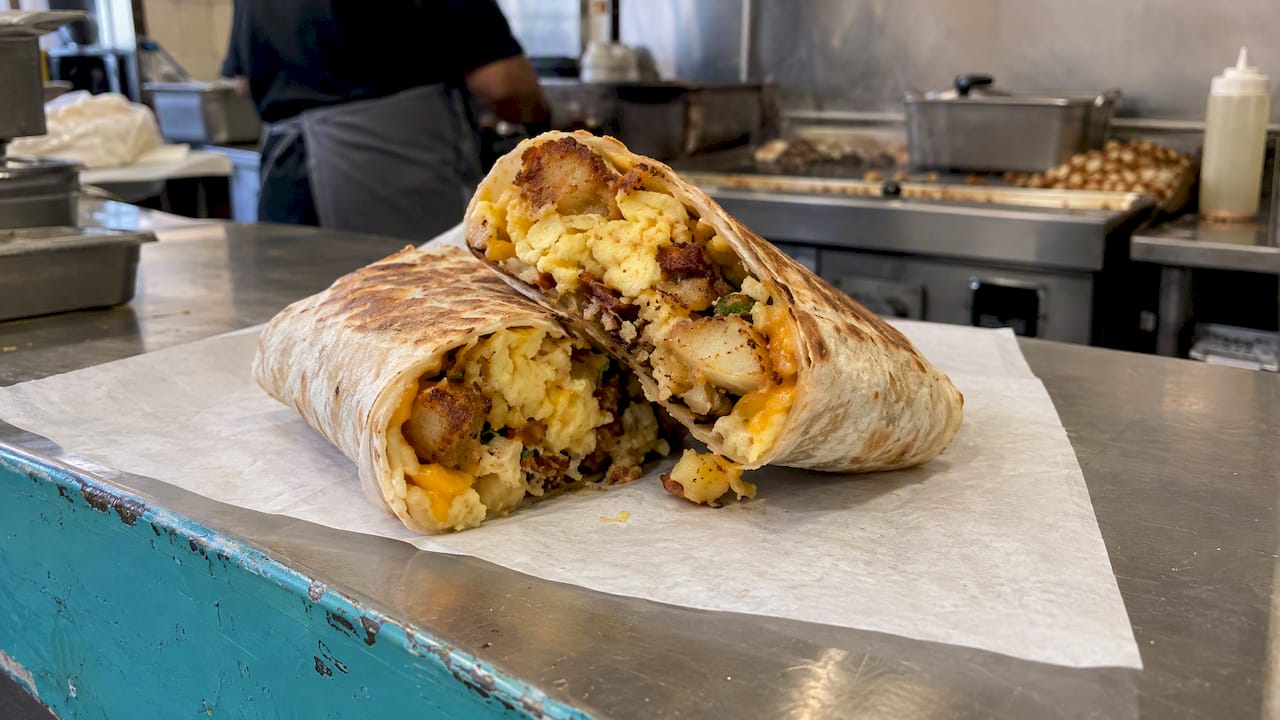
    The best breakfast burrito in Los Angeles depends on what you want out of the morning. If you want a cheap, no-frills classic, go to a takeout window in Atwater Village. If you want something crispy and loaded, go to Pasadena or one of the newer pop-up-turned-shop spots. If you want one at 7 p.m., head to a place that serves it all day. Below is how I’d sort through it, with real prices, real neighborhoods, and what to order.

    Socalsights
    Find More Local Food Favorites
    Explore SoCal Sights for curated food recommendations and local insights that help you discover memorable spots across Southern California.

    TL;DR

    • Prices swing wildly: the LA Times reports anything from $3.99 at a takeout window to $26 for premium, meat-heavy versions, with most good ones landing between $12 and $17.
    • Atwater Village’s Tacos Villa Corona is the old-school benchmark, and Lucky Boy in Pasadena and Wake and Late are known for serving breakfast burritos all day.
    • Texture is the secret: griddled potatoes, tater tots or a crisp tortilla against soft eggs.
    • Ask about salsas. The right one changes the whole burrito.
    • Go early on weekends, bring cash for the tiny spots, and pair your burrito with a good coffee nearby.

    Table of Contents

    What makes a Los Angeles breakfast burrito different

    Burritos exist in plenty of cities. The breakfast burrito, though, is a particular LA thing. Eater LA’s guide to the city’s burrito styles calls breakfast burritos one of the most distinctive parts of the local burrito culture, and writer Farley Elliott points to texture as the reason they work. Think griddle-crisped potatoes or fried tortilla chips against soft scrambled eggs.

    That contrast is what I look for every time. A burrito that is soft all the way through is fine. One that crunches a little and then gives way to eggs, cheese and something salty is the one I’ll tell my friends about.

    The newer wave leans into this. The LA Times notes that many newer businesses grew out of 2020-era pop-ups or home cooking projects, and that nearly all of them have a fluffy-crisp bite. Tater tots have become a common filling for exactly that reason.

    The classics: neighborhood spots that have earned their lines

    These are the places I send visitors who want the real thing and don’t mind a casual setup.

    Tacos Villa Corona, Atwater Village

    If you only try one old-school burrito, make it this one. Eater LA’s critic wrote that Tacos Villa Corona has been his favorite LA breakfast burrito for 30 years, and the LA Times lists it among its picks too. It is a small, casual takeout shop, and the style leans toward chilaquiles and papas versions.

    Per the LA Times’ August 2026 report, you can still get an egg, potato and cheese burrito here for $3.99. That’s the low end of the whole city’s price range, and it’s part of the charm. Don’t expect fancy. Expect handmade food at a price that feels like 2005. Because it’s a tiny shop, I’d bring some cash just in case and plan for a short wait.

    La Azteca Tortilleria, East Los Angeles

    La Azteca is a tortilla shop first, and the tortilla is the star. The LA Times describes it as known for lard-rich, flaky tortillas. That matters more than people think. A burrito is only as good as what’s wrapped around it, and a fresh, flaky tortilla can carry simple fillings all by itself. If you’re exploring East LA, this is a great stop.
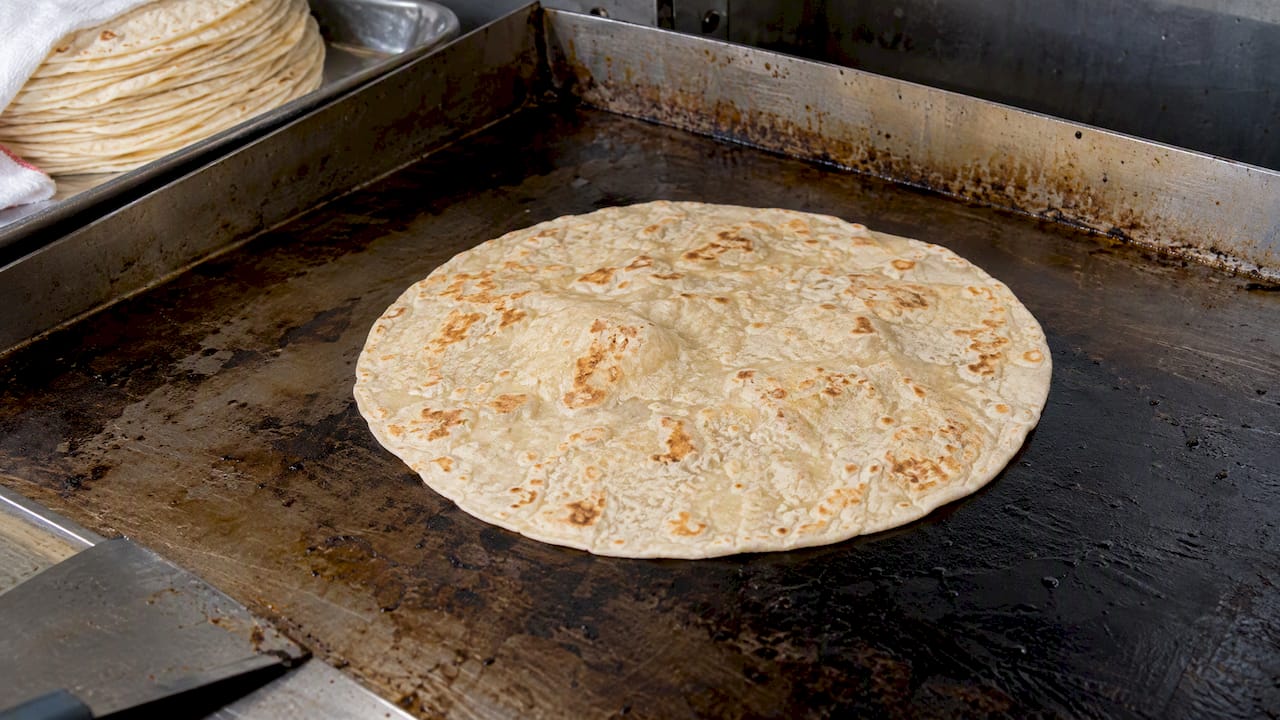
    Flaky flour tortilla cooking on a griddle

    Lucky Boy, Pasadena

    Lucky Boy is one of those names that comes up whenever someone asks about LA breakfast burritos. LA Magazine notes that it serves its version every day from open to close, even though the rest of the breakfast menu ends at 10:30 a.m. It’s an extra-large bundle, so come hungry, or plan to split it and save half for later.

    The LA Times has also said that Pasadena may be the best place in LA for breakfast burritos. If you’re making a day of it, our Pasadena hidden gems guide has community-vetted ideas for what to do afterward.

    Newer takes worth the trip

    The scene keeps changing, which is part of why I love it. The LA Times singles out a few spots that put a modern spin on the format:

    • Baran’s 2239 / Tigres Fuego: a newer interpretation of the classic.
    • Evil Cooks: another modern take that has earned attention.
    • Wake and Late: a burrito-focused restaurant with multiple locations that also pours specialty coffee, and its own site bills it as serving burritos for breakfast and lunch. The LA Times also lists it among places that serve breakfast burritos all day.
    • Phanny’s: Eater LA’s burrito-style guide pictures Phanny’s burritos with salsa as an example of the style.

    I’m not going to tell you one of these is the best. LA Times critic Bill Addison has made a similar point: there’s no single best breakfast burrito, because the scene is always shifting and the best ones depend on how the ingredients work together. That fits what I’ve seen. The favorite of one neighborhood is rarely the favorite of the next.

    How much a breakfast burrito costs in LA

    Here is the realistic budget picture, based on the LA Times’ August 2026 reporting:

    Type Typical price What you get
    Old-school takeout window From $3.99 Egg, potato and cheese, simple and filling
    Mid-range favorite $12 to $17 Where most reputable burritos sit; crispy potatoes or tots, better tortillas, house salsas
    Premium and meat-heavy Up to $26 Items like short rib, sized for sharing

    A $26 burrito is not automatically better than a $3.99 one. It’s a different thing. For a first-time visitor, I’d pick one cheap classic and one mid-range modern burrito on the same trip so you can taste the difference.

    How to order like a local

    Look at the tortilla

    A griddled or charred flour tortilla adds flavor and texture, and it helps the burrito hold together. The LA Times says this is especially important with the big, behemoth-style burritos, which can fall apart if they aren’t sealed well. If you see a tortilla being toasted on the flat top, that’s a good sign.

    Check how the fillings are mixed

    A good burrito has an even blend, so you don’t hit dry or empty pockets. If your first bite is all tortilla and your last bite is all potato, the maker didn’t spread things around. It happens even at good places, so don’t be shy about asking for a bit of salsa to fix it.

    Pick your salsa on purpose

    Many of the best burritos rely on house-made sauces such as cilantro crema or chipotle aioli to cut the richness of the eggs and potatoes, according to the LA Times. If a shop offers several salsas, try more than one. A bright, spicy salsa on a rich burrito can make it a completely different meal.

    Don’t upgrade everything

    The LA Times also notes that the most authentic LA burrito culture tends to resist piling on extra protein or upscaling the simple format. I agree. Order it the way the place makes it first. You can customize on your second visit.

    Breakfast burritos any time of day

    Some of the best spots don’t follow breakfast hours at all. Lucky Boy and Wake and Late are named by the LA Times as places that serve breakfast burritos all day. That’s great news if you’re landing at LAX in the afternoon, or if you want breakfast for dinner after a long beach day. Always check the current hours before you go, since they change.

    Making it a whole morning

    A burrito is a great anchor for a day out. Here are a few ways to build around one:

    Looking for birria or birria ramen?

    A lot of you ask about birria alongside breakfast burritos, and I get it. Rich, slow-cooked meat and a dipping consommé are a natural fit for a morning meal. I don’t want to name a specific place I can’t back up with a current, checked source, so I’ll keep this honest: birria and birria ramen are mostly found at taquerias and food trucks rather than at classic breakfast burrito shops. The easiest way to find them is to look at what’s on the menu board of the nearby taqueria, or check the current menu and hours online before you head over. If you have a favorite, send it our way. We love hearing from locals.

    Our perspective

    We built SoCal Sights around a simple belief: the best food in Southern California is rarely the thing at the top of a mainstream list. It’s the shop in your neighborhood that has had a line since before you moved there, or the new spot someone’s cousin told them about. Breakfast burritos are the perfect example, because every neighborhood has a strong opinion.

    Our perspective — overview diagram

    So here is how we’d approach it. Try one place with a long history, like Atwater Village’s takeout classic. Try one newer spot with a crispier, more modern build. Notice how the tortilla, the potatoes and the salsa work together. And then talk to the person behind the counter, because they usually know the order that regulars choose.

    We also don’t think there needs to be a winner. The scene is a living, changing thing, and it’s a lot more fun to treat it that way. If you know a place we haven’t mentioned, that’s exactly the kind of tip our community is for.

    — Joshua

    Want your food spot in front of LA eaters?

    If you run a restaurant, food truck or event in Southern California, we’d love to help locals and visitors find you. You can learn about featured placements and memberships on our Advertise With SoCal Sights page.

    A simple one-day burrito plan

    If you want a plan rather than a list, here’s an easy way to taste the range in a single day:

    1. Early morning: Start at a classic takeout shop in Atwater Village for the budget-friendly egg, potato and cheese style. Get there early and bring cash.
    2. Mid-morning: Walk off the first burrito with a coffee and a stroll in the neighborhood.
    3. Late morning or lunch: Head to Pasadena for an all-day burrito at Lucky Boy. Share it, it’s big.
    4. Afternoon: Explore the area with our Pasadena hidden gems.
    5. Evening: If you’re still hungry, try a burrito-focused spot that serves them all day, like Wake and Late.

    You don’t have to follow it exactly. The point is to compare a few styles back to back, so you learn what you like.

    FAQ

    What is the average price of a breakfast burrito in Los Angeles?

    Most good breakfast burritos in LA cost between $12 and $17, according to the LA Times’ August 2026 reporting. You can still find a simple egg, potato and cheese burrito for $3.99 at a takeout window in Atwater Village, and premium versions with meats like short rib can run up to $26. Prices change, so check current menus.

    Which neighborhood is best for breakfast burritos?

    There isn’t one answer, but the LA Times has said Pasadena may be the best place in LA for them. Atwater Village is the home of a long-loved classic, and East Los Angeles is where you’ll find a famous tortilleria. If you’re staying on the Westside or downtown, you can find good options there too, so look near where you are.

    Can I get a breakfast burrito in the afternoon or evening?

    Yes. Lucky Boy in Pasadena and Wake and Late are named by the LA Times as spots that serve breakfast burritos all day. Hours can change, so confirm before you make the trip.

    What should a great breakfast burrito have?

    Look for contrast in texture, such as griddled potatoes or tater tots with soft eggs, and a well-toasted tortilla that holds everything together. The fillings should be evenly mixed, and a good salsa or sauce should balance the richness. If the place makes its own salsas, try a few.

    Sources

  • Palm Desert Things to Do: Local Picks for 2026

    Palm Desert Things to Do: Local Picks for 2026

    Palm Desert is a great desert town for a day or a long weekend. The best things to do here are the Living Desert Zoo and Gardens, a morning hike in the Santa Rosa and San Jacinto Mountains National Monument, an evening wander along El Paseo, and a stargazing night if you can catch one. Mix one wildlife stop, one trail and one slow evening, and you’ve got the real Palm Desert.

    I’ll give you the current hours, prices and trail details I could verify, plus the timing tricks that make the desert a lot more fun.

    Socalsights
    Find More Local Southern California Picks
    SoCal Sights shares curated ideas for activities, food spots, and itineraries to help you discover authentic experiences around the region.

    TL;DR

    • Start with the Living Desert Zoo and Gardens: open daily 8:00 a.m. to 5:00 p.m. from October 1 to May 31, with adult tickets at $44.95.
    • Stop at the national monument visitor center on Highway 74 for trail advice before you pick a hike.
    • Do hikes early. The Art Smith Trail is 8.3 miles and strenuous, so it’s not a casual stroll.
    • Save evenings for El Paseo’s shops and restaurants, or for a free stargazing event if one is on the calendar.
    • Palm Springs is close, so pair the two if you have more than a day.

    Table of Contents

    Start with the animals at The Living Desert

    If you only do one paid attraction, make it The Living Desert Zoo and Gardens. It’s a zoo and a botanical garden in one, built around desert habitats, so you’re walking through landscapes that look like the ones outside the gate.

    Desert plants beside a garden path

    Hours. From October 1 to May 31 it’s open daily from 8:00 a.m. to 5:00 p.m., with last admission at 4:00 p.m. From June 1 to September 30 the hours shift to 7:00 a.m. to 1:30 p.m., with last admission at 12:30 p.m. It’s closed December 25.

    Tickets. Adult tickets (ages 18 and up) are $44.95 and youth tickets (ages 3 to 17) are $34.95. Military personnel get $37.95. Museums for All guests with SNAP/EBT can buy tickets for $5.00. Prices may vary by date, so check before you go.

    Two practical things. Non-members need to buy tickets in advance online or at on-site self-service kiosks. The park is also fully cashless. If you show up with only cash, use one of the on-site reverse ATMs to turn it into a prepaid debit card before you buy anything. I’d rather you read that here than discover it at the gate with a car full of kids.

    The park leans hard into conservation. According to its own leadership, visitors are encouraged to engage with the Tennity Wildlife Hospital and the Desert Plant Conservation Center. Go early, do the shaded stretches first, and save the open-air loops for when the light is soft.

    Hike the mountains behind town

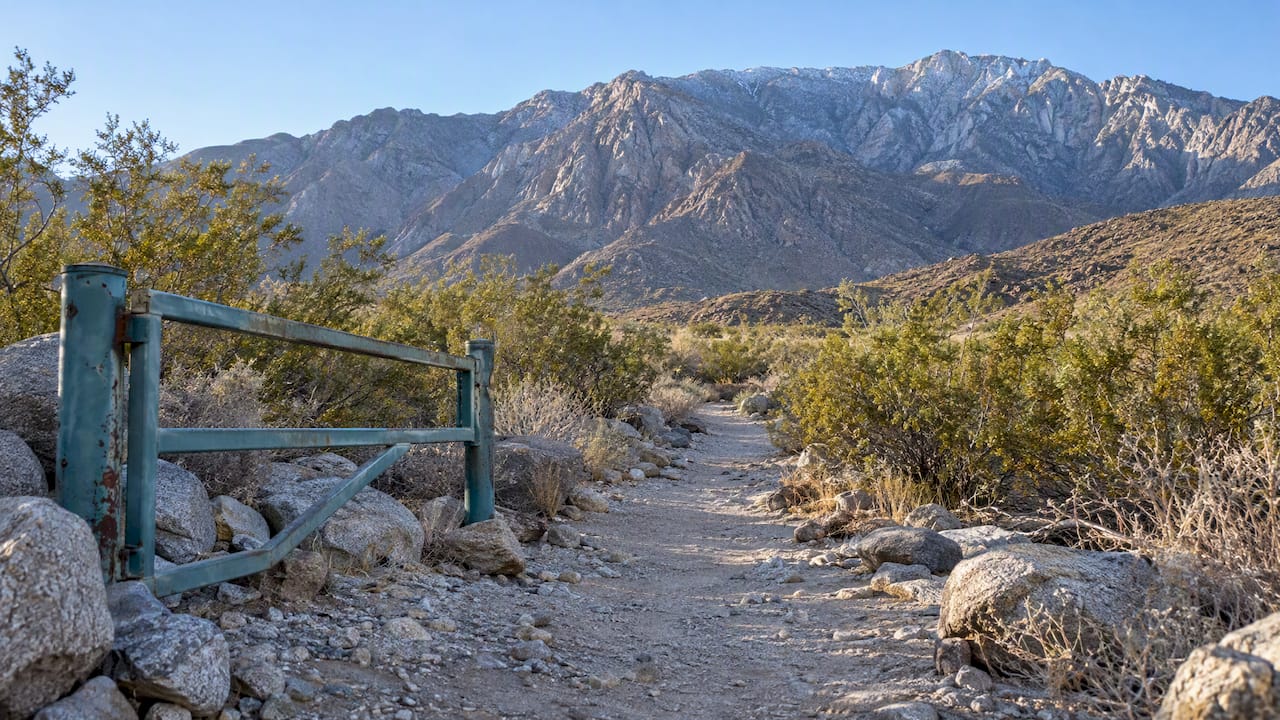
    Palm Desert sits right at the foot of the mountains, which is the thing most visitors underuse. The Santa Rosa and San Jacinto Mountains National Monument rises abruptly from the desert floor to 10,834 feet, and the lower trails are right on the edge of town.

    Start at the visitor center

    The monument’s visitor center is at 51-500 Highway 74 in Palm Desert. It’s open Friday through Sunday, 8:30 a.m. to 4:00 p.m. It’s closed on Thanksgiving, Christmas and New Year’s Day, and it closes early at 2:00 p.m. on Christmas Eve and New Year’s Eve. Inside you’ll find interpretive displays and trail info.

    It’s also the starting point for the Ed Hastey Garden Trail, a 0.2-mile accessible path. It’s a short, easy way to get a feel for desert plants if the big trails aren’t for you today. All of this comes from the BLM monument page.

    Know what you’re signing up for on Art Smith

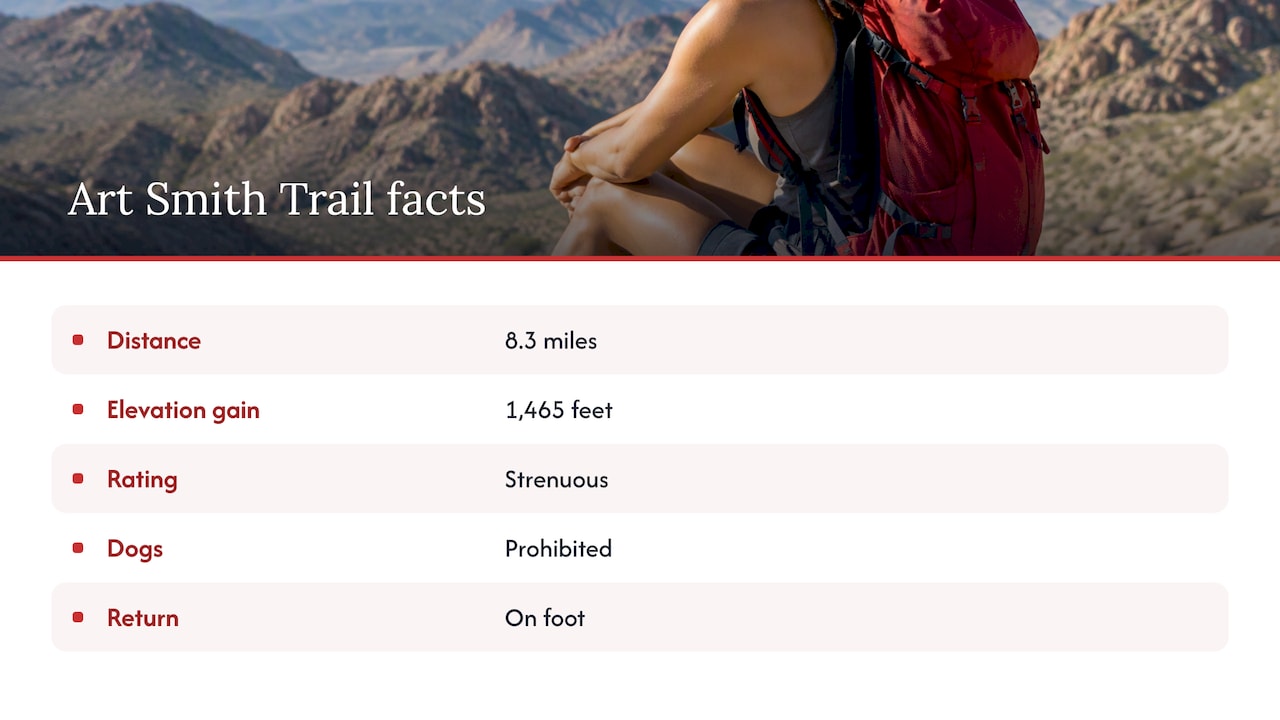
    The Art Smith Trail is a popular one, and it’s a serious hike: 8.3 miles, a 1,465-foot elevation gain, rated strenuous, and dogs are prohibited. It isn’t a loop, and it isn’t a shuttle route either, because intersection points like Dunn Road are closed to vehicles. So plan your return on foot.

    Art Smith Trail distance, climb and restrictions

    My rule for desert hikes is simple. Start at first light, bring more water than feels reasonable, and turn around when you’re tired, not when you’re out of energy. Even experienced hikers tend to underestimate that climb.

    Looking for bighorn sheep

    Bighorn sheep are the desert’s celebrity animal, and the mountain trails above town are where visitors hope to spot them. Quiet, early starts give you the best odds, and binoculars help more than a zoom lens. No promises, of course. That’s what makes it fun.

    Spend an evening on El Paseo

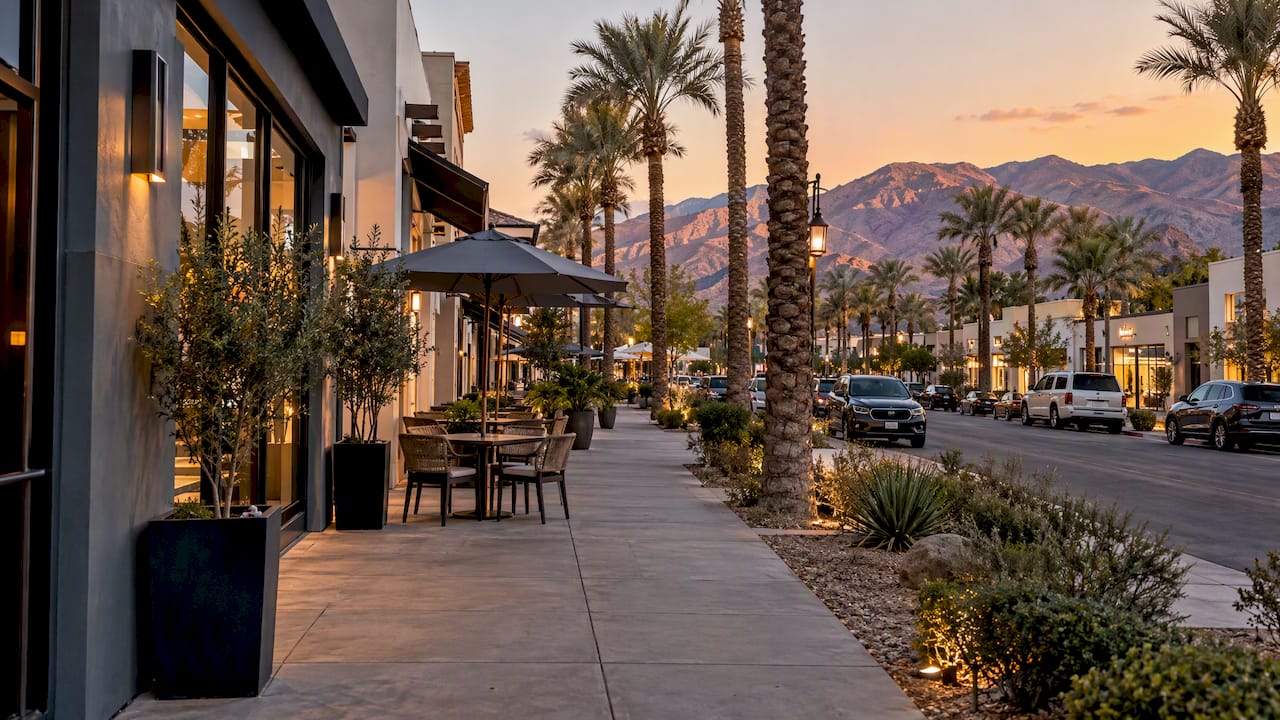
    When the day cools off, head to El Paseo. The El Paseo Shopping District has over 300 shops and more than a dozen restaurants, set against a mountain backdrop, according to the Greater Palm Springs visitor site.

    You don’t have to shop to enjoy it. Walk the street, window-shop the galleries, and grab a patio table. I like to go right around sunset, when the mountains turn pink and the heat finally backs off.

    El Paseo patio tables beneath evening mountains

    Look up: stargazing near the monument

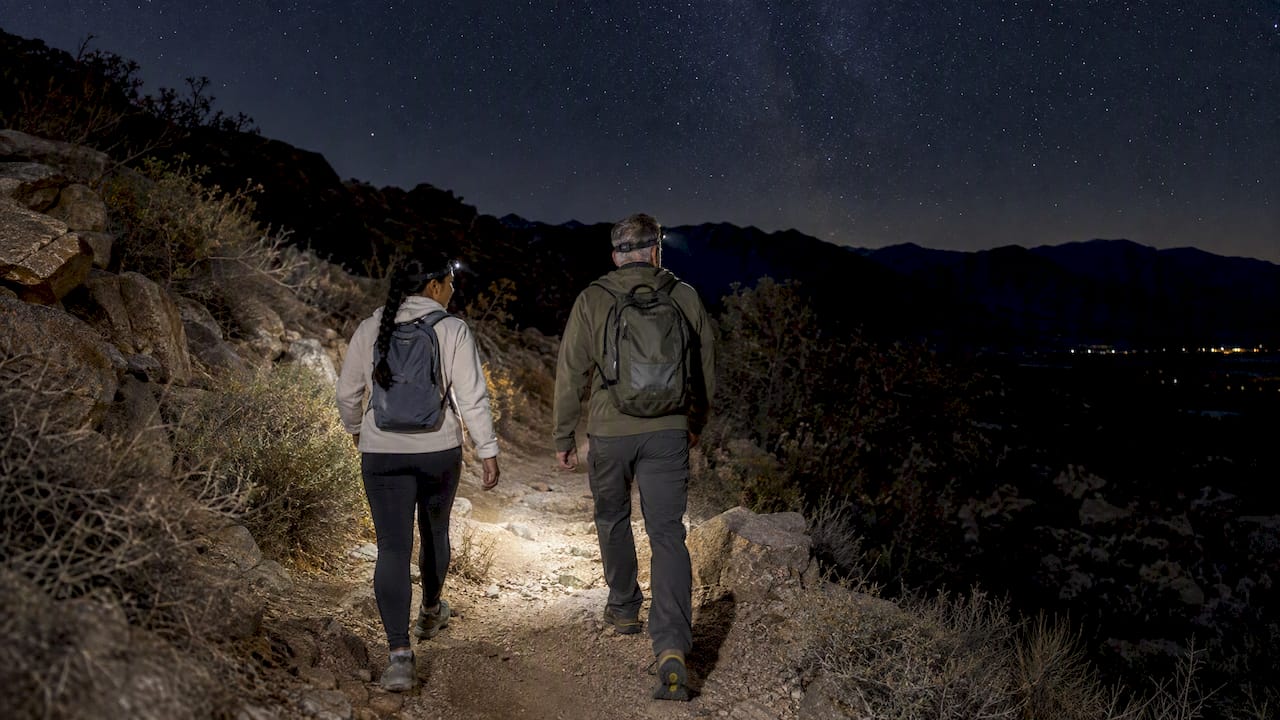
    Here’s one of my favorite quiet options. Friends of the Desert Mountains, a nonprofit, has hosted star-gazing events with nighttime treks near the monument in Palm Desert. The events are free but need advance registration so groups stay small.

    The 2026 series announced in that report began in August, so check the nonprofit’s current calendar for upcoming dates. It’s a good example of a hidden gem: no big crowds, a local group, and a sky you can actually see.

    Two hikers on a starry desert trail

    Palm Desert vs. Palm Springs: which one?

    Readers ask which is nicer. They’re different moods, so I wouldn’t pick one.

    Palm Desert Palm Springs
    Feel Relaxed, residential, easygoing Retro, buzzy, busier
    Best for Wildlife, mountain trails, shopping and dining Nightlife, mid-century style, a bigger variety of stops
    Pace Slow mornings, quiet evenings More to see in a short window

    If you have a long weekend, split it. Our Palm Springs weekend guide covers 48 to 72 hours with local picks and heat-smart timing. Heading farther out? The Joshua Tree itinerary has one-to-three-day plans.

    Sample plans

    One day

    1. Early morning: Visitor center, then a short trail or the Ed Hastey Garden Trail.
    2. Late morning: The Living Desert, starting with the shaded areas.
    3. Afternoon: Rest indoors. It’s what locals do.
    4. Evening: Dinner and a walk on El Paseo.

    Two days

    Add a longer hike on day two, such as Art Smith if you’re fit and starting at dawn. Then spend the afternoon by a pool and book a stargazing event if the calendar lines up.

    Heat-smart rules

    • Do outdoor stuff before late morning.
    • Carry water on every trail, even short ones.
    • Check hours before you go. The Living Desert’s summer schedule ends at 1:30 p.m., so the best time of day changes with the season.
    • If you’re visiting between June and September, plan the whole day around the morning.

    Our take on Palm Desert

    We built SoCal Sights because most guides pile on the same top-ten lists, and visitors end up buried in information. Palm Desert is a perfect example of why we take a different approach. The headline attractions are good, but the trip gets better when you add the lesser-known parts: a visitor center that points you to the right trail, a nonprofit’s evening trek, a patio on a quiet evening.

    Our approach is simple. We highlight local favorites and community-submitted tips, and we try to check the logistics that trip you up: hours, tickets, closures and what a trail is really like. A desert trip rewards that kind of homework more than most.

    My advice: pick fewer things and do them at the right hour. One animal stop, one trail, one slow evening. That’s a Palm Desert day worth bragging about.

    — Joshua

    Run a business in Southern California?

    If you run a restaurant, tour, shop or event that visitors to the region would love, you can advertise with SoCal Sights and get in front of people who are actively planning their days out. Browse our guides first to see where you’d fit, like our roundup of Southern California hidden gems.

    More Southern California ideas

    Palm Desert pairs well with other trips. If you’re planning a bigger loop, our Southern California road trip guide covers routes and stops. Coming from Los Angeles for a few days? Check the best weekend getaways from LA.

    FAQ

    What is there to see in Palm Desert?

    The big draws are The Living Desert Zoo and Gardens, the mountain trails of the Santa Rosa and San Jacinto Mountains National Monument, and the El Paseo shopping and dining district. Add a stargazing event if there’s one on the calendar. Together they fill a full weekend without rushing.

    How many days is enough for Palm Springs and Palm Desert?

    A full day covers the highlights in Palm Desert, and two days let you add a longer hike and an evening event. If you want to include Palm Springs, three days gives you room for both without rushing through the heat of the day. Our weekend guide lays out a 48 to 72 hour plan.

    Is The Living Desert worth the ticket price?

    For most visitors, yes, especially if you go early and take your time. Adult tickets are $44.95 and youth tickets are $34.95, with discounts for military and SNAP/EBT cardholders. Buy ahead online, and bring a card rather than cash since the park is cashless.

    Can I hike year-round?

    Trails stay open, but timing matters. Start at dawn, carry plenty of water, and pick shorter routes if it’s hot. The Art Smith Trail is strenuous, with a 1,465-foot gain, so save it for a day when you can start early.

    Sources

  • Art Walks in Los Angeles: Where to Go and When

    Art Walks in Los Angeles: Where to Go and When

    The best art walk in Los Angeles depends on what you want from the evening. Downtown is the big, busy gallery crawl. Leimert Park is a monthly neighborhood gathering with vendors and a drum circle. And if the calendar doesn’t line up with your trip, LA is one of the easiest cities to build your own walk, because so much of the art is painted on the buildings.

    I’ll walk you through each option, tell you what to double-check before you go, and share a few ways to string it all together.

    Socalsights
    Explore Beyond the Art Walks
    Find more ways to explore Southern California, with curated local insights into activities, food spots, and unique itineraries.

    TL;DR

    • The Leimert Park Art Walk is free and runs monthly, with a long-standing drum circle at Leimert Plaza Park. Confirm the exact day with the organizer first (more on that below).
    • Downtown LA’s art walk has traditionally been a second-Thursday-of-the-month event. Check the organizer’s page before you plan around it, since formats change.
    • No event on your dates? Murals are free and always up. Build a self-guided route in the Historic Core or along Crenshaw Boulevard.
    • Bring cash for vendors, wear comfortable shoes, and give yourself two to four hours per neighborhood.
    • New this fall: the Lucas Museum of Narrative Art opened September 22, 2026, and makes a good indoor add-on to a walking day.

    Table of Contents

    What counts as an art walk in LA?

    In most cities an art walk means one thing: galleries stay open late and you stroll between them. Los Angeles is too spread out for that to be the whole story. Here the term covers a few different experiences:

    • Gallery crawls, where studios and storefront galleries open their doors after hours.
    • Neighborhood art walks, where street vendors, musicians, artists and food stalls take over a few blocks.
    • Studio and open-house weekends, which tend to be seasonal and tied to an arts district.
    • Self-guided public art walks, where you follow murals and sculpture on your own schedule.

    I like to mix at least two of these. An organized evening gives you energy and people. A self-guided walk gives you quiet, photos and the freedom to linger.

    Leimert Park Art Walk: the one I’d do first

    If you only have time for one, make it Leimert Park. According to the City of Los Angeles Department of Cultural Affairs, the Leimert Park Art Walk is free, runs monthly from noon to 8:00 p.m., and is organized by a community group. The city’s research listing places it along 43rd Place and Degnan Boulevard, with a long-standing African drum circle at Leimert Plaza Park.

    Check the day before you go

    Here’s a wrinkle worth knowing. The city’s event page describes the series as a last-Saturdays event, while other local descriptions put it on the last Sunday of the month. I can’t settle that from here, so confirm on the organizer’s Facebook page (the city page links to it) before you drive over. A wrong weekend day is the most common way people miss it.

    How to spend the afternoon

    A local resident’s Sunday guide to Leimert Park Village describes a neat trick. In months when the fourth and last Sunday line up, you can stack the weekly drum circle, the monthly art walk and the recurring Sunday jazz series at The World Stage into one afternoon. The same guide recommends bringing cash for vendors and planning two to four hours.

    My own plan for a first visit:

    1. Arrive early afternoon, when vendors are set up but the crowds are still easy.
    2. Walk the length of Degnan Boulevard once without buying anything, just to see what’s there.
    3. Go back for the pieces you liked. Talk to the makers. That’s the whole point.
    4. End near Leimert Plaza Park for the drum circle as the light gets low.

    Street parking in the Village fills up when the event is on, so rideshare or a bit of patience is smart.

    Downtown LA Art Walk

    The Downtown Los Angeles Art Walk is the one most people mean when they search for an art walk in LA. It has long been held in the Historic Core, centered on Spring Street and Broadway, on the second Thursday of each month, with free admission and dozens of galleries, pop-ups and food trucks taking part. It has also changed shape over the years, so treat any date I give you as a starting point and look at the organizer’s own site before you head downtown.

    What to expect in general:

    • A crowd. Evening Downtown art events are social. Go early if you want to actually see the work.
    • A mix of quality. Some spaces are serious galleries. Others are street vendors and music. Both are part of the fun.
    • Easy transit. The Historic Core is well served by Metro rail, which beats circling for parking.

    If the crowd isn’t your thing, go on a different day and use the Historic Core as a self-guided mural walk (more below). The buildings are the same.

    Neighborhood art walks beyond Downtown

    LA’s art walk scene is spread across the map. A few types to look for when you plan:

    • Arts-district weekends. One of the local favorites is a twice-a-year brewery-area art walk on the Frogtown and Elysian Valley side of the river. The most recent one was set for September 19, 2026, from 4 to 10 PM and was free to attend, so watch for the next round in spring.
    • Coastal evenings. Venice and Santa Monica have their own gallery nights and open studios. Dates shift, so check local listings.
    • Free city-listed events. The city’s cultural affairs calendar is a good place to search for community art walks by council district.

    Honestly, this is where the hidden gems are. The smaller the event, the more likely you’ll leave with something made by the person who sold it to you.

    Build your own walk: murals and public art

    This is my favorite way to see LA art, and it works any day of the week. The Mural Conservancy of Los Angeles calls the city a mural capital, and murals are free and part of everyday streets. You don’t need a ticket or a schedule. Two routes I’d start with:

    The Historic Core

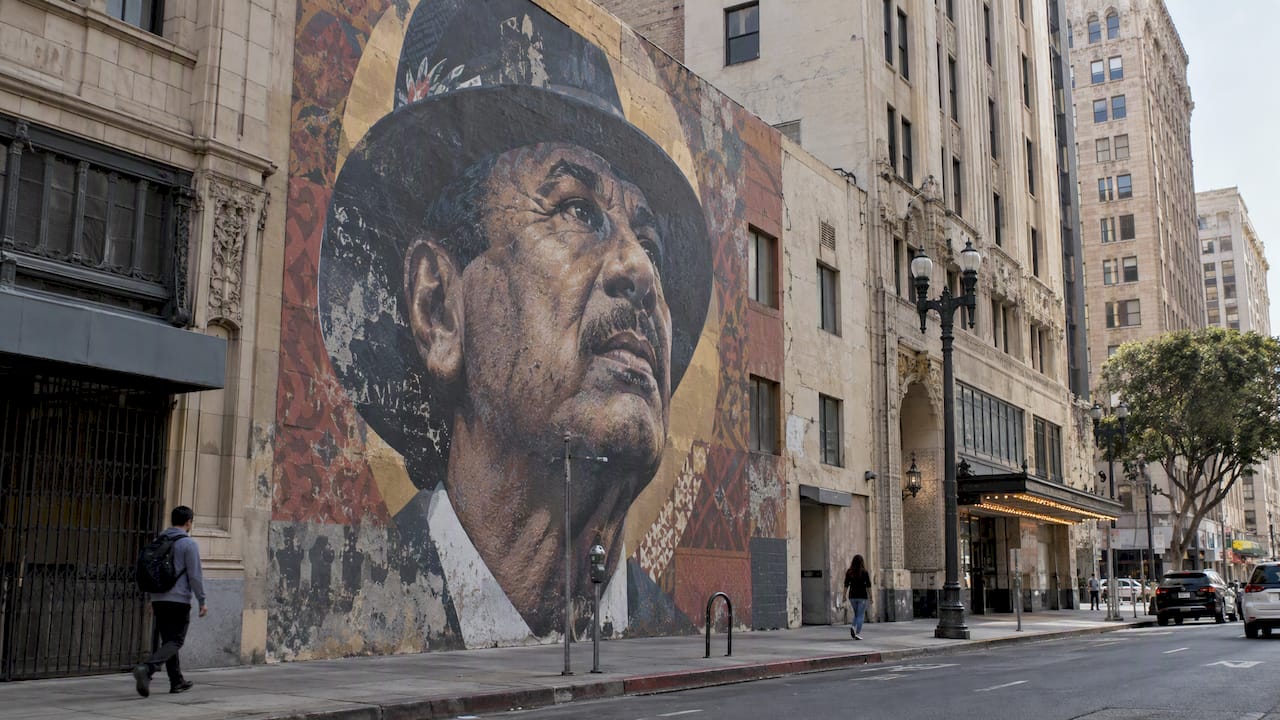
    Stay on foot around Broadway and Spring and look up. Historic works like the “Pope of Broadway” mural sit among old theaters and office buildings. It makes a great warm-up if you’re also hitting a gallery night. For more routes with current maps, see our photo-ready mural routes in Los Angeles.

    Pope of Broadway mural among Historic Core buildings

    Crenshaw Boulevard

    Community-led murals line parts of Crenshaw Boulevard, and the corridor is changing. Destination Crenshaw is a public-private initiative to redesign 1.3 miles of the boulevard as a business and cultural corridor for Black Los Angeles. It sits close enough to Leimert Park that you can pair them in one day.

    If you’re after the shot for your feed, our guide to Instagram-ready photo spots in Los Angeles will help you plan the light and the crowds.
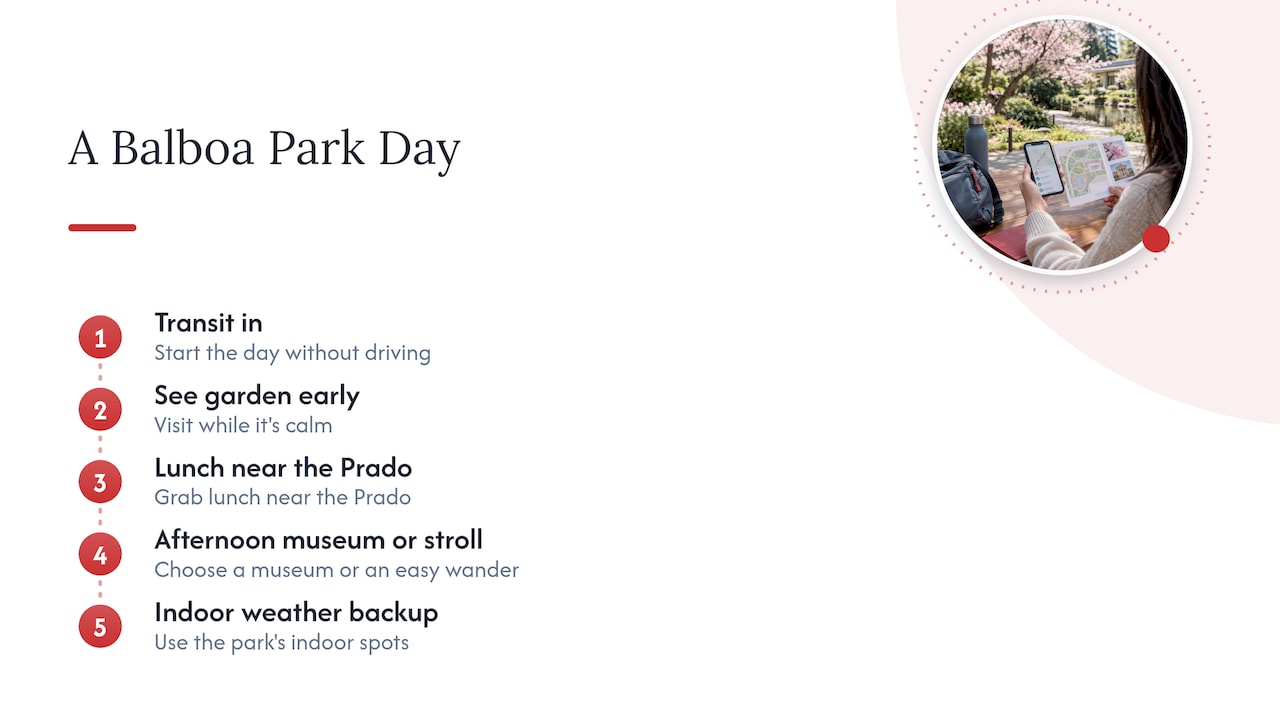
    Add a museum to your art day

    Art walks are mostly outdoors and mostly evenings, which leaves your daytime open. Two new additions are worth knowing:

    • Lucas Museum of Narrative Art. It opened to the public on September 22, 2026 in Exposition Park. Adult tickets are $25, and children 17 and under get in free, per the museum’s announcement.
    • Samuel Oschin Air and Space Center. Set to open November 13, 2026 at the California Science Center, home of space shuttle Endeavour. Not an art walk stop, but it shares the neighborhood.

    On a budget? Many LA museums offer free days, and some need reservations. We keep a running list of free museum days in Los Angeles.

    Sample plans

    Plan Best for Time
    Leimert Park + Crenshaw murals Community vibe, live music, local vendors Half a day to a full afternoon
    Downtown gallery night + Historic Core mural walk First-timers who want a crowd and variety Evening, plus a daytime stroll
    Lucas Museum + self-guided mural route Rainy-week or off-calendar trips One full day
    Arts-district weekend near the river Craft fans and locals Evening

    Pair any of these with a good cup beforehand. Our LA coffee guide by neighborhood is a good place to start.

    Our perspective

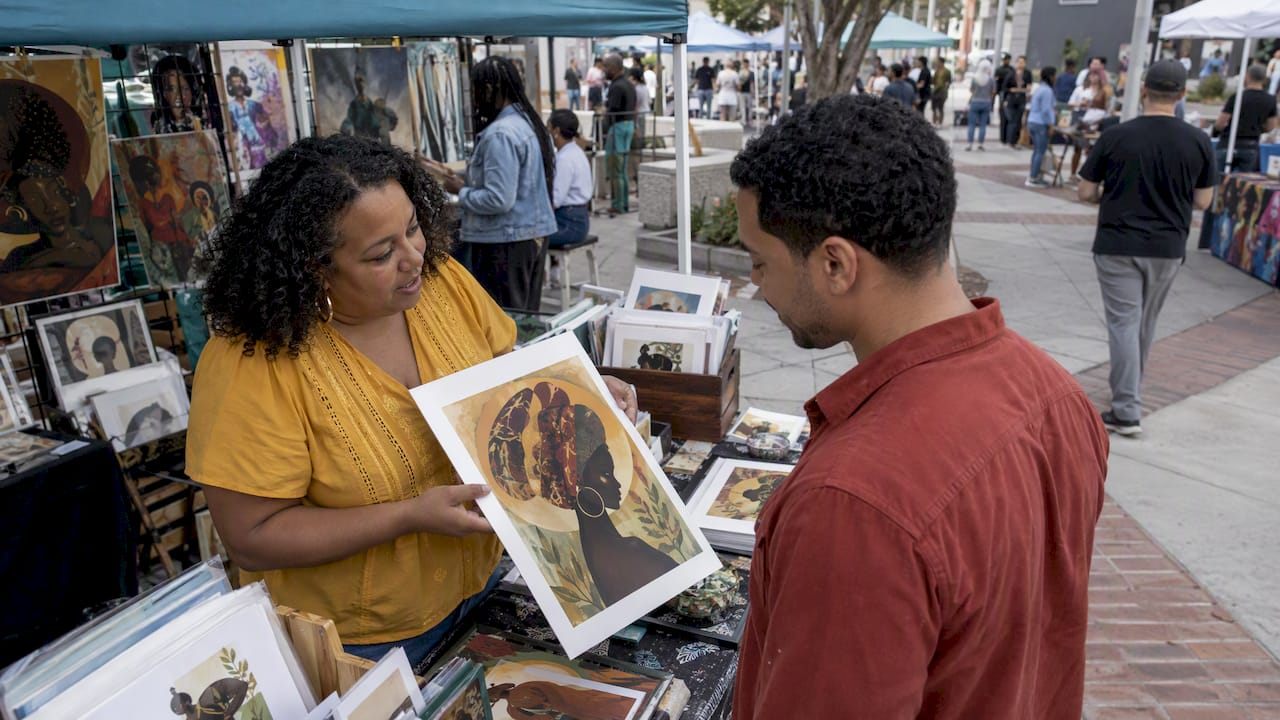
    We built SoCal Sights around one idea: the best stuff in Southern California is often the stuff the big guides skip. Art walks are a perfect example. Everyone knows the headline events, but the experience that sticks is usually a small one, like a vendor on Degnan Boulevard who tells you how they made a print, or a mural you only notice because you looked up.

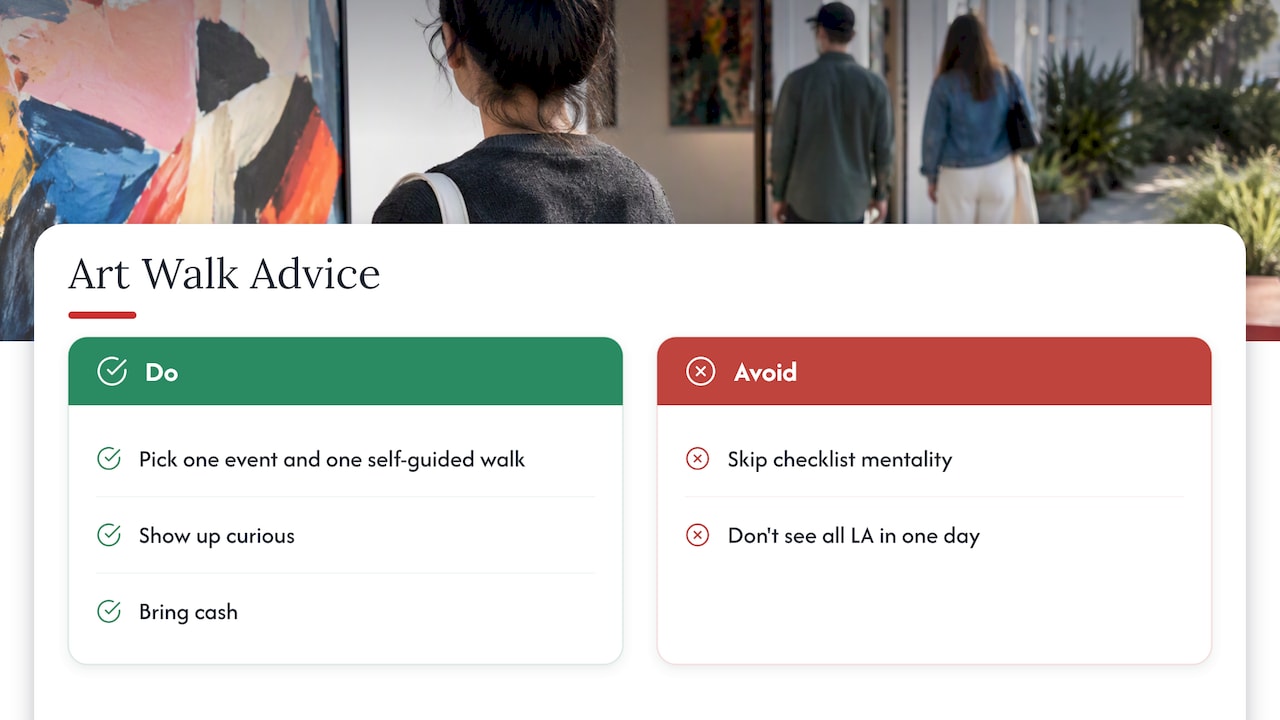
    Our perspective — overview diagram

    So our advice is simple. Pick one organized event and one self-guided walk. Show up curious. Bring cash. Skip the checklist mentality, and don’t try to see all of LA in a day, because the distances will beat you.

    We also lean on locals. If you know an art walk, studio weekend or mural we haven’t covered, we want to hear about it. If you want more offbeat ideas after this, try our unique things to do in Los Angeles.

    — Joshua

    Practical tips

    • Verify the date. Community events shift. Check the organizer’s page the week of.
    • Bring small bills. Vendors often prefer cash, and the Leimert Park guide above says so too.
    • Plan two to four hours. That’s the range the same guide suggests for Leimert Park, and it fits most neighborhood walks.
    • Wear real shoes. LA sidewalks are long, and you’ll stand a lot.
    • Go early in the evening. You’ll see more art and fewer elbows.
    • Mix in a meal. The neighborhoods around these walks have great local food. Make a stop part of the plan, not an afterthought.
    • Look for seasonal extras. Fall brings cultural events like Day of the Dead. See our guide to Day of the Dead in Los Angeles for free events and altars.

    Run an art business or event in Southern California?

    If you’re a gallery, studio, vendor or event organizer who wants to reach people searching for things to do in Southern California, we offer advertising and featured placements. Learn more on our Advertise With SoCal Sights page.

    FAQ

    Are art walks in Los Angeles free?
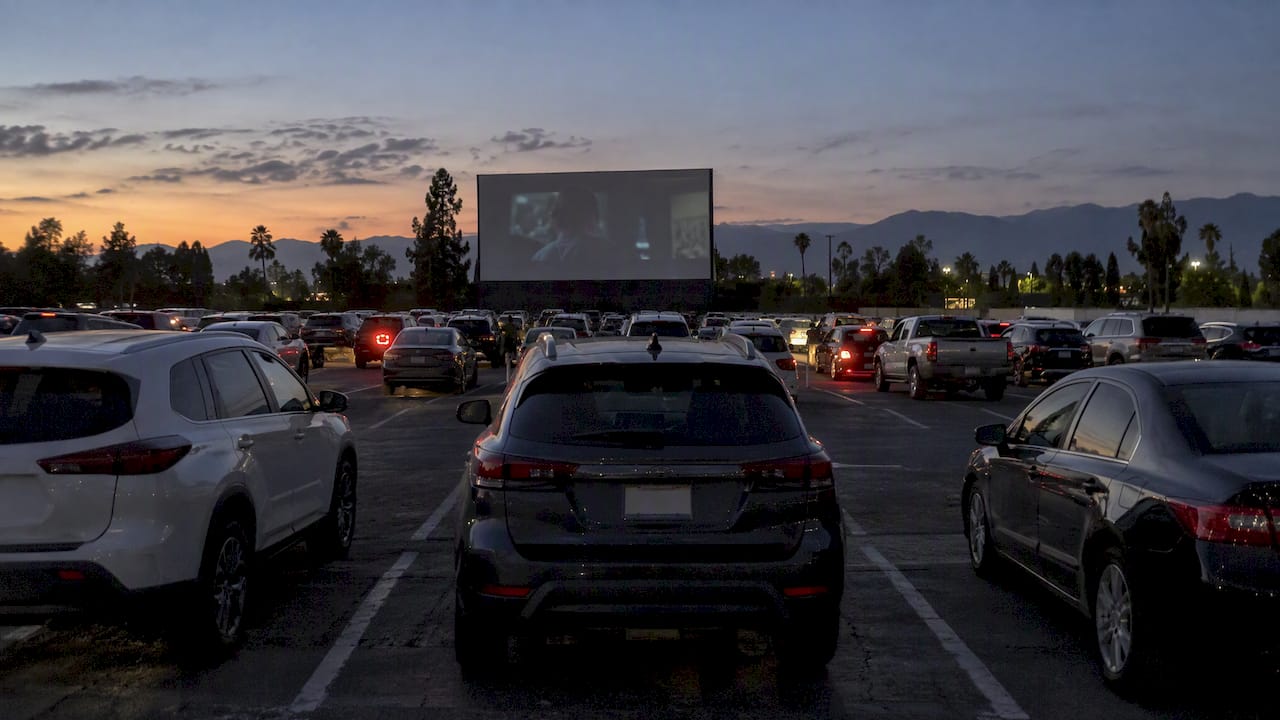
    Most of the community ones are. The city lists the Leimert Park Art Walk as free, and the Downtown and brewery-area walks have also been free to attend. You’ll want money for food, drinks and anything you buy from artists.

    Which LA street has the best street art?

    There’s no single winner. The Historic Core in Downtown has historic murals in a walkable cluster, and Crenshaw Boulevard has community-led work along a corridor that’s being reimagined. Try both and see which feels more like your taste.

    How long should I plan for an art walk?

    Two to four hours is a comfortable window for a neighborhood event like Leimert Park, according to a local resident’s guide. Gallery nights Downtown can be shorter if you only hit a few spaces. Leave extra time if you want to eat or catch music.

    What if no art walk is happening during my visit?

    Go self-guided. Murals are free and visible year-round, so you can build a route in a couple of hours. Add a museum visit, like the new Lucas Museum, for a full day.

    Sources

  • Flea Markets in Los Angeles: Where to Go Each Weekend

    Flea Markets in Los Angeles: Where to Go Each Weekend

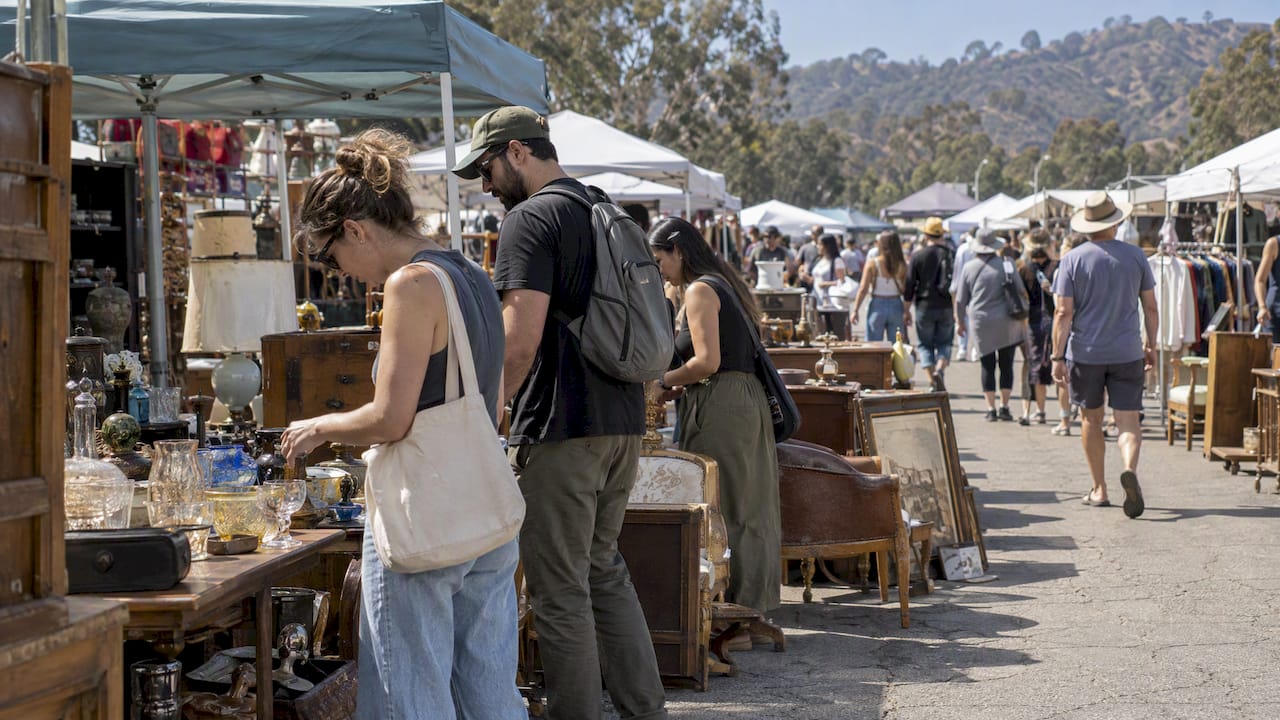
    The best flea market in Los Angeles depends on what you’re hunting for. For sheer scale and antiques, it’s the Rose Bowl on the second Sunday of the month. For vintage fashion and people-watching, it’s the Melrose Trading Post every Sunday. For food, it’s Smorgasburg downtown. And for everyday bargains and a true neighborhood feel, it’s a swap meet like the one in San Fernando. I’ll walk you through each one, what it costs, when it’s open and how to shop it like a local.
    Socalsights
    Find More Local Weekend Gems
    Explore SoCal Sights for local recommendations on Southern California activities, food spots, and unique itineraries beyond the flea market circuit.

    Explore local recommendations

    TL;DR

    • Biggest: the Rose Bowl Flea Market in Pasadena, second Sunday of every month, with more than 2,500 vendors.
    • Best every-Sunday option: Melrose Trading Post at Fairfax High School, 9 a.m. to 5 p.m., $6 at the gate.
    • Best for eating while you browse: Smorgasburg Los Angeles at ROW DTLA, Sundays 10 a.m. to 4 p.m., free entry.
    • Best for bargains: the San Fernando Swap Meet, open five days a week, rain or shine.
    • Bring cash, water, sun protection and comfortable shoes, and check each market’s official page before you drive, since prices and dates change.

    Table of Contents

    Flea market or swap meet? Same hunt, different feel

    In LA the two words overlap a lot. Generally, “flea market” points to vintage, antiques, handmade goods and curated vendors. “Swap meet” tends to mean a big, everyday-goods market: clothes, tools, phone cases, produce, snacks, often with a strong neighborhood character. Both are worth your time, and they scratch different itches.

    L.A. Taco contributor Erick Huerta makes the case that swap meets reflect the communities around them, and buying there means supporting local sellers rather than chain stores. I agree with that. Some of my favorite Saturdays have started with a swap meet breakfast and ended with a bag of things I didn’t know I needed.

    Your weekend calendar at a glance

    Here’s the quick version. Details for each market follow.

    Market Where When Entry
    Rose Bowl Flea Market Pasadena 2nd Sunday of each month Paid, varies by entry time
    Melrose Trading Post Fairfax High School, Hollywood area Every Sunday, 9 a.m. to 5 p.m. $6 cash at the gate
    Smorgasburg Los Angeles ROW DTLA, downtown Every Sunday, 10 a.m. to 4 p.m. Free
    San Fernando Swap Meet San Fernando Tue, Thu, Fri, Sat, Sun Check the market’s site

    Rose Bowl Flea Market: the big one

    If you only do one, make it this. The Rose Bowl Flea Market runs the second Sunday of every month with more than 2,500 vendors selling antiques, vintage clothing, local art and specialty goods. Roughly 20,000 shoppers show up per event, so think of it as a day out, not a quick stop.

    Next date: Visit Pasadena lists November 8, 2026, and the December date should fall on the 13th. Always double check the organizer’s calendar before you go.

    Tickets: Visit Pasadena’s listing shows early VIP entry from 5 a.m. to 8:45 a.m. at $23.21 online and regular entry from 9 a.m. to 3 p.m. at $15.83 online, with children under twelve free with an adult. Older guides quote lower figures, which is a good reminder that gate prices move. Buy from the official source and trust the current number.

    How to tackle it:

    1. Study the map before you arrive. The lot is huge, and clothing vendors cluster near the main entrance while antiques and furniture spread through the other lots.
    2. Decide if VIP is worth it. If you want first pick of furniture or rare vintage, the early hours are where the best pieces go. If you’re browsing for fun, regular entry is plenty.
    3. Wear a hat and plan to walk. Shade is limited and the walking adds up fast.
    4. Budget for parking. On-site parking is typically about $20.

    Pasadena itself rewards a longer day. If you want to turn the flea into a full outing, our Pasadena hidden gems guide has community-vetted spots nearby for lunch and a wander.

    Melrose Trading Post: Sunday vintage with a purpose

    This is the market I send friends to when they want a reliable Sunday. The Melrose Trading Post sets up at Fairfax High School every Sunday, with handcrafted goods, vintage fashion, antique furniture and food. Hours are 9 a.m. to 5 p.m. according to a local flea guide.

    Admission is $6 cash at the entrance, or $6 plus fees for a prepaid ticket. Children under 12 are free. The market is run by a nonprofit and the proceeds fund arts and leadership programs at the school, so your entry fee does something good.

    It skews younger and fashion-forward: band tees, denim, jewelry, plants, vinyl, plus street food to keep you going. Expect crowds by midday. Go at opening for the best selection or in the last couple of hours when some sellers get flexible on price.

    Smorgasburg Los Angeles: when you want to eat as much as shop

    Not a classic flea market, but it belongs on this list. Smorgasburg Los Angeles takes over ROW DTLA at 777 S. Alameda St. every Sunday from 10 a.m. to 4 p.m. It has more than 90 food and shopping vendors and free entry, and weekly crowds run in the thousands.

    My plan: eat first, then browse the shopping stalls with a snack in hand. Bring friends and share plates so you can try more. If you like the food-forward side of LA, our guide to food halls that launch chefs is a good next stop, and so is our rundown of night markets open now for after-dark options.

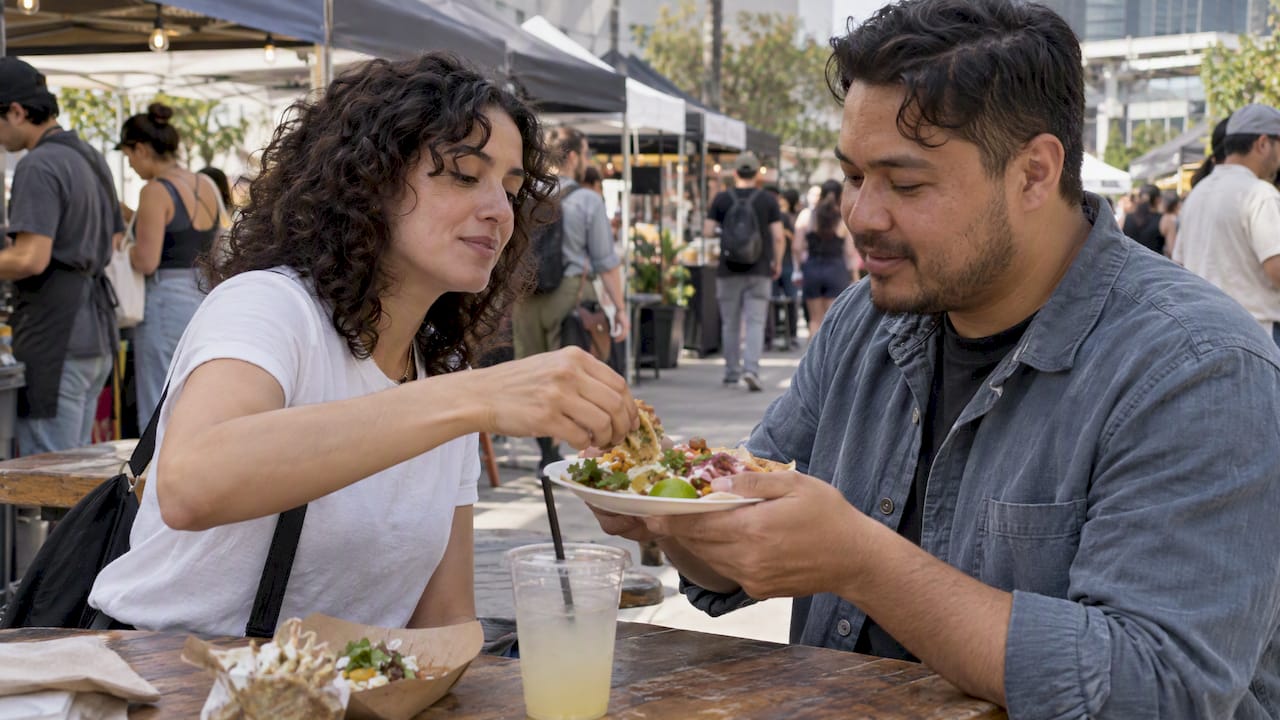
    Friends share food at Smorgasburg stalls

    San Fernando Swap Meet: the bargain hunter’s pick

    Head north to the Valley for something more everyday. The San Fernando Swap Meet covers 16 acres with about 1,000 vendor spaces, and it calls itself the largest outdoor swap meet in the San Fernando Valley. It’s open Tuesday, Thursday, Friday, Saturday and Sunday, rain or shine, and it reports more than 26,000 shoppers a week.

    This is where you go for clothes, tools, houseware, party supplies, fresh fruit and a quick bite. The vibe is practical, lively and very local. Weekdays are calmer, weekends are packed.

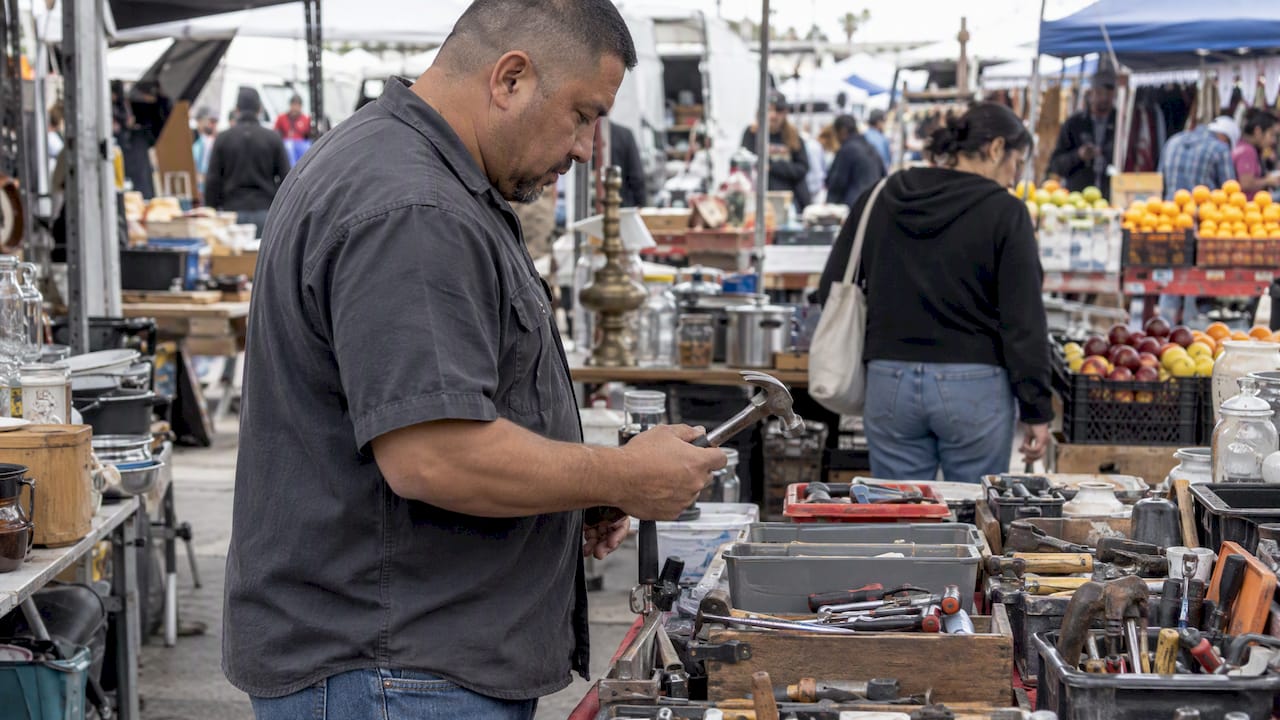
    Shopper checks tools at swap meet table

    Swap meets elsewhere in Los Angeles County work the same way: big open-air lots, vendors selling at tiny margins, and a mix of languages on the signs. If you’re not sure which is closest, start with the market’s own website for hours and parking, since smaller swap meets change schedules more than the big events do.

    The monthly rotation: a fleas-on-every-Sunday trick

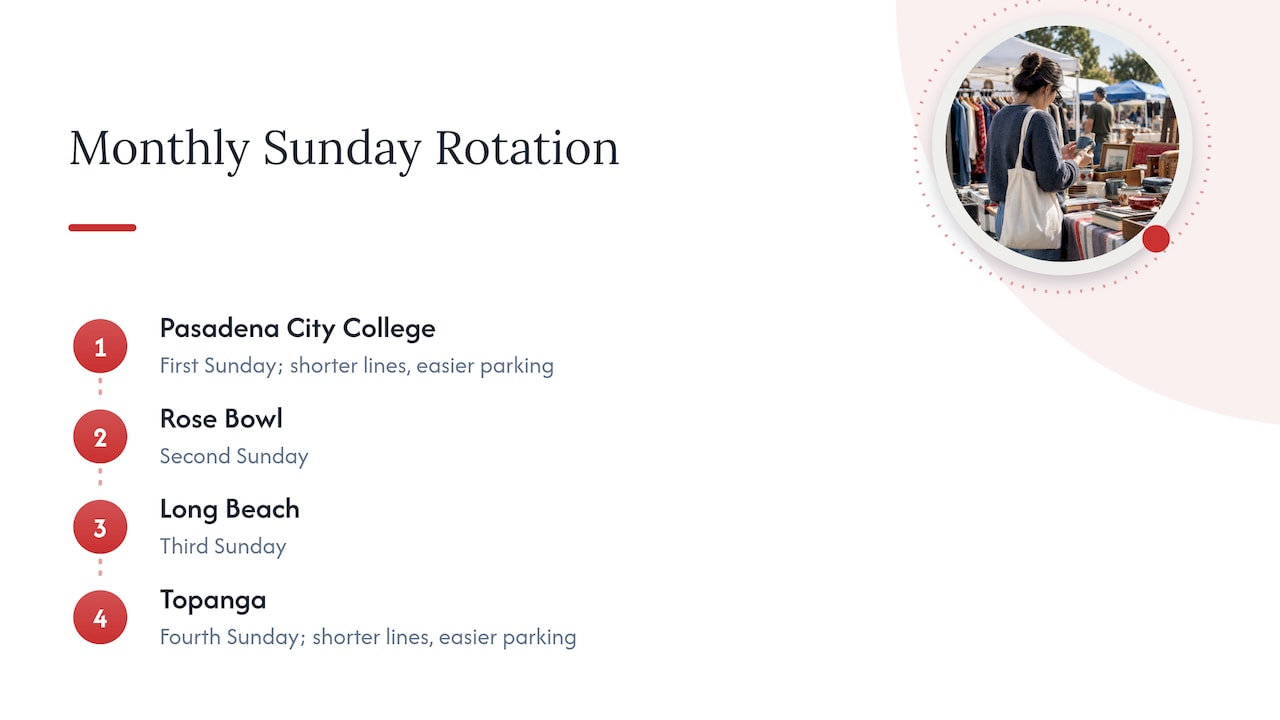
    Locals plan around a rhythm. In her LA Times Sunday itinerary, musician Jenny Lewis lays it out: the first Sunday is Pasadena City College, the second is the Rose Bowl, the third is Long Beach and the fourth is Topanga. She prefers the smaller first and fourth Sunday markets, and I get why: shorter lines, easier parking, more chatting with sellers.

    Four Sunday flea market rotation across Los Angeles

    If you live here, that’s a built-in monthly ritual. If you’re visiting, match your trip to the Sunday that suits your style: huge and overwhelming (Rose Bowl) or smaller and slower (the others). Check each market’s official listing before you go, because rotating-schedule markets can shift.

    If your weekend runs longer, pair a market with one of our offbeat picks or build a bigger plan from our weekend getaways from Los Angeles.

    How to shop like a regular

    Bring the basics. A local guide’s list says to pack water, cash, sun protection, comfortable shoes and snacks. I’d add a tote bag and small bills. Some vendors take cards or apps, many don’t, and some gates are cash only, like Melrose.

    Haggle gently. Fair negotiation is part of the culture, but L.A. Taco’s advice is to be patient and respectful. Ask “is this your best price?” once, smile, and be ready to walk away kindly. Don’t lowball a handmade item that took hours.

    Build rapport. Frequent visitors often get first look at the best pieces, like vintage textiles or mid-century finds that sellers set aside for people they recognize. Say hello, come back, remember names.

    Hold your expectations loosely. Jenny Lewis describes flea marketing as going with an open heart and generous spirit, and I think that’s the secret. Go without a rigid shopping list and you’ll leave with something better.

    Take a first lap. Walk the whole market before buying anything unless it’s a rare find. Prices and quality vary row by row.

    Check the item. Look at stitching, joints and electrical cords on vintage goods, and test anything you plug in if the seller allows.

    Getting there and parking

    LA is a driving city, and flea markets are no exception. Rose Bowl and San Fernando have on-site parking, while Melrose has limited on-campus parking and fills early. Arrive early, carpool, or use a rideshare so you’re not circling blocks with a trunk full of lamps.

    If you’re coming in from the airport, traveling with a group, or hauling bigger finds, booking a private chauffeur service in Los Angeles can save you the parking hunt. Otherwise, plan for a long walk back to the car and keep a blanket in the trunk to protect fragile pieces.

    Our take: why LA fleas are worth the early alarm

    We cover Southern California for people who’d rather find a place with a story than another tourist trap, and flea markets are about as close to that as it gets. A good market is a small economy of neighbors: someone’s grandmother’s glassware next to a young designer’s screen prints next to a taco stand with a line around the corner.

    Our advice, after years of poking around SoCal: pick one market a month and go back. You’ll notice the regulars, learn which row has the best records, and start spotting the seller who always has the one thing you didn’t know you wanted. Skip the idea of a perfect itinerary. Go hungry, go early, bring cash, and let the day wander.

    We also like that local markets keep small creators afloat. Organizers describing thriving pop-up markets point to connection between vendors and visitors as the reason they last. That’s the best reason to buy directly from the person who made it.

    — Joshua

    Run a market or a local business? Get seen by SoCal explorers

    If you organize a market, pop-up or event, or run a shop or food spot that flea market crowds would love, you can reach the locals and visitors who read SoCal Sights. See the options on our Advertise With SoCal Sights page. We don’t publish a price there, so reach out through the page to learn what fits.

    FAQ

    What is the biggest flea market in Los Angeles?

    The Rose Bowl Flea Market in Pasadena is the largest, with more than 2,500 vendors on the second Sunday of every month. It draws roughly 20,000 shoppers, so go early and bring a map.

    Which LA flea market is open every Sunday?

    The Melrose Trading Post at Fairfax High School runs every Sunday from 9 a.m. to 5 p.m., with $6 admission at the gate. Smorgasburg at ROW DTLA is also open every Sunday from 10 a.m. to 4 p.m., with free entry.

    Where can I find swap meets in Los Angeles?

    The San Fernando Swap Meet is a major one, open Tuesday, Thursday, Friday, Saturday and Sunday on 16 acres. Many other neighborhoods have swap meets, and each sets its own hours, so check the official site first.

    Do LA flea markets take cards?

    Some vendors do and many don’t, and some entrances are cash only, like Melrose. Bring small bills and use a nearby ATM before you arrive rather than inside the market.

    Can I bargain at flea markets?

    Yes, politely. Ask once for a better price, be respectful, and accept a no gracefully. Bargaining is more welcome on secondhand and bulk goods than on handmade pieces.

    Sources

  • Food Halls in Orange County: Where to Eat, Park and Go

    Food Halls in Orange County: Where to Eat, Park and Go

    Orange County has a food hall for almost every mood: a restored 1919 citrus warehouse in Anaheim, a giant Mexican market-meets-food-hall in Costa Mesa, a tidy modern hall in Irvine and a community favorite in Stanton. I’ll walk you through the ones worth the drive, what makes each different, and how to avoid the weekend crowds. I’ll also flag the new halls coming to San Clemente and Anaheim.

    Socalsights
    Find More Local Food Favorites
    Explore Southern California food spots and local favorites through SoCal Sights’ curated recommendations for authentic regional experiences.

    TL;DR

    • Anaheim Packing District is the classic first stop and was voted best food hall in the Orange County Register’s 2025 reader poll.
    • Mercado González in Costa Mesa is the big one: part grocery, part food hall, and very busy on weekends. Go on a weekday if you can.
    • Trade (Irvine) and Rodeo 39 (Stanton) are easier, more relaxed options for a casual lunch or a group with different cravings.
    • New halls are coming: Miramar Food Hall in San Clemente (slated for mid-2026) and Katella Commons in Anaheim (early 2027). Check their sites before you go.

    Table of Contents

    What a food hall is (and how it differs from a food court or market)

    People search for food halls, food markets and food courts as if they were the same thing. They overlap, but they aren’t identical.

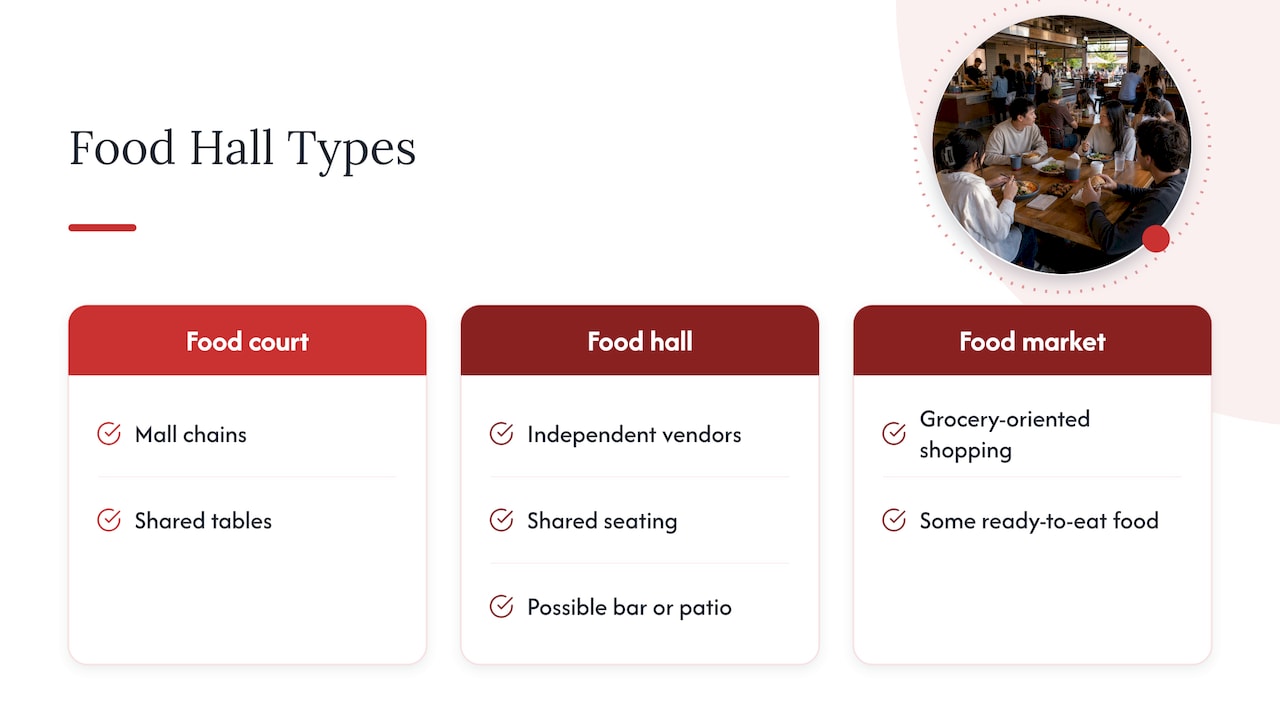
    A food court is the mall version: chains, trays, shared tables. A food hall gathers independent vendors under one roof, usually with a shared seating area, a bar or two, and often live music or a patio. A food market leans toward shopping: you may buy groceries, produce or tortillas to take home, and eat a few bites while you’re at it. Mercado González is the best OC example of a hall that’s also a market.

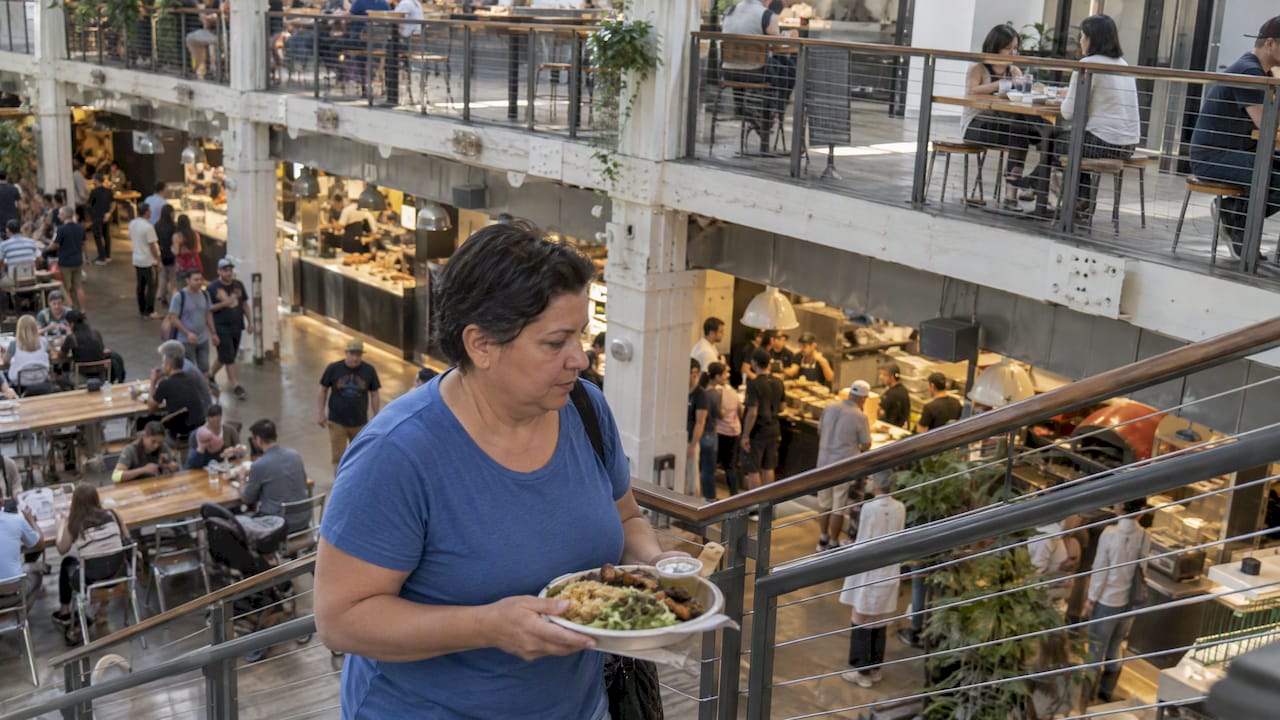
    Food court, food hall and market compared

    The appeal is simple. Culture OC calls food halls a practical answer to “What’s for dinner?” for groups with different tastes, and I agree. One person wants ramen, another wants tacos, someone else wants a salad. Everyone gets what they want and you still sit together.

    Anaheim Packing District: where OC’s food hall scene started

    If you only go to one, start here. The district’s anchor, the Anaheim Packing House, is a former Sunkist citrus-packing facility built in 1919. Visit California describes it as a multistory food hall with live music and event spaces, and 26 purveyors serving everything from vegan comfort food to Syrian cuisine and seafood.

    The district is bigger than the one building. The Register’s research notes it features over 30 artisans across four historic buildings preserved through adaptive reuse, including the Packard Building and Farmers Park. That makes it easy to graze, wander, and then settle in for dessert or a drink.

    My tips for Anaheim:

    • Start at the Packing House, then walk the rest of the district rather than driving between buildings.
    • Save room for dessert. Crepes and homemade ice cream are both on the list at the Packing House.
    • Evening is the vibe: you’ll find a glass of wine in a restored 1920s railroad boxcar inside the building, according to Visit California.
    • Combining this with a Disneyland-area day? Here are some family activities in Anaheim for all ages to pair with dinner.

    Mercado González in Costa Mesa: the showstopper

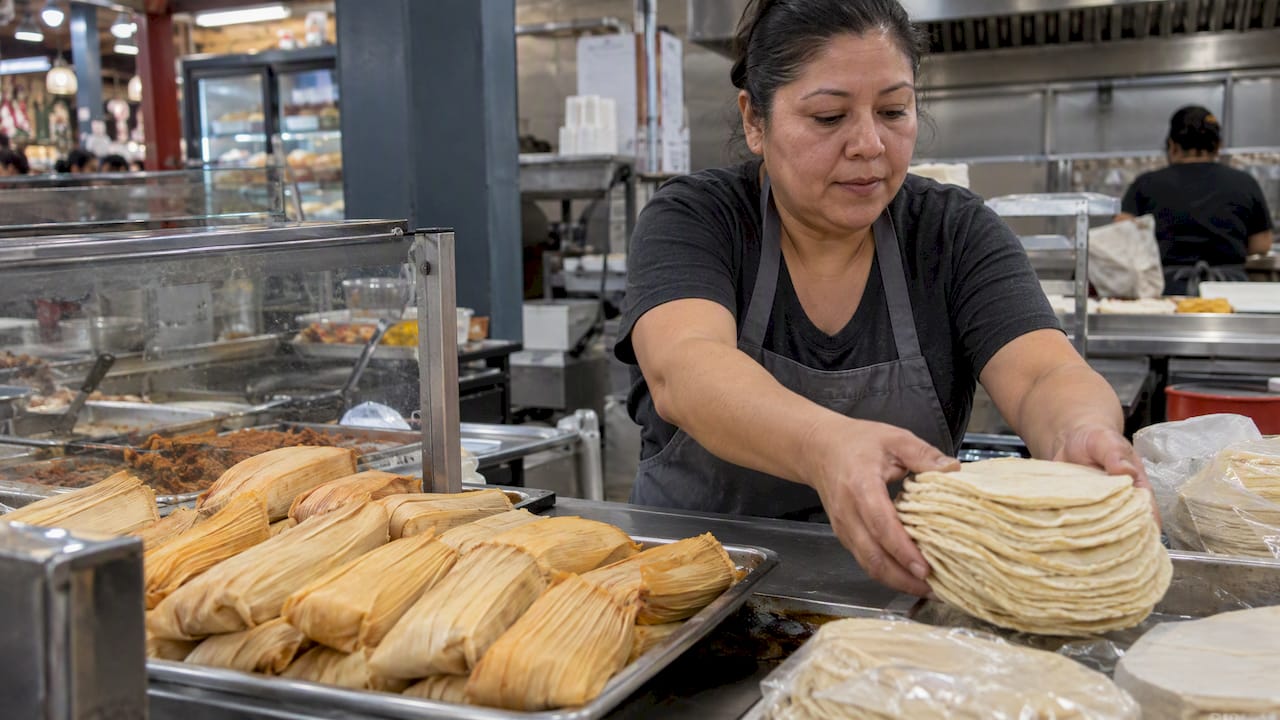
    Mercado González opened in November 2023 and, according to the LA Times, is a 70,000-square-foot Mexican-focused food hall and grocery store. It pairs regional stalls with a fine-dining restaurant, Maizano, and draws inspiration from markets in Mexico City and Oaxaca. The address is 2300 Harbor Blvd., Costa Mesa, per this local roundup.

    You can shop for freshly made tortillas, tamales, ceviche and tacos, pick up meat at the carnicería, then grab churros, ice cream or aguas frescas on the way out. And yes, the candy aisle is worth a detour.

    Fresh tortillas and tamales at Mercado González

    Plan around the crowds

    This place is popular, and honest reviews say so. The LA Times critic described weekend parking as a “circus” and seating as “cutthroat,” and suggested valet can be a practical investment rather than a luxury. LAist found it still near capacity on weekends months after opening, and noted that it gets many things right, including variety and family-friendly options, but at a price.

    What I’d do:

    1. Go on a weekday, or early on a weekend.
    2. Look at the hall’s website before you leave. Culture OC notes its menus and vendor lists are more detailed than many other OC food hall sites.
    3. Send one person to claim a table while the others order.
    4. Come hungry, and bring a cooler if you plan to shop the grocery side.

    Trade in Irvine: the easy lunch

    Trade Food Hall sits at 2222 Michelson Drive in Irvine. A local roundup lists it with nine vendors and airy, open seating, with onigiri at ricebunn and a solid beer list at Center Hub. It’s a good pick for a business lunch, a quick meal near the office parks, or when you want variety without the Mercado intensity.

    The same roundup also lists The OC Mix at 3313 Hyland Ave. in Costa Mesa, which mixes food with shopping and has both indoor and outdoor seating. Vendor lineups change, so check each hall’s current listings before you plan a menu in your head.

    Rodeo 39 Public Market in Stanton: community first

    Rodeo 39 is the hall I recommend when you want to taste something you won’t find in a mall. It marked its one-year anniversary in 2021 with a daylong celebration, and the Daily Pilot reports that experts credit halls like this with bringing different cultures and demographics together, and giving new brands exposure, with concepts such as Laotian barbecue and regional Mexican food. It’s smaller and a little off the beaten path, which is exactly why it’s fun.

    Quick comparison

    Hall City Best for Vibe
    Anaheim Packing House Anaheim First-timers, date nights, drinks Historic, lively, live music
    Mercado González Costa Mesa Big groups, grocery shopping, Mexican food Huge, loud, very busy on weekends
    Trade Irvine Weekday lunch, casual meetups Modern, open, calm
    Rodeo 39 Public Market Stanton Lesser-known flavors, community feel Local and relaxed

    New and upcoming OC food halls

    The scene keeps growing. Here’s what’s on my radar, based on the latest reporting:

    • Miramar Food Hall, San Clemente. Culture OC reported in April 2026 that it would open in May or early June with 15 eateries and two bars. It should be open by now, but confirm hours and the current vendor list before you drive down.
    • Katella Commons at OCVIBE, Anaheim. A 50,000-square-foot hall with 21 kitchens and six bars, scheduled for early 2027. The Register covered the naming and new bar concepts, and Burritos La Palma has announced it will join the lineup at 2610 E Katella Ave.

    Operators like Nick Pacific at Katella Commons describe the goal as a “culinary ecosystem” where the hall handles permitting and design so chefs can focus on cooking. That’s good news for diners: it’s how smaller, newer names get a shot.

    Perspective: how we’d eat our way through OC

    At SoCal Sights, we spend our time looking for places that locals love and big guides skip. Food halls are a natural fit, because they’re basically a curated sampler of independent cooks in one spot.

    Here’s how we’d approach it. Treat the famous halls as a starting point, not the finish line. Go to the Packing House for the history and the energy, go to Mercado for the scale, then use the smaller halls to find the stall you’ll tell friends about. The best thing you’ll eat is often at the counter with the shortest line and a family name on the sign.

    If you want a similar approach north of the county line, we’ve picked six Los Angeles food halls that launch chefs. And if you’re after something that isn’t a meal, try our offbeat things to do in Orange County or the list of Orange County hidden gems you can visit for under $20.

    — Joshua

    How to get the most out of any food hall

    • Eat in rounds. Order one dish from two or three stalls, share, then go back for more if you’re still hungry. It’s cheaper than ordering a full meal everywhere.
    • Split up. One person holds the table, the others order. Say what you want before you scatter.
    • Look at the map. Halls often have an information desk or interactive map. Use it instead of wandering in circles.
    • Time it. Weekday lunch and early dinner beat Saturday at 7 p.m. every time.
    • Bring a plan B. If the parking lot looks like a scene, try another hall nearby instead of circling for 30 minutes.
    • Check before you go. Vendors open, close and rotate. Check hours and the current list on the hall’s own site.

    Own a local food business or run an event?

    If you run a restaurant, a pop-up or an event in Southern California, our readers are exactly the people looking for you. You can get in front of them through Advertise With SoCal Sights, where we feature local businesses and event organizers. Tell us what makes your spot special and we’ll take it from there. Locals and visitors looking for fun things to do near them are already on the site.

    FAQ

    What is the best food hall in Orange County?

    For a first visit, Anaheim Packing House is hard to beat. It was voted best food hall in the Orange County Register’s 2025 readers’ poll, and the surrounding district makes it easy to make a whole evening of it. If you want the biggest, most dramatic experience, Mercado González in Costa Mesa is the one.

    Are Orange County food halls crowded on weekends?

    The popular ones can be. Reporters have described weekend parking and seating at Mercado González as a scramble, and LAist found it near capacity on weekends. A weekday visit or an early arrival makes a big difference.

    What’s the difference between a food hall and a food court?

    A food court is usually a cluster of chain restaurants in a mall. A food hall brings together independent vendors and local chefs, often with bars, patios and live music. Food markets add a grocery or shopping element, like the one at Mercado González.

    Are there new food halls opening in Orange County?

    Yes. Miramar Food Hall in San Clemente was slated to open in mid-2026 with 15 eateries and two bars, and Katella Commons at OCVIBE in Anaheim is scheduled for early 2027 with 21 kitchens and six bars. Opening dates move, so check each hall’s website.

    Sources

  • Food Trucks in San Diego: Where to Eat and What to Know

    Food Trucks in San Diego: Where to Eat and What to Know

    The best way to eat San Diego’s food trucks is to treat them in two groups: the trucks that stay parked in one spot all week, and the weekend markets where dozens of vendors set up together. Shawarma Guys in South Park is the best-known example of the first. Lane Field Park Market downtown is the best-known example of the second. Learn how those two work and you can eat well almost anywhere in town.

    I’m a big fan of this style of eating. You get real flavors, no white tablecloth, and usually a lower bill. Here’s how I’d plan a food truck day, plus a few things nobody tells you until you’ve driven across town for a closed window.

    Socalsights
    Find More Local Food Favorites
    Explore SoCal Sights for curated Southern California food spots and local recommendations that help you find authentic places to eat.

    Explore local food spots

    TL;DR

    • Many famous San Diego trucks are semi-permanent. They sit at one private lot most days, so check their hours before you go.
    • For many vendors in one place, head to the weekend street food market at Lane Field Park downtown, not to a single truck.
    • South Park’s Shawarma Guys truck is a classic first stop, and it has since grown into a small group of locations.
    • Trucks are a budget-friendly way to eat well, especially if you pair them with free beach and park time.
    • Always check Instagram or the truck’s own site the same day. Schedules, menus and spots change.

    Table of Contents

    How food trucks work in San Diego

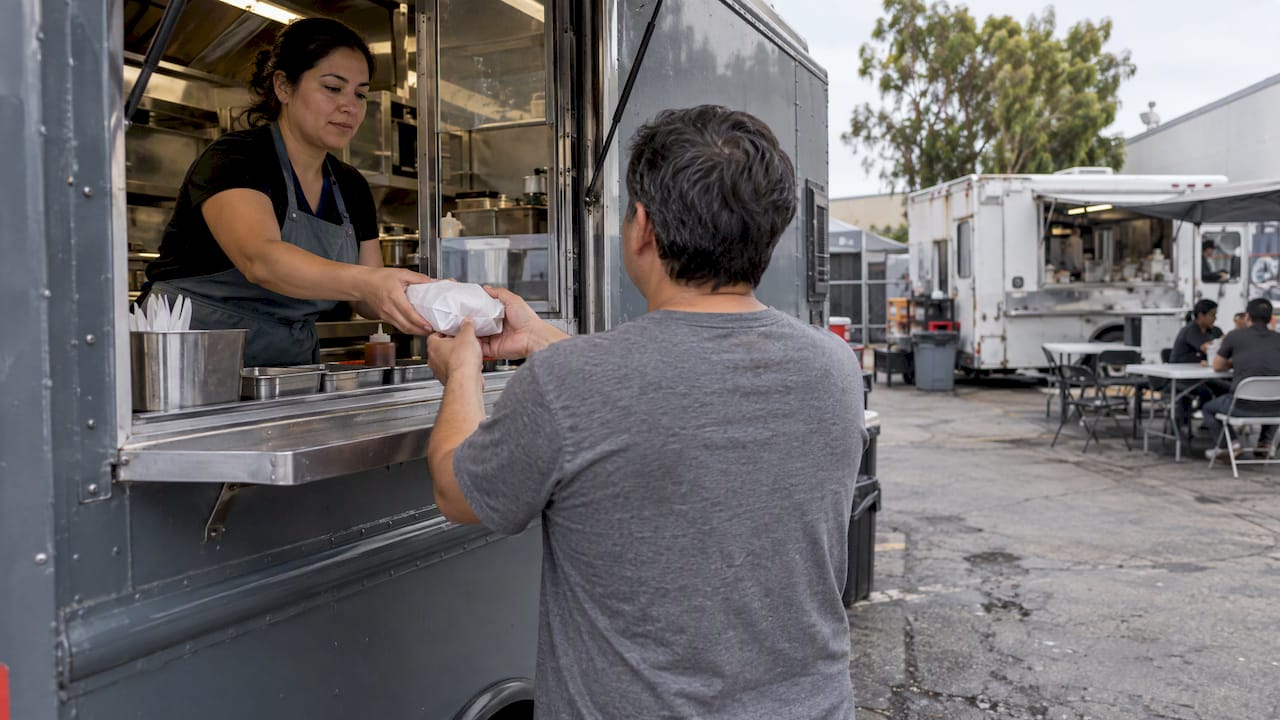
    In a lot of cities, a food truck means a vehicle that roams from corner to corner. San Diego has some of that, but many of the trucks locals love are closer to a tiny restaurant on wheels. They park at the same private lot day after day and build a following there.

    There’s a practical reason. The City of San Diego requires a permit for mobile food trucks on private property, and its information bulletin on the process lays out the approvals, locations and operating rules. Operators also need a Public Health Permit from the County of San Diego and a Business Tax Certificate from the City Treasurer, according to the city’s permit page. Once an owner has gone through all that for a spot, there’s every reason to stay put.

    The city’s fee schedule on that same page listed a General Plan Maintenance Fee of $737.00 and a Plan Check Fee of $706.27 for private property operations, based on 2025 data. Fees change, so treat those as a snapshot. The point is that a good truck is a real small business with real startup costs, so a few dollars for a great plate is worth it.

    What that means for you:

    • Don’t assume a truck moves. Look up its address first.
    • Don’t assume the posted hours are gospel. Check social media the day you go.
    • Do expect cult favorites to have lines at lunch and dinner. Arrive a little early or a little late.

    Start here: the trucks and spots worth a trip

    Shawarma Guys in South Park

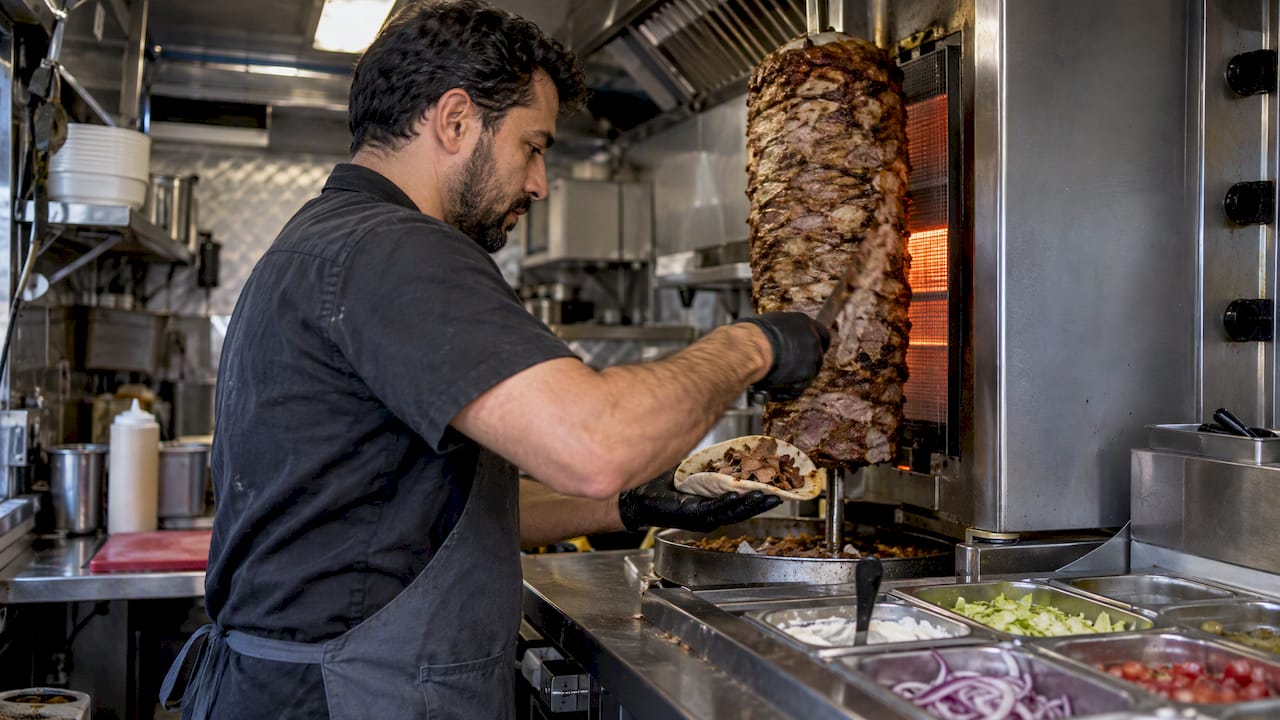
    If you only try one San Diego truck, this is the one I’d point you to. The South Park truck is at 3012 Grape Street and, per the Shawarma Guys site, it’s open daily from 11 a.m. to 9 p.m. The specialty is Australian Wagyu beef shawarma. The business says it was ranked No. 1 on Yelp’s 2020 list of the Top 100 Places to Eat in the U.S. and No. 25 in 2025.

    The story behind it is a good one too. San Diego Magazine tells how owner Bryan Zeto, who comes from an Iraqi Chaldean family in the Detroit area, grew up eating shawarma, which is meat slow-roasted on a vertical rotisserie, shaved thin and served in flatbread. That kind of family recipe is exactly why I like eating from trucks.

    Cook shaving Wagyu shawarma beside a vertical rotisserie

    Order tip: go at an off-peak hour if you can, and eat nearby. South Park is a great walking neighborhood, so grab your food and wander.

    When your favorite truck becomes a shop

    The popular ones tend to grow. Shawarma Guys started with one truck in South Park, then opened a brick-and-mortar spot, and San Diego Magazine reported a Mira Mesa location opening in August 2024. The company’s own site now lists three San Diego locations, including La Mesa at 5525 Jackson Drive #B, open 11 a.m. to 9 p.m. daily.

    So if a friend raves about a truck, check whether you’re heading to the truck or the shop. The menu and the vibe can differ a little, and the address will definitely be different.

    Taco Love and the catering side

    San Diego Magazine’s list of must-try food trucks includes Taco Love Mobile Catering, among other trucks, stands and caterers. A lot of trucks do double duty: a regular spot some days and private events on others. If a truck isn’t where you expected, there’s a decent chance it’s at a wedding or a brewery event.

    Street food in one place: Lane Field Park Market

    People often ask me if San Diego has a food truck park. Not in the permanent, year-round sense. What it does have is better for a first-timer: a recurring weekend street food market where you can sample a lot in one afternoon.

    Visitors sampling food at Lane Field Park market

    Lane Field Park Market is at 1009 N Harbor Dr in downtown San Diego. KPBS lists it with 25+ vendors, live music, ocean views and free admission, running Saturdays and Sundays from 10 a.m. to 4 p.m. Be aware that the KPBS listing I checked showed a run ending December 14, 2025, so confirm the current season and dates with the organizers before you plan around it.

    Why I like it for visitors:

    • Variety. Share a few plates with friends instead of committing to one cuisine.
    • Easy logistics. It’s downtown, so you can pair it with a harbor walk.
    • Atmosphere. It feels like a hangout, with music and lawn space, more than a quick lunch stop.

    KPBS also frames events like this and Makers Arcade as community hubs, with artisans, music and family-friendly activities alongside the food. If you’re coming with kids, that makes it a smoother outing than a single truck lot with nowhere to sit.

    Looking for more events like this? Our Southern California festival guide covers bigger gatherings across the region, and December Nights is worth knowing about. The City of San Diego’s announcement says it’s in its 48th year at Balboa Park, with hundreds of food and retail offerings. That’s the 2025 edition, so check dates for this year.

    Why food trucks are the budget move

    San Diego isn’t a cheap city. Trucks are one of the easiest ways to eat well without the markup of a sit-down place. A Trolley Tours budget guide points visitors to places like Balboa Park, where food trucks, buskers and free concerts all share the same area, as a way to stretch a trip.

    That’s how I’d build a low-cost day:

    1. Start with a free morning, like a beach or a park walk. Our free things to do in San Diego guide has ideas.
    2. Eat lunch from a truck, ideally before 11:30 a.m. or after 1:30 p.m. to skip the line.
    3. Spend the afternoon somewhere scenic and free.
    4. Do a second food stop at dinner, since truck plates are small enough to split into two meals.

    Prices vary by truck and change often, so I won’t quote menu numbers I can’t verify. Look at the menu on Instagram or the truck’s website before you commit.

    How to plan your food truck day

    Pick a neighborhood, not a list

    The most common mistake is making a list of five trucks across five neighborhoods. San Diego is spread out, and you’ll spend the day in traffic. Choose one area and see what’s around it.

    • South Park: a walkable neighborhood where Shawarma Guys started. Combine it with coffee and a stroll.
    • Downtown: weekend market at Lane Field Park, then the waterfront.
    • Inland spots like La Mesa or Mira Mesa: you’ll want a car, and these suit locals or people already staying nearby.

    If you want the whole picture of a coastal weekend, our San Diego weekend itinerary shows where food fits in with the views.

    Check before you go

    This sounds obvious, but it saves a lot of disappointment:

    1. Search the truck’s name and look at its latest Instagram post.
    2. Confirm the address and today’s hours.
    3. Look for a sold-out or closed note. Popular trucks can run out.
    4. Bring a card and a little cash, just in case a vendor has a card reader problem.
    5. Plan where you’ll eat. Some lots have a few seats, others have none.

    Go with the right crowd

    A truck lot is great for casual groups, solo travelers and families who don’t mind eating standing up. If you’re planning a date, a market with seating or a sunset spot makes it feel more special. Our romantic date ideas in San Diego has a few pairings that work well with takeout.

    Traveling with kids? The San Diego family activities guide is useful for timing meals around the lunch rush.

    Our take on San Diego’s truck scene

    We spend our time hunting for the places that don’t always show up in the big travel guides, and the truck scene is full of them. A few things we’ve come to believe:

    Fusion is the local flavor. San Diego Magazine’s story on Shawarma Guys captures it: owners who come from other careers, cook what they grew up eating, and squeeze a whole kitchen into a tiny workspace. That mix of heritage and ingenuity is what makes the best trucks taste different from restaurant food.

    Don’t chase the “best” list. Rankings are fun, but the right truck is the one near where you are, open when you’re hungry. Use lists as a starting point, then ask a local.

    Locals know the lots. The spots people recommend in conversation often aren’t on any list. That’s why we built SoCal Sights around community tips, so locals can share the places they actually go.

    Respect the grind. A truck is a small business with permits, fees and long days. Tip, be patient in a line, and come back.

    — Joshua

    Are you a local business or event organizer?

    If you run a truck, a market or a food business in Southern California, you can reach the people reading guides like this one. Advertise with SoCal Sights to learn about our memberships and featured placements. Pricing isn’t published on the page, so reach out through the form there.

    Beyond food: make it a full San Diego day

    Once you’re fed, there’s plenty to do nearby:

    FAQ

    What are the top food trucks in San Diego?

    Shawarma Guys in South Park is one of the most recognized, known for its Australian Wagyu beef shawarma and Yelp rankings. San Diego Magazine’s list of must-try trucks is a good place to find others, such as Taco Love Mobile Catering. The “best” depends on your neighborhood and your cravings.

    Is there a food truck park in San Diego?

    Not a permanent, year-round one in the traditional sense. The closest experience is Lane Field Park Market downtown, which KPBS lists as a Saturday and Sunday event from 10 a.m. to 4 p.m. with 25+ vendors. Confirm the current season before you go.

    Do San Diego food trucks stay in one place?

    Many do. Popular trucks often operate from a regular private lot, which requires a city permit. Some also cater events, so check the truck’s social media for today’s location and hours.

    Are food trucks cheaper than restaurants in San Diego?

    Often, yes. Visitor guides like this budget guide highlight trucks as a way to eat well without sit-down prices. Prices differ truck to truck, so check the menu first.

    Sources

  • Santa Clarita Things to Do: Locals’ Picks Beyond Six Flags

    Santa Clarita Things to Do: Locals’ Picks Beyond Six Flags

    Santa Clarita is about 40 miles northwest of downtown Los Angeles, and most people know it for one thing: roller coasters. I think that’s selling it short. The valley has Old West movie history, oak-shaded canyons, a huge trail network and a historic Main Street. You can spend a full weekend here and never wait in a theme park line.

    This is how I’d plan a visit, whether you live ten minutes away or you’re driving up from San Diego.

    Socalsights
    Find More Local Gems in Southern California
    Explore curated ideas for activities, food spots, and unique itineraries that help you discover more of Southern California beyond the usual stops.

    Explore local recommendations

    TL;DR

    • Start with the outdoors. Vasquez Rocks and Placerita Canyon are the two stops I’d never skip.
    • Go on a weekday morning if you can. The crowds thin out and the heat hasn’t kicked in.
    • Old Town Newhall is the easiest place to get a feel for the valley’s Western and film history.
    • Six Flags Magic Mountain is technically just outside the city limits, so don’t be surprised if your map app treats it as its own place.
    • Plan two to three days and you can cover the highlights without rushing.

    Table of Contents

    Start with the rocks: Vasquez Rocks

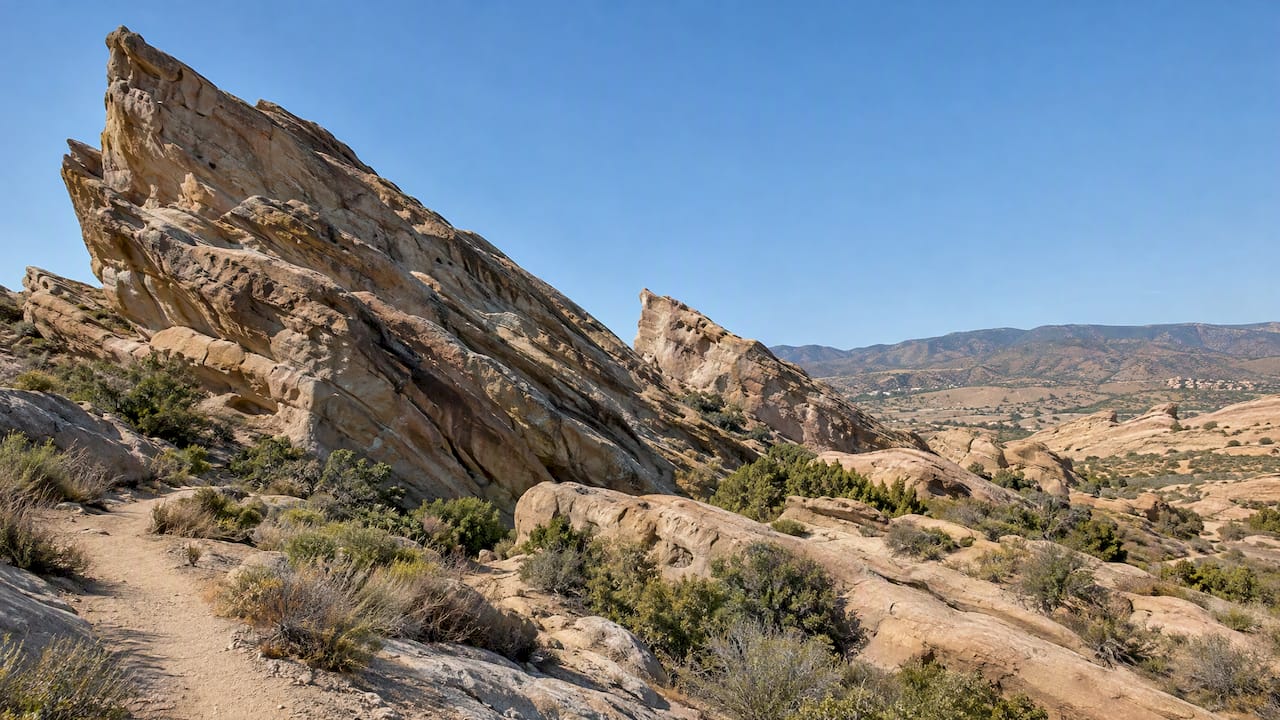
    If you only have a morning, spend it at Vasquez Rocks. The county describes the 932-acre natural area as sandstone formations tilted up at dramatic angles, with a seasonal stream, out in the high desert near Agua Dulce. You’ve probably seen it on screen even if you don’t know it. It’s a favorite filming location.

    There’s more to it than the movie connection. According to the same county page, the site’s history goes back to around 2,300 B.C.E., and in the 19th century it was a hideout for the outlaw Tiburcio Vasquez. That’s the reason it carries his name.

    My tips:

    • Stop at the Nature Center first. It gives the place context, and the trails make more sense afterward.
    • Go on a weekday morning. You’ll have the shallow caves and crevices mostly to yourself before the afternoon heat and the weekend tour groups arrive.
    • Bring more water than you think you need. This is high desert, and shade is scarce.
    • Wear real shoes. The rock is grippy but uneven, and flip-flops are a bad idea.

    If you love this kind of landscape, our guide to the best hikes in Los Angeles sorts trails by the kind of day you want, from easy to leg-burning.

    Placerita Canyon: oak shade and a little gold rush history

    Placerita Canyon Natural Area is my pick for a calmer outing. It sits on the north side of the San Gabriel Mountains, and the park describes oak woodland, chaparral and streamside plant communities, plus self-guiding nature, history and hiking trails. Longer hikes lead to a seasonal waterfall and to the top of the Santa Clarita Divide. You’ll also find the Walker Cabin, built by Frank Walker in 1920, and picnic spots near the Nature Center.

    One practical note. The park posted updated hours that included being closed on Mondays and open Tuesday through Sunday, 8:00 AM to 7:30 PM. Hours can change, so check the Placerita website before you drive out.

    The canyon is also a good place to learn about the people who were here first. Placerita’s own Indigenous cultures and history document covers the area’s cultural history and the Tataviam and earlier inhabitants. It’s worth a read before a hike, and it changes how the oaks look.

    Walk Old Town Newhall

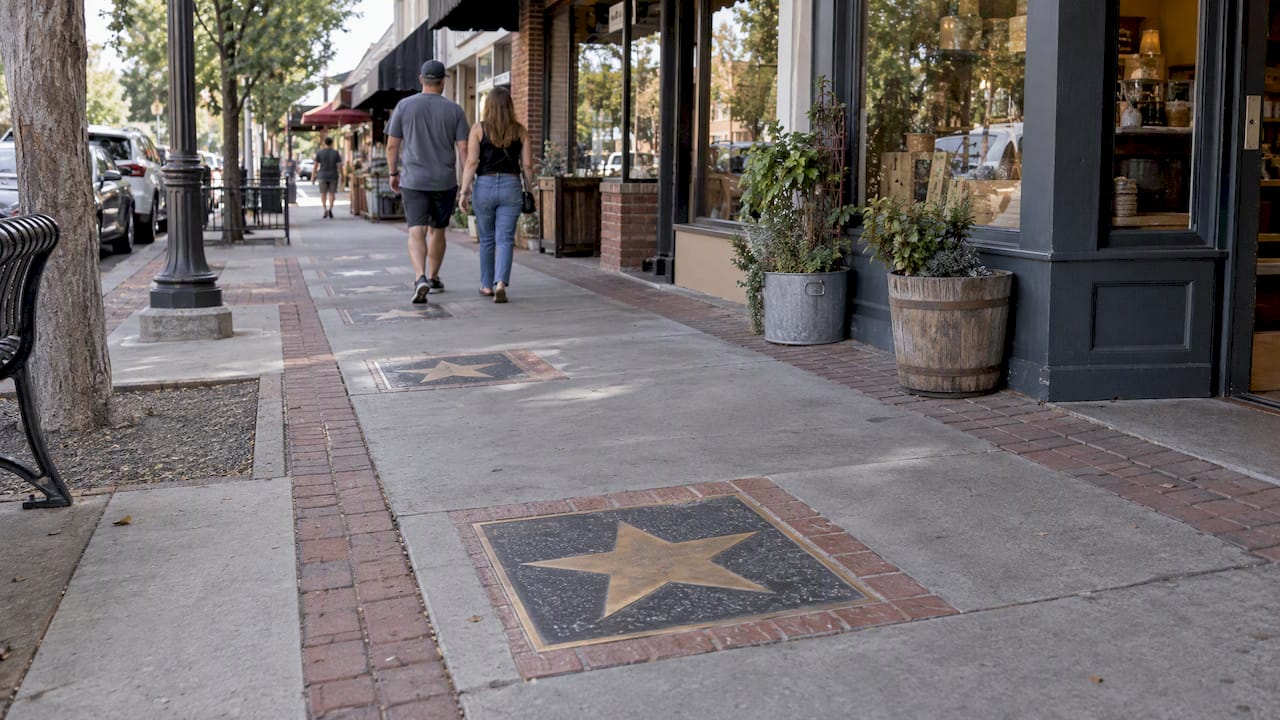
    Main Street in Old Town Newhall is where Santa Clarita’s Western side lives. You can stroll the Walk of Western Stars, wander the shops, and grab lunch without moving your car. Nearby, William S. Hart Park pairs hillside views with early Hollywood Western history.

    Western Stars plaques along Old Town sidewalk

    If you want the full backstory first, the city’s history page covers outlaws, gold rushes, oil booms and busts, a catastrophic flood and the valley’s role in early filmmaking. It’s a good ten-minute read and it makes a walk down Main Street much more fun.

    A simple half-day plan:

    1. Park near Main Street and walk the Walk of Western Stars.
    2. Browse the shops and have a long lunch.
    3. Head up to William S. Hart Park for the views and the history.
    4. Finish with an early dinner in Old Town before the drive home.

    Trails, bike paths and open space

    This is the part that surprises first-time visitors. The Los Angeles Times travel guide to Santa Clarita says the area holds more than 80 miles of public hiking trails, tied together by a 30-mile system of biking paths, walkways and bridges. That’s a lot of ground for a suburban city.

    The paved paths are great if you want an easy day. You can walk, jog or bike without a car for long stretches, and they work for strollers and casual riders. Unpaved trails around the canyon edges are better when you want views and a workout.

    Some ways to match a trail to your day:

    What you want Where I’d start
    Dramatic scenery and photos Vasquez Rocks
    Shade and a quiet walk Placerita Canyon
    Easy, flat, family-friendly miles The paved path network
    History with your exercise Trails near William S. Hart Park

    The city’s Recreation and Community Services page lists the facilities it runs, including the Aquatic Center, Santa Clarita Sports Complex, Tesoro Adobe Historic Park, The Centre and The Cube. It also lists programs like archery, disc golf, tennis and pickleball. Check it when you need something to do on a day that’s too hot to hike.

    Things to do with kids

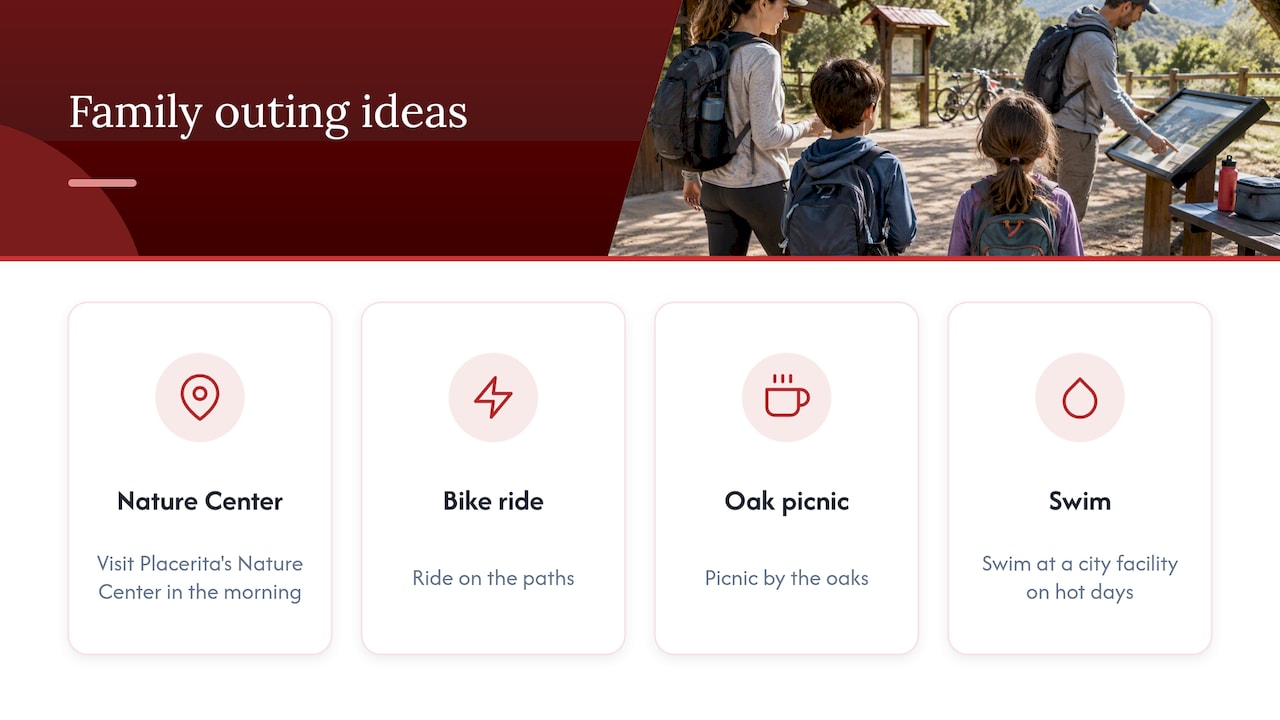
    Santa Clarita is a family-friendly place, and you don’t have to build your whole trip around a theme park. A morning at Placerita’s Nature Center, a bike ride on the paths, and a picnic by the oaks will keep most kids busy. Add a swim at a city facility on a hot day.

    Four family outing ideas in Santa Clarita

    When the weather turns or you need a rainy-day option, an indoor activity is the easy fix. This family-friendly activities checklist is handy for planning outings that work across different ages, and it’s a good prompt for mixing active, creative and indoor time. If you need more ideas nearby, our roundup of fun family activities near me has ten local picks.

    What about Six Flags Magic Mountain?

    Yes, it’s here, and yes, it’s the biggest draw. The city’s history page notes that the park is technically just outside the city limits, though it remains a major engine for local tourism and jobs. If coasters are the reason you’re coming, go for it.

    My honest advice is to treat it as one day of the trip, not the whole trip. Pair it with a quiet morning at Placerita or a Main Street dinner and the visit feels balanced. Check the park’s own website for tickets and hours, since those change by season.

    A sample weekend in Santa Clarita

    Here’s a plan I’d actually follow if a friend asked.

    Saturday

    • Morning: Vasquez Rocks, starting at the Nature Center. Go early, bring water.
    • Midday: Lunch in the Agua Dulce area, then head back toward the valley.
    • Afternoon: Rest, or ride the paved paths.
    • Evening: Dinner in Old Town Newhall and a stroll down Main Street.

    Sunday

    • Morning: Placerita Canyon for an easy hike and the Walker Cabin.
    • Midday: William S. Hart Park for the views and history.
    • Afternoon: Six Flags if you want coasters, or a city park and a long coffee if you don’t.

    Want to go further? The valley makes a good base. Our Southern California road trip guide covers routes and stops, and if you’d like to keep heading north into the high desert, check out our Lancaster things to do picks.

    When to visit

    Summers are hot, so I save the rocks and canyon hikes for early morning in the warmest months. Cooler seasons are friendlier for longer walks. Whatever the month, weekdays are the quiet days. Weekends bring more visitors to the outdoor spots, so start earlier than you think you need to.

    Our take on Santa Clarita

    We built SoCal Sights because Southern California has too many lists that all say the same things. Santa Clarita is a good example. Search for it and you get the same few headline attractions again and again. The better trip usually sits in the details: the weekday morning at a famous rock formation, the nature center you visit before the trail, the historic street where you linger over lunch.

    Our approach is simple. We look for places locals actually go and hear from them directly, and we favor plans you can realistically pull off in a day or a weekend. For Santa Clarita, that means pairing the one big attraction with the quieter, more layered places around it. If you’ve got a favorite spot we missed, we want to hear about it.

    — Joshua

    Want your business in front of Southern California visitors?

    If you run a restaurant, shop, tour or event in the Santa Clarita Valley or anywhere in SoCal, you can advertise with SoCal Sights and reach the people who are planning exactly these kinds of trips. Take a look at the membership page to see what’s available.

    FAQ

    What is Santa Clarita best known for?

    Most people know it for Six Flags Magic Mountain, which is technically just outside the city limits. Locals tend to point to its Western and film history, its hiking trails and its open space. Vasquez Rocks is the best-known natural landmark.

    How many days do you need in Santa Clarita?

    Two days is enough for the highlights if you plan well. Give yourself three if you want a theme park day, slower hikes and time in Old Town Newhall. Weekdays make everything easier.

    Is Santa Clarita a wealthy area?

    It’s a relatively affluent suburban city. The Census Bureau’s QuickFacts page reports a median household income of $123,062, with about 7.4% of residents below the poverty line.

    Are there free things to do in Santa Clarita?

    Yes. Walking Main Street in Old Town Newhall and hiking the trails cost nothing, and the area has more than 80 miles of public trails. Parking and entry rules vary by location, so check each site before you go.

    Sources

  • San Diego Cherry Blossoms: Check the Garden’s Bloom Before You Go

    San Diego Cherry Blossoms: Check the Garden’s Bloom Before You Go

    A popular spot for cherry blossoms in San Diego is the Japanese Friendship Garden in Balboa Park, which also hosts the city’s Cherry Blossom Festival. The catch is that festival dates are set in advance while peak bloom depends on the weather, so the two may not line up. Check the garden’s bloom updates before you buy tickets or plan your day.


    TL;DR:

    • The 2026 festival ran March 12–14 and March 19–21; local reporting listed admission at $18–$25, while official ticket prices can vary.
    • The garden does not issue refunds when festival displays are sparse, so review its bloom percentage about a week before your visit.
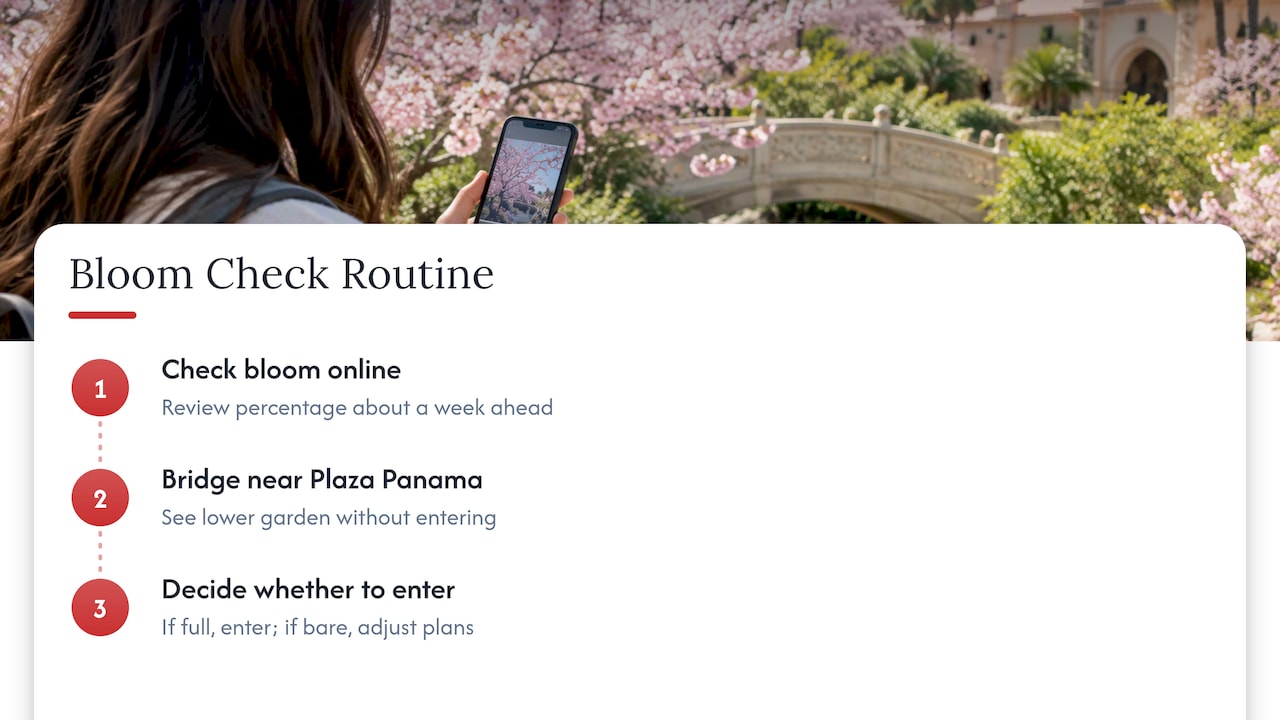
    • The free bridge near Plaza Panama overlooks the lower garden, so check tree coverage there before paying admission or entering the garden.
    • Festival parking fills quickly, and parking is not included with admission; MTS Route 7 or Rapid 215 can help you avoid the hunt.
    • Crowded paths and steep, narrow routes can challenge wheelchair, walker, or stroller access, so call the garden ahead to discuss accommodations and allow extra time.

    Socalsights
    Find More Local Garden Gems
    Explore SoCal Sights for curated Southern California activities, food spots, and itineraries shaped by local knowledge.

    Explore Southern California

    Table of Contents

    1. Where can you see cherry blossoms in San Diego?

    Balboa Park is the heart of local cherry blossom viewing, and the Japanese Friendship Garden is a notable local spot. Here are the spots worth your time, in the order we’d visit them:

    • Japanese Friendship Garden & Museum (JFGM): The cherry grove sits in the lower garden, and that’s where the main display happens. It’s a notable choice because the trees are planted with paths, ponds and Japanese garden design all around them, so every photo has a story behind it.
    • The bridge near Plaza Panama: This elevated spot gives you a free overview of the lower garden without going inside. It’s handy when you want to gauge how full the bloom is before paying for admission.
    • Other Balboa Park viewpoints: Walk the rim of the canyon and you’ll find a few more angles looking down toward the garden. They’re good for wide shots with the park’s Spanish Colonial buildings in the frame.
    • Neighborhood parks and streets: Cherry trees are planted in some local parks and public spaces around the county. Treat these as bonus finds rather than planned destinations, since bloom windows shift from tree to tree.

    For quieter moments, go on a weekday morning or late in the afternoon. Mornings give soft light and thinner crowds at the garden, and the bridge is pleasant almost any time of day.

    2. Cherry Blossom Festival dates, tickets, and what to expect

    The 2026 festival ran across two separate weekends: March 12–14 and March 19–21. That multi-weekend format means you can pick the weekend that suits your schedule, or go twice if you like.

    Here’s what to know before you go:

    • Ticket types: The garden lists pre-sale, standard, day-of and Express Pass tickets, with price ranges shown on the official ticket page. Local reporting on the 2026 festival referenced admission of $18–$25, so buying ahead is usually the smarter move.
    • Programming: Expect performances, a children’s area, food vendors, a beer and sake garden, merchant vendors, community art and seasonal features. It’s a celebration of hanami, the Japanese tradition of enjoying blossoms together.
    • Hours: Public listings described festival days running from 10 AM to 5 PM or 6 PM, with a last admission time before closing. Check the ticket page for the exact schedule on the day you’re going, since hours can change.
    • Official listing: The city also keeps an event page for the Cherry Blossom Festival at the Japanese Friendship Garden, which is useful for double-checking dates.

    If you want to see the garden’s longer-running seasonal art, the garden has hosted community exhibits like the Sakura display across February through April in past years.

    3. When do cherry blossoms peak in San Diego?

    3. When do cherry blossoms peak in San Diego? — overview diagram

    Peak bloom varies from year to year depending on the weather. A warm stretch can pull it earlier, and a cool one can push it back. Once a tree is fully open, its bloom window is short.

    That’s why festival dates and peak bloom don’t always match. The garden is upfront about it: peak bloom is weather-dependent, and refunds aren’t issued if there’s little to no display during the festival. The programming stays lively either way, but if the blossoms are your main reason for going, timing matters.

    The garden posts bloom percentage updates on its website, so you can check how open the trees are before you commit to a date. Source: Japanese Friendship Garden Q&A

    Here’s a simple routine. A week or so before your visit, check the bloom percentage. On the day, stop at the bridge near Plaza Panama first, since the garden notes it’s a useful elevated vantage for seeing the lower garden’s bloom without entering. If the trees look full, head in. If they’re still bare, you can adjust your plans.

    4. Getting there: transit, parking, and crowds

    Balboa Park gets busy during the festival, and parking is the first thing to go. San Diego’s transit agency recommends MTS Route 7 or Rapid 215 because parking in the park is heavily impacted during the event. Parking near the garden isn’t included with festival tickets either, so plan for that cost and the walk.

    1. Check your ticket and the festival hours, and note the last admission time.
    2. Take MTS Route 7 or Rapid 215 if you can, and skip the parking hunt.
    3. Arrive early, or aim for late afternoon before last admission, to dodge the thickest lines.
    4. Build in extra time to move between the garden’s paths, which slow down during peak hours.
    5. Call ahead if you need accessibility accommodations.

    Pro Tip: The garden warns of extreme crowds and limited mobility at peak festival times, so if anyone in your group uses a wheelchair, walker or stroller, call ahead and plan for extra time on the paths.

    5. Visitor tips for families, photographers, and accessibility

    A little prep makes the day smoother, whether you’re chasing photos or wrangling kids.

    • Pack smart: Layered clothing, water, sun protection and a small bag for purchases will cover most of what you need.
    • Photographers: Early morning and late afternoon give the best light. A weekday or early entry helps you avoid crowds in your frame, and the bridge near Plaza Panama is a great spot for an overview shot.
    • Families: Ask about admission for young children before you go, and think about a baby carrier instead of a stroller, since some garden paths are steep and narrow.
    • Mobility: Crowded paths and limited flat routes can be tough. Move slowly, take breaks, and call the garden ahead of time to talk through your options.
    • Pace yourself: The festival has a lot going on. Pick two or three things you want to see and let the rest be a bonus.

    6. Where to eat near the cherry blossoms

    Between the festival food vendors and Balboa Park’s own dining, you can eat well without leaving the area. Inside the garden, the festival has food vendors and a beer and sake garden, so you can graze while you walk. That’s the easiest option if you want to stay in the moment.

    When you’re ready for a proper meal, walk out toward the park’s central spine. The area around the Prado and Plaza de Panama has cafes and sit-down spots, and there’s usually a place to grab coffee and a pastry before heading in. Weekday mornings are calmer, and a late lunch after the lunch rush works well.

    If you’re making a full day of it, think about the order. A light snack before you go in keeps you from rushing, and a sit-down dinner afterward gives you something to look forward to once the crowds thin. Call or check hours ahead, since park restaurants change schedules around big events.

    For a wider list of ideas, our guide to free San Diego picks and Balboa Park tips can help you stretch the budget, and our San Diego weekend itinerary covers coastal views and local flavor if you’re staying longer. We don’t name specific restaurants here because menus and hours shift, so we’d rather point you to what’s current than send you somewhere closed.

    7. How to build a fuller itinerary around your visit

    The cherry blossoms take a morning or an afternoon, not a whole day, so pair them with something else. Balboa Park itself is the obvious partner. Once you’ve seen the garden, wander the park’s other gardens, plazas and museum buildings, and you’ve got a full day without driving anywhere.

    A simple plan looks like this: take transit in, see the garden early when it’s calm, grab lunch near the Prado, and spend the afternoon on a museum or a stroll. If the weather turns, the park’s indoor spots give you a backup.

    Suggested sequence for a Balboa Park day

    Want to stretch it into a weekend? Our San Diego weekend itinerary pairs park time with coastal views. If you love flowers more than blossoms specifically, the Carlsbad Flower Fields are another seasonal option a short drive north, and Japanese garden fans heading up the coast can compare notes with our look at Japanese gardens in Los Angeles.

    The trick is not to overschedule. One main event, one meal you’re looking forward to, and one easy wander is plenty.

    Why hanami is worth the planning

    I think of hanami as the one time of year when a whole city agrees to slow down and look at something beautiful together. Here in San Diego it’s a smaller, friendlier version of the big blossom celebrations, and that’s part of the charm. My tip: if you miss the festival weekend, go on a quiet weekday morning and watch the light hit the trees from the bridge. It costs nothing and feels like a secret. If you’ve got a favorite hidden spot or a photo you’re proud of, send it our way, because we love sharing what locals find.

    — Joshua

    Reach seasonal visitors with SoCal Sights

    Socalsights

    Festival season brings crowds looking for things to do, and we help local businesses and event organizers get in front of them. If you run a shop, food spot or event near Balboa Park, our Advertise With SoCal Sights membership puts you in front of people planning their days.

    • Seasonal visibility for local vendors and organizers
    • Featured placements next to guides readers already use

    Visit our membership page to see how it works and get started.

    FAQ

    Where are there cherry blossoms in America?

    Cherry blossoms grow in many parts of the country, with some of the best-known displays in the Washington, D.C. area. In Southern California, the Japanese Friendship Garden in San Diego’s Balboa Park is a top local spot, and it hosts a yearly Cherry Blossom Festival.

    Is the Japanese Friendship Garden in San Diego dog friendly?

    The garden’s official pages don’t give a clear answer, so check with the garden before you bring a dog. Call ahead or review the garden’s visitor policies, especially on festival days when the paths get crowded.

    Can I grow cherries in San Diego?

    Cherry trees can be tricky in San Diego’s mild climate because many varieties need cold winters. If you’re curious, ask a local nursery which flowering varieties suit our area, since ornamental blossom trees and fruiting cherries have different needs.

    Why did they cancel the Cherry Blossom Festival?

    We don’t have an official source that confirms a cancellation, so check the garden’s festival page for the latest status. The garden also explains that bloom timing and festival dates often don’t align, and that refunds aren’t given if blooms are limited.

    Sources

  • Los Angeles Drive In Theaters: Check Vineland Before You Go

    Los Angeles Drive In Theaters: Check Vineland Before You Go

    For drive in theaters Los Angeles offers a short, real list: Electric Dusk, Paramount Drive-In Theatres, Vineland Drive-In Theatre, and Cinespia’s outdoor screenings. Electric Dusk is a long-running drive-in, while Vineland is seasonal. Always check showtimes and tickets before you hit the road.


    TL;DR:

    • Vineland is seasonal, so confirm it is open and check current film listings before making the drive with your group.
    • Paramount’s theater has multiple screens and concessions on site; verify entry details and consider a diner along Rosecrans Avenue before the show.
    • Check official venue pages or social accounts before leaving, and call to confirm the start time, entry window, and double feature runtime.
    • When a drive in is booked or closed, Marina Movie Nights offers a lawn screening; arrive by 7 p.m. for its 8 p.m. start.

    Socalsights
    Find More SoCal Night Ideas
    Explore SoCal Sights for curated local recommendations on activities, food spots, and unique itineraries across Southern California.

    Table of Contents

    Which LA drive-in movie spot fits your night?

    Picking a venue comes down to the kind of night you want. Here’s how the options line up, based on what we know about each one.

    Visit California lists Electric Dusk, Paramount, and Vineland among the best drive-in options around LA, and describes Electric Dusk as a long-running drive-in. For tonight’s lineup, jump to our showtime checklist below.

    Three drive-in options near Los Angeles

    What to know about each drive-in before you go

    Here’s the practical stuff for each spot, plus an easy way to round out the evening.

    • Electric Dusk Drive-In (Glendale): This is a long-running drive-in option. Expect a drive-in screening. Check the venue’s current information for audio and food details. Grab a bite in Glendale before you roll in.
    • Vineland Drive-In Theatre (City of Industry): Vineland is seasonal, so confirm it’s open before you drive out. Check the current film listings to see whether there’s an option for everyone in your group. Pick up dinner nearby and arrive with the kids already fed.
    • Paramount Drive-In Theatres (Paramount): The Paramount listing gives the address as 7770 Rosecrans Ave and notes multiple screens and on-site concessions. The listing notes multiple screens and on-site concessions. Check the venue’s current entry details before you go. Local diners along Rosecrans are an easy pre-show stop.
    • Cinespia (Greek Theatre and Hollywood cemetery events): These screenings offer an alternative to a classic car-based drive-in. Check the event format and booking details before you go. Make a night of it with dinner in Los Feliz or Hollywood.
    • WE Drive-Ins (Santa Monica): Check current event listings for details. Pair it with a walk along the beach before the sun drops.
    • The Roadium (South Bay): A Yelp roundup of local drive-in and drive-thru spots includes The Roadium alongside Paramount and Electric Dusk, with reviewers mentioning concessions and radio audio. Check current event listings for details before making plans.

    If you’d rather scout a sunset first, our photo-ready sunset spots guide covers parking and transit.

    How do you plan a smooth drive-in night?

    A little prep makes the difference between a great night and a stressful one.

    1. Arrive early. Some events advise arriving early because seating is first come, first served. Check the venue’s guidance before you go.
    2. Sort your audio. Tune your FM radio to the channel posted at the venue, or use an app if the theater offers one, and test it before the film starts.
    3. Park smart. Follow the venue’s parking and vehicle guidance. Scope out restrooms and accessibility when you arrive.
    4. Pack your food. Check whether the venue sells concessions or allows outside snacks. Bring a bag and take your trash home.
    5. Plan your exit. Expect a slow roll out after the credits, and set rideshare pickups away from the main exit.

    Pro Tip: Fill your tank and charge your phone before you go, then park near the back so you can leave early if the double feature runs long.

    For more on leaving a crowded event without the gridlock, these concert parking tips are worth a skim.

    What are the outdoor movie alternatives in LA?

    If a drive-in is booked or closed, a lawn screening may be an alternative. These are different experiences, and some events recommend bringing a blanket or low-back chair.

    • Marina Movie Nights: The county event listing shows scheduled Saturday films in late summer and advises arriving early because seating is first come, first served. The Marina del Rey page suggests arriving by 7 p.m. for an 8 p.m. start and bringing blankets and low-back chairs.
    • Torrance Movies in the Park: The city’s listing covers seasonal community screenings with guidance on arrival time, seating, and accessibility.
    • More ideas: Our guide to free nights and rooftop outdoor movies rounds up more options.

    How do you check showtimes and buy tickets?

    Confirm before you leave, every time.

    • Official pages first: Start with the venue’s own website or social accounts for the freshest schedule.
    • Statewide map: The California drive-in map lists operating drive-ins with hours, films, and directions.
    • Call ahead: Confirm start time, the entry window, and double feature runtime.

    Pairing a drive-in with the rest of your SoCal night

    I like treating a drive-in as the final act of an outing, not the whole plan. Start with dinner, catch a sunset, then roll into the lot as the sky goes dark. Got a favorite screen or a tip we missed? Send it our way.

    — Joshua

    Plan the whole evening with us at SoCal Sights

    Drive-ins are one way to spend a night out. We built SoCal Sights for the rest of it too: the dinner spot, the sunset, the hidden gem you’d never find on a mainstream list. Our guides come from locals who share what they actually love, so you spend less time scrolling and more time out the door.

    Not sure where to start? Browse our fun activities near me guide and build your next outing in minutes. Run a local business or put on events? See how to advertise with SoCal Sights and get in front of readers who are planning their weekends right now.

    Socalsights

    FAQ

    What are some of the best movie locations in Los Angeles?

    For watching a film outdoors, drive-ins like Electric Dusk and Paramount are standout choices, along with Cinespia’s themed screenings. Visit California also highlights classic and modern theaters across the city.

    How many drive-in theaters are left in America?

    The exact count changes, so we don’t quote one here. The California drive-in map is a handy way to see which drive-ins are open in the state right now.

    Where do movie premieres usually take place?

    Premieres are typically held at major Los Angeles theaters, but locations vary by studio and film. Check each event’s official announcement for the venue.

    Can a regular person go to a movie premiere?

    Premieres are usually invite-only or tied to ticketed events, so access depends on the studio. For a public movie night, check the event details for access and what to bring.

    Sources

  • Malibu Wine Tasting: Hidden Gems, Booking Rules, One Easy Day

    Malibu Wine Tasting: Hidden Gems, Booking Rules, One Easy Day

    For scenic vineyard views, reserve a seated tasting at Rosenthal. For a casual, event-friendly tasting room, head to Malibu Wines & Beer Garden. For wine with a sunset terrace, pick The Barn at Cielo Farms, and for an active day, try Malibu Wine Hikes. Most spots run on reservations, so book ahead.


    TL;DR:

    • Rosenthal requires reservations, allows 2.5 hours without prepayment, while Malibu Wines charges a $20 per person deposit credited toward the final tab.
    • Bring a physical government issued photo ID for every guest, since some venues enforce a strict 21+ policy; weekends fill quickly, so reserve early.
    • Malibu Wine Hikes lasts two hours and includes trail walking, so wear sturdy shoes and bring water; seated tastings or tasting rooms suit visitors with limited mobility.
    • Roads through the Santa Monica Mountains are winding, and parking can include valet at peak times; arrange a driver or rideshare if visiting multiple wineries.

    Socalsights
    socalsights.com
    Find More Malibu Experiences
    Explore SoCal Sights for curated Southern California activities, local food spots, and itineraries beyond your wine tasting.

    Explore local recommendations

    Table of Contents

    Which Malibu wineries and tasting experiences fit your visit?

    Malibu wine country is small, and that works in your favor. You can compare nearly every option in one sitting, and each one has a clear personality. Here is how the main ones line up.

    Venue Experience type Reservation Setting Best for
    Malibu Wines & Beer Garden Tasting room Deposit when reserving Historic building, garden Events, casual tastings
    Rosenthal – The Malibu Estate Vineyard seated tasting Required Vineyard views Scenic, relaxed visits
    Cornell Wine Co. Tasting room Check venue Indoor tasting room Guided pours
    The Barn at Cielo Farms Wine bar Check venue Barn and terrace Sunset views, wine plus food
    Malibu Family Wines Tasting Check venue Local winery Casual groups
    Strange Family Vineyards Estate tasting Check venue Small-batch winery Boutique wine fans
    Malibu Wine Hikes (Saddlerock Ranch) Guided hike Ticketed Ranch trails Active visitors
    Malibu Rocky Oaks Estate Vineyards Estate visit Check venue Mountain views Special occasions
    Malibu Wine Safari 4×4 tour Ticketed On-property tour Novelty seekers

    Here is what to know about each, starting with the vineyard and tasting-room options:

    • Malibu Wines & Beer Garden: A historic building turned tasting room that hosts creative experiences and seasonal pop-ups. Good for a drop-in vibe, though you should still reserve.
    • Rosenthal – The Malibu Estate (also called Rosenthal Wine Bar & Patio): A seated, reservation-based tasting at what Rosenthal calls the only vineyard in the Malibu–Newton Canyon AVA. Plan a long, easy afternoon.
    • Cornell Wine Co. (Cornell Winery & Tasting Room): A tasting room known for guided, winemaker-led pours. A good fit for small groups who want to ask questions.
    • The Barn at Cielo Farms (Cielo Farms Vineyard & Wine Bar): A boutique vineyard where the wine bar serves flights daily in the Barn and on the Terrace. Come around golden hour.
    • Malibu Family Wines: Approachable, coastal-style wines that suit relaxed groups who do not want a fussy tasting.
    • Strange Family Vineyards: Small-batch, estate-driven wines for people who love boutique producers.
    • Malibu Rocky Oaks Estate Vineyards: An ultra-premium estate with dramatic mountain views, a strong pick for a special occasion.

    The active and novelty options work differently:

    • Malibu Wine Hikes (Saddlerock Ranch): A two-hour guided hike with tasting stops, ticketed rather than walk-in.
    • Malibu Wine Safari: An off-road ride with on-property tasting and wildlife encounters. Pure fun for groups.

    How do you book a Malibu wine tasting without surprises?

    Booking rules vary, but a few patterns repeat across the region. Rosenthal runs reservation-based tastings with a 2.5-hour visit window, no prepayment, and purchases made on-site. Malibu Wines asks for a $20 per-person reservation deposit credited toward your final tab.

    1. Pick your venue and date, then check its official booking page or OpenTable listing.
    2. Reserve for your full headcount, since deposits and seating are usually tied to group size.
    3. Read the deposit terms so you know whether it applies to your tab.
    4. Confirm your arrival time and the length of your seating window.
    5. Bring a physical, government-issued photo ID for everyone in your party.

    The same visitor page states a strict 21+ policy with physical ID required. Weekends fill first, so book early for Friday through Sunday, and look at cancellation terms before you pay anything.

    Pro Tip: Weekdays are calmer and easier to book. If you can swing a Thursday afternoon, you will likely get a better table and more time with the staff.

    Which type of tasting experience matches your style?

    Malibu offers several formats, and picking the right one matters more than picking the “best” winery.

    • Seated vineyard tastings: Quiet, scenic, and usually reservation-based. Best for dates, anniversaries, and photo lovers who want a view and no rush.
    • Tasting rooms: Casual and often events-driven. Convenient for groups and anyone who wants a looser, social feel.
    • Wine hikes: A two-hour guided walk with tastings. Expect real trail walking, so wear sturdy shoes and bring water.
    • Safaris and off-road tours: Bumpy, playful, and great for novelty seekers. Check mobility needs before you book.

    Low-mobility visitors will usually be happiest with a seated tasting or a tasting room. Active friends will love the hike.

    How do you plan the drive, parking, and a full day?

    Most Malibu wineries sit in the Santa Monica Mountains and along the coast, and the Malibu Coast wine trail map shows where they cluster. Roads are winding, so give yourself extra drive time.

    • Parking: Expect on-site lots, and valet at peak times at some venues. Arrive a little early on weekends.
    • Ride-share or a driver: If you plan more than one stop, skip driving yourself. Name a designated driver if you do.
    • Half-day plan: One vineyard tasting at midday, then a tasting room or wine bar for a later flight.
    • Full-day plan: A morning wine hike, a lunch break, then a seated tasting in the afternoon.

    Want to round out the day with a beach stop? Our guide to Malibu hidden beaches pairs nicely with a tasting.

    What etiquette and value tips improve a tasting?

    A few habits make any visit smoother and cheaper.

    • Bring a physical ID. Venues card strictly under their 21+ policies.
    • Confirm picnic and outside-alcohol rules first. Rosenthal describes a picnic-friendly policy, but other venues differ.
    • Ask about membership perks if you will return. The Barn lists priority seating and tasting credits for members.
    • Check each venue’s events calendar, since live music or a pop-up can change the whole mood.

    Pro Tip: Eat a real meal before your first pour and drink water between tastings. You will enjoy the later wines more.

    What should you eat around Malibu wineries?

    Food changes a tasting from good to memorable, and Malibu gives you options. The Barn at Cielo Farms is one of the spots that works well as a wine-plus-food stop, and local listings of Malibu-area wineries with food also surface Rosenthal as a go-to.

    Think coastal and simple. Lighter whites and rosés go well with seafood, salads, and fresh vegetables, while reds suit grilled meats and aged cheeses. A cheese and charcuterie board is the easy default at a wine bar, and it lets you taste how each pour shifts with different bites.

    Cheese and charcuterie beside wine glasses

    If your venue allows picnics, packing your own spread can be one of the best-value moves of the day. Bring cheese, bread, fruit, and olives, and confirm the policy before you arrive. If it does not, plan a meal in town before or after your tasting rather than loading up on pours with no food.

    Timing helps, too. A late-morning tasting followed by a seafood lunch gives you a gentler day than a late-afternoon tasting that runs into dinner. If you are heading up from Los Angeles, build the meal into your route so you are never driving hungry.

    What wines and grapes will you taste in Malibu?

    Malibu is a cool-climate coastal region, and the terrain shapes the wine. Rosenthal explains that the AVA’s microclimates shape distinct flavor profiles, which is why two vineyards a short drive apart can taste quite different.

    Expect a mix of familiar grapes grown in a coastal setting. You will commonly see Chardonnay and Cabernet Sauvignon on tasting menus, along with Pinot Noir, Syrah, and rosé at various producers. Menus change by season and vintage, so ask the host what is pouring and what is new.

    Style varies by producer. Malibu Family Wines leans approachable and coastal, Strange Family Vineyards focuses on small-batch estate wines, and Malibu Wine Company describes its wines as ultra-premium, made from a vineyard in the Malibu Coast AVA.

    A good approach is to start light and move toward bolder pours. Ask for a flight so you can compare grapes side by side, and tell your host what you usually drink. Staff love steering you toward something you did not expect to like, and that is often where the best bottle comes from.

    Are there wine events and festivals in Malibu?

    Malibu’s calendar leans on venue-hosted events rather than one big festival. The tasting room at Malibu Wines hosts seasonal pop-ups and creative experiences, and Rosenthal offers live and curated music that can turn a quiet tasting into an evening out.

    Because schedules shift, treat each venue’s own events page as the source of truth. Special dinners, music nights, and seasonal releases tend to pop up around holidays and in warmer months, and some venues host private-event and celebration bookings.

    A smart habit is to check the calendar before you pick your date. A live-music night changes the vibe from hushed and scenic to lively and social, which is wonderful if you want that and a letdown if you were hoping for quiet. If you are visiting from out of town, line up your dates with an event and you get a bonus without any extra planning.

    For wider ideas, our roundup of unique things to do in Los Angeles can help you fill out the rest of your trip.

    How do you plan a tasting for groups, families, or a celebration?

    Groups change the math, so plan earlier than you think you need to. Reserve for your full headcount and confirm whether a deposit scales with party size. Larger parties often face a gratuity policy, so ask at booking.

    For celebrations, tell the venue what you are marking. Hosts can often point you to the best table or a quieter corner. Rosenthal, with its seated, relaxed format, and the estate-style settings are natural fits for birthdays and anniversaries.

    Mixed groups work best when you pick a venue with room to spread out. A tasting room with a garden suits a bigger, looser crowd, while a seated vineyard visit suits a smaller group. Call ahead about children, since many tasting rooms enforce 21+ rules, and arrange a designated driver or ride-share before the first pour.

    Keep your group’s pace in mind, too. A hike or safari can be a better icebreaker than a long seated tasting if some of you are less into wine. Finish with a shared meal so everyone leaves happy.

    What is my favorite way to spend a Malibu tasting day?

    I keep coming back to Malibu for the mix of coastal air and unhurried pours. My go-to half day: a late-morning seated tasting at a vineyard, a light lunch, then a golden-hour flight at a wine bar with a terrace. It is easy, scenic, and you never feel rushed. Got a spot we missed? Send it our way and we will add it.

    — Joshua

    Looking for more local ideas beyond wine?

    Wine is just one slice of Southern California, and that is exactly what we cover. At SoCal Sights, we curate hidden gems, local food spots, and unique itineraries for both locals and visitors, with community-driven picks you will not find in mainstream guides. We are a different route to the same goal as the wineries above: we help you build the rest of your day around them.

    Socalsights

    If you run a local business or organize events and want Southern California visitors to find you, our advertising and membership options put you in front of people actively looking for things to do. Pricing is available on request. Reach out and tell us what you offer.

    FAQ

    What are the best wine trips to take in the USA?

    It depends on your style, but Malibu is a strong pick for a short coastal trip near Los Angeles. Many visitors also build weekend plans around regional wine areas. For ideas close to home, see our weekend getaways from Los Angeles.

    What are some fun date ideas for Malibu?

    A seated vineyard tasting and a sunset terrace flight make an easy, romantic pairing. Add a coastal stop from our Malibu hidden beaches guide to round out the day. Book ahead, since most tastings are reservation-based.

    Do you need a reservation for Malibu wine tasting?

    Usually, yes. Rosenthal’s tastings are reservation-based with a 2.5-hour window, and some venues require a deposit. Always check the venue’s booking page first.

    How old do you have to be to taste wine in Malibu?

    Many tasting rooms enforce a strict 21+ policy and require a physical photo ID, as Malibu Wines states on its visit page. Bring a government-issued ID for every guest.

    Sources