Month: October 2026

  • 9 Locals’ Picks: Things to Do in Lancaster, CA and When to Visit

    9 Locals’ Picks: Things to Do in Lancaster, CA and When to Visit

    Our top picks for Lancaster, California start with the Antelope Valley California Poppy Reserve, The BLVD Cultural District’s murals and local restaurants, MOAH’s rotating exhibits, and a drive down the Musical Road. Those four alone fill a great day, but we’ve put together a full shortlist, seasonal timing notes, and three ready-made itineraries below so you can plan your visit in minutes.


    TL;DR:

    • Poppy blooms typically peak from the middle of February through May, but rainfall shifts timing; weekday visits and early arrival help avoid parking pressure.
    • MOAH charges no general admission, while its satellite space MOAH:CEDAR opens Thursday through Sunday from 2 PM to 6 PM; check hours before visiting.
    • BLVD Market runs Saturdays April through October, while Monday Night Bites operates May through October, so confirm dates before planning an evening around either event.
    • The reserve lies west of downtown, so place it at the beginning or end of your day to avoid backtracking between attractions.
    • Drytown Water Park operates seasonally, Willow Springs events vary by calendar, and the Indian Museum has limited open days, so confirm schedules before driving out.

    Socalsights
    Find More Local SoCal Gems
    Explore curated recommendations for Southern California activities, food spots, and itineraries, including lesser-known places locals love.

    Explore SoCal recommendations

    Table of Contents

    Must-Do Lancaster Highlights at a Glance

    If you only have time to skim, this is the shortlist we hand to friends visiting Lancaster for the first time.

    1. Antelope Valley California Poppy Reserve: best for wildflower photos; peak bloom runs mid-February through May.
    2. MOAH and MOAH:CEDAR: best for free-admission art; MOAH:CEDAR is open limited hours on Thursdays through Sundays in the afternoon to early evening.
    3. The BLVD Cultural District: best for a walkable afternoon of murals and dining; busiest on market days.
    4. Musical Road (Avenue G): best for a quirky five-minute detour; drive it slowly for the full effect.
    5. Willow Springs International Raceway: best for motorsport fans; check the event calendar before heading out.
    6. Drytown Water Park: best for families on hot afternoons; seasonal hours apply.
    7. Charlie Brown Farms: best for nostalgic snacks and photo ops; open most of the year.
    8. Antelope Valley Indian Museum: best for a quiet, educational stop; limited open days.
    9. BLVD Market and Monday Night Bites: best for sampling several local vendors at once; runs spring through fall.

    Pick two or three from this list and you’ve got a solid half-day in the Antelope Valley.

    Outdoor Highlights: Poppies, Trails and Quiet State Parks

    The Antelope Valley California Poppy Reserve typically peaks from mid-February through May, and the Jane S. Pinheiro Interpretive Center opens on a seasonal schedule during bloom. Expect weekday hours of roughly 10 AM to 4 PM and weekend hours roughly from early morning to early evening once the hills turn orange.

    • The reserve sits about 15 miles west of central Lancaster, so budget 20 to 25 minutes of driving time.
    • A paved trail section makes part of the reserve accessible to wheelchairs and strollers.
    • Bring water, sunscreen, and a hat since shade is limited once you’re out among the poppies.

    Bloom quality shifts every year, and the reserve’s trail network covers eight miles with shaded picnic areas, open sunrise to sunset year-round. If crowds aren’t your thing, Arthur B. Ripley Desert Woodland State Park offers free admission and a quieter walk through juniper woodland, and Saddleback Butte State Park gives you Joshua trees and desert solitude without the poppy-season traffic.

    Arts and Culture on The BLVD and at MOAH

    MOAH, the Lancaster Museum of Art and History, does not charge general admission and operates four locations across the city, including the experimental space known as MOAH:CEDAR. That openness is intentional: the museum leans on donations and partnerships, including ties to LACMA, to keep its exhibits community-driven rather than locked behind a ticket counter.

    • MOAH:CEDAR keeps limited hours, open Thursdays through Sundays in the afternoon to early evening.
    • The main MOAH building anchors one end of Lancaster Boulevard with rotating contemporary exhibits.
    • The BLVD Cultural District layers in a mural walk, public art installations, and performances at the Lancaster Performing Arts Center.
    • The Western Hotel Museum gives you a quick dose of Antelope Valley history a few steps off the main strip.

    Pro Tip: Pair a MOAH:CEDAR visit with a BLVD Market evening when the calendar lines up. You’ll catch the art and the street energy in one trip.

    Local Bites: The BLVD Dining, Markets and Signature Treats

    Lancaster’s food scene centers on The BLVD, where locally owned spots outnumber chains by a wide margin. We’re partial to Crazy Otto’s for stacked diner pancakes, Poppy Pizzeria for a casual slice, and Zelda’s 750 West if you want a nightcap after a museum walk. Olive’s Mediterranean Cafe and La Michoacana round out the mix for something lighter or sweeter.

    • The BLVD’s dining directory lists cafes, restaurants, and pubs concentrated along a few walkable blocks.
    • BLVD Market runs April through October and gathers local vendors for a Saturday browse.
    • Monday Night Bites runs May through October, a smaller weekly food-truck gathering.
    • Arrive early to markets for parking and shorter lines, and expect family-friendly menus at most stalls.

    Family-Friendly Fun and Adrenaline Options

    Drytown Water Park gives families a straightforward way to beat the High Desert heat, with slides and pools that suit most ages during its seasonal operating months. Charlie Brown Farms, meanwhile, is built for nostalgic snacking and photo ops: oversized candy displays, a rustic farm stand feel, and enough quirky corners to keep kids entertained while you browse.

    • Willow Springs International Raceway hosts public motorsport events throughout the year; check the Antelope Valley visitor guide or the raceway’s own calendar before you drive out to the Rosamond area.
    • Drytown Water Park operates on a seasonal schedule, so confirm dates before packing the cooler.
    • Charlie Brown Farms stays open most of the year and works well as a quick stop between other activities.

    Quirky Lancaster: Musical Road and Photo-Worthy Stops

    Avenue G’s Musical Road is a genuine local curiosity: grooves cut into the pavement play a melody as your tires roll over them. Local drivers say the tune comes through clearest around 55 miles per hour, though that’s more neighborhood lore than an official spec, so treat it as a fun experiment rather than a guarantee.

    • Pull over safely before and after your pass since the road sees regular traffic.
    • The BLVD’s mural walk and the Aerospace Walk of Honor both make for strong photo stops nearby.
    • Midweek mornings tend to be quietest for mural photography without other visitors in frame.

    Pro Tip: Drive the Musical Road twice, once at a cautious pace and once closer to 55 mph, to compare the sound.

    When to Time Your Visit: Major Events and Festivals

    Spring brings the biggest overlap of attractions. The California Poppy Festival lands during bloom season and draws crowds who want wildflowers and live entertainment in the same weekend. Later in the year, the Antelope Valley Fair and Alfalfa Festival takes over in September with carnival rides, agricultural exhibits, and a distinctly local-fair feel.

    • California Poppy Festival: spring, timed around peak bloom, expect larger crowds at the reserve that same weekend.
    • Antelope Valley Fair and Alfalfa Festival: September window, a multi-day event with rides and exhibits.
    • BLVD Market: seasonal Saturdays, April through October.
    • Monday Night Bites: weekly, May through October.

    If you’re chasing poppies and want to skip festival crowds, aim for a weekday rather than festival weekend.

    Three Sample Itineraries: Half-Day, Full-Day, Weekend

    These three plans cover the most common ways visitors tell us they want to spend time in Lancaster.

    1. Half-day: Start with a BLVD mural walk, grab lunch at one of the boulevard’s cafes, then pop into MOAH for an hour before heading home.
    2. Full-day: Hit the Poppy Reserve in the morning light, pack a picnic, spend the early afternoon at Arthur B. Ripley Desert Woodland State Park or back at MOAH:CEDAR, then finish with dinner on The BLVD.
    3. Weekend: Day one covers family or adrenaline picks like Drytown Water Park or a Willow Springs event; day two combines the Poppy Reserve in the morning with a BLVD cultural afternoon and a Monday Night Bites dinner if your dates line up.

    Order your stops by drive time: the reserve sits west of downtown, so most visitors save it for the first or last leg of the day to avoid backtracking.

    Practical Planning: Weather, Parking and What to Bring

    The Antelope Valley runs hot by day and cool by night, so layers matter more than most visitors expect.

    • Pack water, sunscreen, and a light jacket even in warmer months.
    • MOAH is donation-based with flexible hours, but MOAH:CEDAR only opens Thursday through Sunday, 2 PM to 6 PM, so check before driving over.
    • Arrive early during poppy season since reserve parking fills up on sunny weekends.
    • Cell reception can be patchy near the reserve and state parks, so download maps ahead of time.
    • Confirm hours on official event pages since seasonal schedules shift year to year.

    Why We Love Lancaster’s Hidden Gems

    We built this list from the spots locals keep recommending to each other, not just the ones every guidebook repeats. If you try one offbeat pick, like the Musical Road or Ripley’s quiet trails, tell us about it. And always double-check hours on official sites before you go.

    — Joshua

    Plan Your Lancaster Trip With SoCal Sights

    We know the frustration of piecing together a Lancaster itinerary from a dozen different browser tabs, which is exactly why we built our guides around the picks locals actually make. If you run a restaurant, shop, or event on The BLVD or anywhere in the Antelope Valley, advertising with SoCal Sights puts your business in front of readers actively planning their next Lancaster visit, no long-term contract required since pricing is available on request.

    Beyond Lancaster, our guide to fun activities near you can help you extend the trip into the wider High Desert or back toward Los Angeles. If you’d rather browse ticketed events and happy hours across California, EventHound’s activity guide is a solid companion for filling in gaps between our recommendations. Check out our other weekend getaway picks to turn your Lancaster day into a full Southern California weekend.

    Plan Your Lancaster Trip With SoCal Sights — overview diagram

    FAQ

    What is Lancaster, CA known for?

    Lancaster is known for the Antelope Valley California Poppy Reserve’s spring wildflower bloom, The BLVD Cultural District’s murals and dining scene, and quirky local stops like the Musical Road. The city sits in the High Desert, roughly an hour north of Los Angeles according to Lancaster’s own visitor page.

    When is the best time to see the poppies in Lancaster?

    Peak bloom at the Antelope Valley California Poppy Reserve typically runs mid-February through May, though exact timing shifts with winter rainfall. Weekday visits tend to be quieter than weekends once the hills turn orange.

    Is MOAH free to visit?

    Yes, MOAH does not charge general admission and welcomes donations instead. Its satellite location, MOAH:CEDAR, keeps more limited hours of Thursday through Sunday, 2 PM to 6 PM.

    What are some family-friendly things to do in Lancaster?

    Drytown Water Park and Charlie Brown Farms are two of the most popular family stops, offering seasonal water slides and nostalgic snack browsing respectively. The BLVD Cultural District also works well for families thanks to its walkable layout and casual dining options.

    How do you experience the Musical Road in Lancaster?

    Drive along Avenue G and the road’s grooves will play a melody as your tires pass over them, with local drivers reporting the clearest tune around 55 miles per hour. Pull over safely before and after your pass since the road carries regular traffic.

    Sources

  • 7 Japanese Gardens in Los Angeles, Hours, $5 Entry & Festival Calendar

    7 Japanese Gardens in Los Angeles, Hours, $5 Entry & Festival Calendar

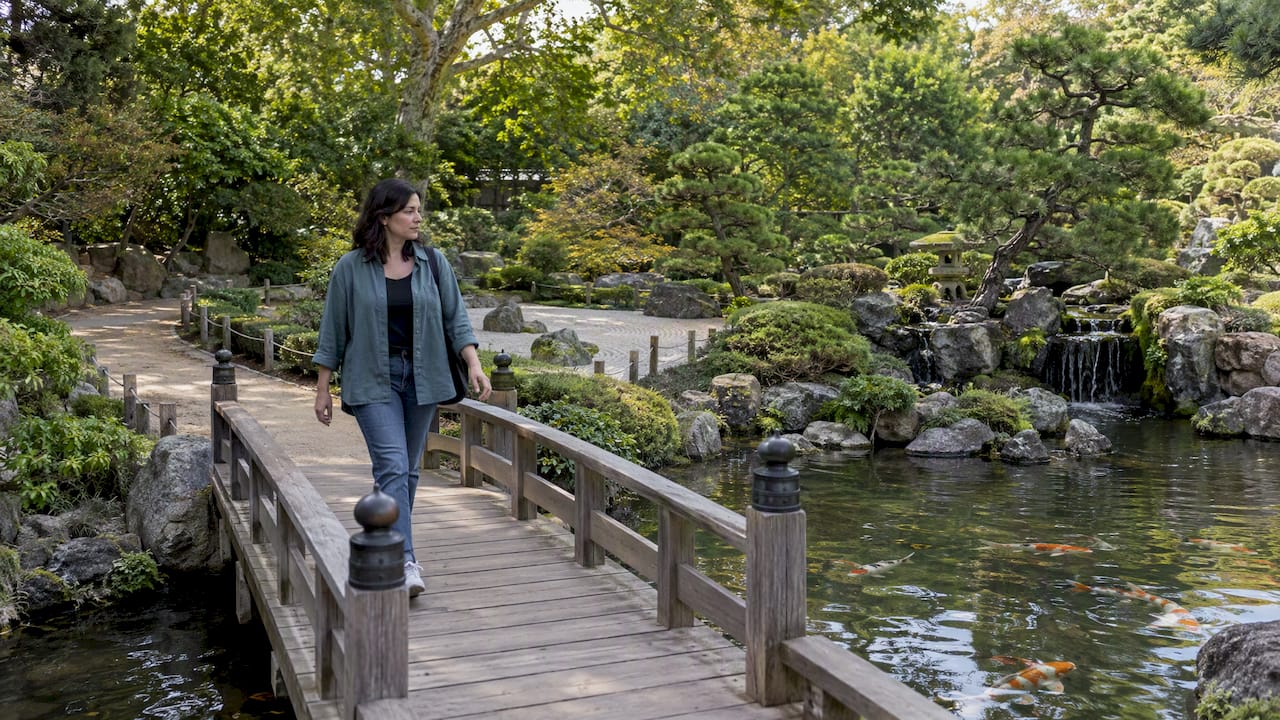
    For a peaceful tea house stroll, head to the Japanese Garden (SuihoEn) in Van Nuys. For sprawling grounds and photography, Huntington is tough to beat. For rare access to a design treasure, Storrier Stearns delivers, and for community events tied to the Japanese American calendar, Little Tokyo’s JACCC and nearby JAPAN HOUSE LA round things out. We’ve got the hours, admission, and transit details below so you can pick fast.


    TL;DR:

    • SuihoEn in Van Nuys charges $5 for general admission and closes on Fridays, Saturdays, and within 24 hours of rain, affecting weekend visits.
    • The Huntington’s Japanese garden is part of a larger estate requiring advance timed tickets, with availability and pricing varying seasonally.
    • Storrier Stearns Japanese Garden in Pasadena is only open on limited days or through reservations, requiring prior confirmation for visits.
    • Visiting festivals like Nisei Week or Tanabata at the Japanese American Cultural & Community Center enhances the cultural experience; check event dates beforehand.
    • Parking and transit details vary by garden, with SuihoEn offering on-site parking and Little Tokyo gardens often paired with nearby cultural attractions.

    Socalsights
    Discover More SoCal Hidden Gems
    Find curated recommendations for unique activities, local food spots, and lesser-known Southern California attractions from community-driven local knowledge.

    Explore SoCal Sights

    Table of Contents

    1. The Best Japanese Gardens in Los Angeles at a Glance

    Here’s our quick-scan list before you dive into the full details. Each one serves a different kind of visit, so match the garden to your mood and your schedule.

    1. The Japanese Garden (SuihoEn), Van Nuys: best for a quiet, affordable wet-strolling garden with a tea house; closed Fridays, Saturdays, and after rain.
    2. Huntington Library, Art Museum & Botanical Gardens: best for large grounds and photography, but timed-entry tickets usually need advance booking.
    3. Storrier Stearns Japanese Garden, Pasadena: best for design lovers who can plan around limited public open days or events.
    4. Descanso Gardens: best for seasonal blooms, especially camellias, within a broader botanical garden setting.
    5. Earl Burns Miller Japanese Garden, Long Beach: best for a compact, college-campus escape with koi and a teahouse.
    6. James Irvine Japanese Garden, Little Tokyo: best for pairing a garden stop with downtown culture and community events.
    7. Kyoto Gardens, Little Tokyo area: best for a convenient, low-key garden stop near hotels and restaurants.

    Full profiles with hours, admission, and access notes follow in the next section.

    2. What to Expect at Each Garden: Hours, Admission, and Access

    Each of these gardens has its own rhythm, so check the specifics before you go. Here’s what we found for each one.

    • The Japanese Garden (SuihoEn), Van Nuys: This garden blends a wet-strolling path, a tea house, and both dry Zen and wet features, according to the LA Sanitation & Environment page. General admission runs $5, with children age 3 and younger and seniors 62 and older at $3. The garden closes Fridays, Saturdays, City holidays, and within 24 hours of rain, with last entry at 3:15 pm and exit by 3:30 pm. Parking is available on-site near the Donald C. Tillman Water Reclamation Plant in Van Nuys.
    • Huntington Library, Art Museum & Botanical Gardens: The grounds include a well-known Japanese garden section within a much larger estate of botanical collections. Tickets typically require advance, timed-entry purchase, so check the Huntington’s official site before you drive out, since availability and pricing shift by season.
    • Storrier Stearns Japanese Garden, Pasadena: This nearly two-acre private garden and traditional teahouse carries real design pedigree, but it only opens to the public on limited days or through special events and reservations. If a specific open day matters to your trip, confirm it directly on the garden’s own site first.
    • Descanso Gardens: Known for seasonal floral displays, especially camellias, Descanso includes a Japanese-style section within its broader botanical layout. It runs on a general admission and ticketing model, and the lineup of seasonal events changes, so check the official calendar for what’s blooming when you plan to visit.
    • Earl Burns Miller Japanese Garden, Long Beach: Tucked into the Cal State Long Beach campus, this garden offers koi ponds, a teahouse, and a compact layout that makes for an easy, unhurried visit. Campus parking rules apply, so plan for a permit or visitor lot.
    • James Irvine Japanese Garden, Little Tokyo: Known locally as “Seiryu-en” (Garden of the Clear Stream), this garden sits near the Japanese American Cultural & Community Center and works well as a short stop before or after downtown programming.
    • Kyoto Gardens: This smaller garden space near Little Tokyo hotels gives visitors a convenient patch of greenery without a long drive, useful if you’re already downtown for food or culture.

    For any garden without a confirmed public schedule here, treat the official site as the final word on hours and reservations before you head out.

    3. Festivals and Events Tied to Japanese Gardens and Culture

    Garden visits get a lot more interesting when they overlap with Little Tokyo’s festival calendar. Nisei Week and the Tanabata Festival both center on the Japanese American Cultural & Community Center (JACCC) and draw heavily on community history and craft traditions.

    • Nisei Week programming at JACCC includes cultural arts, exhibitions, and often free festival events within walking distance of Little Tokyo transit stops.
    • The 2026 L.A. Tanabata Festival featured kazari displays and community workshops, giving visitors a hands-on look at Japanese craft traditions.
    • Bonsai exhibitions and occasional Sunday garden openings pop up seasonally at smaller venues, so watch local event pages for dates.
    • SuihoEn closes on City holidays and within 24 hours of rain, which can throw off a planned weekend visit if you don’t check ahead.

    Confirm exact dates and ticketing on each event’s official page before building your itinerary around it.

    4. How to Choose the Right Garden for Your Visit

    Picking the right garden comes down to a handful of practical factors: how far you’re willing to drive, how much crowding you can tolerate, whether you care about programming or just quiet, your photography goals, your budget, and any accessibility needs. Run through this checklist before you go.

    1. Confirm the garden’s current hours and any weekday closures.
    2. Check whether reservations or timed-entry tickets are required.
    3. Look up the weather forecast, since rain closes SuihoEn for 24 hours.
    4. Plan your parking or transit route in advance.
    5. Verify whether restrooms, tea house access, or seating are available on-site.

    Pro Tip: Visit smaller gardens early on a weekday for the best light and fewest people, then save festival weekends for the larger cultural centers where crowds are part of the experience.

    5. Our Local Tips for Getting There and Pairing Your Visit

    Parking at SuihoEn is easiest on weekday mornings, and Little Tokyo gardens pair naturally with a stop at JAPAN HOUSE LA for exhibitions on Japanese food, art, and mindfulness. If you’re building a longer day, check our unique things to do in Los Angeles guide for nearby stops worth adding.

    Visitor approaching JAPAN HOUSE LA venue

    6. Why These Gardens Matter Beyond the Scenery

    These gardens carry real Japanese American community history, not just aesthetics. Festivals like Nisei Week and Tanabata keep that history active, so visit with the same respect you’d bring to any living cultural space.

    — Joshua

    7. Plan Your Next SoCal Garden Day With Us

    We provide guides to help you find reliable details so you can enjoy your day out more easily. If you run a local business or want your event featured alongside guides like this one, our membership and advertising page walks through how that works.

    Socalsights

    Garden type Best for Typical cost
    SuihoEn (Van Nuys) Quiet strolling and tea house $5 general, $3 children/seniors
    Huntington gardens Photography and large grounds Timed-entry ticket, check official site
    Little Tokyo gardens Culture and events Free to low-cost, varies by site

    FAQ

    What are the three most famous gardens in Japan?

    Japan’s three classical “great gardens” are Kenrokuen, Korakuen, and Kairakuen, each a large strolling garden built around a central pond and walking circuit, as described by Japan Guide. These gardens shaped the strolling-garden style you’ll recognize in several Los Angeles gardens, including SuihoEn’s wet-strolling layout.

    Are the Japanese gardens in LA free?

    Some are free to enter, while others charge a modest admission. SuihoEn in Van Nuys charges $5 general admission, with children and seniors at $3, while larger estates like the Huntington run on a separate ticketed model.

    Does California have a Japantown?

    Yes, Little Tokyo in downtown Los Angeles functions as the region’s historic Japanese American cultural district, home to JACCC, JAPAN HOUSE LA, and annual festivals like Nisei Week and Tanabata. It remains a center for community programming and cultural events tied to Japanese American history.

    What is considered the most beautiful garden?

    Beauty in garden design is subjective, but Japan’s classical “three great gardens,” Kenrokuen, Korakuen, and Kairakuen, are widely cited as benchmarks for strolling garden design. Locally, the Huntington’s Japanese garden sections and SuihoEn’s wet-strolling layout each offer a different take on that same tradition.

    How do I learn more about Japanese garden design?

    For a deeper look at design elements like koi ponds and traditional layout choices, Koi Waters covers garden design and pond culture in detail. It’s a useful next stop if a visit leaves you curious about the craft behind what you saw.

    Sources

  • Save Money: Free San Diego Picks, Balboa Park, La Jolla, Family Tips

    Save Money: Free San Diego Picks, Balboa Park, La Jolla, Family Tips

    Here’s the short answer: the best free things to do in San Diego are Balboa Park’s grounds and free tram, La Jolla Cove and other public beaches, Cabrillo National Monument’s tidepools, and cultural gems like the Timken Museum and Spreckels Organ Pavilion. Watch for small costs like parking or special exhibits, and remember tidepool viewing depends on the tide. Families especially get a lot of mileage out of this list.


    TL;DR:

    • Visiting Balboa Park and using its free tram is the most efficient way to see major attractions and avoid parking issues.
    • Tidepool viewing at Cabrillo National Monument is best during low tide in fall and winter, requiring checking tide schedules beforehand.
    • La Jolla Cove offers free wildlife watching, but tidepools require careful timing and sturdy shoes for safe exploration.
    • Kid-friendly free events like the Kids Free October program and summer movies enhance family visits without added costs.
    • Parking near beaches and parks fills early, so arriving before 9 AM and planning for timing and weather saves time and frustration.

    Socalsights
    Find More Southern California Gems
    SoCal Sights shares curated local recommendations for unique activities, food spots, and lesser-known places across Southern California.

    Visit SoCal Sights

    Table of Contents

    1. Top free things to do in San Diego

    San Diego is one of those rare cities where the best stuff doesn’t cost a dime. We’ve grouped our favorite free picks by category so you can scan and pick what fits your day.

    Parks and green space:

    • Balboa Park: 1,200 acres of gardens, museums, and shaded paths right in the heart of the city.
    • Presidio Park: Quiet hilltop views over Mission Valley, great for a sunset walk with almost no crowds.

    Museums and cultural highlights:

    • Timken Museum of Art: Permanently free, housing European old masters and American paintings in a cool, quiet gallery.
    • Spreckels Organ Pavilion: Free outdoor concerts on the world’s largest outdoor pipe organ.

    Beaches and coastal spots:

    • La Jolla Cove: Sea lions, leopard sharks in summer, and some of the clearest water in the county.
    • Coronado Beach: Wide, soft sand with views of the famous Hotel del Coronado.
    • Mission Beach: The boardwalk scene, bikes, skaters, and street performers.

    Scenic walks and viewpoints:

    • Sunset Cliffs: Dramatic bluffs over the Pacific, best right before dusk.
    • Embarcadero and Seaport waterfront: Flat, easy strolling with harbor views and the USS Midway as a backdrop (viewing the ship from outside is free; boarding it isn’t).

    Family events and markets:

    • Little Italy Mercato: A Saturday farmers market with free samples and street musicians.
    • Summer concerts and movie nights: Rotating free programming across city parks.

    Each of these works on its own or stacked into a day trip. Balboa Park and the beaches are the heavy hitters, but the smaller spots like Presidio Park or Sunset Cliffs are where you get breathing room away from the crowds.

    2. Balboa Park: free highlights, tram logistics, and resident days

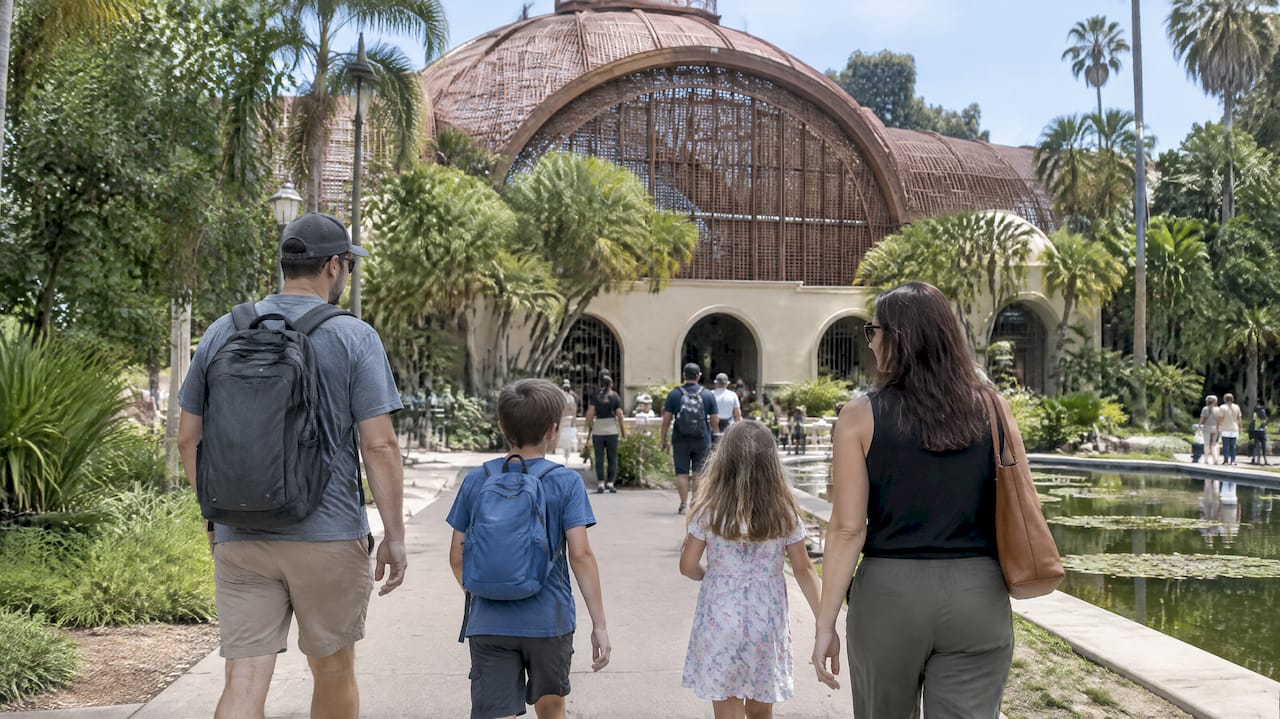
    Balboa Park itself charges no entry fee, and a handful of its best features cost nothing even inside the gates. The Botanical Building and its lily pond are free year round, and the Timken Museum of Art is permanently free, a rarity among the park’s 17 museums according to Balboa Park’s own FAQ page. Weekend lawns around the Prado often host free programming too, from drum circles to pop-up art shows.

    Getting around on foot can eat up your morning, which is where the park’s free tram comes in handy:

    • The City of San Diego’s free Balboa Park tram runs daily and is ADA-accessible, stopping near major museums and the Spreckels Organ Pavilion.
    • Spreckels Organ Pavilion hosts free organ concerts every Sunday, a weekly tradition that’s been part of the park’s rhythm for decades, per Balboa Park’s FAQ page.
    • Several museums rotate free admission days for San Diego residents and active military, though you’ll need a photo ID with a local address to get in free.

    If you’re visiting from out of town, don’t plan your trip around resident free days. Stick to the always-free spots instead and treat any resident deal as a bonus if you happen to qualify.

    3. Beaches and tidepools: when to go for the best views

    Every beach in San Diego is public and free, which is easy to take for granted if you grew up here. La Jolla Cove is the standout for wildlife watching, with sea lions lounging on the rocks and, if you’re lucky in summer, leopard sharks cruising the shallows. For tidepools specifically, Cabrillo National Monument is the gold standard, but timing makes or breaks the experience.

    • Tidepool life is most visible during low tide, and the National Park Service notes that fall and winter often bring low tides during daylight park hours, which makes those seasons your best bet for spotting anemones, crabs, and sea stars.
    • Check the NPS tide schedule before you go. Arriving at the wrong tide means a lot of wet rocks and not much else.
    • Mission Beach and Coronado are better for swimming and people-watching than tidepooling, so plan accordingly depending on what your family wants out of the day.

    We’ve gone deeper on exact tidepool spots and timing in our tidepool guide, and if you want quieter sand away from the main drags, our secret beaches guide is worth a look too.

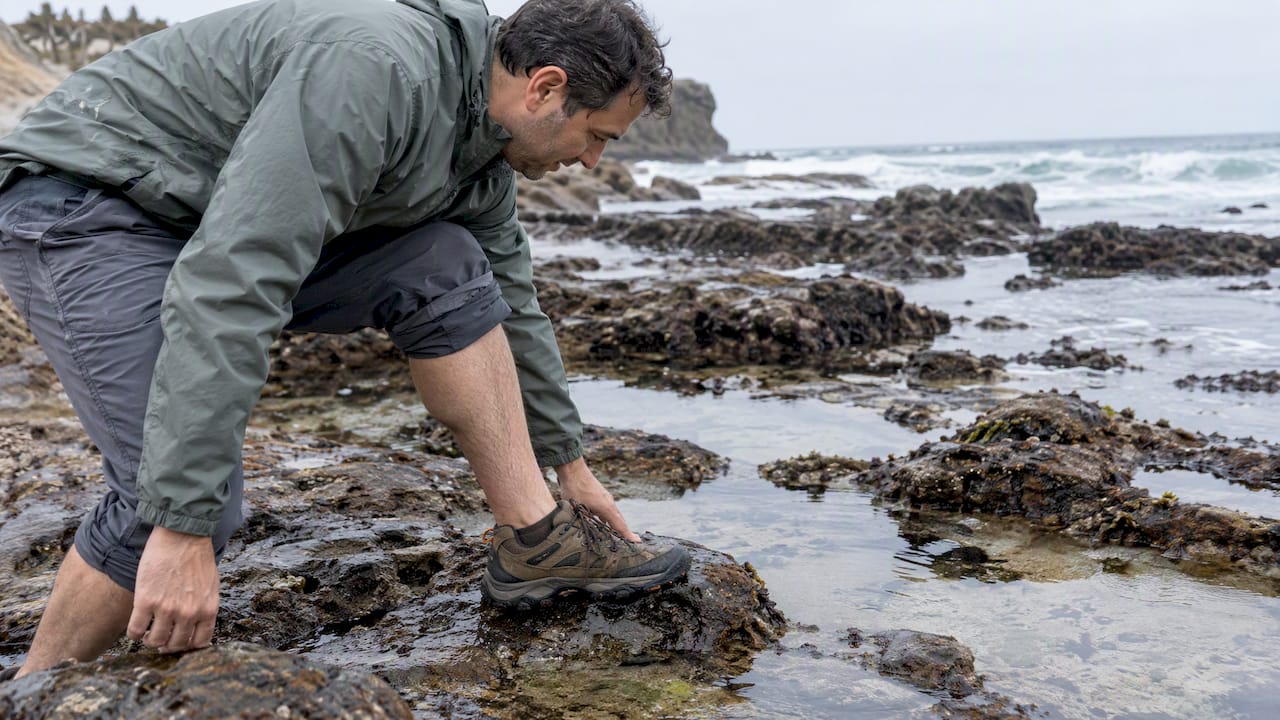
    Pro Tip: Wear shoes with real grip for tidepooling. Wet rocks are slicker than they look, and flip-flops are asking for a scraped knee.

    Hiker testing grip beside a tidepool

    4. Seasonal deals and recurring free family programs

    San Diego stacks its free family programming so there’s almost always something going on. The biggest is Kids Free October, when more than 70 local attractions let children 12 and under in free with a paying adult, according to the San Diego Museum Council, which runs the program and posts participant lists and coupons each year.

    Beyond October, a few things repeat all year:

    • Summer Movies in the Park, with free outdoor screenings in various neighborhoods.
    • Weekly organ concerts at Spreckels Organ Pavilion, free and open to everyone.
    • Library programs and workshops, often aimed at kids and teens, at branches across the city.

    Always double check dates and whether reservations are required before you build a trip around any of these.

    5. How to save money and time on your visit

    A little planning turns a good free day into a great one. Here’s what actually matters:

    1. Park early. Free street parking fills up fast near Balboa Park and the coast, especially on weekends, so aim to arrive before 9 AM.
    2. Use the tram. The free Balboa Park tram saves you from circling for a spot near the museums, and it’s a lifesaver if you’ve got a stroller or tired kids in tow.
    3. Check tide charts ahead of tidepool visits. Timing is everything at Cabrillo, so don’t wing it.
    4. Pack smart. Bring sunscreen, water, and sturdy shoes, especially for tidepools or longer walks like Sunset Cliffs.
    5. Mind accessibility needs. The Balboa Park tram is ADA-accessible, but some beach paths and tidepool areas are uneven, so plan routes accordingly if mobility is a concern.

    Pro Tip: If you’re juggling nap schedules or meltdown windows, aim to hit your main stop before 11 AM. We break down exactly how in our family activities timing guide.

    6. Local picks and a half-day free itinerary

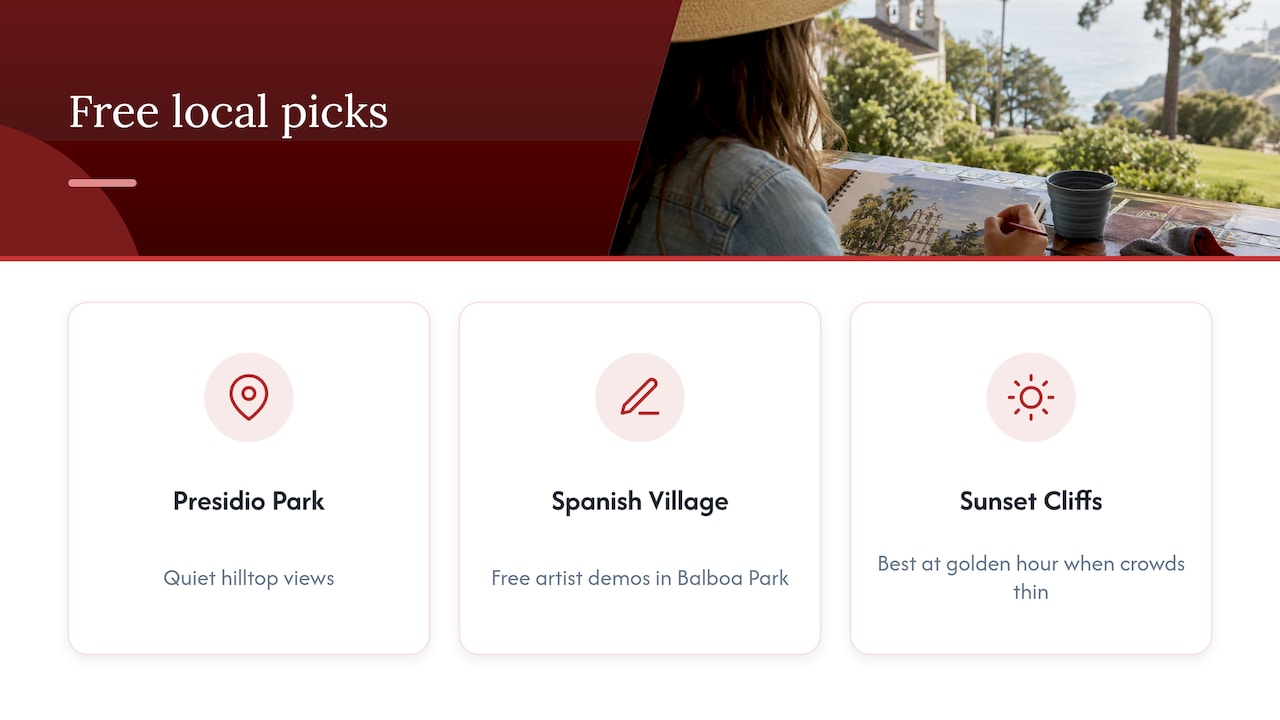
    A few spots locals love that don’t always make the big lists: Presidio Park for quiet hilltop views, Spanish Village Art Center inside Balboa Park for free artist demos, and Sunset Cliffs at golden hour when the crowds thin out.

    Three free San Diego local picks

    For a simple half-day plan, start at Balboa Park’s Botanical Building around 9:30 AM, hop the free tram to the Spreckels Organ Pavilion if a concert’s running, then head to La Jolla Cove by early afternoon for tidepools and sea lions. Park near Inspiration Point for the smoothest tram access. Our weekend itinerary guide has a longer version if you want to stretch it into a full day.

    7. Why free experiences matter to us

    Free access to parks, beaches, and museums keeps culture within reach for families who can’t drop $100 on a day out, and that matters to us. Part of our mission is surfacing the local favorites that don’t always make the mainstream guides, and we’d love for you to share your own go-to spots with our community.

    — Joshua

    Want more hidden gems like these?

    We built our site around the idea that the best San Diego experiences are often the ones not shouting the loudest, and we keep finding new free spots worth sharing. If you run a local business or event and want to reach people planning free and budget-friendly outings, advertising with SoCal Sights puts you in front of exactly that audience.

    Socalsights

    • Browse our local activity guide for more picks beyond this list.
    • Have a favorite free spot we missed? We’re always glad to hear about it.

    FAQ

    What’s going on in San Diego today for free?

    San Diego always has something running, from weekly Spreckels Organ Pavilion concerts on Sundays to weekend lawn events in Balboa Park. Check local event calendars and the museum council’s listings for the most current schedule before you head out.

    What to do cheaply in San Diego?

    Beaches, tidepools, and Balboa Park’s grounds cost nothing, and the free tram cuts down on parking stress. Pairing a free museum visit, like the Timken, with a beach stop makes for a full day without spending much at all.

    What are some hidden places to visit in San Diego?

    Presidio Park and the Spanish Village Art Center inside Balboa Park are easy to miss but worth the detour for quieter crowds. Sunset Cliffs at golden hour is another local favorite that doesn’t get the same attention as the bigger beaches.

    What are the top 5 things to do in San Diego?

    Balboa Park’s grounds and free tram, La Jolla Cove, Cabrillo National Monument’s tidepools, the Timken Museum of Art, and the Spreckels Organ Pavilion concerts round out a strong free itinerary. Each one works well alone or combined into a single day trip.

    Sources

  • See La Jolla’s Seven Sea Caves Safely, From Sunny Jim to Kayak Access

    See La Jolla’s Seven Sea Caves Safely, From Sunny Jim to Kayak Access

    Seven sea caves, White Lady, Little Sister, Shopping Cart, Sea Surprize, Arch, Sunny Jim, and Clam, sit along the sandstone bluffs between La Jolla Cove and La Jolla Shores. Most visitors see them by walking the Sunny Jim land tunnel, booking a guided kayak tour, snorkeling from the Cove, or simply watching from the clifftop path. Since the caves sit inside a protected marine reserve, wildlife distance rules apply no matter which option you pick.


    TL;DR:

    • Visiting Sunny Jim by land is the easiest option with a ticketed tunnel, but it only grants access to one cave and involves stairs.
    • Guided kayak tours provide the closest water-level views of ocean-facing caves and are safer than DIY trips due to real-time condition assessments.
    • Water access to the caves depends heavily on calm swell and low tide, making early mornings and checking tide charts essential for safe visits.
    • Marine reserve rules require maintaining at least 50 yards from seals and sea lions and avoiding cave entry during rough surf for safety and wildlife protection.
    • Risks inside caves include surge, submerged rocks, and cold water, necessitating proper gear, guided trips, and respecting ocean conditions for safe exploration.

    Socalsights
    Find More Authentic SoCal Experiences
    Explore curated recommendations for hidden gems, local food spots, fun activities, and unique itineraries across Southern California.

    Explore SoCal hidden gems

    Table of Contents

    How do you choose the best way to see the caves?

    Your pick really comes down to how close you want to get and how comfortable you are in the water. Each method has a different trade-off between ease, cost, and the kind of view you’ll walk away with.

    • Sunny Jim via The Cave Store: a ticketed tunnel and stairway that gets you into one cave on dry land, ideal for families, kids, or anyone who’d rather skip the ocean altogether.
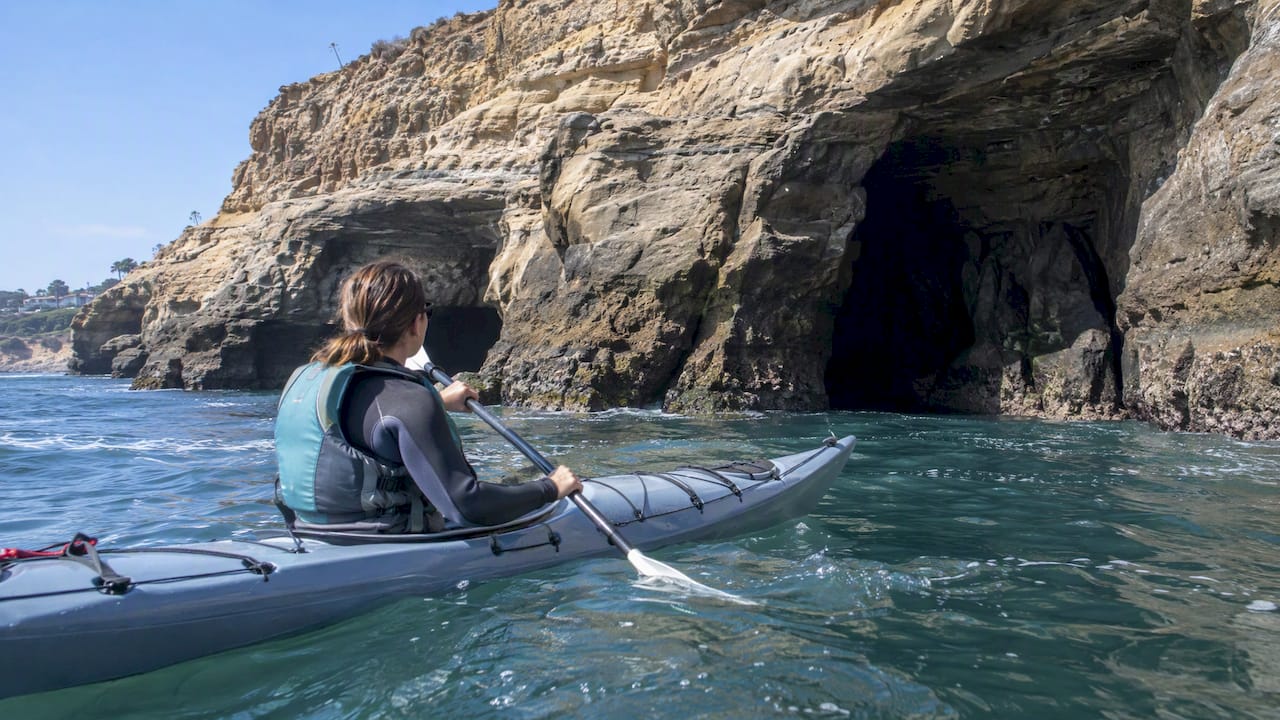
    • Guided kayak tours: the closest look at the ocean-facing caves, led by someone who knows the swell patterns and entry points.
    • Snorkeling or scuba from La Jolla Cove: a good option on calm days for underwater views of the reef and cave mouths.
    • Bluff viewpoints or boat trips: the easiest choice when surf is up or you just want photos without getting wet.

    Entering the other six caves on foot is rare and mostly limited to the lowest tides of the year, and even then it carries real risk from surge and slippery rock. Most locals treat DIY cave entry as something to skip in favor of a guide.

    The seven caves, east to west

    According to City of San Diego archival records, the seven caves run in this order, carved into sandstone roughly 75 million years old, with openings that face north toward Scripps Pier and La Jolla Shores.

    • White Lady: ocean-facing, named for pale streaks of mineral staining on its walls, viewable mainly by kayak or boat.
    • Little Sister: a smaller ocean-facing cave tucked near White Lady, best spotted from the water at low tide.
    • Shopping Cart: ocean-facing, named for debris once lodged in its mouth, a popular kayak photo stop.
    • Sea Surprize: a narrow ocean-facing opening that surprises paddlers with a sudden interior chamber.
    • Arch (Arches): ocean-facing with a dramatic rock arch visible from both water and the clifftop trail.
    • Sunny Jim: the only cave with a reliable land entrance, reached through a tunnel and staircase at The Cave Store.
    • Clam: ocean-facing, named for its rounded, shell-like opening near the western edge of the cluster.

    Sunny Jim stands apart as the one cave almost anyone can visit without a boat, snorkel gear, or paddling experience.

    How each access method actually works

    1. Sunny Jim tunnel: buy a ticket at The Cave Store on Coast Boulevard, then walk down roughly 145 hand-carved steps through the tunnel to a platform inside the cave. Stairs make this option tough for strollers or wheelchairs.
    2. Guided kayak tours: most launch from La Jolla Shores or the Cove and paddle along the bluffs, pausing at cave mouths when swell allows. Guides read conditions in real time and know which caves are safe to approach that day, which is why we’d rather point readers toward guided kayak trips than a solo outing.
    3. Boat or coastal walk: view the caves from offshore or from the clifftop path above Coast Boulevard, a solid backup when the water’s too rough for anything else.
    4. Extreme low tide: a handful of days each year bring tides low enough to expose cave floors, but currents and slick rock make foot access genuinely rare and risky.

    What rules protect you and the wildlife here

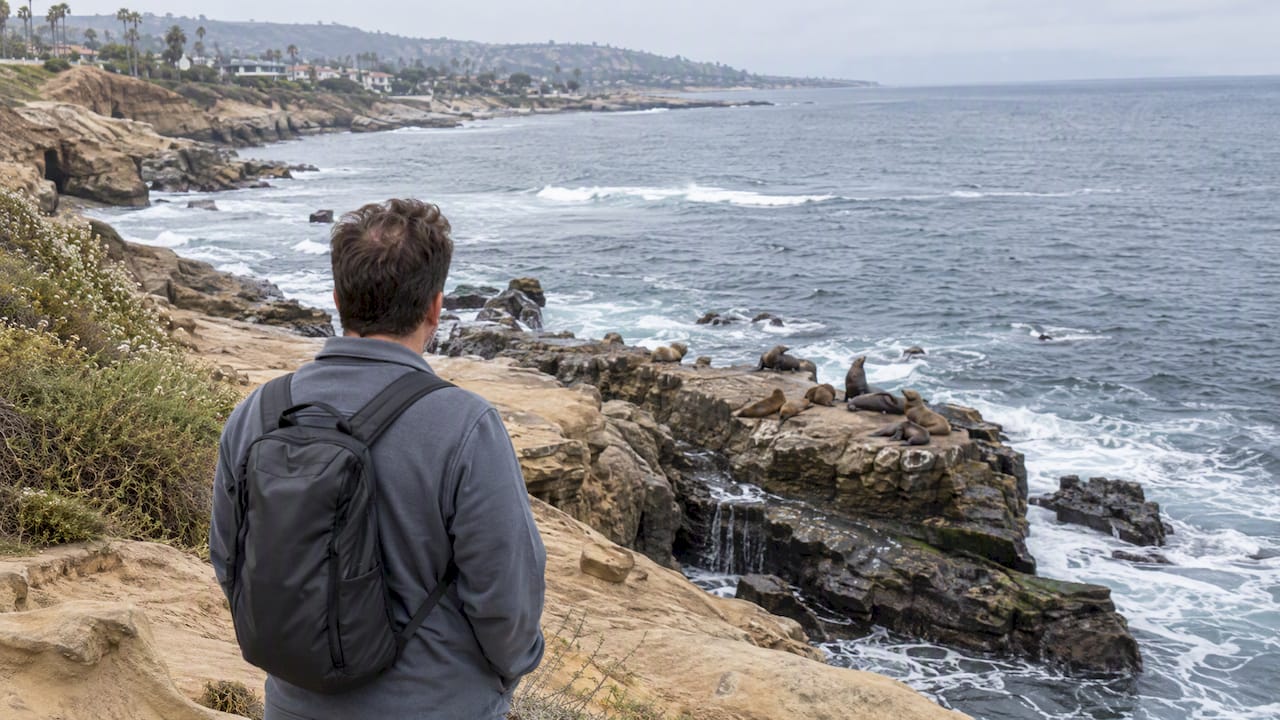
    La Jolla Cove sits inside an ecological reserve, and City rules prohibit fishing or removing anything from the water or rocks. At Point La Jolla, the City recommends staying at least 50 yards from seals and sea lions hauled out on the rocks, since getting closer can count as harassment under federal law.

    City reports describe a clear shift toward active management at the Cove, with expanded ranger presence and new signage rolled out through 2024 and 2025 to keep people and marine mammals apart. That means more visible enforcement than you might remember from past visits.

    • Keep well back from hauled-out animals, even if they look unbothered by nearby swimmers.
    • Watch for seasonal closures at Point La Jolla and Children’s Pool during pupping season.
    • Skip cave entry entirely in rough surf, and lean on a guided tour when you’re unsure about conditions.

    When should you plan your visit?

    Water access to most of the caves depends on calm swell and a low tide, so checking a local tide chart before you go saves a wasted trip. Mornings tend to bring calmer water and thinner crowds, and arriving early also means an easier time finding parking near the Cove.

    • Check tide charts and swell forecasts the morning of your visit, not days ahead.
    • Aim for early morning, both for calmer conditions and lighter foot traffic.
    • Expect heavier ranger presence and possible closures during pupping season.
    • Check the lifeguard and City pages same-day for any posted closures.

    How old are the caves, and where does the Sunny Jim name come from?

    The caves formed as ocean waves wore away sandstone laid down roughly 75 million years ago, slowly hollowing out the openings we see today along the La Jolla bluffs. City archival records reference the cluster under the older name “Mammoth Caves,” with petitions and tunneling proposals dating back to the early 1900s.

    Gustav Schultz is credited with carving the tunnel that now connects The Cave Store to Sunny Jim, giving visitors a dry route into one of the seven caves. Local lore ties some of the caves to smuggling during Prohibition, but we’d treat that as neighborhood storytelling rather than documented history unless archival records say otherwise.

    What should you pack and plan for?

    A little preparation goes a long way here, since the Cove gets busy and parking disappears fast on warm days.

    • Reef-safe sunscreen, since you’re swimming or paddling near a protected reef.
    • Water and sturdy water shoes for slippery rocks and tide pools.
    • A dry bag for your phone or camera, especially on a kayak.
    • Cash or a parking app, since street spots near the Cove fill up quickly.

    Restrooms, showers, and a lifeguard station sit right at La Jolla Cove, but accessibility varies by method: Sunny Jim involves stairs, and kayak operators differ in what accommodations they can offer.

    Pro Tip: Book your kayak tour or Sunny Jim ticket a day ahead on weekends, since both sell out by mid-morning once the parking lots fill.

    A few things I’ve learned from timing visits here

    When you call a kayak outfitter, ask about their cancellation policy for rough swell and whether the guide adjusts the route based on morning conditions, since that’s the detail that separates a great trip from a soggy, cave-less one. For quieter views, the clifftop path past the Cove toward Point La Jolla gets far less foot traffic than the main overlook. Pair your visit with nearby tide pools for a full coastal morning.

    What makes each cave worth seeking out

    Sunny Jim draws the most visitors simply because it’s the only cave you can walk into, and the view out through its mouth toward the open Pacific is worth the climb down. Arch stands out above water too, since its rock archway is visible from the clifftop trail even if you never get in a kayak or boat.

    Shopping Cart and Sea Surprize reward paddlers willing to get close: Shopping Cart’s mouth narrows into a dim chamber, while Sea Surprize opens into a surprisingly roomy interior once you’re past the entrance. White Lady and Little Sister sit near each other and are often paddled as a pair, their pale mineral streaks and smaller openings making them easy to tell apart once you’ve seen both. Clam, the westernmost cave, rounds out the group with a shell-shaped opening that catches good afternoon light for photos.

    Wildlife sightings vary by season and day, but the reef around these caves supports garibaldi, leopard sharks in shallow water nearby, and the seals and sea lions that haul out on the rocks above the waterline. None of that is guaranteed on any single visit, but it’s part of why guides keep paddling the same stretch of coast year after year.

    What hazards should you watch for inside the caves?

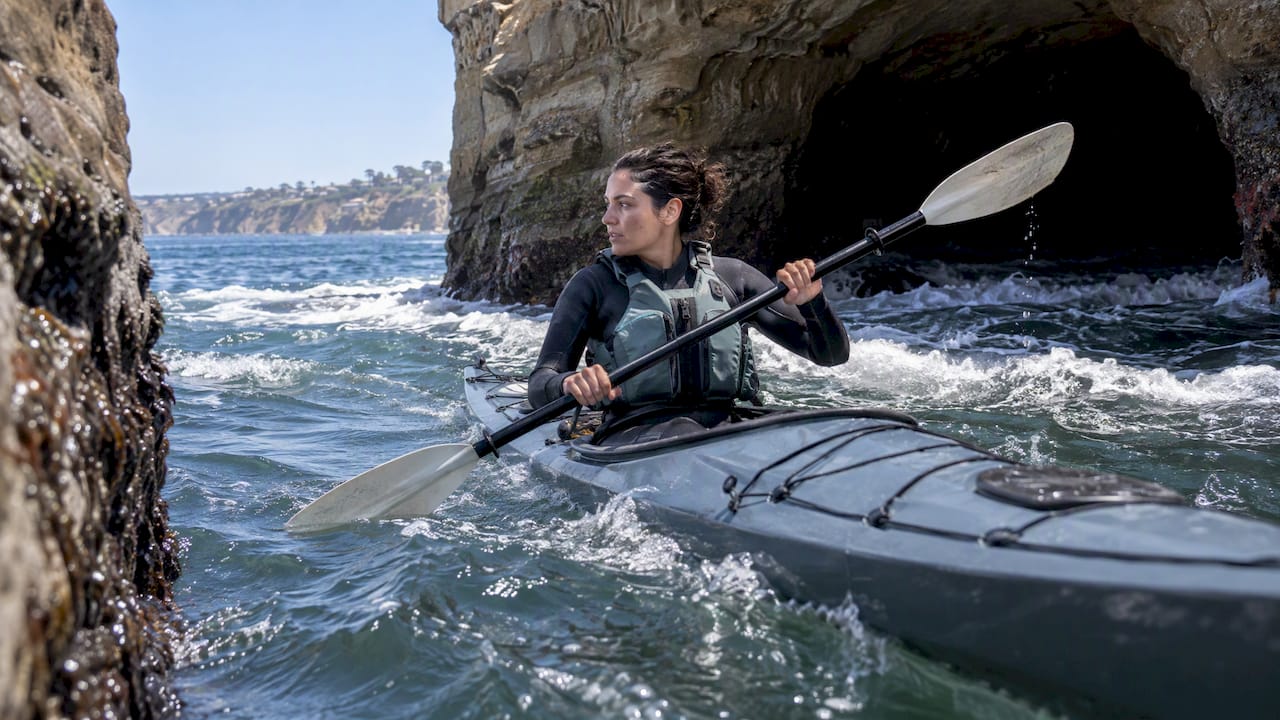
    Surge is the biggest risk: waves that look mild from shore can push a kayak or swimmer into cave walls, and the swell inside a cave often feels stronger than it did outside. Submerged rocks near cave mouths are another hazard, especially at low tide when they sit just below the surface.

    Kayaker moving away from surging cave entrance

    If you’re snorkeling or kayaking and a set of waves rolls in while you’re near a cave entrance, the safest move is to paddle or swim away from the opening rather than toward it, since backwash can trap you against rock. Anyone in distress near the Cove should signal the lifeguard tower rather than attempt a solo rescue, and lifeguard stations at the Cove are staffed specifically because conditions here can shift fast.

    Cold water is an underrated risk too. Even on a warm day, Pacific water temperatures can bring on fatigue or mild hypothermia faster than swimmers expect, which is one more reason a wetsuit or guided tour with proper gear beats going it alone.

    How is this area protected, and what can you do to help?

    La Jolla Cove and the surrounding caves sit inside the La Jolla Underwater Park, an ecological reserve where City rules prohibit fishing and removing marine life or rocks. UC San Diego Sea Grant guidance frames distance from marine mammals as basic habitat protection, not just a courtesy, since repeated disturbance can push seals and sea lions off their haul-out spots for good.

    Visitor observing sea lions from a distance

    The simplest way to help is to keep your distance, pack out anything you bring in, and avoid touching rock, coral, or marine life even when it’s within easy reach. Choosing a guided tour also supports operators who already work within these rules and can model good practice for first-time visitors.

    Who are good guided tour providers, and what do they cost?

    Kayak outfitters based near La Jolla Shores and the Cove typically run tours lasting one to two hours, covering the ocean-facing caves when conditions allow. Options generally range from shared group tours to smaller private trips, with private bookings costing more for a guide’s full attention and a flexible route.

    Snorkel tours, often paired with kayaking or run separately, tend to run shorter, usually under an hour in the water, and focus on the reef just outside the Cove rather than deep cave interiors. Before booking any operator, ask directly about group size, whether a guide enters caves on the day of your visit, and what their policy is if swell picks up, since the same outfitter might run a very different route in different conditions. We’d rather point you toward reading up on what a kayak trip includes before booking than guess which company fits your plans.

    How does weather change what you can see?

    Swell size matters more than sunshine here. A calm, glassy morning can make several caves accessible by kayak or snorkel, while a swell from a distant storm can shut down water access entirely, even on a sunny day. Wind also plays a role, since onshore wind chop can make paddling near cave mouths uncomfortable or unsafe well before the surf itself looks dangerous.

    Winter tends to bring bigger, less predictable swell along this stretch of coast, while summer and early fall often offer calmer windows, though neither season guarantees good conditions on any single day. That’s the real reason to check tide and swell reports the morning of your visit rather than planning weeks out: the ocean here changes faster than a forecast can promise.

    Why visiting responsibly matters

    The mornings I’ve spent watching sea lions doze on the rocks above Sunny Jim, from a respectful distance, stick with me more than any closer photo would. Following the rules here isn’t a formality. It’s what keeps this coastline worth visiting.

    — Joshua

    Plan the rest of your San Diego trip with us

    Once you’ve seen the caves, there’s a lot more of this coastline worth exploring, and that’s exactly what we built SoCal Sights to help with: real, specific recommendations instead of another generic list. If you run a local business or tour operation near La Jolla, advertising with SoCal Sights puts you in front of readers actively planning their visit. For a longer stay, check our San Diego weekend itinerary for ideas on where to go next, and consider grabbing The Gardens of Anuncia Tickets for a local cultural experience at The Old Globe.

    Socalsights

    FAQ

    What are the seven sea caves in La Jolla?

    The seven caves, listed east to west, are White Lady, Little Sister, Shopping Cart, Sea Surprize, Arch, Sunny Jim, and Clam. They sit along the sandstone bluffs between La Jolla Cove and La Jolla Shores.

    Is visiting the La Jolla sea caves worth it?

    Most visitors find the trip worthwhile, whether they walk into Sunny Jim, paddle past the others by kayak, or just watch from the clifftop. The combination of dramatic sandstone formations and regular wildlife sightings makes it one of the more memorable stops along this stretch of coast.

    Can you enter the La Jolla caves without a tour?

    Sunny Jim can be entered independently with a ticket from The Cave Store, no guide required. The other six caves are ocean-facing and best reached by guided kayak or snorkel tour, since entering them on foot is rare and depends on unusually low tides.

    What are some other well-known sea caves along the California coast?

    California’s coastline holds other notable sea cave clusters, including those around the Channel Islands, though each site has its own access rules and conditions. If a Channel Islands trip interests you, our Channel Islands day trip guide covers how to plan one.

  • 9 Southern California Hidden Gems With Agency Verified Logistics

    9 Southern California Hidden Gems With Agency Verified Logistics

    Here is a vetted list of Southern California hidden gems: offbeat towns and wild outdoor escapes that reward a little extra planning. Each entry below covers how to get there, when to go, and what to pack, because the quiet spots stay quiet only when visitors come prepared. We pulled this together from community submissions and official agency sources, and Joshua put it into words for you.


    TL;DR:

    • Accessing Santa Cruz Island’s Painted Cave requires booking a boat well in advance, with primitive camping only available and no cell service on the island.
    • Reaching Deep Creek Hot Springs involves a steep, strenuous hike that is best started early and requires packing out all trash and carrying ample water.
    • Visiting Mount San Jacinto’s wilderness areas demands permits, seasonal checks, and experience for the technical climbs and high-altitude hikes.
    • Quieter tidepools and cottages at Crystal Cove are best visited before 9 a.m. during weekdays, with tide times checked for optimal tidepool exploration.
    • Traveling to Borrego Springs between November and April offers comfortable desert weather and optimal stargazing conditions under the town’s dark-sky status.

    Socalsights
    Find More Southern California Hidden Gems
    SoCal Sights brings together local recommendations for authentic activities, food spots, and unique itineraries across Southern California.

    Visit SoCal Sights

    Table of Contents

    1. Santa Cruz Island’s Painted Cave and backcountry camping

    Santa Cruz Island anchors Channel Islands National Park, and it hides one of the largest sea caves on Earth. Painted Cave runs nearly a quarter mile deep, about 100 feet wide, with an entrance ceiling that climbs to roughly 160 feet. The island itself covers more than 96 square miles of canyons, ridgelines, and fox habitat found nowhere else.

    Getting there means booking a boat through Island Packers out of Ventura or Oxnard, since there is no bridge and no ferry schedule you can wing at the last minute. Once you land, you are on your own: the park offers primitive camping but no stores, no restaurants, and no reliable cell service.

    • Reserve your backcountry campsite before you book the boat, since sites fill ahead of ferry slots.
    • Pack in all your water (at least a gallon a day) along with food and a basic first-aid kit.
    • Check the forecast closely; boat crossings get canceled in rough seas, so build in flexibility.

    2. Deep Creek Hot Springs and the trail that tests you

    Deep Creek Hot Springs sits in a biologically rich drainage inside San Bernardino National Forest, and the pools themselves are the reward for a genuinely demanding approach. The most common route drops steeply from Bowen Ranch Road, descending about 2.5 miles and roughly 950 feet before you even see the water, which means that same climb waits for you on the way back. Hikers who prefer the Pacific Crest Trail approach from Arrowhead Lake Road face a longer six-mile walk instead.

    Bowen Ranch access often crosses private land, and parking there comes with a fee, so bring cash and expect limited spots on weekends. Crowding has become a real issue at the pools, and water quality can shift after storms or heavy use.

    • Start at sunrise to beat both the heat on Bowen Ranch Road and the afternoon crowds.
    • Carry more water than feels necessary. The return climb is brutal in midday sun.
    • Pack out everything, including food scraps, since the pools sit in fragile riparian habitat.

    Pro Tip: Visit on a weekday morning in shoulder season (spring or fall) to get the pools closer to yourself and avoid the worst of the summer heat.

    3. San Jacinto Wilderness for climbers and quiet hikers alike

    Mount San Jacinto offers an alpine escape that feels nothing like the desert floor just a few thousand feet below it. The San Jacinto Wilderness spans 32,248 acres of granite cliffs, pine forest, and classic climbing routes, including the Lily Rock and Tahquitz Rock formations that draw technical climbers from across the region. Suicide Rock, despite the name, is a popular destination for both climbing and scrambling.

    Vivian Creek Trail, on the San Gorgonio side of this same wilderness complex, climbs toward Southern California’s highest peak and demands real fitness and preparation. The San Gorgonio Wilderness guidance warns that these trails deceive casual hikers who underestimate elevation gain.

    • Grab a wilderness permit for overnight trips and check seasonal closures before you go.
    • Winter storms close upper trailheads, so confirm road status ahead of a cold-season visit.
    • Save Vivian Creek and the technical rock climbs for experienced hikers and climbers only.

    4. Crystal Cove’s historic cottages and quieter coves

    Crystal Cove State Park holds a secret most beach goers drive right past: a federally listed Historic District of 46 vintage cottages tucked onto 12.3 acres within the park’s 2,791 total acres. The cottages date back to the early 20th century, and several are now available to rent overnight, which turns a day trip into something closer to a time capsule stay.

    Beyond the cottages, the park’s coastal trail stretches past tidepools and coves that thin out considerably once you walk ten minutes north or south of the main parking lot. Low tide reveals sea stars, anemones, and the occasional octopus in the rockier pockets.

    • Arrive before 9 AM on weekends, since the main lot fills fast and the park charges a parking fee.
    • Walk north past the busiest stretch of sand to find quieter tidepool access.
    • Check tide tables before you go. Low tide is when the tidepools actually show something.

    5. Crystal Lake’s alpine escape above the smog line

    Crystal Lake Recreation Area sits inside Angeles National Forest at an elevation that keeps summer temperatures noticeably cooler than the Los Angeles basin below. The campground spreads across roughly 120 sites in multiple loops, with hiking trails branching out toward the lake itself and fishing access for those who bring a rod.

    Parking here requires a pass. An Adventure Pass or an America the Beautiful interagency pass covers most lots in the recreation area, and rangers do check. The access road climbs to high elevation, so winter snow can close it entirely some years.

    • Buy your Adventure Pass ahead of time at a ranger station or outdoor retailer, since it is not always available on-site.
    • Call ahead in winter to confirm the road is open before you drive up.
    • Reserve a campsite early for summer weekends. Loops fill months in advance.

    6. Borrego Springs for desert sculptures and dark skies

    Borrego Springs feels like the opposite of everything coastal Southern California offers, and that contrast is exactly the point. The town sits at the edge of Anza-Borrego Desert State Park, California’s largest state park, and its surrounding flats hold more than 130 metal sculptures of animals, mythical creatures, and historical figures scattered across open desert land.

    Summer temperatures here routinely climb past 100 degrees, so most visitors come between November and April when daytime highs stay comfortable for hiking and sculpture-hunting. Borrego Springs also holds International Dark Sky Community status, which means stargazing here rivals almost anywhere else in the state.

    • Visit between November and April to avoid dangerous desert heat.
    • Check the local visitor center for current sculpture locations and desert wildflower bloom reports.
    • Bring a red-light flashlight if you plan to stargaze, since it preserves your night vision and respects the dark-sky designation.

    7. Ojai’s artsy charm and the famous pink moment

    Ojai moves at a different pace than most Southern California towns, and that slower rhythm shows up in its independent bookstores, small art galleries, and locally owned spas tucked alongside streets off the main strip. The town’s signature draw happens at sunset, when the Topatopa Mountains glow a deep pink or orange for a few minutes, a phenomenon locals simply call the pink moment.

    Beyond the strip, short hikes like the Shelf Road loop or Horn Canyon Trail offer easy elevation gain with views back over the valley, and neither draws the crowds you will find on busier Southern California trailheads.

    • Time your visit for the last 20 minutes before sunset to catch the pink moment at its best.
    • Park near Libbey Park early, since downtown spots disappear fast on weekend evenings.
    • Walk a few blocks off Ojai Avenue to find quieter galleries and cafés without the wait.

    8. Solvang’s quiet corners beyond the Danish windmills

    Solvang’s half-timbered buildings and windmills pull in plenty of day-trip buses, but the town’s real charm lives a block or two off the main tourist strip. Family-run bakeries serving Danish pastries without the lines, small art galleries, and quieter side streets all sit within easy walking distance of the crowds.

    Just outside town, the Santa Ynez Valley holds smaller, lower-traffic vineyards along scenic rural roads, offering wine tasting without the tour-bus crowds that fill the valley’s bigger names.

    • Visit on a weekday morning before the tour buses arrive, typically mid-morning onward.
    • Drive a few minutes outside town to find smaller vineyards with shorter tasting-room waits.
    • Walk a block off Mission Drive for bakeries and shops that locals actually use.

    9. Coronado beyond the hotel district

    Coronado draws most of its visitors to the stretch of beach near its famous hotel, but the island holds quieter coastal walks once you move north toward the Naval base boundary or south along the Silver Strand. These stretches offer the same soft sand and ocean views with a fraction of the foot traffic.

    Getting there from San Diego is simple: the Coronado Bridge connects directly, or the Coronado Ferry from downtown San Diego drops you within walking distance of the village, which also solves the parking problem that plagues peak-season visits.

    • Take the ferry from downtown San Diego to skip the bridge traffic and parking search entirely.
    • Walk north past the hotel district for quieter beach access with fewer crowds.
    • Explore Orange Avenue’s side streets for small, locally owned restaurants away from the tourist-heavy main drag.

    How we choose and verify these hidden gems

    Every spot on this list came through community submissions first, then got checked against what the agencies managing that land actually say about access, fees, and conditions. We weigh conservation sensitivity heavily: a beautiful spot that cannot handle more foot traffic does not make the cut, or it makes the cut with stronger stewardship notes attached.

    A fair share of what makes these places special is also what makes them fragile: Channel Islands National Park has no on-island services, so every visitor carries in their own supplies and carries out their own trash, which keeps the island as wild as it looks.

    • We prioritize spots with genuine local or community value, not just photogenic potential.
    • We cross-check logistics against the managing agency’s own pages before publishing anything.
    • We flag private-access fees, permit requirements, and seasonal closures wherever they apply.

    Fire restrictions shift often across Southern California’s forests, and the Angeles National Forest fire restriction pages are worth a check before any trip that involves a stove or campfire. Leave No Trace principles matter everywhere on this list, but they matter most in places like Deep Creek’s riparian corridor and the Channel Islands’ isolated habitats, where recovery from damage takes years, not seasons.

    Festivals, art walks, and local events worth building a trip around

    Several of these towns hold events that turn a day trip into something more memorable. Ojai hosts a long-running music festival each June that draws visitors well beyond the valley, and its art galleries hold regular open studio weekends throughout the year. Solvang leans into its Danish heritage with seasonal festivals celebrating the town’s founding, complete with folk dancing and traditional food stalls set up along the main streets.

    Borrego Springs holds wildflower season events each spring when conditions allow, drawing photographers and hikers to see the desert bloom in color for a few short weeks. Crystal Cove’s historic district occasionally opens cottages for public tours that dig into the area’s early beach-colony history, a detail most visitors chasing tidepools never learn about.

    Timing a visit around one of these events takes a little research, since dates shift year to year with weather and local planning. Checking a town’s own visitor center page before you book is the most reliable way to confirm whether something is happening during your trip, rather than relying on secondhand event listings that go stale fast.

    Where to eat and stay near each hidden gem

    Food and lodging near these spots tend to reward the same instinct as the destinations themselves: wander a block off the main strip in Los Angeles and Southern California. In Ojai, small cafes along side streets serve produce from local farms, and a handful of boutique inns offer quieter stays than the resorts closer to the highway. Solvang’s family-run bakeries are worth seeking out specifically for Danish pastries made the traditional way, a detail that separates them from the larger tourist-facing shops.

    Baker preparing Danish pastry in Solvang

    Near Crystal Cove, the historic cottages themselves double as overnight lodging, and a small café within the historic district serves casual meals with an ocean view that most day visitors walk right past. Coronado’s side streets off Orange Avenue hold locally owned restaurants with far shorter waits than the hotel district’s main dining rooms.

    For the wilder destinations, like Deep Creek, Crystal Lake, or San Jacinto, lodging usually means camping or a nearby mountain town. Idyllwild, close to the San Jacinto Wilderness, offers small inns and cabins that make a great base for multi-day trips into the surrounding peaks. Borrego Springs has a scattering of small desert inns that suit stargazing trips especially well, since many sit far enough from town lights to offer dark skies right from the parking lot.

    Mountain cabin lodging near Idyllwild

    Why the quiet places matter more than the famous ones

    I think Southern California’s real character lives in the places that never make it onto a postcard. Anyone can find the crowded beach or the famous overlook. Finding a quiet cove at low tide or a desert town under a truly dark sky takes a little more effort, and that effort is part of what makes the experience stick with you.

    Respecting these places matters as much as finding them. Pack out your trash, stay on marked trails, and report problems like damaged signage or blocked access to the managing agency instead of just posting about it online. If you have found a quiet spot we have not covered, send it our way. Southern California’s hidden gems stay hidden and protected because people who love them keep sharing what they know responsibly.

    — Joshua

    Plan your next trip with SoCal Sights

    We built SoCal Sights around exactly the kind of discovery this list represents: the spots that do not show up in a standard travel guide but deserve to be found. If you run a local business or organize events in Southern California, advertising with SoCal Sights puts your spot in front of travelers and locals who are actively searching for exactly what you offer, rather than scrolling past another generic ad.

    Socalsights

    Beyond advertising, our guides double as planning tools for your own trips. Our Southern California road trip guide pairs well with several entries above if you want to string together multiple hidden gems into one route, and our Channel Islands day trip guide walks through the exact boat booking and packing steps Santa Cruz Island demands.

    • Browse curated lists by category to match your next trip to your interests.
    • Use planning guides to turn a single hidden gem into a full weekend itinerary.
    • Consider reaching out about featured placement if you run a local business near any of these spots.

    Ready to put a face to your business in front of travelers planning their next SoCal escape? Learn more about membership and let us help you reach them.

    FAQ

    What are some hidden spots to visit in Southern California?

    Santa Cruz Island’s Painted Cave, Deep Creek Hot Springs, and Borrego Springs’ desert sculpture garden all count among Southern California’s most rewarding lesser-known spots. Crystal Cove’s historic cottage district and the quieter coves along Coronado’s less-trafficked beaches round out a strong list for a first visit.

    What are the 7 wonders of California?

    There is no single official list of “7 wonders of California,” since the phrase gets used loosely across different travel sites and definitions vary. Many versions include natural landmarks like Yosemite, Lake Tahoe, and the Channel Islands alongside human-made sites, but no government or tourism body maintains an authoritative version.

    What is a must see in Southern California?

    Santa Cruz Island’s Painted Cave stands out as a genuine must-see, since it ranks among the largest sea caves in the world at nearly a quarter mile long. Crystal Cove’s historic cottage district is another strong pick for travelers who want coastal scenery paired with a real sense of history.

    What are California’s best hidden gems?

    Southern California alone holds standout hidden gems like Borrego Springs for desert stargazing, Ojai for its sunset pink moment, and Crystal Lake Recreation Area for cooler mountain air above the smog line. Each offers a genuinely different experience from the state’s more famous coastal and urban destinations.

    Visiting on weekday mornings, arriving before 9 AM, and traveling in shoulder seasons like spring or fall consistently cuts down on crowds at these spots. Walking a short distance away from main parking areas or tourist strips, as with Crystal Cove’s tidepools or Coronado’s beaches, also helps you find quieter space.

    Sources

  • Pasadena Hidden Gems: 9 Community Vetted Local Picks

    Pasadena Hidden Gems: 9 Community Vetted Local Picks

    Pasadena’s real character shows up in its quieter corners: three-acre community gardens, a pre-WWII Japanese garden tucked into a residential street, and remnant estate landscaping you can only view from the sidewalk. Arlington Garden, Storrier Stearns Japanese Garden, and Hahamongna Watershed Park top the list for anyone who wants fewer crowds, better photos, and a real sense of local life. Hours, parking, and reservation details follow below so you can plan around them.


    TL;DR:

    • Visiting Arlington Garden on a weekday morning reduces crowding and improves photo opportunities, especially since parking is limited and weekends draw more visitors.
    • The Hahamongna Watershed Park offers wide open space with trails and disc golf, but the best visits are early morning or late afternoon to avoid the heat and crowds.
    • Interior architectural sites like the Gamble House and Caltech’s campus require advance planning, such as checking hours or RSVP, to avoid large groups and stairs.
    • Public art walks in Pasadena reveal neighborhoods’ murals and sculptures, with late afternoon providing optimal lighting for photography.
    • Regional trails beyond main parks connect to the Arroyo Seco, offering shaded walking options and scenic views, with no permits needed for access.

    Socalsights
    Find More Southern California Hidden Gems
    SoCal Sights brings together local recommendations for distinctive activities, food spots, and itineraries across Southern California.

    Explore SoCal Sights

    Table of Contents

    1. Gardens and green spaces worth a slow afternoon

    Arlington Garden is the easiest place to start. It’s a free, three-acre public garden built on former Caltrans staging land, and it’s become Pasadena’s dedicated community garden, maintained as a nonprofit by locals who clearly love it. Parking is limited around the site, so walking or biking in from nearby neighborhoods works better than driving if you have the option.

    Hahamongna Watershed Park is the opposite experience: wide open space instead of a cultivated garden. It covers roughly 1,300 acres and stays open from 6:00 AM to sundown daily, with a 24-hole disc golf course and a mix of hiking and biking trails that range from flat fire roads to rougher single-track.

    Eaton Canyon rounds out the trio with its namesake waterfall trail, best visited in cooler months when the creek is running and the heat hasn’t baked the trailhead.

    • Bring your own water. None of these three spots have reliable fountains past the main entrance.
    • Wear real shoes. Hahamongna and Eaton Canyon both have loose gravel and uneven footing.
    • Check restroom locations before you go. Arlington Garden has none on site.

    Pro Tip: Visit Arlington Garden on a weekday morning if you want the paths to yourself, since weekends draw small crowds for photography and strolling.

    2. Small museums and architectural gems that reward patience

    Storrier Stearns Japanese Garden is one of the few intact examples of a pre-WWII residential Japanese-style garden in Southern California, and it’s open to visitors by appointment or during scheduled hours rather than as a drop-in attraction. Because it sits inside a residential neighborhood with limited street parking, arriving early or using the garden’s own driveway when it’s offered helps keep the peace with neighbors.

    The Gamble House offers a quieter architectural experience than its reputation suggests. Skipping the busiest weekend tour slots and checking the ticketing page ahead of time usually means smaller groups and more time to actually look at the woodwork.

    Upper Busch Gardens is trickier. Most of what remains of the original estate landscaping sits on private residential property today, and the Upper Busch Gardens Cultural Landscape Historic District documentation is clear that the significant remnant features are visible only from public streets. Treat this as a slow drive-by or walk, never a reason to step onto someone’s lawn.

    Caltech’s CHATS architecture tour is the most physically demanding entry here. The campus history and architecture tour runs 1.5 to 2 hours, covers about 1.3 miles, and includes multiple staircases, led by volunteer docents who clearly know the campus well. RSVP ahead, and skip it if stairs are a problem.

    • Storrier Stearns: appointment-based, limited residential parking.
    • Gamble House: check ticketing hours before arriving for smaller tour groups.
    • Upper Busch Gardens: public-street viewing only, no exceptions.
    • Caltech CHATS: RSVP required, roughly 1.3 miles with stairs.

    3. Public art walks that turn a stroll into a scavenger hunt

    Pasadena’s public-art program has quietly seeded murals, sculptures, and installations across several neighborhoods by tying new development projects to public-art contributions, which explains why you’ll find interesting pieces in spots that have nothing to do with a gallery — a key reason to experience the KC Arts District for your own public-art exploration. The result is a city where self-guided art walks feel less like a museum circuit and more like a treasure hunt.

    Three loops worth your time:

    1. Old Pasadena side streets, a 45-minute walk past storefront murals and small sculptures tucked between shops.
    2. The Playhouse District, where public art sits alongside theater marquees and makes a natural stop before or after a show.
    3. South Lake Avenue, a shorter 20-minute loop better suited to a lunch break than a full outing.

    Statistic: Pasadena’s public-art program routes a share of new development funding directly into installations across these neighborhooods, according to Visit Pasadena’s public art program overview, which is why so many pieces turn up outside the obvious tourist corridors.

    Late afternoon light works best for photos, especially on the Old Pasadena loop where the buildings throw long shadows by 5 PM. Keep noise down near residential blocks on the edges of these routes. Locals live here too, and the same courtesy that applies to Storrier Stearns applies on these streets.

    4. Food and drink spots locals actually return to

    Pair any of these walks with a meal and you’ve got a full afternoon. A handful of neighborhood spots consistently come up in local recommendations rather than tourist lists.

    • A quiet coffee shop near Old Pasadena for a pre-walk espresso before the Old Pasadena art loop.
    • A family-run bakery that sells out of its best pastries by mid-morning on weekends.
    • A noodle shop tucked into a strip mall that locals treat like a regular lunch stop, not a destination.
    • A taco counter with a line that moves fast on weekdays and slow on Friday nights.
    • A wine bar near the Playhouse District that fits naturally after an evening art walk.
    • A produce-forward café that leans on seasonal ingredients rather than a fixed menu.

    Garden mornings pair well with a café stop right after, since most gardens close their on-site amenities early. Art walks pair naturally with an evening bakery or wine bar visit once the light has faded. Expect lines at the bakery on Saturday mornings and a quieter kitchen at most spots by 2 PM on weekdays.

    5. How these picks were verified

    These picks were chosen based on how often they show up in local recommendations, whether they have an official page confirming hours and access, how accessible they are to a first-time visitor, and how distinctive they feel from the standard tourist checklist.

    Arlington Garden’s stewardship model and Caltech’s CHATS tour program both served as verification points, since both rely on local volunteers and docents who maintain accurate, current visitor information rather than static listings.

    • Parking windows matter more than addresses. Check them before you check the map.
    • Photo reservation seasons shift year to year at venues like Wrigley Gardens, so confirm before planning a shoot.
    • Respect posted signage at residential-adjacent sites. It’s there because neighbors asked for it.

    Pro Tip: Call ahead or check a venue’s official page the same week you plan to visit. Hours and reservation rules change more often than most guides update.

    6. Trails beyond the obvious parks

    Beyond Hahamongna and Eaton Canyon, Pasadena’s foothill edges hide a few trail stretches that rarely make the standard list. The connector paths linking Hahamongna to the wider Arroyo Seco system let you turn a short park visit into a longer loop without doubling back on the same trail twice.

    Smaller access points along the Arroyo Seco corridor offer shaded, flat walking that works well in the hotter months when Eaton Canyon’s exposed sections feel punishing. These stretches see far less foot traffic than the named trailheads, mostly because they don’t show up on typical trail apps as standalone destinations.

    Walker on a shaded Arroyo Seco path

    If you’re comfortable with more elevation, the fire roads above Hahamongna climb toward views of the watershed that most day visitors never see, since the disc golf course and main trails pull attention toward the flatter terrain. Bring more water than you think you need. There’s no shade once you’re above the tree line, and the climb back down is harder on tired legs than it looks going up.

    None of these require a permit or reservation, which makes them a good backup plan when Eaton Canyon’s main lot fills up on weekend mornings, a common occurrence by mid-morning in spring and early summer.

    7. Local festivals that still feel like insider knowledge

    Pasadena’s biggest event needs no introduction, but the smaller seasonal gatherings around the city are where the local flavor really shows. Neighborhood art walks timed to specific weekends throughout the year let you see murals and installations alongside pop-up vendors and live music, turning a self-guided walk into a scheduled event.

    Garden-focused open days at smaller sites, including occasional extended hours at places like Storrier Stearns, give visitors access windows that don’t exist the rest of the year. These dates shift annually, so checking a venue’s own page close to your travel dates beats relying on a general calendar.

    Smaller craft and food markets pop up seasonally in different neighborhoods, often timed to coincide with weather that makes outdoor browsing comfortable, generally spring and fall. These tend to draw more locals than tourists, which is exactly the point if you’re trying to get past the standard visitor experience.

    8. Boutique shops and artisan markets worth a detour

    Pasadena’s shopping scene outside the big commercial strips leans toward small, specific shops rather than chains. A few categories consistently draw locals back.

    Independent bookstores tucked into side streets often carry a curated selection that rewards slow browsing rather than quick in-and-out trips. Vintage and antique shops scattered through the city’s older commercial blocks attract regulars who check in for new inventory rather than tourists passing through once.

    Small artisan markets, often seasonal or monthly rather than permanent, bring together local makers selling everything from ceramics to small-batch food products. These tend to cluster near the same neighborhoods that host the public-art walks, so pairing a market visit with a mural loop makes efficient use of an afternoon. Checking a shop’s hours before heading over matters more here than at bigger retail districts, since many of these smaller businesses keep limited or seasonal schedules.

    Ceramics displayed at Pasadena artisan market

    9. Historic architecture most visitors walk right past

    Pasadena’s architectural history goes well beyond the handful of landmarks that make every list. Residential neighborhoods throughout the city hold examples of early twentieth century design that are fully visible from the sidewalk, no ticket or tour required.

    The same historic district documentation that covers Upper Busch Gardens also points to a broader pattern across Pasadena: significant architectural and landscape history sitting quietly inside residential blocks rather than roped off as formal attractions. Walking these streets slowly, camera ready, turns up details that a quick drive-through misses entirely, from original ironwork to landscaping choices that have survived nearly a century.

    Historic Pasadena home with original ironwork

    The caution that applies to Upper Busch Gardens applies broadly here too. These are private homes, and the history is best appreciated from the street. A slow walk through the right block does more for you than any single landmark visit, since you’re seeing the architectural range of an era rather than one isolated example.

    Why community-sourced guides matter more than you think

    I’ve found that the best Pasadena recommendations rarely come from a single authoritative list. They come from people who live nearby, notice the parking window that actually works, and know which garden gate opens early on a quiet Tuesday. That’s the gap a community-driven guide fills: it catches the small, practical detail that keeps a visit from turning into a hassle.

    Off-the-beaten-path spots also matter for a reason beyond convenience. Visiting them spreads interest, and attention, away from a handful of overrun sites and toward the neighborhoods and small nonprofits actually maintaining these places. If you’ve got a favorite spot that didn’t make this list, share it with SoCal Sights. These guides get better with every local tip added.

    — Joshua

    SoCal Sights builds its guides from the same community-driven approach you just read through: local recommendations, verified details, and a focus on the spots that don’t show up in every generic travel list. If you run a café, shop, or venue near any of the spots above, or anywhere else in Southern California, getting featured in a guide like this one puts you in front of readers actively looking for exactly what you offer.

    Socalsights

    Through Advertise With SoCal Sights, local businesses and event organizers can get featured placement and promotion built around real visitor intent rather than generic ad space.

    • Featured listings put your business in front of readers planning an actual visit.
    • Membership options are available directly through the advertising platform’s site.
    • Pricing details are available on request through the advertising platform’s membership page.

    Check out the membership page to see how it works for your business.

    FAQ

    What celebrity lives in Pasadena, CA?

    Pasadena is known for attracting some well-known residents over the years, though specific current residents aren’t publicly listed in a way this guide can verify. The city’s historic neighborhoods, including areas near Millionaire’s Row, have long drawn high-profile homeowners drawn to the area’s architecture and privacy.

    Where is Millionaire’s Row in Pasadena?

    Millionaire’s Row refers to a historic stretch of Orange Grove Boulevard once lined with large estates built by wealthy families. Many of those original estates are gone today, though some architectural remnants and the broader historic district context survive in areas like Upper Busch Gardens.

    What is Pasadena, CA famous for?

    Pasadena is best known for its annual Rose Parade and the historic architecture scattered through its older neighborhoods. Beyond that, it holds a dense cluster of small gardens, museums, and public art that reward visitors willing to go past the main tourist stops.

    What are some of the top attractions in Pasadena?

    Beyond the well-known sites, Pasadena’s top lesser-known attractions include Arlington Garden, Hahamongna Watershed Park, Storrier Stearns Japanese Garden, and the Caltech CHATS architecture tour. Each offers a different kind of visit, from quiet garden strolls to a guided walk through campus history.

    Do I need a reservation for Storrier Stearns Japanese Garden?

    Storrier Stearns Japanese Garden operates by appointment or during scheduled hours rather than as a walk-in attraction, so checking ahead before visiting matters. Parking is limited in the surrounding residential area, so early arrival helps avoid conflicts with neighbors.

    Sources

  • Big Bear Summer Activities: Lake Plans, When to Go & What to Book

    Big Bear Summer Activities: Lake Plans, When to Go & What to Book

    Yes, Big Bear is an excellent summer destination. Expect cool mountain days, a busy seven-mile lake with rentals and marinas, family rides, scenic trails, and a lively events calendar. The Big Bear Discovery Center is your planning hub, Big Bear Mountain Resort runs the mountain-side fun, and local guides can point you to the spots the brochures skip.


    TL;DR:

    • Kayak, paddleboard, or take a narrated boat cruise early in the morning when the water is calm and rentals are less crowded.
    • Arrive at popular trailheads such as Castle Rock and Pine Knot before mid-morning to avoid limited parking and midday heat.
    • Book boat rentals, mountain activities, and key attractions a few days in advance to secure availability during peak summer weekends.
    • Visit Snow Summit Basecamp or the Alpine Slide for family-friendly activities, spending two to three hours at each spot.
    • Check event schedules in advance, as concerts, markets, and LakeFest often require early planning to enjoy fully.

    Socalsights
    Find More Southern California Gems
    Explore curated activities, food spots, and unique itineraries that help you discover authentic places beyond the usual Big Bear highlights.

    Table of Contents

    Curated shortlist: top summer activities in Big Bear

    If you only have a day or two, this is where I’d start. Each pick below tells you who it fits and what to do about it right now.

    • Rent a pontoon or kayak: Great for families or groups who want a lazy afternoon on the water; book your marina slot the morning you arrive.
    • Take a narrated lake cruise: Perfect for first-timers who want the lake’s story without driving a boat themselves.
    • Try stand-up paddleboarding: Best early morning when the water is glassy; rentals line up fast by midday.
    • Go after wake sports: Wakeboarders and wake surfers should head toward Pleasure Point’s open water.
    • Cast a line for trout or bass: Anglers do best at dawn or dusk near the coves.
    • Hike Castle Rock: A short, steep climb that rewards you with a lake view in under an hour.
    • Walk Pine Knot to Grand View: A moderate trail for hikers wanting more mileage and forest shade.
    • Hit Snow Summit Basecamp: Zip lines, climbing walls, and tubing make this the go-to for teens and thrill-seekers.
    • Ride the Alpine Slide: A classic for younger kids and anyone who wants an easy adrenaline hit.
    • Visit the Alpine Zoo: Best in the morning when the rescued animals are most active.
    • Catch Music in the Mountains: Check the summer concert schedule and plan a weekend around it.

    Lake-focused activities: boating, rentals, beaches, and where to launch

    Big Bear Lake is the center of gravity for summer visitors, and the options split into two camps: rent something, or launch your own. Pontoons, kayaks, SUPs, and jet skis cover most rental needs, while a narrated cruise suits visitors who’d rather sightsee than steer. Families tend to gravitate toward pontoons, while solo travelers and couples often prefer kayaks or paddleboards for a quieter pace.

    For rentals and launches, California State Parks lists eleven boating facilities around the lake, including these common stops:

    • Big Bear Marina and Pine Knot Marina: Walk-up rentals close to the Village, good for first-timers.
    • Pleasure Point: The spot wake sports fans head to for open water.
    • North Shore Landing: A quieter launch on the lake’s north side.
    • Duane Boyer Public Boat Launch (West Ramp): A public ramp with trailer parking for those towing their own boat.
    • Carol Morrison Public Boat Launch (East Ramp): The main public launch on the east end.

    Confirm ramp status and rental hours before you drive out, wear a life jacket, and aim for early morning if you want calm water or a better shot at fish.

    Mountain and family attractions worth a half day

    Snow Summit’s Basecamp, run by Big Bear Mountain Resort, packs a 30-foot climbing wall, a Euro Bungee trampoline, a kids’ bike course, a zip line, tubing, and gem mining into one spot. You can buy single-use tickets for one or two activities or grab a day pass if your crew wants to bounce between everything, and most families spend two to three hours there.

    Nearby in Moonridge, the Alpine Slide is a favorite for younger kids who want speed without the height requirements of bigger thrill rides, and a run or two usually fills an hour. The Big Bear Alpine Zoo is a small rehabilitation sanctuary for injured wildlife, and mornings are best since that’s when the animals are most active.

    • Families with young kids: Alpine Slide plus the zoo makes an easy half day; for planning more family-friendly fun, check this activities checklist for every age.
    • Teens and thrill-seekers: Basecamp’s zip line and climbing wall are the draw.
    • Mixed-age groups: Start at the lake in the morning, then move to attractions in the afternoon once the sun gets high.

    Hiking and scenic trails for every ability

    Big Bear’s trail network ranges from quick overlooks to half-day treks, and the Forest Service’s Big Bear Lake Recreation Area lists several worth building a morning around.

    1. Castle Rock: A short, steep scramble with a lake view at the top, ideal if you only have an hour.
    2. Pine Knot to Grand View: A moderate forested climb that rewards you with sweeping valley views, best for hikers wanting more distance.
    3. Cougar Crest to the Pacific Crest Trail junction: A longer, more exposed route for experienced hikers chasing solitude and ridge views.
    4. Alpine Pedal Path: A flat, paved route along the lake’s north shore that works for strollers and wheelchairs alike.

    Parking fills early at popular trailheads, so arrive by mid-morning. Hiking early also helps you dodge the stronger midday sun and the afternoon storms that can roll in during late summer.

    Summer events and seasonal highlights to plan around

    Big Bear’s calendar fills up fast once the snow melts. The Music in the Mountains concert series brings live performances through the warmer months, while the Village Summer Wine Walk turns a stroll downtown into a tasting tour. LakeFest draws crowds for a weekend of lake-centered festivities, and a cycling festival pulls in riders chasing mountain climbs. Weekly farmers markets round things out with produce, food trucks, and local crafts.

    • Music in the Mountains: Live concerts running through summer weekends.
    • Village Summer Wine Walk: A self-paced tasting walk through the Village.
    • LakeFest: A weekend built entirely around the lake.
    • Farmers markets: Weekly stops for food and local goods.

    Dates shift year to year, so check with event hosts or the Big Bear Discovery Center before you book your trip, and consider timing your visit to land on one of these.

    Trip planning essentials and safety

    Summer days at Big Bear’s elevation run mild, often cooler than the valleys below, but afternoons can bring sudden thunderstorms, especially later in the season. Check the Forest Service’s recreation area page and California State Parks for current trail conditions, ramp status, and any fire restrictions before you head out.

    Pack for layers since mornings and evenings cool off fast, and don’t skip sunscreen since the sun hits harder at elevation.

    • Layers: A light jacket for mornings, shorts for midday.
    • Sunscreen and a hat: The sun is stronger up here than at sea level.
    • Water and trail shoes: Especially for anything beyond a short overlook walk.
    • Reservations: Lock in boat rentals and Basecamp tickets ahead of weekends.

    Pro Tip: Book rentals and Basecamp activities a few days before a summer weekend, since the popular slots disappear fast.

    Local guides’ picks and lesser-known suggestions

    Beyond the usual list, a few spots deserve more attention. Quieter coves away from the main marinas give photographers and couples a calmer view without the jet ski traffic. A late-afternoon stroll through the Village, after the day-trippers clear out, turns up small shops and a slower pace that’s easy to miss if you’re rushing between attractions.

    • Quiet north shore coves: Best for photographers and anyone wanting a peaceful hour by the water.
    • Late-afternoon Village walk: Ideal for couples once the crowds thin.
    • Lesser-known overlooks off main trailheads: Worth a stop if you’ve already hit Castle Rock.

    Our guide to the kinds of spots we feature breaks down how we find these, and we always want to hear your favorite corner of Big Bear too.

    Horseback riding options and tours

    Horseback riding is one of the more relaxed ways to see Big Bear’s backcountry, and it suits visitors who want scenery without the climb. Local outfitters around the lake run guided trail rides that range from short hour-long loops to longer rides through forested terrain, and most set a minimum age or weight limit for riders, so check ahead if you’re bringing young kids.

    Beginner rider on Big Bear trail

    Morning rides tend to be cooler and calmer, both for you and the horses, and they often line up with better wildlife sightings since deer and birds are more active before the midday heat sets in. If you’re new to riding, ask about beginner-friendly loops. Most outfitters pair newcomers with an easy trail and a guide who keeps the pace slow.

    Couples and families both do well with this option since it requires no physical exertion beyond staying balanced in the saddle, and it’s a nice contrast to a morning spent paddling or hiking. Plan for an hour to ninety minutes depending on the route, and book a day or two ahead during peak summer weekends since slots fill up with vacationing families.

    If you’re pairing a ride with other mountain activities, late morning works well: you get the cooler temperatures for the ride, then head into town or down to the lake once the sun climbs higher.

    Guided nature walks and wildlife spotting tours

    Big Bear’s forest draws more than hikers. Guided nature walks, often run through or alongside the Discovery Center, give visitors a slower, more detailed look at the area’s plant life, bird populations, and seasonal changes. These work well for travelers who want context rather than just a view, since a guide can point out details you’d walk right past on your own.

    Wildlife spotting is part of the draw here too. The Forest Service notes that the Stanfield Cut-off, a causeway on the lake’s east side, is a strong spot for seeing white pelicans, coots, and great blue herons, with bald eagles showing up in winter. Summer visitors won’t catch the eagles, but the pelicans and herons are often visible from the causeway or nearby shoreline.

    If birdwatching interests you, bring binoculars and plan an early visit. Wildlife tends to be most active in the first hours after sunrise, before boat traffic and foot traffic pick up on the lake. Families with curious kids often find these walks a nice break from the more physical activities, since they move at a relaxed pace and give everyone a chance to catch their breath between a hike and an afternoon on the water.

    Check with the Discovery Center for current guided walk schedules, since ranger-led programs can shift with staffing and season.

    Dining and food options specific to summer visitors

    Big Bear’s food scene leans casual in summer, which fits the laid-back pace of a lake vacation. The Village is the easiest place to wander for a meal, with options ranging from quick sandwich counters to sit-down spots with patio seating that catches the mountain breeze. After a morning on the water or a hike, a casual lunch spot with outdoor tables is usually the move, since you’ll likely be in hiking boots or still slightly damp from the lake.

    Farmers markets that run through the summer are worth building a stop around too, since local produce, baked goods, and food trucks rotate through on a weekly basis. These make for an easy, low-key dinner option if you don’t want to sit down for a full meal.

    For families, look for spots with simple menus and quick service, since kids coming off a day of swimming or riding the Alpine Slide tend to want food fast. Couples or groups without kids have more flexibility to linger over a slower dinner, especially on a Village patio as the evening cools off.

    If you’re visiting during a weekend event like the Village Summer Wine Walk, expect food and drink options to cluster around that stretch of town, so plan your meal timing around the event rather than against it.

    Nighttime activities and stargazing locations

    Once the sun sets, Big Bear’s elevation and distance from major city lights make it a solid spot for stargazing, better than most places within a couple hours of Los Angeles. Clear summer nights at the lake often deliver a noticeably darker sky than what you’re used to at home, especially if you head away from the Village’s lights toward the north shore or one of the quieter pullouts along the lake.

    A short walk along the Alpine Pedal Path after dark, flashlight in hand, gives you an easy, flat route with open sky views over the water. Couples looking for a quiet evening often find this simpler than driving to a formal overlook.

    For those wanting a slightly more organized experience, check with the Discovery Center or local event listings for occasional evening ranger programs, since these sometimes include telescope viewing or basic astronomy talks during summer months.

    Beyond stargazing, nighttime in Big Bear tends to be quiet by design. Most visitors wind down with a Village dinner or a fire at their cabin rather than hunting for nightlife, which fits the overall pace of a mountain summer trip. If you’re craving more organized evening entertainment, check what’s running at the time of your visit, since schedules shift through the season.

    Camping sites and regulations in Big Bear during summer

    Camping is one of the more popular ways to extend a Big Bear trip beyond a weekend, and the area around the lake has a mix of developed campgrounds and more rustic sites within the San Bernardino National Forest. Developed sites typically offer the basics: fire rings, picnic tables, and bathroom access, while more remote options trade convenience for quiet.

    Family setting up Big Bear campsite

    Summer is peak season, which means popular campgrounds fill up fast, especially around weekends tied to events like LakeFest or the Village Summer Wine Walk. Reserve ahead whenever possible rather than counting on a walk-up spot.

    Fire restrictions are worth checking before you go, since dry summer conditions can trigger limits on campfires or require permits for certain types of stoves. The Discovery Center and Forest Service pages are the right place to confirm current rules before you pack the marshmallows.

    • Developed campgrounds: Best for families wanting bathrooms and easy access.
    • More rustic forest sites: Suited to campers comfortable with fewer amenities.
    • Fire restrictions: Always confirm current rules before building a campfire.

    If you’re combining camping with lake activities, sites closer to the marinas cut down on drive time for morning paddleboard sessions or boat rentals.

    Mountain biking trails and rentals

    Big Bear’s terrain draws mountain bikers looking for everything from gentle fire roads to steeper technical descents. Several trail networks wind through the forest around the lake, and difficulty varies enough that beginners and experienced riders can both find something that fits. Bike shops around town rent full suspension and hardtail bikes, along with helmets and basic gear, so you don’t need to haul your own setup up the mountain.

    Riders chasing bigger descents often look to the resort’s lift-served biking during summer, which turns the same slopes used for skiing into downhill mountain bike runs. This suits more experienced riders comfortable with faster, rougher terrain, while cross-country trails around the lake’s edge offer a mellower option for families or casual riders.

    Comparison of Big Bear biking options

    Morning rides tend to be cooler and the trails less crowded, which matters more on technical singletrack than on a casual lakeside path. If you’re new to the area, ask a local shop which loop matches your skill level. Trail conditions and difficulty can vary more than a map suggests, especially after a wet spring.

    Pack layers since temperatures swing between the climb and the descent, and bring more water than you think you’ll need given the elevation. Renting locally also means you can ask directly about current trail closures or recent maintenance, which saves you from showing up to a trailhead that’s temporarily off limits.

    Author perspective: a local curator’s quick note

    Ask me how I’d spend a summer day in Big Bear and I’d skip the crowded Village lunch rush, grab a kayak at sunrise, then hike Castle Rock before the sun gets high. The lake earns its reputation, but the quiet mornings are the real reward. Got a favorite spot we missed? Share it. The guide grows through tips from people who actually know these places.

    — Joshua

    Running a Big Bear business or hosting a summer event? SoCal Sights helps local businesses and event organizers reach visitors planning their trip, through curated features that highlight what makes your spot worth a stop. If you want your business included in guides like this one, learn more about advertising with SoCal Sights and get your Big Bear offering in front of travelers actively planning their visit.

    Socalsights

    Sources

    FAQ

    Is it worth going to Big Bear in the summer?

    Yes, summer is one of the best times to visit, with cooler mountain temperatures, full lake access for boating and fishing, open hiking trails, and a packed events calendar. Families, couples, and solo travelers all find enough variety to fill a weekend or longer.

    Is Big Bear Republican or Democrat?

    This article focuses on summer activities and travel planning, and local political leanings aren’t something we cover here. For visitors, the more useful details are trail conditions, boat rentals, and event schedules.

    What celebrities live in Big Bear Lake?

    We don’t have verified, publicly listed information on specific celebrity residents in Big Bear Lake. The town is better known for its lake recreation, mountain attractions, and small-town Village atmosphere than for celebrity sightings.

    What are some fun things to do in Big Bear right now?

    Right now, visitors can rent kayaks or pontoons on the lake, hike trails like Castle Rock or Pine Knot, hit Snow Summit’s Basecamp for zip lines and climbing walls, or check the current events calendar for concerts and markets. The Big Bear Discovery Center is the best place to confirm what’s open and running during your visit.

  • Heat Smart Palm Springs Weekend: 48 to 72 Hours with Local Picks

    Heat Smart Palm Springs Weekend: 48 to 72 Hours with Local Picks

    A great Palm Springs weekend comes down to two decisions: pick 48 hours for a city-and-pool trip or 72 hours if you want to add Joshua Tree or the Tramway. Base yourself downtown for walkability, rent a car if a day trip is on your list, and book Tram tickets or park passes before you go, so you’re not stuck waiting in the heat.


    TL;DR:

    • Visiting Palm Springs for two days typically requires prioritizing downtown walkability and indoor activities during midday to avoid heat.
    • Booking Tram tickets and dinner reservations in advance is essential, especially on weekends when spots fill quickly.
    • A day trip to Joshua Tree costs around $15 to $30 for a vehicle pass, which can be purchased online to save time and money.
    • The Palm Springs Aerial Tramway and Indian Canyons offer cooler outdoor experiences and are top outdoor attractions worth adding to your itinerary.
    • Staying in downtown or Uptown districts enhances walkability and mid-century style, while resort areas favor pool relaxation over exploring.

    Socalsights
    Find More Southern California Gems
    SoCal Sights shares curated activities, food spots, and unique itineraries for authentic Southern California experiences beyond the usual guidebook.

    Explore SoCal Sights

    Table of Contents

    Ready-to-follow 48-hour and 72-hour itineraries

    Here’s how I’d actually spend the time, whether you’ve got a tight weekend or a long one.

    1. Day 1 morning: Stroll Palm Canyon Drive, grab coffee, and browse the shops before the heat sets in.
    2. Day 1 afternoon: Duck into an air-conditioned museum or gallery, or head back to the hotel pool for a couple of hours.
    3. Day 1 evening: Dinner at a retro supper club, then a walk through downtown once the temperature drops.
    4. Day 2 morning: Ride the Palm Springs Aerial Tramway up to the cool mountain station, or sleep in and hit the pool if you rode the Tram yesterday.
    5. Day 2 afternoon: Wander the Uptown Design District for mid-century finds, or nap through the hottest hours and reemerge for golden hour.
    6. Day 2 evening: Sunset cocktails on a hotel patio, then a casual dinner nearby.

    If you’ve got a third day, swap in a full Joshua Tree loop (roughly 45 minutes to an hour of driving each way) or use it as a slower resort day with a spa treatment. Either way, treat mid-day (roughly 11 a.m. to 3 p.m.) as your indoor window: that’s when museums, shops, and pool loungers earn their keep, while early mornings and evenings are for anything outdoors. Book Tram tickets and dinner reservations a few days ahead, especially on weekends when both fill up fast.

    Must-see attractions worth your time

    Palm Springs rewards you even if you only hit the highlights.

    • Downtown Palm Springs and Palm Canyon Drive deliver the best people-watching, vintage shopping, and photo backdrops, especially the mid-century signage along the main strip.
    • Palm Springs Aerial Tramway whisks you from desert floor to alpine forest in minutes and is worth a half day round trip.
    • Indian Canyons offers shaded palm oasis trails that stay cooler than open desert hikes, a smart pick when temperatures climb.
    • Architecture drives through the Movie Colony and Las Palmas neighborhoods let you spot mid-century landmarks from the car with the AC running.

    The Tramway posts its own ticket prices and seasonal hours on its official ticket page, and it typically closes for a few weeks of preventative maintenance in early autumn, so check before you plan around it.

    Where to eat by neighborhood and mood

    Palm Springs dining splits pretty cleanly by what you’re craving and what time it is.

    • For breakfast or coffee, head to the cafes clustered around downtown and the Uptown Design District, where you can walk in most mornings without a wait.
    • Retro dinner institutions get busy on weekend nights, so reserve a table at least a few days out if you have your heart set on one.
    • Poolside lunch spots at the resorts are usually walk-in friendly, even on Saturdays.
    • Late-night options thin out fast in Palm Springs, so plan dinner reservations for earlier in the evening if you want a proper sit-down meal.

    Where to stay for a short trip

    Your neighborhood pick shapes the whole weekend more than people expect.

    • Downtown Palm Springs suits travelers who want to walk to dinner, shops, and nightlife without touching the car.
    • Uptown Design District works well for anyone chasing mid-century style, with boutique hotels that lean into the aesthetic.
    • Resort areas further from downtown make sense if a big pool and quiet grounds matter more than walkability.

    For a two or three night stay, a boutique hotel usually gives you more personality per dollar than a sprawling resort, though a resort wins if lounging by the pool is the whole point. Ask for a pool-facing room when you book, and check weekday rates since Palm Springs pricing often drops noticeably outside weekends.

    Getting around Palm Springs without the guesswork

    Downtown is compact enough to walk, but the rest of your weekend depends on how you move.

    1. Rent a car if a Joshua Tree day or Tram trip is on your itinerary, since both sit outside downtown.
    2. Walk downtown for shops, restaurants, and galleries within a few blocks of Palm Canyon Drive.
    3. Use ride-hail apps for short hops, though weekend nights can mean a longer wait than you’d expect in a smaller city.
    4. Rent a bike for a breezy way to cover downtown and nearby neighborhoods in cooler morning hours.
    5. Park at your hotel or a public lot near Palm Canyon Drive rather than circling for street spots on busy weekends.

    Pro Tip: Check the Tramway’s hours page before you go, since schedules shift seasonally and the annual maintenance closure can catch first-time visitors off guard.

    Planning a Joshua Tree day trip from Palm Springs

    Joshua Tree sits roughly 45 minutes to an hour from Palm Springs depending on which entrance you use, and leaving early avoids both the heat and the crowds.

    • A private vehicle pass valid for 7 days typically runs $15 to $30, an annual pass costs $55, and the park accepts the America the Beautiful interagency pass.
    • There are no services inside the park, so bring all your own food and water and expect spotty cell reception once you’re inside.
    • Short, rewarding hikes and standout stargazing spots cluster around Hidden Valley, and sunset there is hard to beat.
    • If camping is part of your plan, book a site well ahead since first-come sites often fill by Friday afternoon on busy weekends.

    Roughly 15% to 30% of the private vehicle fee range applies depending on when you visit, and buying your pass online ahead of time means one less stop at a possibly closed fee booth. For a longer visit, our Joshua Tree itinerary breaks down one to three day plans, and our stargazing guide covers the best night sky spots in detail.

    SoCal Sights local picks and hidden gems for a weekend

    Beyond the obvious stops, a few community-sourced favorites round out a Palm Springs weekend: a family-run taco counter tucked off the main drag, a vintage shop with rotating mid-century furniture, and a quiet garden bar locals treat as their own living room. Each rewards an early arrival before word gets around.

    Family-run Palm Springs taco counter

    Pro Tip: Ask locals where they actually eat on a Tuesday, not just where the guidebooks send tourists.

    Tips for nightlife and entertainment during the weekend

    Palm Springs nightlife leans laid-back rather than loud, and that’s part of the charm. Piano bars and lounges around downtown fill up early on weekends, so arriving by 8 or 9 p.m. gets you a seat without a wait. Rooftop bars are a good bet for catching the last of the sunset with a cocktail, before the temperature drops enough for a walk.

    If you want live music, check listings for the weekend you’re visiting since smaller venues rotate acts often and don’t always post far in advance. Karaoke nights and drag brunches have become weekend staples at a handful of downtown spots, drawing a mixed crowd of locals and visitors. For a quieter evening, several hotel pools stay open late and turn into low-key social scenes once the sun goes down, string lights and all.

    Whatever you choose, pace yourself: the desert heat during the day can sneak up on you, and a mellow evening usually feels better than a rowdy one after a full day outside. Most nightlife spots cluster within a few blocks downtown, so once you’ve picked a starting point, it’s an easy walk to compare a few before settling in.

    Shopping districts and local markets worth a stop

    Palm Canyon Drive downtown is the obvious shopping stretch, mixing boutique clothing stores with mid-century home goods and the occasional record shop worth digging through. The Uptown Design District, just north, is where you’ll find the denser cluster of vintage furniture and decor stores, the kind of place where you go in for a look and leave with a lamp you didn’t know you needed.

    If you’re visiting on a weekend that lines up with a local market, the outdoor vendor stalls that pop up seasonally are worth a slow walk, with produce, crafts, and food vendors that change week to week. Consignment and estate sale finds are part of the fun here, since Palm Springs has long attracted collectors of mid-century design, and a fair number of them eventually sell off pieces locally.

    Shopper examining vintage mid-century furniture

    Give yourself at least an hour if you’re serious about browsing either district, since both reward a slow pace over a rushed one. Comfortable shoes matter more than you’d think, since sidewalks get warm fast once the sun is up.

    Cultural events and festivals to check before you book

    Palm Springs hosts a rotating calendar of events throughout the year, and timing your weekend around one can add a layer the standard itinerary doesn’t cover. Film and arts festivals draw crowds to downtown venues at various points in the year, while smaller gallery walks and art nights happen more regularly and are easier to catch without advance planning.

    Modernism-focused events pop up periodically too, drawing architecture fans who come specifically for home tours and design talks tied to the city’s mid-century reputation. If a bigger festival lines up with your weekend, expect hotel prices to climb and book your room earlier than you normally would.

    Checking the local events calendar a few weeks out is worth the five minutes it takes, since it can turn an ordinary weekend into one built around something you’d have missed otherwise. Smaller, recurring events like weekly art walks are a low-key way to add texture to an evening without needing a reservation or a ticket.

    Wellness and spa options for relaxation

    A desert weekend practically asks for a spa afternoon, and Palm Springs delivers plenty of them, from full-service resort spas to smaller, appointment-only studios tucked into residential streets. Many resorts open their spa facilities to non-guests for a fee, which is worth knowing if your own hotel doesn’t have one.

    Mineral hot springs pools are one of the region’s signature offerings nearby, and even within Palm Springs proper, several hotels lean into a wellness angle with soaking tubs, saunas, and treatment menus built around the desert setting. Booking a massage or facial for the hottest part of the afternoon does double duty: you stay out of the sun and come out relaxed for the evening.

    Guest entering a desert mineral hot springs pool

    If a spa day is the whole point of your trip, it’s worth calling ahead rather than walking in, since weekend appointment slots at the more popular spots go quickly. Pairing a spa afternoon with a slow poolside morning is an easy way to build an entire low-key day around rest rather than sightseeing.

    Family-friendly activities and attractions

    Palm Springs works well for families too, especially if you build the day around the Tramway, which is an easy win for kids curious about the ride up and the cooler air at the top. The mountain station has walking trails suited to different energy levels, so you can let older kids explore while younger ones stick closer to the observation areas.

    Indian Canyons is another solid family pick since the shaded palm oasis trails are shorter and flatter than most desert hikes, making them manageable for younger legs. Hotel pools do a lot of heavy lifting on a family weekend too, and many properties have family-friendly hours or shallow sections that make afternoons easy to plan around.

    Downtown’s ice cream shops and casual restaurants are forgiving for pickier eaters, and the wide sidewalks along Palm Canyon Drive make for an easy evening stroll after dinner. Keep outdoor activities to morning or early evening blocks with kids especially, since desert heat affects them faster than adults.

    Matching your itinerary to your trip’s vibe

    If you want rest, lean into the pool and skip the day trip. If you want adventure, add Joshua Tree or the Tram. If food and design are the draw, stay downtown and walk everywhere. Whatever you pick, respect the heat.

    — Joshua

    How SoCal Sights can help you plan the rest

    Planning a Palm Springs weekend is easier when you’re not digging through a dozen tabs for the same five recommendations. This resource pulls together local, community-sourced picks so you can find the spots that don’t show up in every generic roundup, whether that’s a hidden taco counter or a quieter hiking trail.

    Socalsights

    • Browse curated guides for weekend trips across Southern California, including more ideas near Los Angeles if Palm Springs is part of a longer trip.
    • Check out local activity guides built the same way, focused on what locals actually recommend.
    • If you run a business in the Palm Springs area, advertise with SoCal Sights to get in front of travelers planning their next weekend.

    Local business owners can also inquire about membership and featured placement opportunities.

    Official pages for tickets, passes, and park rules

    Check the Joshua Tree fees page and the Tramway ticket page before you go, and buy in advance where you can. For getting to the area, our Southern California road trip guide covers routes from LA, and ToDoInTC’s guide to tourist apps is a handy read if you like planning with offline maps on hand.

    Sources

    FAQ

    What are some good weekend itinerary ideas for Palm Springs?

    A solid 48 hour plan pairs a downtown day of shopping and dining with a second day built around the Palm Springs Aerial Tramway or the hotel pool. Add a third day for a Joshua Tree trip if you want to get outside the city.

    What is the best month to go to Palm Springs?

    Fall and spring bring the most comfortable weather, with highs commonly in the 70 to 85 degree Fahrenheit range, while summer regularly climbs past 100 degrees. Those cooler months also tend to be the busiest, especially around spring break.

    How many days is enough for Palm Springs?

    Two days covers a classic city-and-pool weekend, while three days gives you room to add a Joshua Tree day trip or the Aerial Tramway without rushing either one. Most travelers find 48 to 72 hours hits the right balance of sightseeing and downtime.

    What are the top 5 things to do in Palm Springs?

    Downtown Palm Springs and Palm Canyon Drive, the Palm Springs Aerial Tramway, Indian Canyons hiking trails, mid-century architecture drives, and a resort pool afternoon cover the core of a weekend trip. Rounding those out with a local dinner reservation makes for a full, well-paced visit.

  • Plan 2026: 10 Southern California Festivals, Local Picks & Logistics

    Plan 2026: 10 Southern California Festivals, Local Picks & Logistics

    Coachella, Stagecoach, Dreamstate SoCal, the LA County Fair, Ohana, and Nocturnal Wonderland headline a packed 2026 Southern California festival season that runs from spring polo fields to fall lakesides. This guide gives you a curated shortlist, a month-by-month calendar, and planning tips for tickets, camping, food, and transit. Always confirm final dates and rules on each festival’s official page before you book.


    TL;DR:

    • Coachella and Stagecoach are scheduled for late April, with each festival offering on-site camping and a range of music genres, but desert heat is a major consideration.
    • Dreamstate SoCal takes place in November with over 70 electronic music artists performing by the waterfront, appealing to electronic music fans who prefer a venue near Long Beach.
    • Many festivals, including the LA County Fair, Sun Soaked, and Same Same But Different, span multiple days or weekends, requiring early booking and careful planning around transportation and accommodation.
    • Safety protocols focus on hydration, sun protection, and medical availability, with no mandatory vaccinations, but festival rules vary and should be checked close to the event.
    • Local guides and community tips can enhance festival experiences by highlighting off-site attractions, eating options, and quieter activities before or after main events.

    Socalsights
    socalsights.com
    Find More Local Festival Picks
    SoCal Sights helps you discover authentic activities, food spots, and lesser-known attractions across Southern California.

    Explore SoCal Sights

    Table of Contents

    1. The Top Southern California Festivals to Put on Your List

    Southern California doesn’t do festivals halfway, and 2026 keeps that streak alive with everything from desert mainstays to lakeside newcomers. Here’s where to start if you’re narrowing down a season’s worth of options.

    1. Coachella Valley Music & Arts Festival (Empire Polo Club, Indio): The granddaddy of American festivals returns with its usual two-weekend format, plus venue details, camping options, and ticket management deadlines spelled out on the official site. It’s best for music fans who want a genre-spanning lineup and don’t mind desert heat.
    2. Stagecoach (Empire Polo Club, Indio): The country music counterpart to Coachella runs April 24 through 26, 2026, with set times and lineup reporting confirming headliners like Post Malone, Lainey Wilson, and Cody Johnson. Boot-scooting crowds and camping regulars will feel right at home.
    3. Dreamstate SoCal (Queen Mary waterfront, Long Beach): This trance and techno showcase lands November 20 and 21, 2026, and its full 2026 lineup announcement promises over 70 artists across four stages. Electronic music fans who like a waterfront backdrop should circle this one.
    4. LA County Fair (Fairplex, Pomona): This isn’t a music festival, it’s a full-blown county fair, running May 7 through 31, 2026, according to California’s official fair calendar. Opening day pricing started at $12 in 2026, and the 17-day run makes it easy to fit around a busy schedule.
    5. Ohana Festival (Doheny State Beach, Dana Point): A beach setting with rock and alternative headliners plus family zones and conservation exhibits, per the festival’s programming page. It suits families and casual music fans who want an easy coastal day trip.
    6. Nocturnal Wonderland: A rave-culture staple in the electronic music circuit, drawing a loyal crowd that treats it as a fall tradition. Expect elaborate stage production and a late-night crowd that skews younger.
    7. Escape Halloween (NOS Events Center, San Bernardino): Scheduled for October 30 and 31, 2026, this Halloween-weekend rave advertises 85-plus artists across six stages, making it one of the bigger costume-friendly dance events on the calendar.
    8. Sun Soaked: This is an 18-and-up beach event at Huntington State Beach, with box office will-call hours listed and a clear warning to plan around traffic and limited parking. It’s a good fit for adult electronic fans who want sand under their feet.
    9. Lost in Dreams Festival (LA State Historic Park, Los Angeles): This July 2026 event runs July 11 and 12 in an urban park setting rather than a beach or desert, appealing to city dwellers who want a festival without leaving Los Angeles.
    10. Same Same But Different Festival (Lake Perris State Recreation Area, Moreno Beach): Slated for September 25 through 27, 2026, this lakeside camping event mixes music with wellness and arts activations, best suited to campers who want a slower, nature-forward festival weekend.

    2. When to Go: A Season-by-Season Festival Calendar

    Spreading these events across the calendar helps you avoid double-booking a weekend or missing a favorite because it snuck up on you.

    • Spring: Stagecoach runs April 24 through 26, 2026, and Coachella’s two weekends bookend it, so April becomes the desert’s busiest month.
    • Late spring into summer: The LA County Fair opens May 7 and runs through May 31, giving you nearly a month to work a visit into other plans.
    • Summer: San Diego County Fair spans June 10 through July 5, 2026, in Del Mar, while Lost in Dreams Festival hits Los Angeles on July 11 and 12.
    • Late summer into fall: Same Same But Different Festival takes over Lake Perris September 25 through 27, and the Southern California Fair in Perris runs October 8 through 11.
    • Fall: Escape Halloween lands October 30 and 31 at NOS Events Center, and Dreamstate SoCal closes out the year November 20 and 21 in Long Beach.

    Weekends in late October and late April cluster the hardest, so if you’re chasing more than one event, book travel and lodging early.

    3. How to Plan for Ticketing, Camping, Transit, and Safety

    Every festival publishes its own rulebook, and reading it before you buy saves you from a bad surprise at the gate. Here’s how to approach the logistics in order.

    1. Check the official FAQ first. Coachella’s festival info guide covers camping, venue address, and ticket deadlines, and most other festivals publish something similar.
    2. Buy through official channels. Presale windows open early, and platforms like AXS are commonly used for major SoCal festivals, so watch for organizer announcements rather than third-party resale sites.
    3. Plan your packing around the terrain. Desert festivals like Coachella and Stagecoach call for sun protection, layers for cold nights, and a refillable water bottle, while beach events like Sun Soaked and Ohana call for sandals you don’t mind losing and a bag that seals against sand.
    4. Confirm age limits and camping rules. Sun Soaked is 18 and up, and camping availability varies by festival, so check before you assume you can pitch a tent.
    5. Look for accessibility info. Most major festivals list ADA viewing areas, medical tent locations, and water refill stations on their websites, and it’s worth screenshotting that page before you lose signal in the crowd.

    Pro Tip: Download your tickets and any festival maps before you leave home, since cell service inside a packed venue is often unreliable.

    4. Three Festival Spotlights Worth Planning Around

    Three very different festival types show up on this year’s calendar, and each rewards a slightly different kind of planning.

    • Coachella (Empire Polo Club, Indio): A sprawling multi-stage lineup, on-site camping, and art installations define the weekend, and the official festival guide lays out camping logistics and ticket management deadlines. Plan for heat and bring your own shade.
    • Ohana Festival (Doheny State Beach, Dana Point): Rock headliners share the bill with conservation exhibits and family stages, and the event’s own site notes shade zones and refill stations worth checking ahead of time. It’s an easy one-day trip if you live near the coast.
    • LA County Fair (Fairplex, Pomona): Running 17 days from May 7 through 31, this is less a music festival and more a full carnival, with official fair details confirming an opening-day starting price of $12. Pick a weekday visit if you want shorter lines.

    5. SoCal Sights’ Local Picks for Festival Weekends

    A festival is rarely the whole weekend, and some of the best moments happen before or after the main event. A few favorites from our community:

    • Pair a Long Beach festival day with a stroll through the local hidden gems near the waterfront for dinner options that skip the tourist strip.
    • Check types of SoCal Sights if you want to build a full weekend itinerary around a single festival trip.
    • Museum days can round out a desert festival weekend nicely, and our guide to free museum days in Los Angeles is worth bookmarking.
    • If you’re heading to a fair with kids, our San Diego family activities roundup helps you dodge the midday crowd crush.
    • Arrive an hour before gates open when you can. It beats the worst of the parking lot traffic at nearly every SoCal venue.
    • Post-festival, head somewhere quieter than the venue’s immediate surroundings for food. The best meals are rarely in the parking lot.

    6. Health and Safety Protocols You Can Expect in 2026

    Most large Southern California festivals have settled into standard health practices rather than pandemic-era restrictions. Expect hand sanitizing stations, on-site medical tents, and hydration stations at every major event, along with clear signage directing you to first aid if you need it. Some venues still recommend masks in crowded indoor areas, but as of 2026 there are no blanket vaccination or testing mandates publicized by major organizers like Coachella or Insomniac events.

    Heat remains the bigger everyday risk at desert festivals, so pace your alcohol intake, refill water often, and take breaks in shade when your event offers it. Beach festivals carry their own version of this risk with sun exposure and long walks across sand, so sunscreen reapplication matters as much as hydration.

    If you have a chronic health condition, look up the specific festival’s medical services page ahead of time. Coachella’s official guide, for instance, lists venue and safety information you can review before you ever set foot on-site. Rules can shift year to year and even week to week depending on public health guidance, so treat any pre-2026 information you find online as a starting point, not a final answer, and check each event’s own FAQ close to your travel date.

    7. Sustainability and Green Initiatives at Southern California Festivals

    Southern California festivals have leaned harder into sustainability messaging in recent years, and most major events now promote recycling and composting stations, reusable cup programs, and water refill stations to cut down on single-use plastic.

    Camping events add another layer of responsibility, since a lakeside setting like Lake Perris means organizers and attendees share the job of leaving the shoreline as clean as they found it. If sustainability matters to your festival choice, look for language about waste diversion, solar-powered stages, or carpool and shuttle incentives on the event’s official site before you buy a ticket. These programs vary widely by organizer, so don’t assume every festival on this list handles waste or transportation the same way.

    Small personal choices add up too. Bringing a reusable water bottle, skipping single-use plates when a festival offers alternatives, and carpooling instead of driving solo all reduce your own footprint regardless of what the organizer promises on paper.

    8. What You’ll Find to Eat and Drink

    Festival food in Southern California has grown well past the classic corn dog and lemonade stand, though you’ll still find plenty of both. Coachella and Stagecoach both feature curated food courts with rotating vendors, often spotlighting local restaurants and chefs alongside festival staples, while craft beer and cocktail options have become standard at most 21-and-up sections.

    Beach festivals like Ohana and Sun Soaked tend to lean into casual, grab-and-go fare that’s easy to eat standing in the sand, think tacos, shaved ice, and fresh fruit cups. County fairs flip the script entirely: the LA County Fair is famous for deep-fried novelty foods and classic carnival treats, and with a 17-day run you have plenty of chances to try more than one stand.

    Tacos and shaved ice at beach festival

    Lakeside and camping events like Same Same But Different Festival often mix food trucks with communal cooking areas, since attendees are settling in for a multi-day stay rather than a single afternoon. Whatever the festival, bringing your own snacks and a refillable water bottle keeps you from relying entirely on vendor lines, especially during peak meal hours when waits can stretch long.

    9. Where to Stay Near Major Festival Venues

    Lodging near desert festivals like Coachella and Stagecoach books up fast, and Indio-area hotels and vacation rentals often sell out months ahead, so early booking matters more than finding the cheapest rate. Palm Springs, about a 20-minute drive from Empire Polo Club, offers a wider hotel selection if Indio itself is full.

    For beach festivals like Ohana in Dana Point or Sun Soaked near Huntington Beach, staying inland by a few miles usually costs less and still keeps you within a short drive of the venue. Long Beach hotels work well for Dreamstate SoCal given the Queen Mary waterfront location, and our Long Beach hidden gems guide can help you find dinner spots near wherever you land.

    Festival lodging options by venue setting

    Camping festivals like Same Same But Different Festival at Lake Perris and on-site Coachella camping remove the lodging question entirely, but they come with their own packing list, so check the festival’s camping rules before assuming a standard tent and sleeping bag will cover you.

    10. Getting to and From Southern California Festivals

    Desert festivals at Empire Polo Club draw heavy traffic on Interstate 10 and Highway 111, and arriving early or using a rideshare drop-off zone often beats fighting for a parking spot. Sun Soaked’s own event page specifically flags limited parking and heavier-than-usual traffic near Huntington State Beach, a warning worth taking seriously for any beach festival.

    Shuttle services and rideshare zones have become standard at larger events, and checking the festival’s transit page ahead of time tells you exactly where those pickup points are. For fairs like the LA County Fair in Pomona, Metrolink and local transit connections can be a simpler option than driving into Fairplex’s lot directly, especially on weekend afternoons when demand peaks.

    If you’re the type who likes to plan your season around a bigger calendar, a resource like this concert tour calendar guide can help you track dates across festivals and concerts so you’re not scrambling to book travel at the last minute.

    11. How Locals Balance Big Festivals With Smaller Finds

    I’ve always thought the best festival weekends aren’t just about the headliner, they’re about what you do in the hours around it. A great taco stand two blocks from the venue or a quiet trail the morning after can matter as much as the main stage. That’s the approach worth taking into 2026, and a membership program can help you dig up those smaller finds around whichever festival you pick.

    — Joshua

    Get Local Festival Tips Through SoCal Sights Membership

    Membership programs can offer curated local guides and community tips that supplement information found on official festival sites.

    Socalsights

    Membership benefit What it gives you
    Curated local guides Food, art, and activity picks near major festival venues
    Community tips Local recommendations shared by residents
    Local business features Access to spots not covered in mainstream festival guides

    This is a companion resource, not a replacement for official festival pages. Learn more about membership and start planning your festival weekend with local input.

    Sources

    FAQ

    What fairs are happening in California in 2026?

    California’s official fair calendar lists the LA County Fair in Pomona from May 7 through 31, the San Diego County Fair in Del Mar from June 10 through July 5, and the Southern California Fair in Perris from October 8 through 11, 2026. Each fair runs its own daily schedule, so check the specific dates you plan to attend before buying tickets.

    What are the big festivals in California?

    Coachella and Stagecoach at Empire Polo Club in Indio are among the state’s best-known music festivals, alongside electronic events like Dreamstate SoCal and Escape Halloween. Beach and community events such as Ohana Festival and county fairs like the LA County Fair round out the calendar with a different, more family-friendly pace.

    What music festivals are happening in the USA in 2026?

    Southern California alone hosts several major 2026 festivals, including Stagecoach in April, Lost in Dreams Festival in July, and Dreamstate SoCal in November. National festival dates beyond this region are best confirmed through each event’s own official site.

    What are the top festivals to plan a Southern California trip around?

    Coachella, Stagecoach, and Dreamstate SoCal draw the largest crowds and the most media attention, while the LA County Fair offers a longer, lower-pressure option for a family visit. Your best pick depends on whether you want a multi-day music festival, a beach day, or a fair you can drop into for an afternoon.

    Where can I confirm exact festival dates and ticket rules?

    Each festival’s own website is the most reliable source, such as Coachella’s festival info guide for venue and camping details or the CDFA fair calendar for official fair dates. Rules around parking, camping, and age limits can change, so check close to your travel date rather than relying on older listings.