Month: October 2026

  • Santa Clarita Things to Do: Locals’ Picks Beyond Six Flags

    Santa Clarita Things to Do: Locals’ Picks Beyond Six Flags

    Santa Clarita is about 40 miles northwest of downtown Los Angeles, and most people know it for one thing: roller coasters. I think that’s selling it short. The valley has Old West movie history, oak-shaded canyons, a huge trail network and a historic Main Street. You can spend a full weekend here and never wait in a theme park line.

    This is how I’d plan a visit, whether you live ten minutes away or you’re driving up from San Diego.

    Socalsights
    Find More Local Gems in Southern California
    Explore curated ideas for activities, food spots, and unique itineraries that help you discover more of Southern California beyond the usual stops.

    Explore local recommendations

    TL;DR

    • Start with the outdoors. Vasquez Rocks and Placerita Canyon are the two stops I’d never skip.
    • Go on a weekday morning if you can. The crowds thin out and the heat hasn’t kicked in.
    • Old Town Newhall is the easiest place to get a feel for the valley’s Western and film history.
    • Six Flags Magic Mountain is technically just outside the city limits, so don’t be surprised if your map app treats it as its own place.
    • Plan two to three days and you can cover the highlights without rushing.

    Table of Contents

    Start with the rocks: Vasquez Rocks

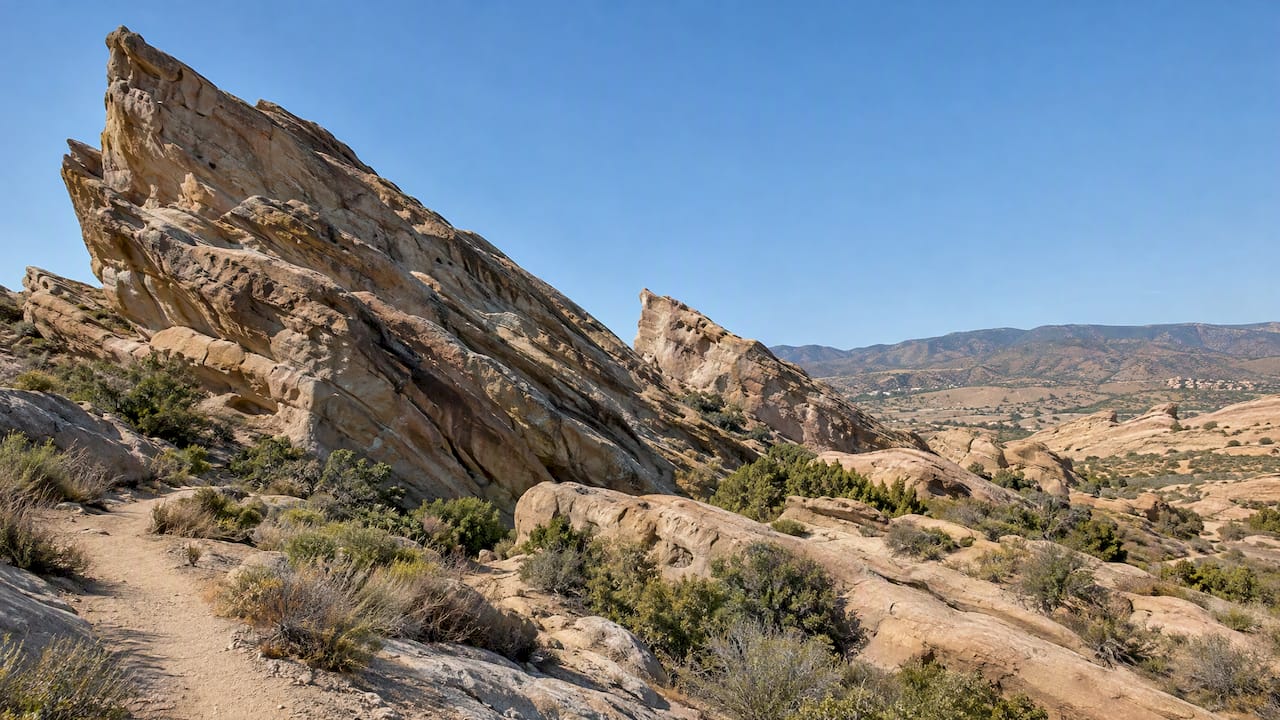
    If you only have a morning, spend it at Vasquez Rocks. The county describes the 932-acre natural area as sandstone formations tilted up at dramatic angles, with a seasonal stream, out in the high desert near Agua Dulce. You’ve probably seen it on screen even if you don’t know it. It’s a favorite filming location.

    There’s more to it than the movie connection. According to the same county page, the site’s history goes back to around 2,300 B.C.E., and in the 19th century it was a hideout for the outlaw Tiburcio Vasquez. That’s the reason it carries his name.

    My tips:

    • Stop at the Nature Center first. It gives the place context, and the trails make more sense afterward.
    • Go on a weekday morning. You’ll have the shallow caves and crevices mostly to yourself before the afternoon heat and the weekend tour groups arrive.
    • Bring more water than you think you need. This is high desert, and shade is scarce.
    • Wear real shoes. The rock is grippy but uneven, and flip-flops are a bad idea.

    If you love this kind of landscape, our guide to the best hikes in Los Angeles sorts trails by the kind of day you want, from easy to leg-burning.

    Placerita Canyon: oak shade and a little gold rush history

    Placerita Canyon Natural Area is my pick for a calmer outing. It sits on the north side of the San Gabriel Mountains, and the park describes oak woodland, chaparral and streamside plant communities, plus self-guiding nature, history and hiking trails. Longer hikes lead to a seasonal waterfall and to the top of the Santa Clarita Divide. You’ll also find the Walker Cabin, built by Frank Walker in 1920, and picnic spots near the Nature Center.

    One practical note. The park posted updated hours that included being closed on Mondays and open Tuesday through Sunday, 8:00 AM to 7:30 PM. Hours can change, so check the Placerita website before you drive out.

    The canyon is also a good place to learn about the people who were here first. Placerita’s own Indigenous cultures and history document covers the area’s cultural history and the Tataviam and earlier inhabitants. It’s worth a read before a hike, and it changes how the oaks look.

    Walk Old Town Newhall

    Main Street in Old Town Newhall is where Santa Clarita’s Western side lives. You can stroll the Walk of Western Stars, wander the shops, and grab lunch without moving your car. Nearby, William S. Hart Park pairs hillside views with early Hollywood Western history.
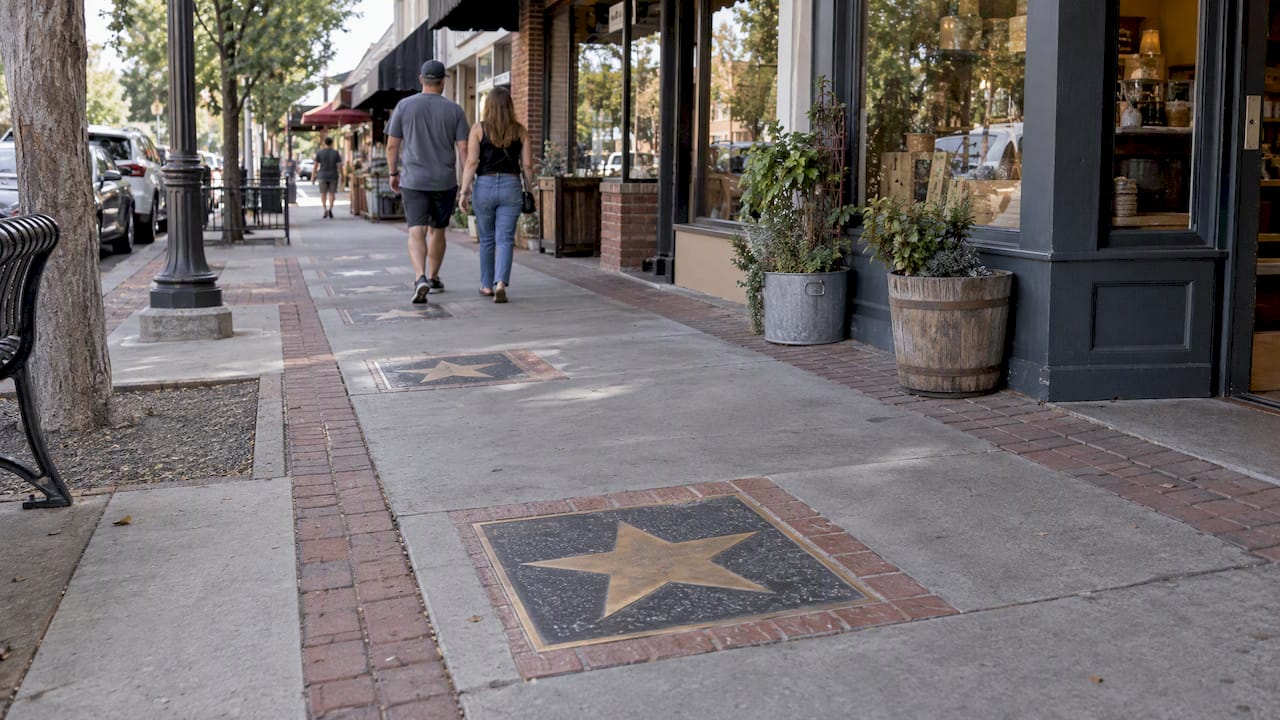
    Western Stars plaques along Old Town sidewalk

    If you want the full backstory first, the city’s history page covers outlaws, gold rushes, oil booms and busts, a catastrophic flood and the valley’s role in early filmmaking. It’s a good ten-minute read and it makes a walk down Main Street much more fun.

    A simple half-day plan:

    1. Park near Main Street and walk the Walk of Western Stars.
    2. Browse the shops and have a long lunch.
    3. Head up to William S. Hart Park for the views and the history.
    4. Finish with an early dinner in Old Town before the drive home.

    Trails, bike paths and open space

    This is the part that surprises first-time visitors. The Los Angeles Times travel guide to Santa Clarita says the area holds more than 80 miles of public hiking trails, tied together by a 30-mile system of biking paths, walkways and bridges. That’s a lot of ground for a suburban city.

    The paved paths are great if you want an easy day. You can walk, jog or bike without a car for long stretches, and they work for strollers and casual riders. Unpaved trails around the canyon edges are better when you want views and a workout.

    Some ways to match a trail to your day:

    What you want Where I’d start
    Dramatic scenery and photos Vasquez Rocks
    Shade and a quiet walk Placerita Canyon
    Easy, flat, family-friendly miles The paved path network
    History with your exercise Trails near William S. Hart Park

    The city’s Recreation and Community Services page lists the facilities it runs, including the Aquatic Center, Santa Clarita Sports Complex, Tesoro Adobe Historic Park, The Centre and The Cube. It also lists programs like archery, disc golf, tennis and pickleball. Check it when you need something to do on a day that’s too hot to hike.

    Things to do with kids

    Santa Clarita is a family-friendly place, and you don’t have to build your whole trip around a theme park. A morning at Placerita’s Nature Center, a bike ride on the paths, and a picnic by the oaks will keep most kids busy. Add a swim at a city facility on a hot day.
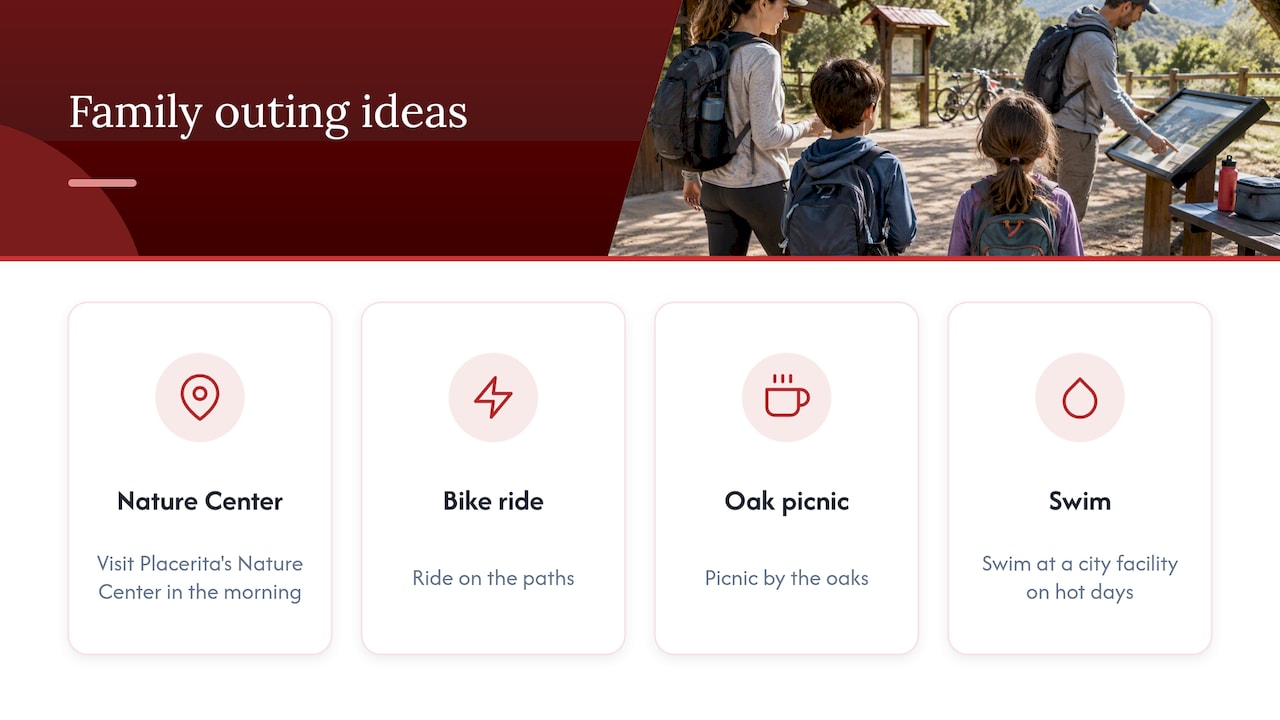
    Four family outing ideas in Santa Clarita

    When the weather turns or you need a rainy-day option, an indoor activity is the easy fix. This family-friendly activities checklist is handy for planning outings that work across different ages, and it’s a good prompt for mixing active, creative and indoor time. If you need more ideas nearby, our roundup of fun family activities near me has ten local picks.

    What about Six Flags Magic Mountain?

    Yes, it’s here, and yes, it’s the biggest draw. The city’s history page notes that the park is technically just outside the city limits, though it remains a major engine for local tourism and jobs. If coasters are the reason you’re coming, go for it.

    My honest advice is to treat it as one day of the trip, not the whole trip. Pair it with a quiet morning at Placerita or a Main Street dinner and the visit feels balanced. Check the park’s own website for tickets and hours, since those change by season.

    A sample weekend in Santa Clarita

    Here’s a plan I’d actually follow if a friend asked.

    Saturday

    • Morning: Vasquez Rocks, starting at the Nature Center. Go early, bring water.
    • Midday: Lunch in the Agua Dulce area, then head back toward the valley.
    • Afternoon: Rest, or ride the paved paths.
    • Evening: Dinner in Old Town Newhall and a stroll down Main Street.

    Sunday

    • Morning: Placerita Canyon for an easy hike and the Walker Cabin.
    • Midday: William S. Hart Park for the views and history.
    • Afternoon: Six Flags if you want coasters, or a city park and a long coffee if you don’t.

    Want to go further? The valley makes a good base. Our Southern California road trip guide covers routes and stops, and if you’d like to keep heading north into the high desert, check out our Lancaster things to do picks.

    When to visit

    Summers are hot, so I save the rocks and canyon hikes for early morning in the warmest months. Cooler seasons are friendlier for longer walks. Whatever the month, weekdays are the quiet days. Weekends bring more visitors to the outdoor spots, so start earlier than you think you need to.

    Our take on Santa Clarita

    We built SoCal Sights because Southern California has too many lists that all say the same things. Santa Clarita is a good example. Search for it and you get the same few headline attractions again and again. The better trip usually sits in the details: the weekday morning at a famous rock formation, the nature center you visit before the trail, the historic street where you linger over lunch.

    Our approach is simple. We look for places locals actually go and hear from them directly, and we favor plans you can realistically pull off in a day or a weekend. For Santa Clarita, that means pairing the one big attraction with the quieter, more layered places around it. If you’ve got a favorite spot we missed, we want to hear about it.

    — Joshua

    Want your business in front of Southern California visitors?

    If you run a restaurant, shop, tour or event in the Santa Clarita Valley or anywhere in SoCal, you can advertise with SoCal Sights and reach the people who are planning exactly these kinds of trips. Take a look at the membership page to see what’s available.

    FAQ

    What is Santa Clarita best known for?

    Most people know it for Six Flags Magic Mountain, which is technically just outside the city limits. Locals tend to point to its Western and film history, its hiking trails and its open space. Vasquez Rocks is the best-known natural landmark.

    How many days do you need in Santa Clarita?

    Two days is enough for the highlights if you plan well. Give yourself three if you want a theme park day, slower hikes and time in Old Town Newhall. Weekdays make everything easier.

    Is Santa Clarita a wealthy area?

    It’s a relatively affluent suburban city. The Census Bureau’s QuickFacts page reports a median household income of $123,062, with about 7.4% of residents below the poverty line.

    Are there free things to do in Santa Clarita?

    Yes. Walking Main Street in Old Town Newhall and hiking the trails cost nothing, and the area has more than 80 miles of public trails. Parking and entry rules vary by location, so check each site before you go.

    Sources

  • San Diego Cherry Blossoms: Check the Garden’s Bloom Before You Go

    San Diego Cherry Blossoms: Check the Garden’s Bloom Before You Go

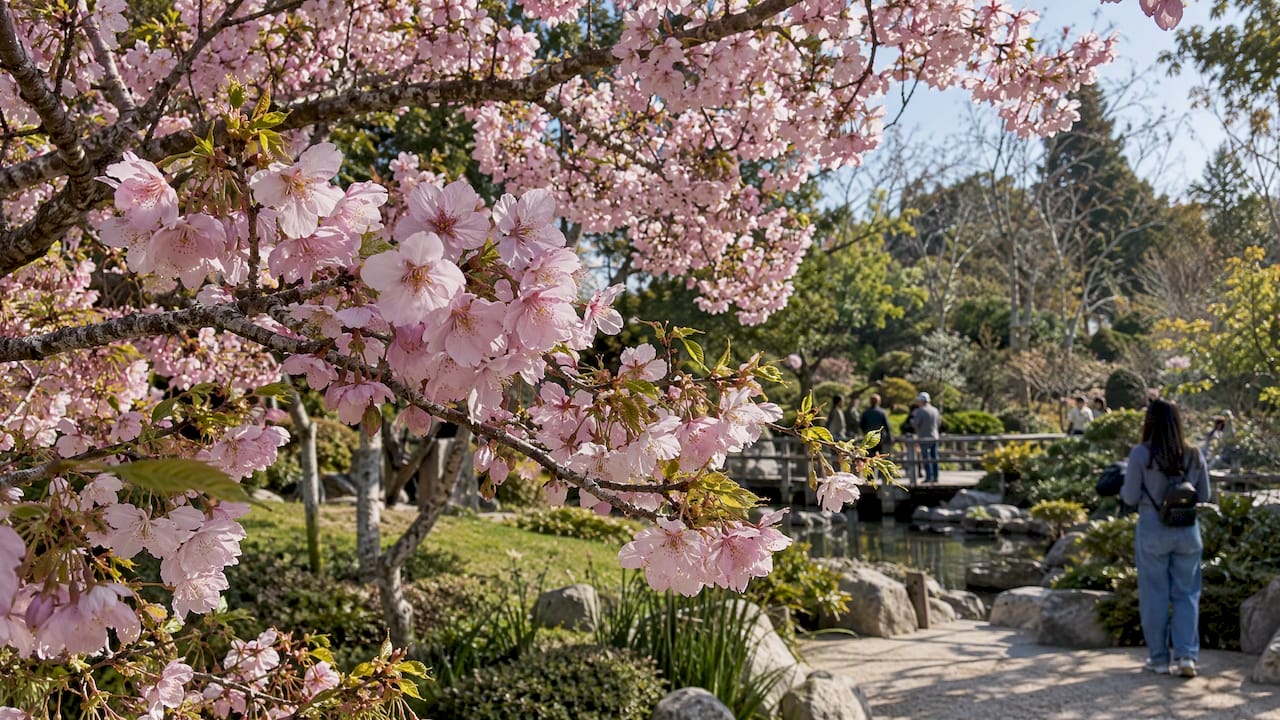
    A popular spot for cherry blossoms in San Diego is the Japanese Friendship Garden in Balboa Park, which also hosts the city’s Cherry Blossom Festival. The catch is that festival dates are set in advance while peak bloom depends on the weather, so the two may not line up. Check the garden’s bloom updates before you buy tickets or plan your day.


    TL;DR:

    • The 2026 festival ran March 12–14 and March 19–21; local reporting listed admission at $18–$25, while official ticket prices can vary.
    • The garden does not issue refunds when festival displays are sparse, so review its bloom percentage about a week before your visit.
    • The free bridge near Plaza Panama overlooks the lower garden, so check tree coverage there before paying admission or entering the garden.
    • Festival parking fills quickly, and parking is not included with admission; MTS Route 7 or Rapid 215 can help you avoid the hunt.
    • Crowded paths and steep, narrow routes can challenge wheelchair, walker, or stroller access, so call the garden ahead to discuss accommodations and allow extra time.

    Socalsights
    Find More Local Garden Gems
    Explore SoCal Sights for curated Southern California activities, food spots, and itineraries shaped by local knowledge.

    Explore Southern California

    Table of Contents

    1. Where can you see cherry blossoms in San Diego?

    Balboa Park is the heart of local cherry blossom viewing, and the Japanese Friendship Garden is a notable local spot. Here are the spots worth your time, in the order we’d visit them:

    • Japanese Friendship Garden & Museum (JFGM): The cherry grove sits in the lower garden, and that’s where the main display happens. It’s a notable choice because the trees are planted with paths, ponds and Japanese garden design all around them, so every photo has a story behind it.
    • The bridge near Plaza Panama: This elevated spot gives you a free overview of the lower garden without going inside. It’s handy when you want to gauge how full the bloom is before paying for admission.
    • Other Balboa Park viewpoints: Walk the rim of the canyon and you’ll find a few more angles looking down toward the garden. They’re good for wide shots with the park’s Spanish Colonial buildings in the frame.
    • Neighborhood parks and streets: Cherry trees are planted in some local parks and public spaces around the county. Treat these as bonus finds rather than planned destinations, since bloom windows shift from tree to tree.

    For quieter moments, go on a weekday morning or late in the afternoon. Mornings give soft light and thinner crowds at the garden, and the bridge is pleasant almost any time of day.

    2. Cherry Blossom Festival dates, tickets, and what to expect

    The 2026 festival ran across two separate weekends: March 12–14 and March 19–21. That multi-weekend format means you can pick the weekend that suits your schedule, or go twice if you like.

    Here’s what to know before you go:

    • Ticket types: The garden lists pre-sale, standard, day-of and Express Pass tickets, with price ranges shown on the official ticket page. Local reporting on the 2026 festival referenced admission of $18–$25, so buying ahead is usually the smarter move.
    • Programming: Expect performances, a children’s area, food vendors, a beer and sake garden, merchant vendors, community art and seasonal features. It’s a celebration of hanami, the Japanese tradition of enjoying blossoms together.
    • Hours: Public listings described festival days running from 10 AM to 5 PM or 6 PM, with a last admission time before closing. Check the ticket page for the exact schedule on the day you’re going, since hours can change.
    • Official listing: The city also keeps an event page for the Cherry Blossom Festival at the Japanese Friendship Garden, which is useful for double-checking dates.

    If you want to see the garden’s longer-running seasonal art, the garden has hosted community exhibits like the Sakura display across February through April in past years.

    3. When do cherry blossoms peak in San Diego?

    3. When do cherry blossoms peak in San Diego? — overview diagram

    Peak bloom varies from year to year depending on the weather. A warm stretch can pull it earlier, and a cool one can push it back. Once a tree is fully open, its bloom window is short.

    That’s why festival dates and peak bloom don’t always match. The garden is upfront about it: peak bloom is weather-dependent, and refunds aren’t issued if there’s little to no display during the festival. The programming stays lively either way, but if the blossoms are your main reason for going, timing matters.

    The garden posts bloom percentage updates on its website, so you can check how open the trees are before you commit to a date. Source: Japanese Friendship Garden Q&A

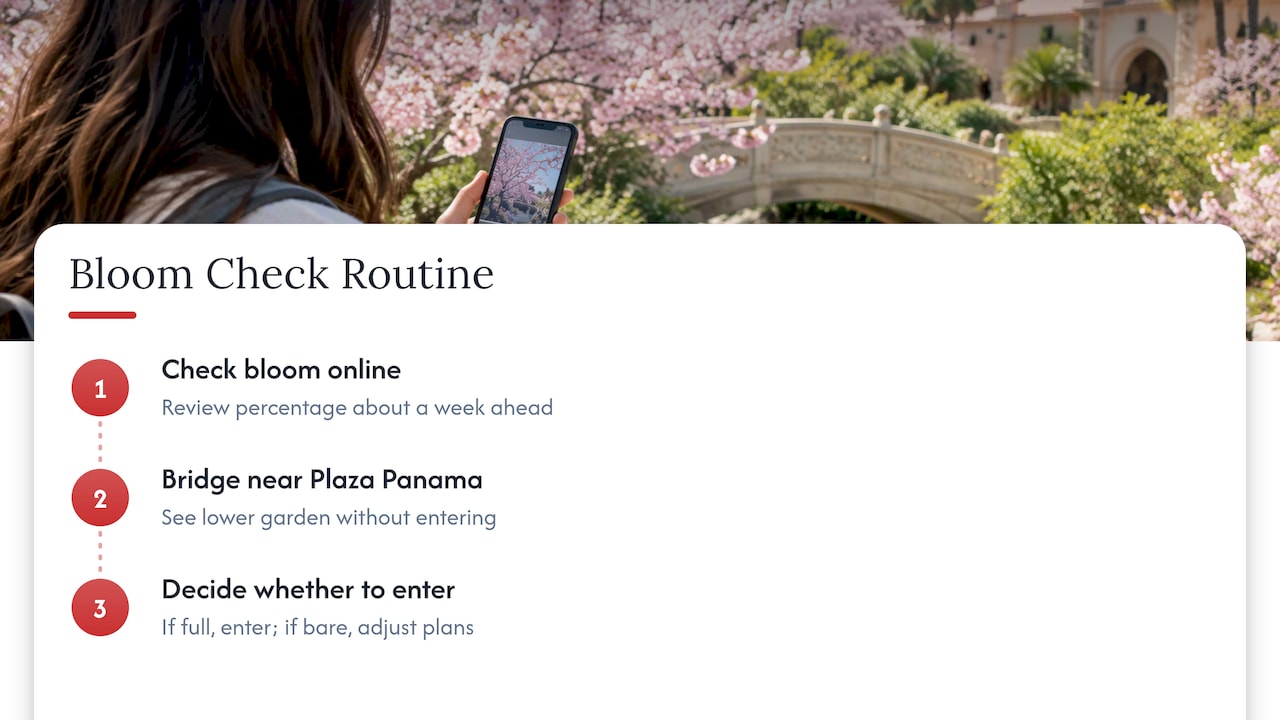
    Here’s a simple routine. A week or so before your visit, check the bloom percentage. On the day, stop at the bridge near Plaza Panama first, since the garden notes it’s a useful elevated vantage for seeing the lower garden’s bloom without entering. If the trees look full, head in. If they’re still bare, you can adjust your plans.

    4. Getting there: transit, parking, and crowds

    Balboa Park gets busy during the festival, and parking is the first thing to go. San Diego’s transit agency recommends MTS Route 7 or Rapid 215 because parking in the park is heavily impacted during the event. Parking near the garden isn’t included with festival tickets either, so plan for that cost and the walk.

    1. Check your ticket and the festival hours, and note the last admission time.
    2. Take MTS Route 7 or Rapid 215 if you can, and skip the parking hunt.
    3. Arrive early, or aim for late afternoon before last admission, to dodge the thickest lines.
    4. Build in extra time to move between the garden’s paths, which slow down during peak hours.
    5. Call ahead if you need accessibility accommodations.

    Pro Tip: The garden warns of extreme crowds and limited mobility at peak festival times, so if anyone in your group uses a wheelchair, walker or stroller, call ahead and plan for extra time on the paths.

    5. Visitor tips for families, photographers, and accessibility

    A little prep makes the day smoother, whether you’re chasing photos or wrangling kids.

    • Pack smart: Layered clothing, water, sun protection and a small bag for purchases will cover most of what you need.
    • Photographers: Early morning and late afternoon give the best light. A weekday or early entry helps you avoid crowds in your frame, and the bridge near Plaza Panama is a great spot for an overview shot.
    • Families: Ask about admission for young children before you go, and think about a baby carrier instead of a stroller, since some garden paths are steep and narrow.
    • Mobility: Crowded paths and limited flat routes can be tough. Move slowly, take breaks, and call the garden ahead of time to talk through your options.
    • Pace yourself: The festival has a lot going on. Pick two or three things you want to see and let the rest be a bonus.

    6. Where to eat near the cherry blossoms

    Between the festival food vendors and Balboa Park’s own dining, you can eat well without leaving the area. Inside the garden, the festival has food vendors and a beer and sake garden, so you can graze while you walk. That’s the easiest option if you want to stay in the moment.

    When you’re ready for a proper meal, walk out toward the park’s central spine. The area around the Prado and Plaza de Panama has cafes and sit-down spots, and there’s usually a place to grab coffee and a pastry before heading in. Weekday mornings are calmer, and a late lunch after the lunch rush works well.

    If you’re making a full day of it, think about the order. A light snack before you go in keeps you from rushing, and a sit-down dinner afterward gives you something to look forward to once the crowds thin. Call or check hours ahead, since park restaurants change schedules around big events.

    For a wider list of ideas, our guide to free San Diego picks and Balboa Park tips can help you stretch the budget, and our San Diego weekend itinerary covers coastal views and local flavor if you’re staying longer. We don’t name specific restaurants here because menus and hours shift, so we’d rather point you to what’s current than send you somewhere closed.

    7. How to build a fuller itinerary around your visit

    The cherry blossoms take a morning or an afternoon, not a whole day, so pair them with something else. Balboa Park itself is the obvious partner. Once you’ve seen the garden, wander the park’s other gardens, plazas and museum buildings, and you’ve got a full day without driving anywhere.

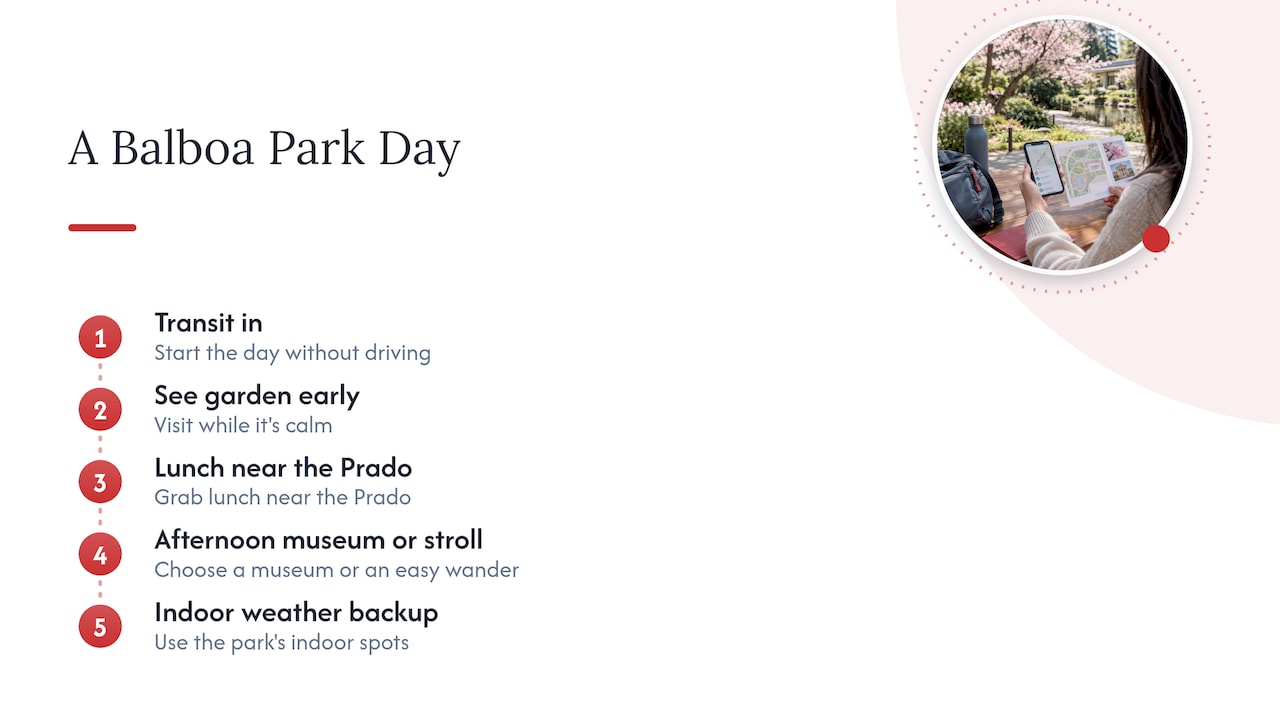
    A simple plan looks like this: take transit in, see the garden early when it’s calm, grab lunch near the Prado, and spend the afternoon on a museum or a stroll. If the weather turns, the park’s indoor spots give you a backup.

    Suggested sequence for a Balboa Park day

    Want to stretch it into a weekend? Our San Diego weekend itinerary pairs park time with coastal views. If you love flowers more than blossoms specifically, the Carlsbad Flower Fields are another seasonal option a short drive north, and Japanese garden fans heading up the coast can compare notes with our look at Japanese gardens in Los Angeles.

    The trick is not to overschedule. One main event, one meal you’re looking forward to, and one easy wander is plenty.

    Why hanami is worth the planning

    I think of hanami as the one time of year when a whole city agrees to slow down and look at something beautiful together. Here in San Diego it’s a smaller, friendlier version of the big blossom celebrations, and that’s part of the charm. My tip: if you miss the festival weekend, go on a quiet weekday morning and watch the light hit the trees from the bridge. It costs nothing and feels like a secret. If you’ve got a favorite hidden spot or a photo you’re proud of, send it our way, because we love sharing what locals find.

    — Joshua

    Reach seasonal visitors with SoCal Sights

    Socalsights

    Festival season brings crowds looking for things to do, and we help local businesses and event organizers get in front of them. If you run a shop, food spot or event near Balboa Park, our Advertise With SoCal Sights membership puts you in front of people planning their days.

    • Seasonal visibility for local vendors and organizers
    • Featured placements next to guides readers already use

    Visit our membership page to see how it works and get started.

    FAQ

    Where are there cherry blossoms in America?

    Cherry blossoms grow in many parts of the country, with some of the best-known displays in the Washington, D.C. area. In Southern California, the Japanese Friendship Garden in San Diego’s Balboa Park is a top local spot, and it hosts a yearly Cherry Blossom Festival.

    Is the Japanese Friendship Garden in San Diego dog friendly?

    The garden’s official pages don’t give a clear answer, so check with the garden before you bring a dog. Call ahead or review the garden’s visitor policies, especially on festival days when the paths get crowded.

    Can I grow cherries in San Diego?

    Cherry trees can be tricky in San Diego’s mild climate because many varieties need cold winters. If you’re curious, ask a local nursery which flowering varieties suit our area, since ornamental blossom trees and fruiting cherries have different needs.

    Why did they cancel the Cherry Blossom Festival?

    We don’t have an official source that confirms a cancellation, so check the garden’s festival page for the latest status. The garden also explains that bloom timing and festival dates often don’t align, and that refunds aren’t given if blooms are limited.

    Sources

  • Los Angeles Drive In Theaters: Check Vineland Before You Go

    Los Angeles Drive In Theaters: Check Vineland Before You Go

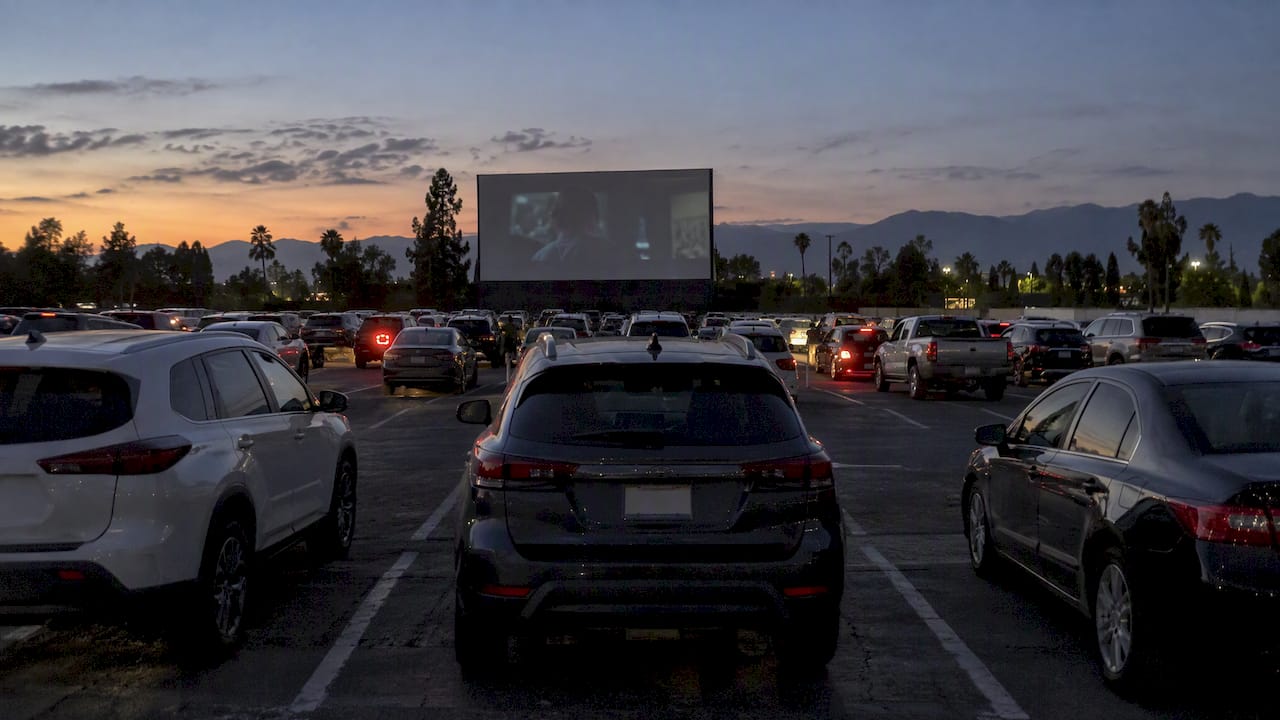
    For drive in theaters Los Angeles offers a short, real list: Electric Dusk, Paramount Drive-In Theatres, Vineland Drive-In Theatre, and Cinespia’s outdoor screenings. Electric Dusk is a long-running drive-in, while Vineland is seasonal. Always check showtimes and tickets before you hit the road.


    TL;DR:

    • Vineland is seasonal, so confirm it is open and check current film listings before making the drive with your group.
    • Paramount’s theater has multiple screens and concessions on site; verify entry details and consider a diner along Rosecrans Avenue before the show.
    • Check official venue pages or social accounts before leaving, and call to confirm the start time, entry window, and double feature runtime.
    • When a drive in is booked or closed, Marina Movie Nights offers a lawn screening; arrive by 7 p.m. for its 8 p.m. start.

    Socalsights
    Find More SoCal Night Ideas
    Explore SoCal Sights for curated local recommendations on activities, food spots, and unique itineraries across Southern California.

    Table of Contents

    Which LA drive-in movie spot fits your night?

    Picking a venue comes down to the kind of night you want. Here’s how the options line up, based on what we know about each one.

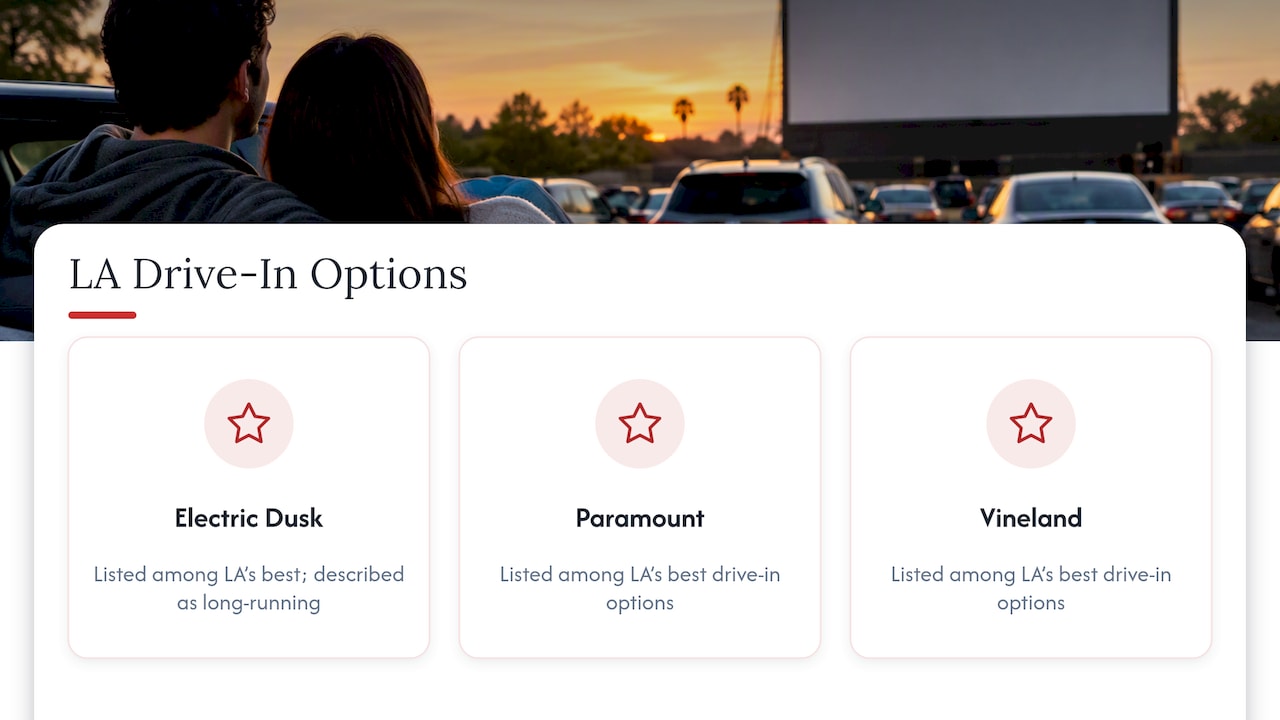
    Visit California lists Electric Dusk, Paramount, and Vineland among the best drive-in options around LA, and describes Electric Dusk as a long-running drive-in. For tonight’s lineup, jump to our showtime checklist below.

    Three drive-in options near Los Angeles

    What to know about each drive-in before you go

    Here’s the practical stuff for each spot, plus an easy way to round out the evening.

    • Electric Dusk Drive-In (Glendale): This is a long-running drive-in option. Expect a drive-in screening. Check the venue’s current information for audio and food details. Grab a bite in Glendale before you roll in.
    • Vineland Drive-In Theatre (City of Industry): Vineland is seasonal, so confirm it’s open before you drive out. Check the current film listings to see whether there’s an option for everyone in your group. Pick up dinner nearby and arrive with the kids already fed.
    • Paramount Drive-In Theatres (Paramount): The Paramount listing gives the address as 7770 Rosecrans Ave and notes multiple screens and on-site concessions. The listing notes multiple screens and on-site concessions. Check the venue’s current entry details before you go. Local diners along Rosecrans are an easy pre-show stop.
    • Cinespia (Greek Theatre and Hollywood cemetery events): These screenings offer an alternative to a classic car-based drive-in. Check the event format and booking details before you go. Make a night of it with dinner in Los Feliz or Hollywood.
    • WE Drive-Ins (Santa Monica): Check current event listings for details. Pair it with a walk along the beach before the sun drops.
    • The Roadium (South Bay): A Yelp roundup of local drive-in and drive-thru spots includes The Roadium alongside Paramount and Electric Dusk, with reviewers mentioning concessions and radio audio. Check current event listings for details before making plans.

    If you’d rather scout a sunset first, our photo-ready sunset spots guide covers parking and transit.

    How do you plan a smooth drive-in night?

    A little prep makes the difference between a great night and a stressful one.

    1. Arrive early. Some events advise arriving early because seating is first come, first served. Check the venue’s guidance before you go.
    2. Sort your audio. Tune your FM radio to the channel posted at the venue, or use an app if the theater offers one, and test it before the film starts.
    3. Park smart. Follow the venue’s parking and vehicle guidance. Scope out restrooms and accessibility when you arrive.
    4. Pack your food. Check whether the venue sells concessions or allows outside snacks. Bring a bag and take your trash home.
    5. Plan your exit. Expect a slow roll out after the credits, and set rideshare pickups away from the main exit.

    Pro Tip: Fill your tank and charge your phone before you go, then park near the back so you can leave early if the double feature runs long.

    For more on leaving a crowded event without the gridlock, these concert parking tips are worth a skim.

    What are the outdoor movie alternatives in LA?

    If a drive-in is booked or closed, a lawn screening may be an alternative. These are different experiences, and some events recommend bringing a blanket or low-back chair.

    • Marina Movie Nights: The county event listing shows scheduled Saturday films in late summer and advises arriving early because seating is first come, first served. The Marina del Rey page suggests arriving by 7 p.m. for an 8 p.m. start and bringing blankets and low-back chairs.
    • Torrance Movies in the Park: The city’s listing covers seasonal community screenings with guidance on arrival time, seating, and accessibility.
    • More ideas: Our guide to free nights and rooftop outdoor movies rounds up more options.

    How do you check showtimes and buy tickets?

    Confirm before you leave, every time.

    • Official pages first: Start with the venue’s own website or social accounts for the freshest schedule.
    • Statewide map: The California drive-in map lists operating drive-ins with hours, films, and directions.
    • Call ahead: Confirm start time, the entry window, and double feature runtime.

    Pairing a drive-in with the rest of your SoCal night

    I like treating a drive-in as the final act of an outing, not the whole plan. Start with dinner, catch a sunset, then roll into the lot as the sky goes dark. Got a favorite screen or a tip we missed? Send it our way.

    — Joshua

    Plan the whole evening with us at SoCal Sights

    Drive-ins are one way to spend a night out. We built SoCal Sights for the rest of it too: the dinner spot, the sunset, the hidden gem you’d never find on a mainstream list. Our guides come from locals who share what they actually love, so you spend less time scrolling and more time out the door.

    Not sure where to start? Browse our fun activities near me guide and build your next outing in minutes. Run a local business or put on events? See how to advertise with SoCal Sights and get in front of readers who are planning their weekends right now.

    Socalsights

    FAQ

    What are some of the best movie locations in Los Angeles?

    For watching a film outdoors, drive-ins like Electric Dusk and Paramount are standout choices, along with Cinespia’s themed screenings. Visit California also highlights classic and modern theaters across the city.

    How many drive-in theaters are left in America?

    The exact count changes, so we don’t quote one here. The California drive-in map is a handy way to see which drive-ins are open in the state right now.

    Where do movie premieres usually take place?

    Premieres are typically held at major Los Angeles theaters, but locations vary by studio and film. Check each event’s official announcement for the venue.

    Can a regular person go to a movie premiere?

    Premieres are usually invite-only or tied to ticketed events, so access depends on the studio. For a public movie night, check the event details for access and what to bring.

    Sources

  • Malibu Wine Tasting: Hidden Gems, Booking Rules, One Easy Day

    Malibu Wine Tasting: Hidden Gems, Booking Rules, One Easy Day

    For scenic vineyard views, reserve a seated tasting at Rosenthal. For a casual, event-friendly tasting room, head to Malibu Wines & Beer Garden. For wine with a sunset terrace, pick The Barn at Cielo Farms, and for an active day, try Malibu Wine Hikes. Most spots run on reservations, so book ahead.


    TL;DR:

    • Rosenthal requires reservations, allows 2.5 hours without prepayment, while Malibu Wines charges a $20 per person deposit credited toward the final tab.
    • Bring a physical government issued photo ID for every guest, since some venues enforce a strict 21+ policy; weekends fill quickly, so reserve early.
    • Malibu Wine Hikes lasts two hours and includes trail walking, so wear sturdy shoes and bring water; seated tastings or tasting rooms suit visitors with limited mobility.
    • Roads through the Santa Monica Mountains are winding, and parking can include valet at peak times; arrange a driver or rideshare if visiting multiple wineries.

    Socalsights
    socalsights.com
    Find More Malibu Experiences
    Explore SoCal Sights for curated Southern California activities, local food spots, and itineraries beyond your wine tasting.

    Explore local recommendations

    Table of Contents

    Which Malibu wineries and tasting experiences fit your visit?

    Malibu wine country is small, and that works in your favor. You can compare nearly every option in one sitting, and each one has a clear personality. Here is how the main ones line up.

    Venue Experience type Reservation Setting Best for
    Malibu Wines & Beer Garden Tasting room Deposit when reserving Historic building, garden Events, casual tastings
    Rosenthal – The Malibu Estate Vineyard seated tasting Required Vineyard views Scenic, relaxed visits
    Cornell Wine Co. Tasting room Check venue Indoor tasting room Guided pours
    The Barn at Cielo Farms Wine bar Check venue Barn and terrace Sunset views, wine plus food
    Malibu Family Wines Tasting Check venue Local winery Casual groups
    Strange Family Vineyards Estate tasting Check venue Small-batch winery Boutique wine fans
    Malibu Wine Hikes (Saddlerock Ranch) Guided hike Ticketed Ranch trails Active visitors
    Malibu Rocky Oaks Estate Vineyards Estate visit Check venue Mountain views Special occasions
    Malibu Wine Safari 4×4 tour Ticketed On-property tour Novelty seekers

    Here is what to know about each, starting with the vineyard and tasting-room options:

    • Malibu Wines & Beer Garden: A historic building turned tasting room that hosts creative experiences and seasonal pop-ups. Good for a drop-in vibe, though you should still reserve.
    • Rosenthal – The Malibu Estate (also called Rosenthal Wine Bar & Patio): A seated, reservation-based tasting at what Rosenthal calls the only vineyard in the Malibu–Newton Canyon AVA. Plan a long, easy afternoon.
    • Cornell Wine Co. (Cornell Winery & Tasting Room): A tasting room known for guided, winemaker-led pours. A good fit for small groups who want to ask questions.
    • The Barn at Cielo Farms (Cielo Farms Vineyard & Wine Bar): A boutique vineyard where the wine bar serves flights daily in the Barn and on the Terrace. Come around golden hour.
    • Malibu Family Wines: Approachable, coastal-style wines that suit relaxed groups who do not want a fussy tasting.
    • Strange Family Vineyards: Small-batch, estate-driven wines for people who love boutique producers.
    • Malibu Rocky Oaks Estate Vineyards: An ultra-premium estate with dramatic mountain views, a strong pick for a special occasion.

    The active and novelty options work differently:

    • Malibu Wine Hikes (Saddlerock Ranch): A two-hour guided hike with tasting stops, ticketed rather than walk-in.
    • Malibu Wine Safari: An off-road ride with on-property tasting and wildlife encounters. Pure fun for groups.

    How do you book a Malibu wine tasting without surprises?

    Booking rules vary, but a few patterns repeat across the region. Rosenthal runs reservation-based tastings with a 2.5-hour visit window, no prepayment, and purchases made on-site. Malibu Wines asks for a $20 per-person reservation deposit credited toward your final tab.

    1. Pick your venue and date, then check its official booking page or OpenTable listing.
    2. Reserve for your full headcount, since deposits and seating are usually tied to group size.
    3. Read the deposit terms so you know whether it applies to your tab.
    4. Confirm your arrival time and the length of your seating window.
    5. Bring a physical, government-issued photo ID for everyone in your party.

    The same visitor page states a strict 21+ policy with physical ID required. Weekends fill first, so book early for Friday through Sunday, and look at cancellation terms before you pay anything.

    Pro Tip: Weekdays are calmer and easier to book. If you can swing a Thursday afternoon, you will likely get a better table and more time with the staff.

    Which type of tasting experience matches your style?

    Malibu offers several formats, and picking the right one matters more than picking the “best” winery.

    • Seated vineyard tastings: Quiet, scenic, and usually reservation-based. Best for dates, anniversaries, and photo lovers who want a view and no rush.
    • Tasting rooms: Casual and often events-driven. Convenient for groups and anyone who wants a looser, social feel.
    • Wine hikes: A two-hour guided walk with tastings. Expect real trail walking, so wear sturdy shoes and bring water.
    • Safaris and off-road tours: Bumpy, playful, and great for novelty seekers. Check mobility needs before you book.

    Low-mobility visitors will usually be happiest with a seated tasting or a tasting room. Active friends will love the hike.

    How do you plan the drive, parking, and a full day?

    Most Malibu wineries sit in the Santa Monica Mountains and along the coast, and the Malibu Coast wine trail map shows where they cluster. Roads are winding, so give yourself extra drive time.

    • Parking: Expect on-site lots, and valet at peak times at some venues. Arrive a little early on weekends.
    • Ride-share or a driver: If you plan more than one stop, skip driving yourself. Name a designated driver if you do.
    • Half-day plan: One vineyard tasting at midday, then a tasting room or wine bar for a later flight.
    • Full-day plan: A morning wine hike, a lunch break, then a seated tasting in the afternoon.

    Want to round out the day with a beach stop? Our guide to Malibu hidden beaches pairs nicely with a tasting.

    What etiquette and value tips improve a tasting?

    A few habits make any visit smoother and cheaper.

    • Bring a physical ID. Venues card strictly under their 21+ policies.
    • Confirm picnic and outside-alcohol rules first. Rosenthal describes a picnic-friendly policy, but other venues differ.
    • Ask about membership perks if you will return. The Barn lists priority seating and tasting credits for members.
    • Check each venue’s events calendar, since live music or a pop-up can change the whole mood.

    Pro Tip: Eat a real meal before your first pour and drink water between tastings. You will enjoy the later wines more.

    What should you eat around Malibu wineries?

    Food changes a tasting from good to memorable, and Malibu gives you options. The Barn at Cielo Farms is one of the spots that works well as a wine-plus-food stop, and local listings of Malibu-area wineries with food also surface Rosenthal as a go-to.

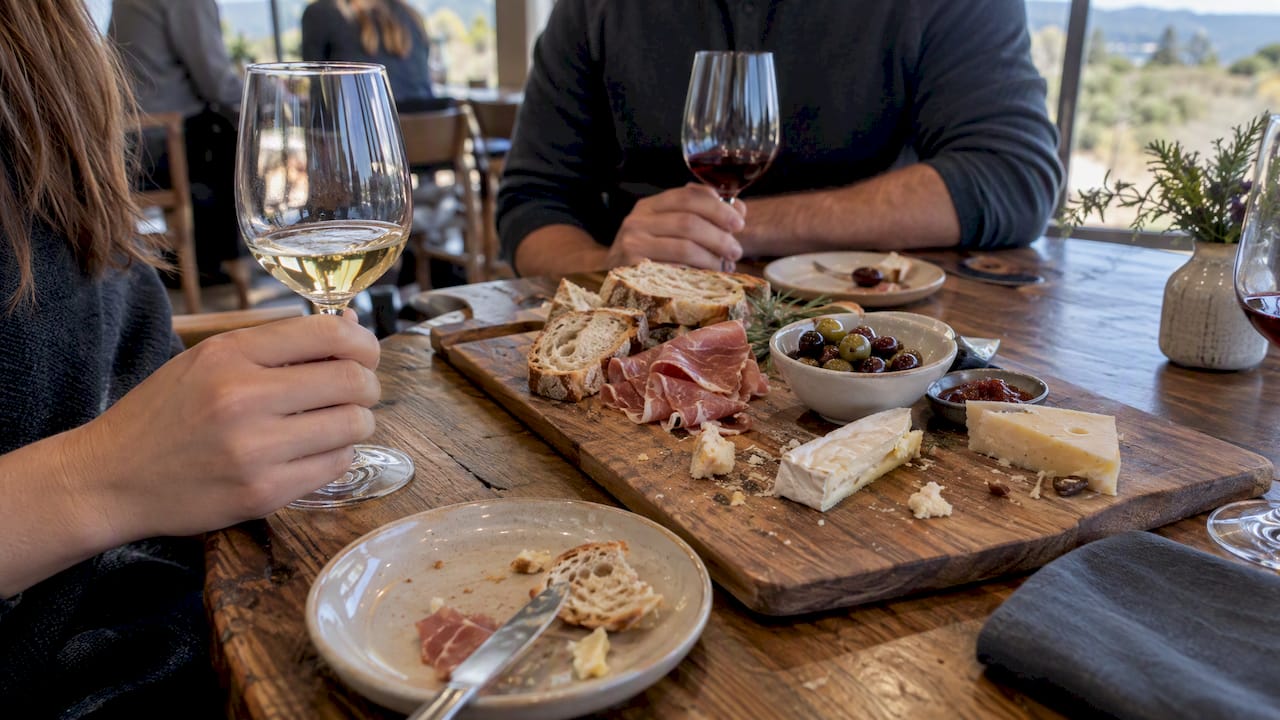
    Think coastal and simple. Lighter whites and rosés go well with seafood, salads, and fresh vegetables, while reds suit grilled meats and aged cheeses. A cheese and charcuterie board is the easy default at a wine bar, and it lets you taste how each pour shifts with different bites.

    Cheese and charcuterie beside wine glasses

    If your venue allows picnics, packing your own spread can be one of the best-value moves of the day. Bring cheese, bread, fruit, and olives, and confirm the policy before you arrive. If it does not, plan a meal in town before or after your tasting rather than loading up on pours with no food.

    Timing helps, too. A late-morning tasting followed by a seafood lunch gives you a gentler day than a late-afternoon tasting that runs into dinner. If you are heading up from Los Angeles, build the meal into your route so you are never driving hungry.

    What wines and grapes will you taste in Malibu?

    Malibu is a cool-climate coastal region, and the terrain shapes the wine. Rosenthal explains that the AVA’s microclimates shape distinct flavor profiles, which is why two vineyards a short drive apart can taste quite different.

    Expect a mix of familiar grapes grown in a coastal setting. You will commonly see Chardonnay and Cabernet Sauvignon on tasting menus, along with Pinot Noir, Syrah, and rosé at various producers. Menus change by season and vintage, so ask the host what is pouring and what is new.

    Style varies by producer. Malibu Family Wines leans approachable and coastal, Strange Family Vineyards focuses on small-batch estate wines, and Malibu Wine Company describes its wines as ultra-premium, made from a vineyard in the Malibu Coast AVA.

    A good approach is to start light and move toward bolder pours. Ask for a flight so you can compare grapes side by side, and tell your host what you usually drink. Staff love steering you toward something you did not expect to like, and that is often where the best bottle comes from.

    Are there wine events and festivals in Malibu?

    Malibu’s calendar leans on venue-hosted events rather than one big festival. The tasting room at Malibu Wines hosts seasonal pop-ups and creative experiences, and Rosenthal offers live and curated music that can turn a quiet tasting into an evening out.

    Because schedules shift, treat each venue’s own events page as the source of truth. Special dinners, music nights, and seasonal releases tend to pop up around holidays and in warmer months, and some venues host private-event and celebration bookings.

    A smart habit is to check the calendar before you pick your date. A live-music night changes the vibe from hushed and scenic to lively and social, which is wonderful if you want that and a letdown if you were hoping for quiet. If you are visiting from out of town, line up your dates with an event and you get a bonus without any extra planning.

    For wider ideas, our roundup of unique things to do in Los Angeles can help you fill out the rest of your trip.

    How do you plan a tasting for groups, families, or a celebration?

    Groups change the math, so plan earlier than you think you need to. Reserve for your full headcount and confirm whether a deposit scales with party size. Larger parties often face a gratuity policy, so ask at booking.

    For celebrations, tell the venue what you are marking. Hosts can often point you to the best table or a quieter corner. Rosenthal, with its seated, relaxed format, and the estate-style settings are natural fits for birthdays and anniversaries.

    Mixed groups work best when you pick a venue with room to spread out. A tasting room with a garden suits a bigger, looser crowd, while a seated vineyard visit suits a smaller group. Call ahead about children, since many tasting rooms enforce 21+ rules, and arrange a designated driver or ride-share before the first pour.

    Keep your group’s pace in mind, too. A hike or safari can be a better icebreaker than a long seated tasting if some of you are less into wine. Finish with a shared meal so everyone leaves happy.

    What is my favorite way to spend a Malibu tasting day?

    I keep coming back to Malibu for the mix of coastal air and unhurried pours. My go-to half day: a late-morning seated tasting at a vineyard, a light lunch, then a golden-hour flight at a wine bar with a terrace. It is easy, scenic, and you never feel rushed. Got a spot we missed? Send it our way and we will add it.

    — Joshua

    Looking for more local ideas beyond wine?

    Wine is just one slice of Southern California, and that is exactly what we cover. At SoCal Sights, we curate hidden gems, local food spots, and unique itineraries for both locals and visitors, with community-driven picks you will not find in mainstream guides. We are a different route to the same goal as the wineries above: we help you build the rest of your day around them.

    Socalsights

    If you run a local business or organize events and want Southern California visitors to find you, our advertising and membership options put you in front of people actively looking for things to do. Pricing is available on request. Reach out and tell us what you offer.

    FAQ

    What are the best wine trips to take in the USA?

    It depends on your style, but Malibu is a strong pick for a short coastal trip near Los Angeles. Many visitors also build weekend plans around regional wine areas. For ideas close to home, see our weekend getaways from Los Angeles.

    What are some fun date ideas for Malibu?

    A seated vineyard tasting and a sunset terrace flight make an easy, romantic pairing. Add a coastal stop from our Malibu hidden beaches guide to round out the day. Book ahead, since most tastings are reservation-based.

    Do you need a reservation for Malibu wine tasting?

    Usually, yes. Rosenthal’s tastings are reservation-based with a 2.5-hour window, and some venues require a deposit. Always check the venue’s booking page first.

    How old do you have to be to taste wine in Malibu?

    Many tasting rooms enforce a strict 21+ policy and require a physical photo ID, as Malibu Wines states on its visit page. Bring a government-issued ID for every guest.

    Sources

  • 3 Julian Pie Shops for San Diego Day Trips, With a Quiet Detour

    3 Julian Pie Shops for San Diego Day Trips, With a Quiet Detour

    If you’re heading to Julian for pie, start with these three: Julian Pie Company, Mom’s Pie House, and Apple Alley Bakery. For a first-time visitor with limited time, Julian Pie Company is a strong option thanks to its long track record, daily hours, and shipping options if you want more pie after you get home.


    TL;DR:

    • Julian Pie Company sells its Original Apple pie for $28.95 and ships by FedEx with two day or overnight delivery on select weekdays.
    • Arrive before 11 AM on weekdays to miss peak crowds; Mom’s Wynola Garden location offers outdoor seating and fewer crowds than its Main Street shop.
    • Apple Alley suits diners seeking a meal or dietary options, with lunch service and gluten free and vegan pies uncommon among Julian bakeries.
    • Choose flaky double crust apple pie for a tart, buttery slice, Dutch crumb topping for a sweeter crunch, or natural apple for less added sugar.

    Socalsights
    Find More Southern California Gems
    SoCal Sights shares local recommendations for food spots, activities, and itineraries to help you discover authentic experiences across the region.

    Explore local recommendations

    Table of Contents

    1. The top pie shops on Julian’s Main Street

    Julian’s small downtown packs several beloved bakeries within a few blocks, so you can realistically taste more than one in an afternoon. Here’s where locals and visitors both end up:

    • Julian Pie Company: best for classic, flaky apple pie and the most dependable hours.
    • Mom’s Pie House: best for scratch-made pies with a quieter second location outside town.
    • Apple Alley Bakery: best for a sit-down lunch with gluten-free pie options.

    Main Street is walkable, so hopping between all three in one visit is easy if you’ve got the appetite for it.

    2. Julian Pie Company: location, signature pies, and shipping

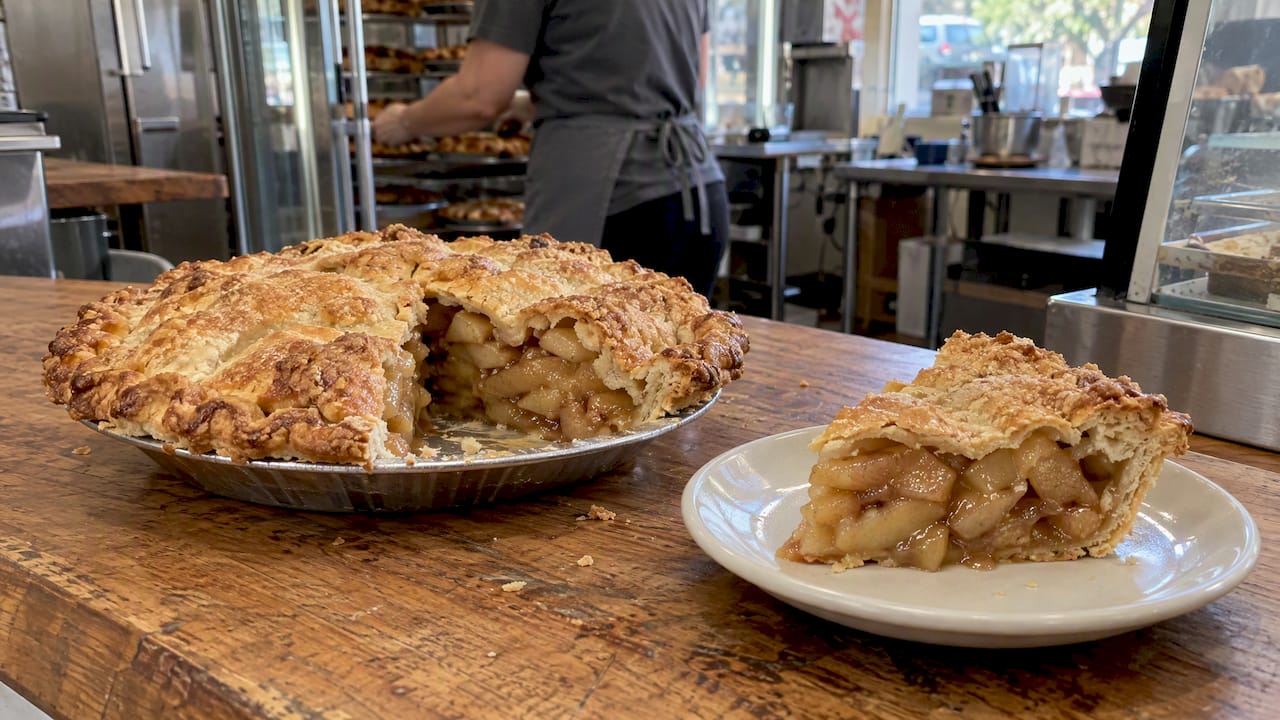
    Julian Pie Company sits at 2225 Main Street in Julian and keeps daily hours from around 9am to 5pm, according to its product page. The shop’s signature is the Original Apple pie, a whole pie priced at $28.95, alongside Dutch Apple and Natural Apple versions for different sweetness and topping preferences.

    If you can’t finish your pie before heading home, Julian Pie Company ships whole pies by FedEx, with 2-day and overnight delivery windows available on certain weekdays. That makes it realistic to order ahead or send a pie to someone who couldn’t make the trip.

    Part of the draw here is the story behind it. Travelmag describes the shop as a family operation with deep orchard roots, the kind of place that’s earned its spot as a Main Street fixture rather than a tourist gimmick.

    3. Mom’s Pie House and its quieter Wynola Garden outpost

    Mom’s Pie House has been baking from scratch daily since 1984, and its Main Street flagship sits at 2119 Main St in the heart of Julian’s downtown pie row. Expect the usual favorites here: apple in several styles, plus seasonal fruit pies that rotate with the harvest.

    What sets Mom’s apart is its second location. The Wynola Garden outpost, a few minutes outside downtown, serves a similar menu with outdoor seating and noticeably fewer crowds than the Main Street shop during peak weekends. If you’ve driven up and hit a long line on Main Street, Wynola Garden is worth the short detour, especially if you’d rather eat your slice at a picnic table than standing on a sidewalk.

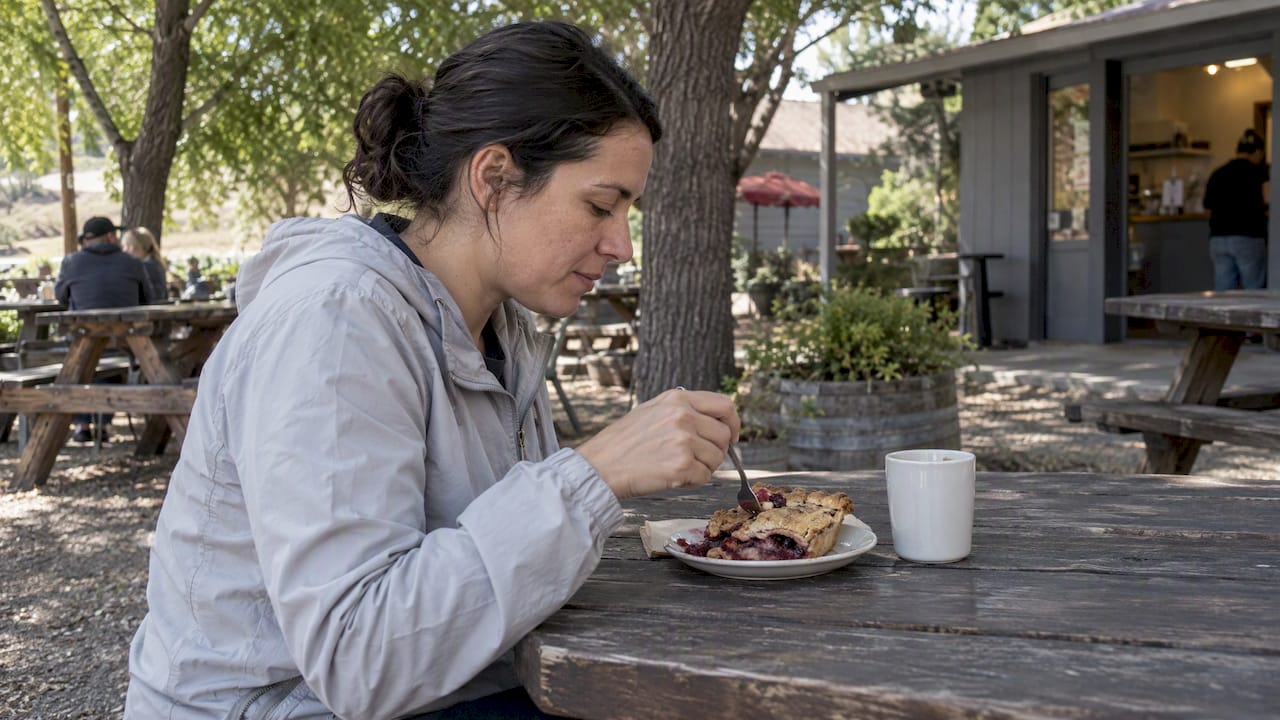
    Visitor eating pie at Wynola outdoor seating

    Both locations list their own hours and contact details on Mom’s Pie House’s site, so it’s worth checking before you commit to one over the other depending on your route into town.

    4. Apple Alley Bakery: lunch, gluten-free pie, and local favorites

    Apple Alley Bakery sits at 2122 Main Street and works well if you want more than just dessert. Its listing highlights a lunch menu frequently paired with a slice of pie, which makes it a solid stop if you’re hungry for a full meal rather than just a snack.

    The bakery stands out for its gluten-free and vegan pie options, a rarity among Julian’s pie shops, so if you’re traveling with someone on a restricted diet, this is likely your best bet. Popular picks include the caramel pecan apple pie and a crumble-topped apple version with a sugary streusel finish instead of a traditional top crust.

    Reviews compiled on Restaurantji consistently mention the gluten-free crust and the lunch specials as reasons to choose Apple Alley over a quick walk-up slice elsewhere. If you’ve got time, order a sandwich or soup first, then finish with pie.

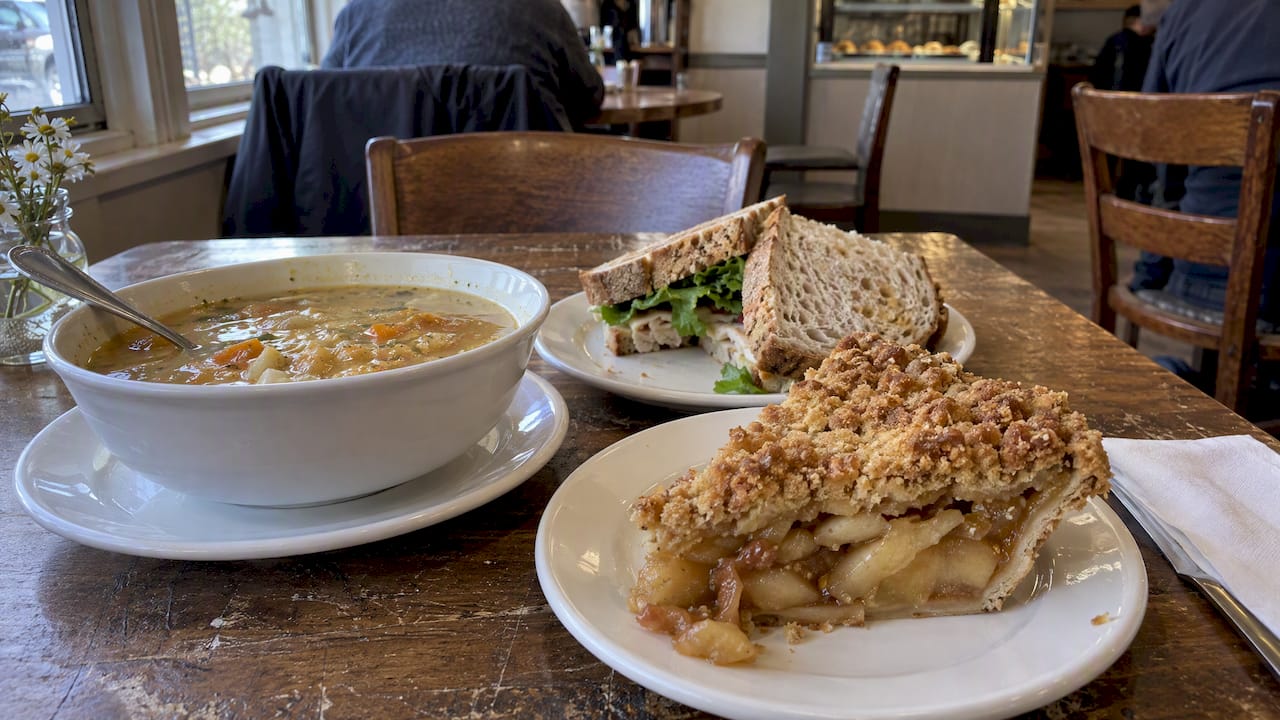
    Bakery lunch served with crumble apple pie

    5. What to order: apple pie styles and pairings

    Julian’s apple pies come in several styles. Traditional flaky double-crust pies lean tart and buttery. Dutch or crumb-topped versions swap the top crust for a cinnamon streusel, which gives a sweeter, crunchier bite. Natural apple pies skip extra sugar and let the fruit carry the flavor, a good option if you find other versions too sweet.

    Beyond apple, look for specialty flavors like caramel pecan, boysenberry apple crumb, and strawberry rhubarb when they’re in rotation.

    • Order a slice if you’re pie-hopping between shops.
    • Order a whole pie if you’re taking dessert home or feeding a group.

    Pro Tip: Pair your slice with a scoop of cinnamon ice cream or a cup of hot cider, both common add-ons at Julian’s pie counters.

    6. Best times to visit and how to skip the lines

    Julian gets busy, especially on weekends during apple season, so timing your visit matters more than you’d think.

    1. Arrive on a weekday morning, ideally before 11am, to beat both crowds and the lunch rush.
    2. Expect long lines at Julian Pie Company and Mom’s Main Street location on Saturday and Sunday afternoons.
    3. Park on a side street off Main if the main lot is full. Downtown Julian is small enough to walk between every shop once you’re parked.
    4. Visit Mom’s Pie House’s Wynola Garden location instead of the Main Street flagship if you want a calmer, sit-down pie break.

    Weekday visits also mean better odds that your first-choice pie flavor hasn’t sold out by the time you arrive.

    7. Buying whole pies to ship or carry home

    If you want pie waiting for you after the trip, Julian Pie Company ships via FedEx with 2-day and overnight windows on select weekdays, so ordering a few days ahead of a planned delivery date is smart. Mom’s Pie House and Apple Alley Bakery are better suited to advance phone or in-person orders for whole pies if you’re picking up locally rather than shipping.

    If you’re driving home the same day, keep your pie flat in the trunk or back seat rather than the floorboard, and avoid stacking anything heavy on top. A cooler bag works well in warm weather to keep a cream-based pie from softening on a long drive back to San Diego or Los Angeles.

    8. How SoCal Sights built this guide

    This guide comes from Joshua, a contributor to SoCal Sights, where our team curates hidden gems and local food spots across Southern California. We pulled shop details for this roundup from official bakery pages, review sites, and local travel coverage, cross-checking hours, addresses, and shipping details rather than relying on a single source.

    9. How Julian became a pie destination

    Julian’s pie reputation didn’t appear overnight. The mountain town built its identity on gold mining, but its cooler climate and fertile soil also proved well suited to apple orchards. Over the decades, those orchards turned Julian into one of Southern California’s best-known spots for fresh apple pie, with bakeries opening to sell what the surrounding farms were growing.

    Julian Pie Company traces its own roots to 1986, when it grew out of a family operation tied directly to the area’s apple harvest, according to its about page. The company later built a dedicated baking facility in nearby Santa Ysabel to keep up with demand, and pies from that kitchen now ship across the country.

    Mom’s Pie House has been part of that story even longer, baking from scratch daily since 1984. That kind of longevity matters in a town where pie isn’t a novelty item, it’s closer to a local industry, with shops that have fed the same families for generations and built reputations well beyond the mountain itself.

    Understanding that history adds something to the visit. You’re not just grabbing dessert, you’re tasting a tradition that grew directly out of the apples still being harvested in the hills around town.

    10. Hours, prices, and whether pies are baked fresh daily

    Most Julian pie shops keep similar hours, generally opening around 9am and closing by 5pm or 6pm, though it’s worth checking each shop’s own listing before you drive up, since hours can shift seasonally.

    A single slice typically runs a few dollars, while whole pies cost more depending on size and filling. Julian Pie Company lists its Original Apple whole pie at $28.95, which gives you a sense of what to expect at a flagship shop; other flavors and bakeries may price slightly higher or lower depending on ingredients like pecans or specialty fruit.

    The available information describes pie-making at these shops, but does not establish that all three make their pies on-site or in a local kitchen rather than receiving them frozen. The pie here tastes different from what you’d find at a grocery store. Apple Alley Bakery in particular starts early to prepare pies on the premises before opening for lunch service, which is part of what keeps its gluten-free crusts and daily specials consistent.

    If you’re choosing between a slice and a whole pie, let your plans decide it. A slice makes sense if you’re sampling multiple shops in one trip, while a whole pie is the better call if you’re bringing dessert home for a group or shipping one to family.

    11. Seasonal pies and Julian’s apple-harvest events

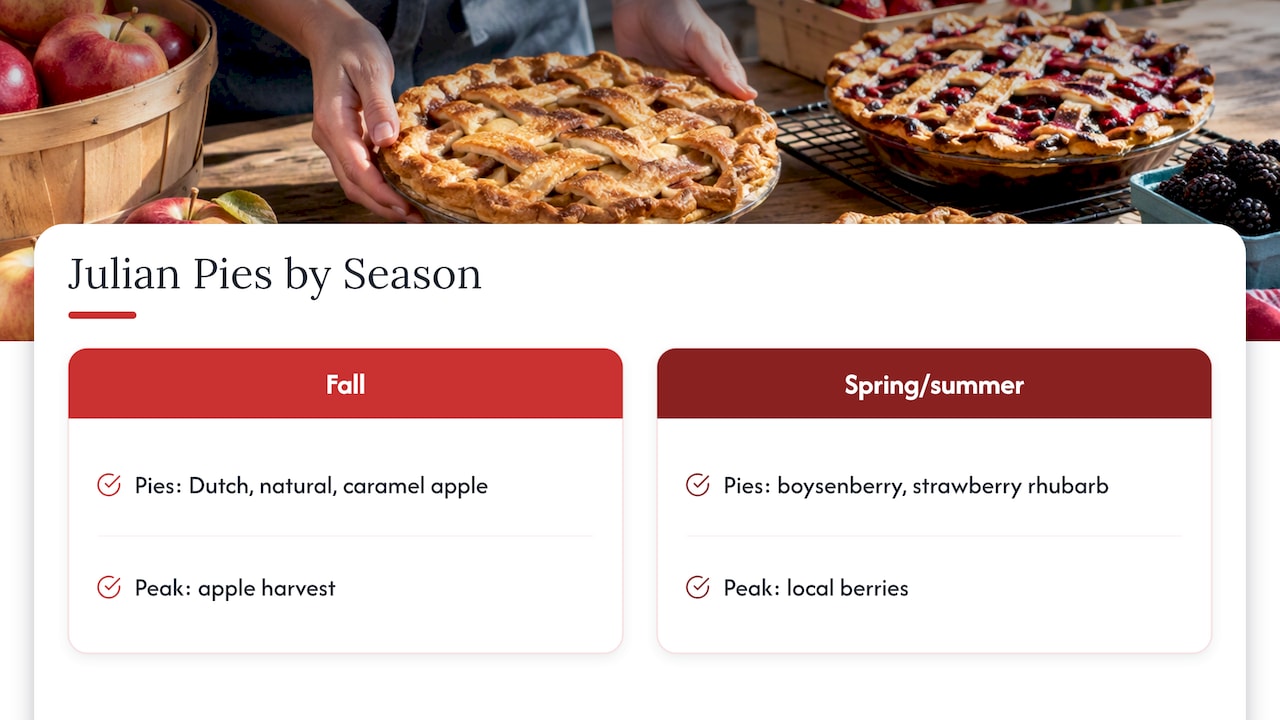
    Julian’s pie offerings shift with the seasons, following the apple harvest that put the town on the map in the first place. Expect more apple-forward flavors, Dutch apple, natural apple, and caramel apple variations, concentrated in the fall harvest months, when local orchards are at their peak.

    Berry pies like boysenberry and strawberry rhubarb tend to show up more in spring and summer when those fruits are in season locally. Shops rotate their daily offerings based on what’s fresh, so a flavor you loved on one visit might not be available on your next trip, which is part of the appeal if you like returning throughout the year.

    Seasonal apple and berry pie varieties

    Fall is also when Julian leans hardest into its apple identity, with harvest-season crowds drawn by the orchards themselves as much as the pie shops. If you’re planning a visit specifically to catch apple season, check with the shops about fresh pie and expected crowds.

    12. Getting to Julian without your own car

    Julian sits in the mountains east of San Diego, and there’s no train or regular public bus route that runs directly into town, so most visitors drive. If you don’t have a car, your most practical option is joining a guided day tour from San Diego, several of which include stops in Julian specifically for the pie shops and apple orchards.

    Ridesharing is another option, though the drive from San Diego takes time through mountain roads, and rideshare availability can be limited once you’re in a small town like Julian. If you’re coordinating a trip with friends, renting a car for the day is often simpler than piecing together rides for a round trip into the mountains.

    For a broader look at getting around the region and building out a full day, our Southern California road trip guide covers routes and stops that pair well with a Julian detour.

    13. Why pie tasting is Julian’s must-do stop

    There’s something about walking Main Street with a paper plate of warm apple pie that captures what Julian is about. The smell of cinnamon and baked apples can add to a visit, especially during the harvest season.

    For a day trip out of San Diego, pie tasting is the easiest kind of memory to make: low effort, high payoff, and something you can’t really get at home.

    — Joshua

    14. Plan your next Southern California food trip with SoCal Sights

    A Julian pie run is the kind of outing that works even better as part of a bigger day, and that’s exactly where we come in. We curate hidden gems and local food spots across Southern California, the kind of places that don’t always make the big travel sites, so you can build a day trip around more than just one bakery stop.

    Socalsights

    If you’re a Julian business owner or planning events in the area, our membership and advertising options can put your spot in front of travelers already looking for exactly what you offer. And if you’re the one planning the trip, check out our day trips from San Diego guide for more stops worth adding to your route.

    FAQ

    Where are Julian pies sold?

    Julian pies are sold directly at the bakeries themselves, mainly along Main Street, including Julian Pie Company, Mom’s Pie House, and Apple Alley Bakery. Julian Pie Company also ships whole pies nationwide via FedEx 2-day and overnight delivery on select weekdays.

    Which pie is better, Mom’s pies or Julian Pie Company?

    Both are well-regarded, scratch-made bakeries with slightly different strengths. Mom’s Pie House, baking since 1984, is known for its from-scratch daily pies and a quieter second location at Wynola Garden, while Julian Pie Company stands out for its long hours, shipping options, and orchard history.

    Where can I buy a Julian apple pie?

    You can buy a Julian apple pie directly from any of the Main Street bakeries, including Julian Pie Company, Mom’s Pie House, and Apple Alley Bakery. Julian Pie Company’s whole Original Apple pie is listed at $28.95 and can be shipped if you can’t visit in person.

    Does Vons sell Julian pies?

    The bakeries’ own sites do not establish whether grocery chains like Vons sell their pies, so you can buy directly from the Main Street shops or use Julian Pie Company’s shipping service. Buying in person or ordering straight from the bakery also ensures the pie is fresh rather than mass distributed.

    Sources

  • Palos Verdes Tide Pools: Best Times, $6 Parking, Family Safety

    Palos Verdes Tide Pools: Best Times, $6 Parking, Family Safety

    The best Palos Verdes tide pools are at Abalone Cove Shoreline Park (Abalone Cove and Sacred Cove), Rancho Palos Verdes Beach below Founders Park, and White Point and Royal Palms near San Pedro. Before you head out, check the tide charts and the city’s trail alerts since landslide activity and rain can close access with little warning.


    TL;DR:

    • Check NOAA Station 9410660 for a daytime minus tide; arrive about an hour before low water, since weather can shift actual levels.
    • Check city trail alerts before leaving, because rain and landslide work can close Abalone Cove access; Rancho Palos Verdes Beach is the reliable fallback.
    • At Abalone Cove and Sacred Cove, do not touch, collect, or disturb marine life or plants; wet rocks and sudden surge also demand careful footing.
    • Abalone Cove parking is card only, with the first 30 minutes free, then $6 for up to two hours; its lot closes on four holidays.

    Socalsights
    Find More Southern California Gems
    Explore local recommendations for activities, food spots, and unique itineraries across Southern California, including places beyond the usual guidebooks.

    Explore local recommendations

    Table of Contents

    Top Palos Verdes Tide-Pool Spots and Who Each Suits

    Abalone Cove Shoreline Park is the spot most people picture when they think of tide pooling on the peninsula, and for good reason. The reserve covers two beaches, Abalone Cove and Sacred Cove, plus bluff-top trails with ocean views the whole way down. Both beaches sit inside a State Marine Conservation Area, so the marine life here tends to be more abundant than at unprotected shorelines. It suits visitors who want the classic experience and don’t mind a moderately steep trail down to the water.

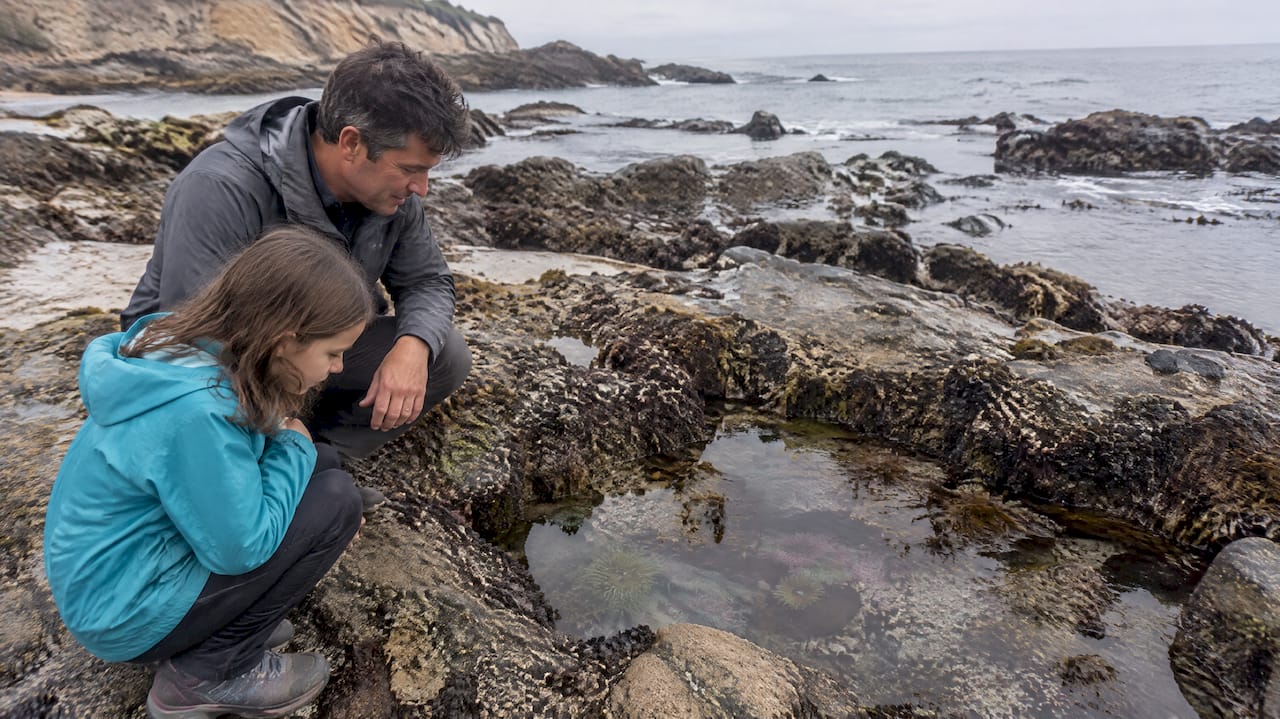
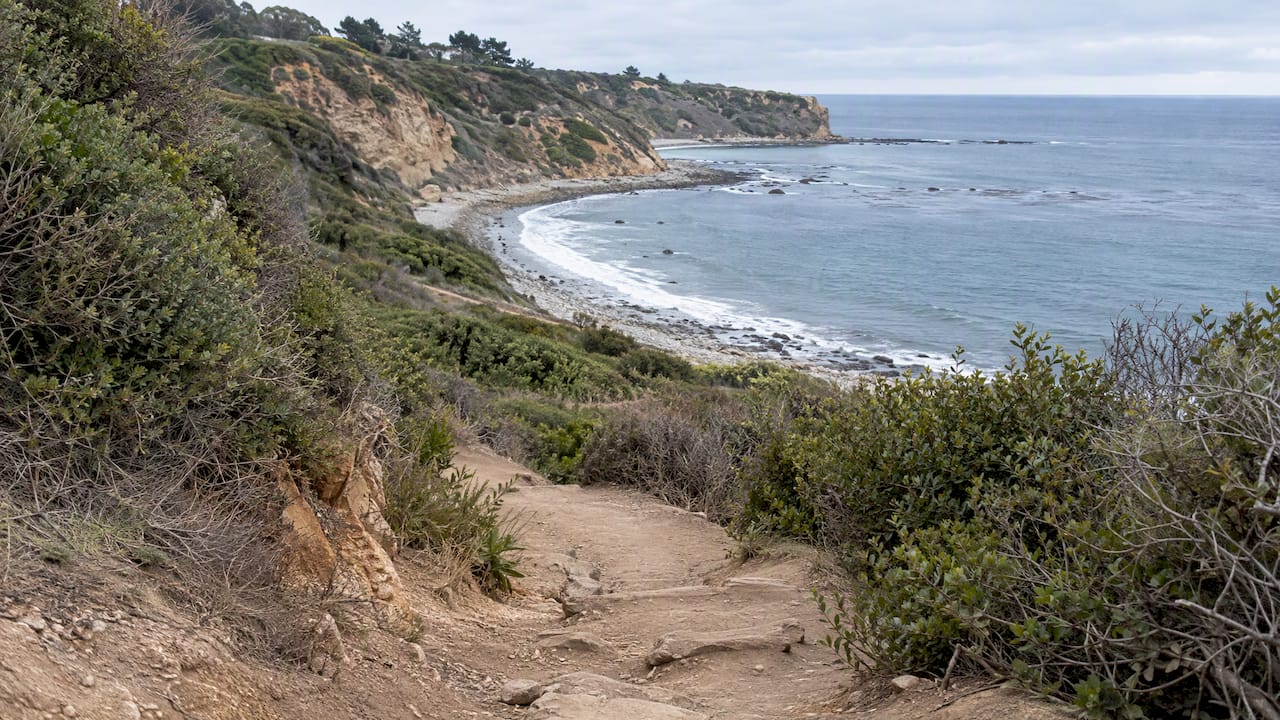
    Trail descending toward Abalone Cove beach

    Rancho Palos Verdes Beach, reached via the Sunset and Sunrise Trails from Founders Park, sits beneath the Trump National Golf Club and offers some of the most reliable tide-pool viewing on the peninsula. It’s rocky, not a swimming beach, but it’s a smart backup when Abalone Cove’s trails are closed. White Point and Royal Palms, further south near San Pedro, tend to have gentler approaches and more open space for kids to explore, which makes them a good pick for families with younger children or anyone less comfortable on a steep bluff trail.

    Bluff Cove and a handful of smaller coves scattered along the peninsula round out the options. They’re quieter, less crowded, and worth considering once you’ve learned the terrain, but they can be harder to find and less forgiving if you’re new to the area.

    • Abalone Cove: classic tide pools, moderate trail, protected marine zone.
    • Rancho Palos Verdes Beach: reliable backup, accessible via Founders Park.
    • White Point/Royal Palms: easiest access, best for families.
    • Bluff Cove: quieter, better suited to experienced visitors.

    Pro Tip: Pick two spots before you leave home, a primary and a backup, since closures on the peninsula happen more often than you’d expect.

    Parking, Hours, and Closures You Need to Check First

    Logistics make or break a tide-pooling trip here, so it helps to know the details ahead of time. The Abalone Cove parking lot uses card-only payment: the first 30 minutes are free, then it’s $6 for up to two hours and $12 beyond that. The lot closes entirely on January 1, Thanksgiving, December 24, and December 25, so plan around holidays.

    For Rancho Palos Verdes Beach, street parking near Founders Park is your best bet, and restrooms are available at the park itself before you start down the Sunset or Sunrise Trail.

    • Card-only payment at Abalone Cove, no cash accepted.
    • Abalone Cove lot closed on major holidays.
    • Restrooms and parking available at Founders Park for the Rancho Palos Verdes Beach trails.
    • Trail closures can happen after heavy rain or during landslide remediation work.

    Before you go, check the city’s trail conditions and alerts page, since both rain and the ongoing Portuguese Bend landslide have triggered closures on short notice. If you want a guided experience, docent-led hikes through Los Serenos de Point Vicente run within the preserves and tide-pool areas, though you’ll need to contact the city in advance to get a spot since they fill up.

    When to Go: Reading Tide Charts the Easy Way

    Timing matters more than location here; understanding how to tide fish salmon bays can also give useful background on tidal windows for coastal activities like tide pooling. Tide pools are only exposed during low tide, and the lower the tide, the more reef and marine life you’ll see. A “minus” tide, meaning the water drops below the average low mark, gives you the widest window for exploring safely.

    1. Check NOAA Station 9410660 (Los Angeles Outer Harbor) for accurate local predictions before you pick a day.
    2. Look for daytime low tides, ideally a minus tide, rather than a nighttime low you can’t see by.
    3. Arrive about an hour before the predicted low and plan to stay up to an hour after.
    4. Expect the biggest, lowest tides around the new and full moon phases, known as spring tides.

    The lowest tides of the month cluster around new and full moons, which means more exposed reef but often more crowds and slicker rocks too, per NOAA’s tide predictions for Station 9410660.

    Keep in mind that tide predictions are forecasts, not guarantees. Wind, swell, and storm activity can all shift actual water levels, so treat the chart as a starting point rather than the final word.

    Safety, Rules, and Respecting the Marine Life

    Abalone Cove and Sacred Cove sit inside a State Marine Conservation Area, which means no collecting, touching, or disturbing anything you find, plants included. The rule of thumb everywhere on the peninsula is simple: look, don’t touch.

    Rocks near the waterline get slippery fast, and surge can knock you off balance without warning. Lifeguards generally aren’t stationed at rocky tide-pool sites, so you’re responsible for your own footing and judgment. Rain and landslide movement can also close trails with little notice, which is exactly why checking the city’s alert page before you leave matters as much as checking the tide.

    • Never touch, collect, or move marine life or plants.
    • Watch your footing on wet rocks, especially near the surge line.
    • Tell someone your plan if you’re hiking an unfamiliar trail.
    • Bring a phone and know you may have limited cell service on some bluff trails.

    Pro Tip: Wet rocks near the waterline are often the slickest spots in the whole reserve, so take your time stepping between pools.

    What to Pack for a Smooth Family Outing

    A little preparation goes a long way here. Pack sturdy, closed-toe shoes with good grip, sun protection, and a light layer since the coastal breeze can turn cool fast. Bring water, and if you want a closer look at anything in the pools, a small soft brush works better than your hands for observing without disturbing marine life.

    1. Wear shoes built for wet rocks, not sandals or flip-flops.
    2. Bring sunscreen, a hat, and a light jacket for wind off the water.
    3. Pack water and snacks since none of these sites have concessions nearby.
    4. Arrive early to grab parking, since lots fill up fast on weekends.

    Steep bluff trails at Abalone Cove make strollers and most mobility aids impractical, so White Point or Royal Palms are worth considering if that’s a factor for your group. Keep an eye on kids near pool edges, give other visitors room to look, and if your first-choice trail is closed, Rancho Palos Verdes Beach makes a reliable fallback.

    Our Local Timing Tricks for Palos Verdes Tide Pools

    We’ve found the sweet spot is arriving 30 to 45 minutes before a good daytime low tide. You’ll get softer morning light for photos, easier parking, and a lot fewer people crowding the best pools. Weekday mornings beat weekend afternoons every time on this stretch of coast.

    If you’re planning a bigger coastal trip, our guides on timing tide pool visits in San Diego and Laguna Beach’s tide pools, timing, and docent programs cover similar tactics you can apply up and down the Southern California coast. The same principles that work in Palos Verdes, early arrival, minus tides, and checking local alerts, hold true wherever you’re exploring.

    — Joshua

    Plan Your Next Coastal Day Trip With Us

    We built our guides around exactly this kind of trip: knowing where to park, when the tide works in your favor, and which trail to try when your first pick is closed. Our local write-ups cover timing tips, parking intel, and map-ready suggestions for coastal spots across Southern California, so you’re not guessing when you get there.

    Socalsights

    If you run a local business or event near the Palos Verdes Peninsula and want to reach people planning these trips, our membership and advertising options put you in front of readers actively searching for things to do nearby. Check out the membership page to see how a featured listing works for your business.

    FAQ

    What is the best time of day to visit Palos Verdes tide pools?

    The best time is during a daytime low tide, ideally a minus tide, which exposes the most reef for viewing. Check NOAA Station 9410660 for the Los Angeles Outer Harbor to find the next low tide window before you head out.

    Are Palos Verdes tide pools free to visit?

    Visiting the tide pools themselves is free, though parking at Abalone Cove requires card payment with free parking for the first 30 minutes and hourly rates after that. Rancho Palos Verdes Beach can be reached from street parking near Founders Park at no cost.

    Can you touch or collect things in Palos Verdes tide pools?

    No, Abalone Cove and Sacred Cove sit within a State Marine Conservation Area where touching, collecting, or disturbing marine life and plants is not allowed. The rule across the peninsula is to look without touching, which helps keep the ecosystem intact for future visitors.

    What should I do if my favorite trail is closed?

    Check the city’s trail conditions and alerts page before you leave, since rain and landslide activity can close access with little notice. Rancho Palos Verdes Beach near Founders Park is a dependable alternate site when Abalone Cove trails are unavailable.

    Where else in Southern California can I find good tide pools?

    Beyond Palos Verdes, San Diego County and Orange County both have well-known tide-pooling spots with their own tide-timing quirks. Our guides on San Diego tide pools and Laguna Beach’s hidden coves cover timing, parking, and access details for those areas.

    Sources

  • Carlsbad Flower Fields: 10 Weeks of Blooms, Tickets, and Local Tips

    Carlsbad Flower Fields: 10 Weeks of Blooms, Tickets, and Local Tips

    The Flower Fields at Carlsbad Ranch open for the 2026 season on March 1 and run through May 10, with roughly 80 million Tecolote® Giant ranunculus blooming across about 55 acres. That’s the main event: a hillside of color you can walk right through. Our one piece of advice before anything else: book your timed ticket early for peak weekends and aim for a morning slot, since the light is softer and the crowds haven’t arrived yet.


    TL;DR:

    • Timed tickets reserve an arrival window, and weekend slots can sell out days ahead; buy through the official page because add ons may be unavailable.
    • Peak color arrives from late March through April, while wave planting every two weeks means early and late visits show different sections at their best.
    • Weekday mornings are calmest, and parking is free; search The Flower Fields in your map app because the street address can misdirect drivers.
    • The hillside paths are sloped dirt, so wear closed toe shoes; the wagon tour accommodates wheelchairs and walkers, and staff can assist at check in.

    Socalsights
    Find More Carlsbad Local Gems
    Pair your Flower Fields visit with curated Southern California activity, food, and itinerary recommendations from local knowledge.

    Explore SoCal Sights

    Table of Contents

    Dates, Hours, Address, and Parking

    The 2026 season runs from March 1 through May 10, a full ten weeks of blooms. The farm sits at 5704 Paseo del Norte in Carlsbad, but we’d skip typing that address into your GPS. The official trip-planning page recommends searching “The Flower Fields” directly in your map app instead, since the raw street address can route some drivers toward service roads rather than the public entrance.

    Parking is free, with two general lots feeding into the front gate. A few things to know before you go:

    • Weekends fill up fast, especially in April and around Mother’s Day, so arrive early if you’re visiting on a Saturday or Sunday.
    • The lots are designed for easy in-and-out flow, but midday arrivals on peak weekends should expect a short wait to park.
    • Weekday mornings are consistently the calmest window for both driving in and finding a spot close to the entrance.

    If you’re building a bigger coastal day out of this trip, our Southern California road trip guide has stop ideas for the drive up or down the coast.

    How to Buy Tickets and What They Cost

    Tickets are sold through the official Buy Tickets page, and we’d buy there directly rather than through a reseller. Entry runs on a timed system, so your ticket reserves a specific arrival window rather than a flexible all-day pass. That keeps the paths from feeling overcrowded, but it also means popular weekend slots can sell out days in advance.

    Pricing is tiered by age, with adult tickets costing more than child tickets and kids under 3 getting in free. A few add-ons cost extra on top of general admission:

    • The wagon ride tour, a relaxed way to see the whole farm without walking the slopes.
    • The butterfly encounter, a separate paid experience some visitors add to their day.
    • Specialty retail items like bulbs or bouquets, available at the on-site shop.

    Same-day add-on purchases are often possible, but availability isn’t guaranteed on busy days. The official plan-your-trip page notes that cards are accepted for on-site purchases, so you’re not stuck relying on cash at the gate.

    What You’ll See and Do on Site

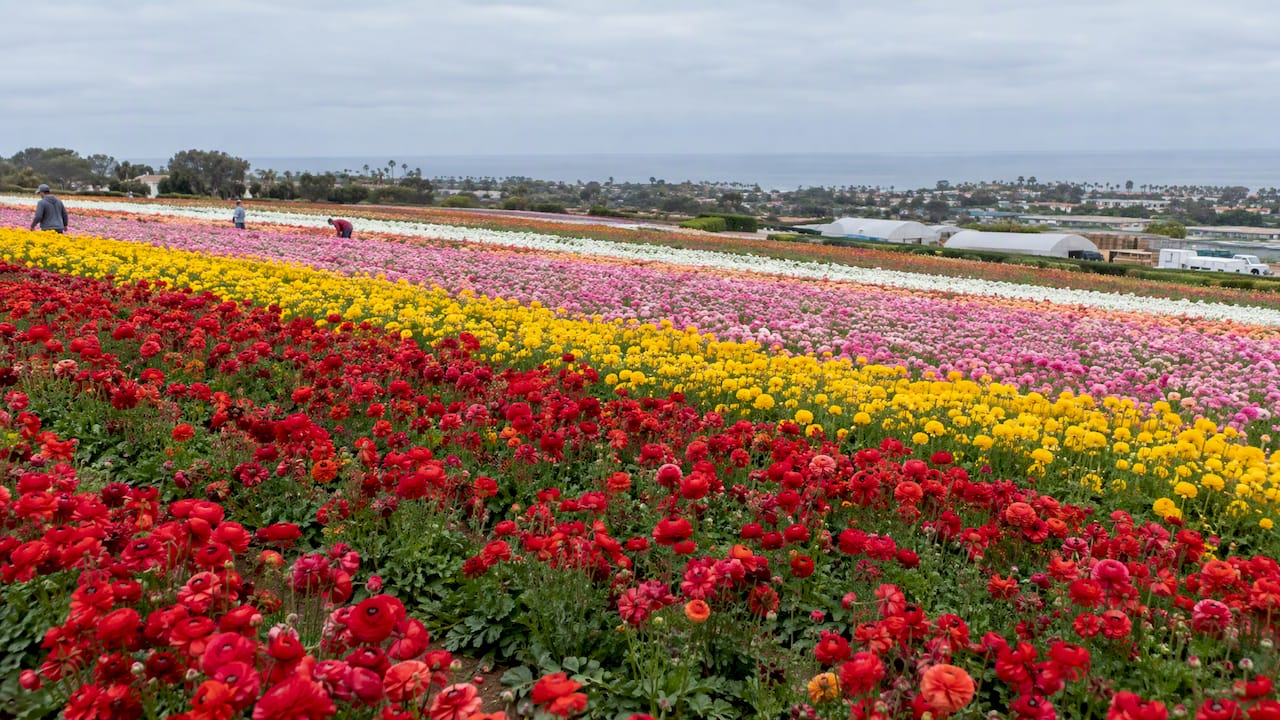
    The ranunculus fields are the reason most people come, and the scale is genuinely hard to picture until you’re standing in it: millions of blooms layered in color bands across 55 acres of hillside. Beyond the fields themselves, the official attractions list includes several extras built into your visit:

    • The Sweet Pea Maze, a fragrant, winding path that’s popular with families.
    • The Sculpture & Illusion Garden, a photo-friendly stop with playful visual tricks.
    • A playground area for kids who need a break from walking.
    • Blueberry picking, offered on a weekday schedule tied to the farm’s harvest calendar.
    • A demonstration garden showing how different plants are grown and cared for.
    • Live butterflies, available as the paid add-on mentioned above.

    General admission covers the fields, maze, sculpture garden, playground, and demonstration garden. The wagon ride and butterfly encounter cost extra. Most visitors spend about two to three hours on site once you factor in photos, the maze, and a stop at the shop.

    When the Blooms Peak and Why the Season Lasts So Long

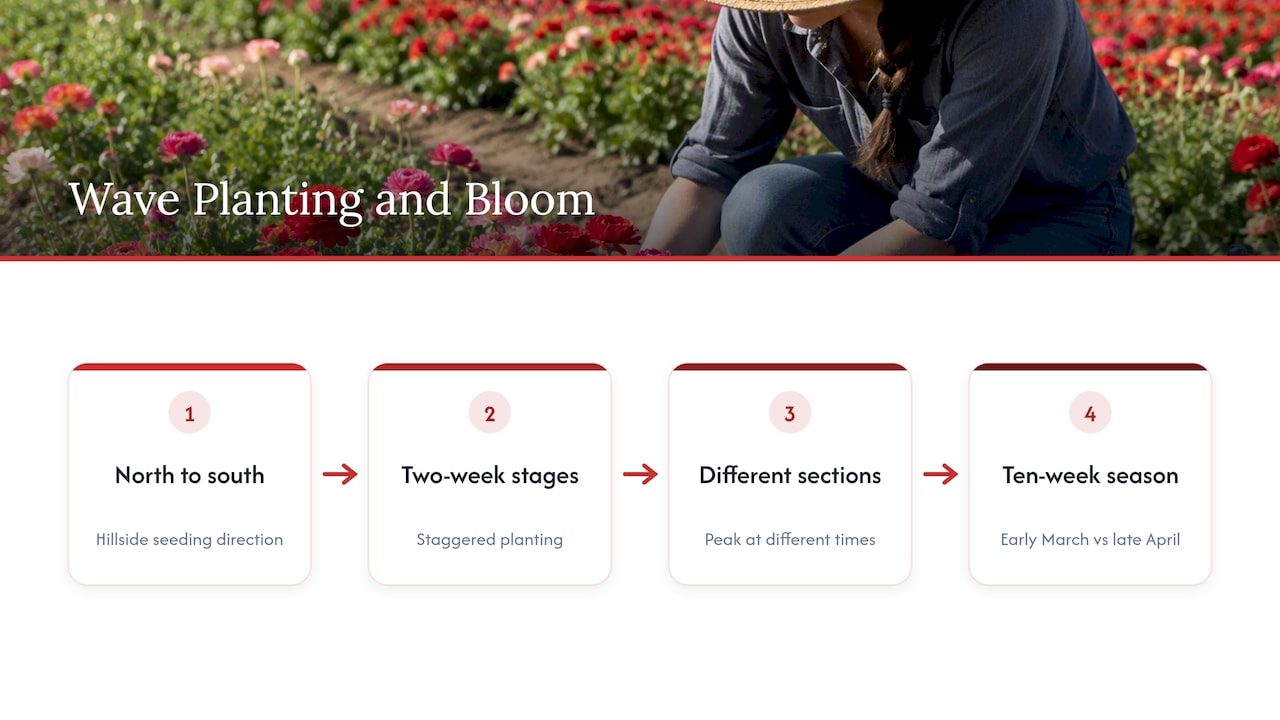
    Peak color usually lands in late March through April, but the ten-week window exists because of how the farm plants its fields. Growers use a practice called wave planting, seeding the hillside from north to south in stages roughly every two weeks, according to local reporting from Axios San Diego. That staggered approach means different sections of the farm hit their peak at different points in the season, so an early-March visit and a late-April visit can look noticeably different.

    Staggered planting creates blooms across ten weeks

    Weather plays a role too. Cooler stretches can slow blooming, while warm, dry spells tend to push flowers open faster. Worth noting: this seasonal display is a planned agricultural cycle, not the kind of unpredictable desert “superbloom” that follows a wet winter. If you’re chasing that specific phenomenon, our superbloom status guide tracks where those conditions are showing up elsewhere in the region.

    Footwear, Accessibility, and Photo Rules to Know Before You Go

    The paths through the fields are sloped dirt, not pavement, so comfortable, closed-toe shoes make a real difference. Pack sun protection and water too, since there’s not much shade once you’re out among the rows.

    A few practical notes to keep your visit smooth:

    1. Stay on the designated paths at all times and never step into the growing beds, both for your safety and the flowers’ sake.
    2. If mobility is a concern, the wagon tour is built to accommodate wheelchairs and walkers, and you can ask for check-in assistance at the customer service window.
    3. Skip the tripod-and-lens professional setup unless you’ve booked a shoot through the farm directly. The official photography policy allows casual phone and personal photos but restricts outside commercial shoots.
    4. Type “The Flower Fields” into your map app rather than the street address to land at the correct entrance and parking lot.

    Pro Tip: Bring a wide-brim hat instead of sunglasses alone. The open hillside has almost no shade, and a hat keeps your face cool for the two or three hours you’ll likely spend wandering.

    Local Tips for a Better Visit

    Visitors are often advised to arrive at opening hour when the light is soft, the lines are short, and the fields feel less crowded. Midweek mornings typically offer a calmer experience than weekends.

    Pair your visit with a short stop in Carlsbad Village for breakfast before you head over, or swing by a coastal viewpoint afterward since the beach is just minutes away. On busy weekends, use the lot entrance closest to the main road rather than circling for the closer one. And if you’re hoping to pick blueberries, remember that’s a weekday-only offering tied to the harvest schedule.

    Special Events and Festivals During the Season

    The ten-week run isn’t just static fields. The farm builds smaller seasonal moments into the calendar, from themed weekends tied to the blooming cycle to evening hours during certain stretches of the season when the light and temperature make for a different kind of visit. These events tend to draw heavier crowds than a typical weekday, so if you’re planning around one, book your timed ticket well ahead through the official ticketing page.

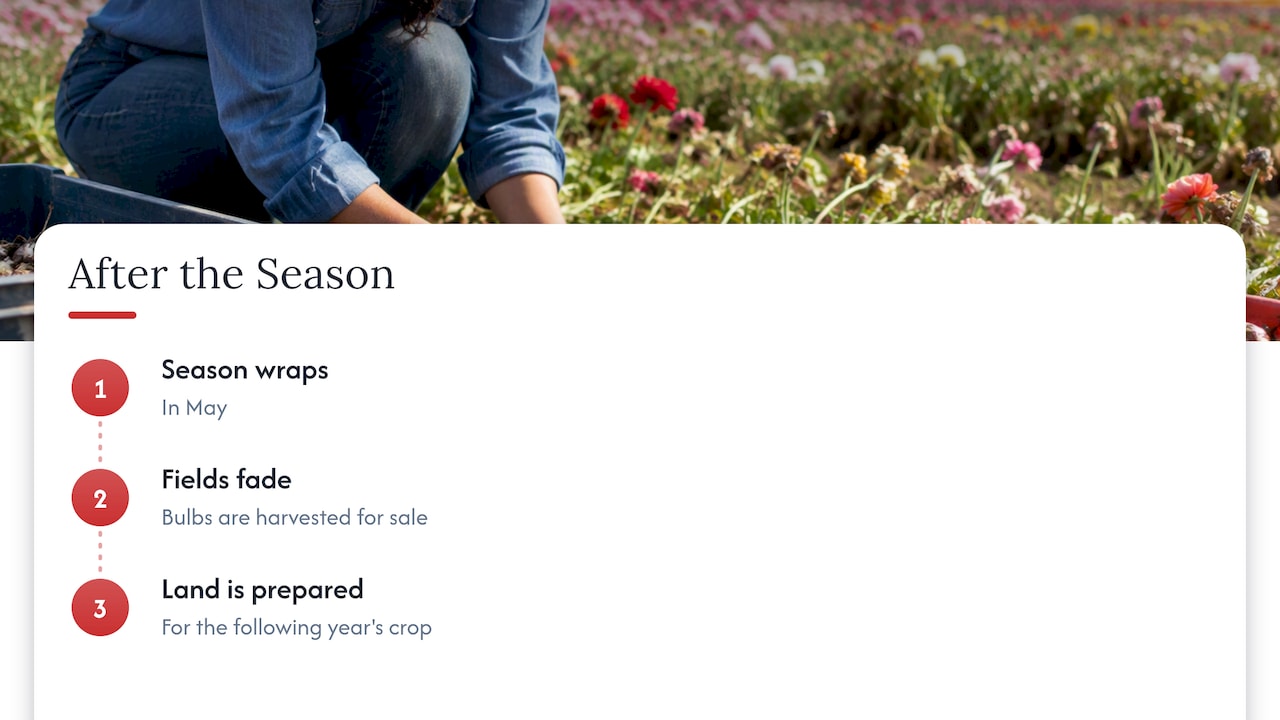
    The farm’s rhythm follows its own agricultural calendar. Once the season wraps in May, the fields are allowed to fade, bulbs get harvested for sale, and the land is prepped for the following year’s crop, based on coverage from KPBS. That cycle is part of why the season has a firm start and end date each year rather than running indefinitely.

    Special Events and Festivals During the Season — overview diagram

    Why This Spring Tradition Is Worth the Trip

    North County San Diego has plenty of pretty views, but there’s something about walking a hillside of ranunculus that feels different every year. We built SoCal Sights to help you spend your limited weekend hours on the places actually worth the drive, and this is one of them.

    — Joshua

    Plan Your Visit With SoCal Sights

    We’ve spent a lot of time helping readers turn a single attraction into a full day worth remembering, and the Flower Fields are a perfect anchor for exactly that kind of trip. If you want a ready-made itinerary pairing this visit with nearby coffee shops, beaches, or a weekend getaway, our road trip guide has routes built around stops like this one.

    Socalsights

    If you’re planning a longer coastal stay, resort options like Omni La Costa sit close by for an overnight extension. And if you run a local business or event near Carlsbad, we’d love to feature you. Check out advertising with SoCal Sights to see how we help local spots reach visitors planning trips just like this one.

    FAQ

    What kind of flowers are in Carlsbad flower fields?

    The main display is the Tecolote® Giant ranunculus, a large-bloom variety grown in color-blocked rows across the farm’s hillside. The farm also features a separate Sweet Pea Maze as part of general admission.

    What flowers are in bloom during May?

    Ranunculus blooms typically carry through early May before the 2026 season closes on May 10. Because the farm uses wave planting, some sections planted later in the cycle tend to peak closer to the season’s end.

    Will there be a superbloom in California in 2026?

    Carlsbad’s display is a planted agricultural bloom, not a desert superbloom, which depends on unpredictable winter rainfall in wildflower regions. For current superbloom conditions elsewhere in the state, our superbloom tracking guide covers where those patterns are showing up.

    Where are wildflowers in California?

    Beyond Carlsbad’s cultivated fields, California has several wild desert and mountain regions known for seasonal wildflowers, including Anza-Borrego Desert State Park. Our Anza-Borrego wildflower guide covers viewing conditions and timing for that area specifically.

    Sources

  • Skip Open Sand: San Diego Beach Camping, Tide Tips, and Fire Rules

    Skip Open Sand: San Diego Beach Camping, Tide Tips, and Fire Rules

    Legal beach camping in San Diego means booking a designated campground, not spreading a sleeping bag on open sand. Your real options are San Elijo State Beach, South Carlsbad State Beach, Silver Strand State Beach, Campland on the Bay near Mission Bay, and a handful of county-run campgrounds near the coast. Start with ReserveCalifornia for the state beaches, then check sdparks.org for county sites.


    TL;DR:

    • ReserveCalifornia handles San Elijo, South Carlsbad, and Silver Strand; county campgrounds use a separate reservation system with different fees and stay limits.
    • San Elijo and South Carlsbad sit above the sand, so reaching the beach usually means taking stairs rather than walking straight from camp.
    • Silver Strand has vehicle and trailer limits up to 40 feet, and some areas require self contained vehicles because full hookups are not available everywhere.
    • Coastal sites fill fastest from March through November, so weekday arrivals offer better odds, while popular bluff sites may disappear minutes after reservations open.
    • Park Posted Orders set curfew hours, fire restrictions, parking rules, and vehicle limits; check the current document before departure.

    Socalsights
    Find More Coastal Favorites
    Explore SoCal Sights for local recommendations on activities, food spots, and unique itineraries across Southern California.

    Explore SoCal Sights

    Table of Contents

    At-a-Glance Shortlist of Beach and Near-Beach Campgrounds

    We’ve combed through every coastal campground option in San Diego County so you don’t have to open ten browser tabs at midnight trying to find a site. Here’s the shortlist we actually recommend starting with, depending on what kind of trip you’re planning.

    • San Elijo State Beach: Bluff-top sites with stairs down to a long sandy beach, a favorite for surfers and sunset watchers. Book through ReserveCalifornia.
    • South Carlsbad State Beach: Similar bluff setup with a mix of ocean and inland sites, good for families who want a short walk to the water. Also booked through ReserveCalifornia.
    • Silver Strand State Beach: A narrow strip of land with the ocean on one side and Mission Bay on the other, popular with self-contained RVs. Reserve through ReserveCalifornia.
    • Campland on the Bay (Mission Bay): A private RV resort with pools, a marina, and bay access, best for families who want amenities over rustic charm. Book directly through Campland’s own reservation system.
    • County campgrounds near the coast: Spots like those in the Tijuana River Valley area offer a quieter, more budget-friendly alternative close to the water. These use the county reservation system instead of ReserveCalifornia.

    Each of these fills up fast in peak months, so knowing which one fits your trip before you start clicking through booking calendars saves a lot of frustration.

    Site-By-Site Practical Details You Must Check Before Booking

    Picking the right campground is only half the job. The site you actually get assigned can make or break your trip, so here’s what we check before locking in a reservation.

    San Elijo State Beach sits on a bluff above the sand in Encinitas, and most sites are a short staircase from the beach rather than right on it. Hookup options vary by site, so check the campground map before you book since some “ocean” sites still have limited views. Vehicle length limits and curfew hours are posted in the park’s Posted Orders, and check-in and check-out times are strictly enforced. San Elijo also publishes clear rules on vehicle parking and fire use that are worth reading before you pack the car.

    South Carlsbad State Beach runs along a similar bluff-top layout just south of Carlsbad Village. The campground page lists separate fees for ocean-facing sites with hookups versus inland sites without, and the campsite map clearly marks single and double hookup sites so you know what you’re booking. Vehicle length limits apply here too, and during peak summer weekends you’ll see campers lining up early for cancellations since the ocean sites go first.

    Silver Strand State Beach is a different animal because it’s a sliver of land between Coronado and Imperial Beach, with the ocean on one side and Mission Bay waters on the other. Some areas require fully self-contained vehicles, meaning you’ll need your own bathroom and water setup since there isn’t full hookup infrastructure everywhere. The park posts vehicle and trailer length limits up to 40 feet, and day-use pricing differs from overnight camping fees, so double-check which you’re paying for when you book.

    Campland on the Bay, the main private RV resort option near Mission Bay, runs on its own booking system separate from ReserveCalifornia. It leans into resort-style amenities including pools, a marina, and organized family activities, which makes it a solid pick if you want camping without giving up creature comforts. Because it’s privately operated, policies on pets, vehicle size, and stay length can differ from state park rules, so it’s worth reading Campland’s own site before assuming state park rules apply.

    County campgrounds near the coast, including sites in the Tijuana River Valley area, offer a quieter and often more affordable alternative if the state beaches are booked solid. These are reserved through Sdparks rather than ReserveCalifornia, and the county publishes its own set of stay limits and fees that differ from state park policy. If you’re flexible on location and want a backup plan when the beachfront sites sell out, these are worth a look.

    Must-Know Rules and Safety Constraints

    San Diego’s beach parks have rules that trip up a lot of first-time campers, and knowing them ahead of time keeps your trip from getting cut short by a ranger’s knock on the tent.

    • Sleeping directly on open beach sand is prohibited at San Diego’s state beaches; overnight stays are allowed only in designated campsites or in fully self-contained vehicles where the park specifically permits it.
    • Ground fires are not allowed, but propane or butane stoves are generally fine as long as they’re kept with proper clearance from anything flammable.
    • Curfew and quiet hours are strictly enforced, along with rules on glass containers, dogs on leashes, and vehicle parking in designated spots only.
    • Oversized vehicles need to check length limits before arrival since not every site accommodates larger RVs or trailers.

    Pro Tip: Read the park’s Posted Orders PDF before you leave home. These documents spell out exact curfew hours, fire rules, and vehicle restrictions for that specific park, and they change from year to year.

    Posted Orders for San Diego Coast District parks list curfew hours from late evening to early morning, along with detailed fire and vehicle parking rules specific to each beach. These posted rules are the final word on what’s allowed at that site, so when in doubt, that’s the document to check. Bluffs and tide changes add another layer of caution: always keep an eye on tide tables before walking the shoreline at dawn or dusk, especially near the staircases that connect bluff-top campsites to the beach below.

    Bluff staircase leading to a changing tide line

    Booking Mechanics and Timing: Getting the Site You Actually Want

    Here’s how we approach booking a coastal campsite without losing our minds over a fully booked calendar.

    1. Start with ReserveCalifornia for San Elijo, South Carlsbad, and Silver Strand since these are the official state park booking channels.
    2. Check Sdparks separately for county-run campgrounds, which operate on their own reservation system with different stay limits and annual caps.
    3. Target weekday arrivals over weekends, since coastal sites fill up fastest from March through November.
    4. Pull up the campground’s site map before booking so you know exactly which numbered site you’re getting, not just a general category.
    5. Confirm your vehicle’s length against the park’s posted limits before you finalize anything, especially at Silver Strand.

    Pro Tip: Set a recurring calendar reminder for your target campground’s booking release date. Popular bluff-top sites at San Elijo and South Carlsbad often get snapped up within minutes of becoming available.

    Decision Checklist: Which Site Fits Your Trip

    Before you start scrolling through booking calendars, run through these questions to narrow things down fast.

    • Do you need full hookups for a large RV? Campland on the Bay or Silver Strand’s self-contained vehicle sites are your best bets.
    • Is walking to the surf on foot a priority? San Elijo and South Carlsbad both offer bluff-top access with stairs to the sand.
    • Are you traveling with a trailer or oversized rig? Check Silver Strand’s length limits before anything else.
    • Want pools, a marina, and organized family activities? Campland on the Bay leans resort over rustic.
    • Looking for something quieter and more budget-friendly? A county campground near the coast might fit better than a sold-out state beach.

    Local Tips: Tide Timing, Packing, and Logistics

    Low tide right after sunrise is usually the best window for exploring tide pools near San Elijo, and a tide pools guide breaks down timing in more detail. Grocery runs are easy near Encinitas and Carlsbad, both a short drive from their respective campgrounds, and gas stations cluster near the main coastal highway exits.

    • Pack layers for the evening breeze, since coastal temperatures drop fast after sunset.
    • Bring sun protection and beach shoes for the walk down bluff staircases.
    • Strap-downs for canopies and camp gear help on windier days near the water.
    • Use biodegradable soap for any rinsing to keep the coastline clean for the next camper.

    Pro Tip: Check a live coastal webcam the morning of your trip through a directory like GlobeWebcams to get a quick visual read on fog or wind before you load the car.

    Our Take: Picking the Right Spot for Your Trip

    If you want creature comforts and don’t mind trading rustic charm for a pool, Campland on the Bay wins. If you want to wake up to actual surf sound, a bluff-top site at San Elijo or South Carlsbad beats anything inland, even with the stairs.

    — Joshua

    Plan Your Next Coastal Trip With SoCal Sights

    Finding the right campground is just the start. We put together local guides that go beyond the basics, covering secret beaches, weekend itineraries, and the kind of spots that don’t show up in standard travel guides.

    Socalsights

    What you get Where to find it
    Local beach guides Secret Beaches San Diego
    Weekend trip planning San Diego Weekend Itinerary
    Business promotion Advertise With SoCal Sights

    If you run a local business near one of these campgrounds and want to reach travelers planning their trip, check out advertising with SoCal Sights to get featured in front of our readers.

    FAQ

    Are There Any Beaches You Can Camp on in California?

    Several California state beaches allow camping in designated campgrounds, including the three San Diego-area options covered here. Reservations for these run through ReserveCalifornia, the state’s official booking portal.

    What Is the 200 Rule for Camping?

    This isn’t a rule referenced in official San Diego park guidance, and definitions vary depending on the source. For San Diego beach camping specifically, the rules that matter are the park’s own Posted Orders covering vehicle limits, curfew hours, and fire restrictions.

    Can I Sleep on the Beach in San Diego?

    No, sleeping directly on open sand is prohibited at San Diego’s state beaches. Overnight stays are only allowed in designated campsites or in fully self-contained vehicles where the park specifically permits it.

    Sources

  • Antelope Valley Poppies: Check PoppyCam, Then Explore SoCal

    Antelope Valley Poppies: Check PoppyCam, Then Explore SoCal

    The best window to catch Antelope Valley poppies in full bloom typically falls between late March and mid-April, though flowers can appear anywhere from mid-February through May depending on rainfall. Before you drive out, check the official reserve page or call the Wildflower Hotline, because bloom timing shifts every year and we’d hate to see you make the trip for nothing. Go early on a weekday for the best light and the smallest crowds.


    TL;DR:

    • Check the reserve page or PoppyCam before leaving, because rainfall and overnight weather can quickly change bloom conditions at the reserve.
    • Poppies open most fully from 10 AM to 3 PM on sunny, calm days, while cold, wind, and cloud cover can keep petals closed.
    • Bring $10 per vehicle for parking and allow time for roughly 8 miles of trails; the visitor center area includes a paved accessible route.
    • Choose a weekday and arrive before 10 AM, since peak bloom weekends fill quickly and overflow parking may add a long walk or wait.
    • Stay on marked trails and leave flowers untouched, because foot traffic compacts the loose soil poppies need to germinate in future seasons.

    Socalsights
    socalsights.com
    Find More SoCal Hidden Gems
    After checking the poppy bloom, explore local recommendations for activities, food spots, and unique itineraries across Southern California.

    Explore SoCal recommendations

    Table of Contents

    Quick Facts: Location, Hours, Fees, and Trails

    The Antelope Valley California Poppy Reserve sits in the western Antelope Valley, roughly 15 miles west of Lancaster and about 90 minutes from downtown Los Angeles depending on traffic. It’s a straightforward drive up the Antelope Valley Freeway, and most visitors treat it as a half-day trip rather than an overnight stay.

    Here’s what you need to know before you go:

    • Hours: Open sunrise to sunset, year-round, according to California State Parks.
    • Parking fee: $10 per vehicle, per day, collected at the entrance kiosk.
    • Trail mileage: About 8 miles of trails total, including a paved, wheelchair-accessible section near the visitor center.
    • Visitor center: The Jane S. Pinheiro Interpretive Center opens seasonally during peak bloom, usually spring.
    • Live updates: The reserve maintains a PoppyCam and a Wildflower Hotline for real-time bloom status.

    The reserve offers 8 miles of trails, a figure that surprises a lot of first-time visitors who picture a quick loop around a flower field. It’s a genuine hiking destination, not just a roadside pullout, so budget more time than you’d expect for a short wildflower stop.

    When Poppies Peak and How Weather Shapes Each Day

    California’s state flower doesn’t follow a fixed calendar. The wildflower season at the reserve generally runs from mid-February through May, with peak viewing most often landing in late March to mid-April. Some years run early, some run late, and the only way to know for sure is to check conditions close to your visit.

    Superblooms, the rare years when poppies carpet entire hillsides in orange, happen when winter rainfall lines up with mild spring temperatures. Recent superbloom years included 2017, 2019, and 2023, though the reserve staff are quick to point out they do nothing to water or encourage the flowers. The bloom lives or dies entirely on natural rainfall, which is part of what makes a good year feel special.

    Poppies are phototropic, meaning the petals open with warmth and sunlight and close up tight when it’s cold, windy, or overcast. That’s why the same hillside can look completely different at 8 AM versus noon.

    Time of day Typical poppy behavior
    Early morning Petals often still closed or curled
    Midday (10 AM to 3 PM) Petals fully open on sunny, calm days
    Late afternoon Petals may begin closing as temperatures drop
    Overcast or windy days Petals stay closed regardless of time

    Pro Tip: Call the Wildflower Hotline the morning of your visit, since conditions can change overnight after a cold front moves through.

    How to Get There, Park, and Pack for the Day

    Getting to the reserve is easy, but timing your arrival matters more than the drive itself. Here’s a simple sequence to follow:

    1. Check conditions first. Call the Wildflower Hotline at 661-724-1180 or check the PoppyCam before leaving home.
    2. Plan your route. From Los Angeles, take the Antelope Valley Freeway (CA-14) north, then follow signs west on Lancaster Road, which becomes Avenue I, toward the reserve.
    3. Arrive early. Lots fill fast on weekends during peak bloom, and overflow parking can mean a long walk or a long wait.
    4. Pay at the kiosk. The $10 per vehicle fee is collected on-site, cash or card depending on staffing.
    5. Start on the main trail. The paved ADA section near the visitor center gives everyone an easy first look before branching onto dirt trails.

    Weekdays are noticeably calmer than Saturdays and Sundays during a strong bloom year, and arriving before 10 AM usually means an easier parking experience and softer morning light for photos.

    Pack smart, because the Antelope Valley sun doesn’t mess around:

    • Water, more than you think you’ll need, since there’s little shade on the trails.
    • Sun protection: hat, sunscreen, and sunglasses.
    • Sturdy walking shoes, since trails are dirt and can get uneven.
    • Binoculars if you want a closer look at distant hillsides.
    • Snacks, since food options inside the reserve are limited.

    There’s no camping at the reserve, and shade is scarce once you’re out on the trail system. Restrooms and picnic areas are available near the visitor center, and the paved accessible trail makes a solid option for visitors who want the poppy experience without tackling the hillier dirt paths.

    What the Trails Feel Like and What Else You’ll See

    The Antelope Loop is the reserve’s signature trail, a gentle rolling path through hillsides that turn orange during a good bloom. Benches are scattered along the route, which makes it easy to slow down and actually take the scene in instead of rushing through.

    Visitor resting beside poppies on Antelope Loop

    Poppies rarely bloom alone out here. Depending on timing and rainfall, you might also spot owl’s clover, lupine, goldfields, cream cups, and coreopsis mixed in among the orange, creating patches of purple, yellow, and white that make the hills look almost painted.

    Wildlife sightings are common too, including:

    • Red-tailed hawks circling overhead, hunting the open grassland.
    • Jackrabbits darting between shrubs near the trail edges.
    • Western fence lizards sunning themselves on rocks.
    • Occasional coyote sightings at dawn or dusk, best observed from a distance.

    Reserve rules exist for good reason, and they’re simple to follow: stay on marked trails, never pick the flowers, no drones, and no pets except service animals. These aren’t bureaucratic hurdles. They’re what keeps the hillsides looking the way you came to see them.

    Getting the Shot Without Hurting the Habitat

    The best photos come from the same window that gives you the best viewing: late morning to early afternoon on a sunny, calm day, when every petal is wide open. Harsh midday light can wash out the orange, so angling your shots slightly off-direct-sun often gives richer color.

    A few techniques make a real difference:

    • Use a telephoto lens to get close-up detail instead of stepping off the trail into the flowers.
    • Shoot low and wide to include the scale of a hillside, not just a single bloom.
    • Look for foreground interest, like a cluster of poppies against a distant mountain backdrop.
    • Shoot during the golden hour near sunset for warmer tones, keeping in mind petals may already be closing.

    Pro Tip: A zoom lens gets you the tight, detailed poppy shot everyone wants, without trampling a single stem.

    If you’re planning anything beyond casual phone photos, like an organized group shoot or commercial work, the reserve requires a permit. And no matter how tempting that viral “lying in the poppy field” shot looks on social media, drones are prohibited and off-trail walking damages the very thing you’re trying to photograph.

    Desert Safety and Why the Rules Matter

    Antelope Valley sits in high desert, and spring days can swing from chilly mornings to genuinely hot afternoons fast. Bring more water than feels necessary, watch for early signs of heat illness like dizziness or headache, and take breaks in whatever shade you can find near the visitor center.

    The “stay on the trail” rule isn’t arbitrary. Soil compaction from foot traffic reduces the loose, aerated ground poppies need to germinate, according to botanical research on the species, which means a shortcut through the flowers today can mean fewer blooms for years afterward.

    A few guidelines worth repeating:

    • No picking flowers, which is enforced with fines.
    • No pets, except service animals.
    • Stay on marked trails at all times, even for photos.
    • Consider supporting the Poppy Reserve Mojave Desert Interpretive Association, the local group that helps sustain the reserve through volunteer work and donations.

    Local Tips for a Better, Quieter Visit

    We’ve found that timing and small detours make a bigger difference here than most visitors expect. Weekday mornings, especially Tuesday through Thursday, tend to run far lighter than weekend crowds even during a strong bloom year. If the main trail feels packed, side paths branching off the Antelope Loop often give you the same hillside views with far fewer people in your shot.

    A few ways to round out the day:

    • Pack a picnic for the designated areas near the visitor center before or after your hike.
    • Pair your poppy visit with a broader day trip, since the surrounding area has plenty to explore if you build in extra time.
    • Check our guide to other Southern California super bloom spots if you want to compare nearby wildflower destinations in the same season.
    • If poppies aren’t blooming yet, Anza Borrego’s wildflower season sometimes overlaps and offers a backup plan.

    A Few Honest Thoughts on the Poppy Fields

    There’s something genuinely humbling about standing on a hillside that’s turned entirely orange by a flower that didn’t need a single drop of help from us. No irrigation, no planting, just rainfall and timing lining up the way they’re supposed to.

    That’s exactly why the rules around staying on trails and leaving flowers alone matter so much to us. Every bloom year depends on the seedbed surviving the one before it. We focus on finding the places that make Southern California feel worth exploring, and few spots capture that better than a hillside of wild poppies that nobody planted.

    — Joshua

    Plan Your Full Southern California Trip With Us

    A poppy hillside is a great start to a day, but the Antelope Valley sits close to a lot of ground worth covering, and we built our membership around helping local spots and trip ideas reach people exactly like you. Through Advertise With SoCal Sights, local businesses and event organizers get featured placement on our site, which means the recommendations you see come from real local spots trying to connect with visitors, not generic filler.

    Socalsights

    If you want to stretch your poppy day into a full weekend, a few of our guides pair nicely:

    Check out our membership page to see how we help local spots get discovered, or browse our guides for your next outing.

    FAQ

    Is a poppy considered a wildflower?

    Yes, the California poppy is classified as a wildflower, meaning it grows and reproduces naturally without cultivation. At the Antelope Valley reserve, poppies grow alongside other wildflowers like lupine and goldfields, all part of the same native plant community.

    Can you just scatter California poppy seeds?

    California poppy seeds generally need loose, well-drained soil and full sun to germinate well, so simply tossing them on compacted or shaded ground often leads to poor results. Timing matters too, since fall sowing in most of California tends to produce stronger spring growth than a random scatter at the wrong time of year.

    Is California poppy hallucinogenic?

    No, the California poppy is not hallucinogenic, despite its botanical relation to opium poppies. Its pollen also isn’t a wind-borne allergen, and while it has a history in indigenous herbalism, there’s no clinical evidence supporting psychiatric treatment claims.

    What is the rarest poppy color?

    California poppies most commonly bloom in shades of orange, yellow, and red, though pink and white variations do occur. There isn’t one single color that botanical sources universally designate as the rarest, since rarity depends heavily on the specific population and region.

    Sources

  • Day of the Dead in Los Angeles: Free Events and Hidden Altars

    Day of the Dead in Los Angeles: Free Events and Hidden Altars

    If you want free, family-friendly altars, head to Gloria Molina Grand Park. If you want the historic heart of the tradition, walk the nightly procession at Olvera Street. If you want a big ticketed cemetery festival with stages and vendors, Hollywood Forever is your pick. Most events cluster from late October through November 1 and 2, and we break down the details, costs, and etiquette below.


    TL;DR:

    • Grand Park displays more than 16 altars built by community members and offers participatory workshops; admission is free throughout its exhibition, which lasts several days.
    • Olvera Street pairs nightly processions with community altars and a historic vendor market, while its festival programming is mostly free to attend.
    • Hollywood Forever requires a paid ticket, and prices and availability can change, so buy tickets ahead because popular nights sell out quickly.
    • Ask before photographing a personal altar, and contribute offerings only when organizers invite them; use Metro rail or rideshare near crowded downtown venues.
    • Neighborhood pop ups may not appear on major calendars, so check local cultural centers and community groups on social media before the holiday.

    Socalsights
    Find More Local Los Angeles Gems
    Socalsights shares local recommendations for Southern California, helping you find memorable activities and places beyond the best-known spots.

    Explore local recommendations

    Table of Contents

    1. Where to celebrate Día de los Muertos around Los Angeles

    Los Angeles doesn’t do Día de los Muertos halfway. We have altars in public parks, candlelit processions through historic plazas, and a cemetery festival that draws thousands. Here’s how the main options stack up.

    Gloria Molina Grand Park runs a free, multi-day Downtown Día de los Muertos exhibition in the heart of Downtown LA. The official Grand Park program features more than 16 community-built altars, hands-on workshops, and a closing Noche de los Muertos ceremony. It’s free admission, which makes it the easiest entry point if you’ve never been to one of these events before.

    Olvera Street and El Pueblo host one of the longest-running celebrations in the city. The City of Los Angeles culture site describes a multi-day festival built around nightly processions, community altars, and a historic vendor market that has anchored the tradition in LA for generations.

    Hollywood Forever Cemetery throws the biggest ticketed event in town. Ladayofthedead organizes a large-scale festival with multiple stages, altar displays, food and craft vendors, and programming that runs late into the night. This is the one to pick if you want music, crowds, and an all-out festival atmosphere rather than a quiet, reflective evening.

    Beyond those three, dozens of smaller events pop up across Southern California every year, ranging from neighborhood altars to craft workshops at libraries and community centers.

    A few cost notes worth keeping in mind:

    • Grand Park and most Olvera Street programming are free to attend.
    • Hollywood Forever requires a paid ticket, with prices and availability that may vary, so check the official site before you plan your night.
    • Arrive early for free events if you want to see the altars without a crowd, and buy Hollywood Forever tickets ahead of time since popular nights sell out.

    2. What you’ll actually see at these events

    Every celebration centers on the ofrenda, or altar, built to welcome the spirits of loved ones back for a night. Families place photos, favorite foods, marigolds, and small personal items on tiered platforms, and the result is part memorial, part art installation.

    Tiered community ofrenda with marigolds and offerings

    Expect performances too. Aztec danza groups often open ceremonies with drums and feathered regalia, mariachi sets show up at several venues, and some festivals layer in contemporary bands and DJ sets once the sun goes down.

    You can usually join in, not just watch. Common workshop options include:

    • Sugar-skull decorating for kids and adults.
    • Papel picado (cut-paper banner) making.
    • Face painting styled after the calavera look.

    Grand Park’s program features more than 16 community altars on display during its exhibition, which gives you a sense of how much community participation goes into a single event.

    Some celebrations lean more ritual, like Olvera Street’s nightly processions, while others, like Hollywood Forever, lean more toward entertainment and spectacle. Knowing which mood you’re after helps you pick the right night.

    3. How to join in respectfully

    Altars are memorials, not photo props. Organizer guidance around Hollywood Forever’s event stresses that these displays represent real grief and real remembrance, so treat them with the same care you’d want for a loved one’s memory.

    A few steps to keep your visit smooth and considerate:

    1. Ask before photographing a personal altar up close, especially one built by a family or small community group.
    2. Bring a small offering or token only if an event explicitly invites public contributions, never place items on a private ofrenda uninvited.
    3. Arrive during daytime hours for family-friendly workshops, and come back in the evening for processions and performances.
    4. Plan your transit ahead. Downtown events near Grand Park and Olvera Street get crowded, and street parking fills fast, so Metro rail or rideshare drop-off saves you a headache.

    If you’re more interested in the visuals than the altars themselves, our guide to photo spots around Los Angeles has plenty of picturesque options that don’t require crowding someone’s memorial display.

    Pro Tip: Bring cash in small bills. Many vendor stalls at Olvera Street and neighborhood pop-ups don’t take cards.

    4. Hidden neighborhood altars worth seeking out

    The big three events get the headlines, but some of the most moving celebrations happen at the neighborhood level, in church courtyards, library lobbies, and small community centers across the city.

    • Boyle Heights community altars often appear at local cultural centers, built by residents rather than organizers, and they carry a personal weight the bigger festivals can’t replicate.
    • Highland Park pop-up shrines show up in storefront windows and small plazas during the final week of October.
    • East LA library branches frequently host sugar-skull workshops for families looking for a quieter, lower-key activity.
    • Self-help graphics and small art collectives around Boyle Heights sometimes display community ofrendas alongside print exhibitions.

    The best way to find these is to follow neighborhood cultural centers and community organizations on social media in the weeks leading up to the holiday, since many pop-ups aren’t listed on major event calendars at all. If you’re building a weekend around the holiday, pair a neighborhood altar visit with other offbeat LA experiences for a fuller day out.

    5. The roots of Día de los Muertos in Los Angeles

    Día de los Muertos traces back to Indigenous Mesoamerican ancestor-veneration practices, commonly observed around November 1 and 2. The holiday didn’t arrive in Los Angeles as a finished tradition, though. It was reshaped here.

    Academic research from Rutgers documents how Chicano artists in Los Angeles built public Día de los Muertos practices in the 1970s, turning a private, home-based observance into community gatherings with public altars and processions. Those practices influenced visual elements that later spread well beyond the city.

    Regina Marchi’s research specifically points to Los Angeles as a place where face painting and public ofrendas took on a civic, community-facing form that didn’t exist in the same way before. That matters if you’re new to these events, because a lot of what you’ll see at Grand Park or Olvera Street (public altars, open processions, communal art-making) reflects a distinctly Angeleno layer added on top of older Indigenous roots, not a straight import from one tradition.

    Understanding that history changes how you experience the night. You’re not just watching a cultural import. You’re watching a tradition that was actively built and shaped in this city.

    6. The role Latino communities play in shaping the celebrations

    Los Angeles has one of the largest Latino populations in the country, and that community didn’t just adopt Día de los Muertos, it actively built the public version of the holiday we see today. The Chicano movement of the 1970s used altars and processions as a form of cultural expression during a period of significant political organizing, and that choice still shapes how the holiday looks in LA decades later.

    Community groups continue to drive the programming at nearly every major event. Grand Park works with local artists and cultural organizations to curate its altar exhibitions, and Olvera Street’s festival grows out of a vendor community with a long local history. Smaller neighborhood altars, the kind you’ll find in Boyle Heights or Highland Park, exist entirely because residents choose to build them each year, with no studio or sponsor behind them.

    This grassroots structure is part of why the celebrations feel different depending on which neighborhood you’re in. A ceremony in Boyle Heights reflects the families who live there, while a Downtown exhibition draws on citywide collaboration. Both are authentic expressions of the same holiday, shaped by the same communities that have kept the tradition alive and visible in Los Angeles for decades.

    7. Local artists and vendors behind the festivities

    Walk through any major Día de los Muertos event in Los Angeles and you’ll notice the handmade touch almost everywhere. Altar displays at Grand Park are built by local artists and community groups, not outside contractors, and each one reflects a different neighborhood’s style and story.

    Vendors play just as big a role. Olvera Street’s market has hosted craft and food vendors as part of its festival programming for years, and that mix of goods, from papel picado banners to hand-painted calavera figures, gives the event its texture. Food specialties round things out: expect pan de muerto, elote, and other classic Mexican street food staples at nearly every major celebration.

    Festival vendor serving elote beside pan de muerto

    Hollywood Forever’s vendor rows lean a bit more toward artisan crafts and festival merchandise, reflecting its larger, more produced format. Either way, buying from these vendors supports the same local creative community that builds the altars and runs the workshops, which makes shopping at these events feel like part of the celebration rather than a side activity.

    8. How to get involved beyond just attending

    If you want more than a one-night visit, there are real ways to plug into these celebrations year over year. Grand Park’s program has included a mentorship-based altar-making initiative as part of its Downtown Día de los Muertos lineup, giving community members a hand in building the exhibition itself rather than just viewing it.

    Community centers and cultural organizations across East LA and Boyle Heights regularly look for volunteers to help set up altars, run workshop tables, or staff information booths during the festival window. Libraries hosting sugar-skull or papel picado workshops often need extra hands too, especially for family-day events.

    The easiest way in is to reach out directly to the organization behind an event you admire, whether that’s a neighborhood cultural center or one of the larger festival organizers, a few weeks before the holiday. Many of these groups run on community participation every single year, and showing up to help is often as simple as sending an email or showing up to a planning meeting.

    9. What this holiday teaches us about looking closer to home

    Every year, we end up at a small altar we didn’t plan on finding, tucked into a library lobby or a storefront window in a neighborhood we were just passing through. Those moments tend to stick with us more than the big festivals do.

    That’s really the heart of what we do: the smaller, community-run events carry a kind of honesty that’s harder to find once a celebration scales up. Grand Park and Hollywood Forever are worth your time, but the neighborhood altar built by a handful of families often tells you more about what this holiday actually means.

    — Joshua

    Find more local events with our guides

    We built our guides around exactly this kind of discovery: the hidden altars, pop-up workshops, and neighborhood events that don’t always make it onto the big festival calendars. If Día de los Muertos has you curious about what else is happening around the city, our guide to unique things to do in Los Angeles is a good next stop.

    Socalsights

    • We highlight community-submitted spots that mainstream guides tend to skip.
    • Local businesses and event organizers can get featured through our membership and advertising page.
    • Our picks update year to year as new neighborhood events and pop-ups take shape.

    If you run a cultural event or a small business tied to local celebrations, reach out through our membership page to get in front of readers planning their Día de los Muertos weekend.

    FAQ

    For how many years has Día de los Muertos been celebrated?

    Día de los Muertos descends from Indigenous Mesoamerican ancestor-veneration practices which long predate modern record-keeping. The public, community-centered version celebrated across Los Angeles today took shape more recently, largely through Chicano artists in the 1970s.

    What are 5 symbols of Day of the Dead?

    Common symbols include the ofrenda (altar), marigold flowers, calavera (skull) imagery, papel picado banners, and pan de muerto. You’ll see all five represented at major Los Angeles events like Grand Park’s Downtown exhibition and the Olvera Street festival.

    How do I celebrate the Day of the Dead?

    You can attend a public event like Grand Park’s free altar exhibition, the Olvera Street procession, or the Hollywood Forever festival, or build a small home altar with photos and favorite items of someone you’ve lost. Workshops at libraries and community centers also offer a hands-on way to join in, from sugar-skull decorating to papel picado making.

    What are three traditions of the Day of the Dead?

    Three core traditions are building ofrendas to welcome spirits home, holding processions through streets or plazas, and sharing food like pan de muerto as part of the remembrance. In Los Angeles, these traditions show up at events ranging from Olvera Street’s nightly procession to small neighborhood altars in Boyle Heights.

    Sources